
More Americans are Changing How They Buy Wine: Are You still Choosing the Old way?
The American wine market is undergoing its most significant shift in a generation as drinkers move away from traditional prestige. According to recent February 2026 industry data, nearly 52% of younger adults feel “intimidated” or “bored” by old-school wine ratings.
Instead, they are prioritizing factual transparency, seeking out brands that list every ingredient directly on the bottle. This “no-gatekeeping” movement has forced vineyards to rethink how they market to a demographic that values ethics over heritage. Consequently, the way wine is bought, stored, and even poured is being completely rewritten this year.
The Demand for Ingredient Transparency
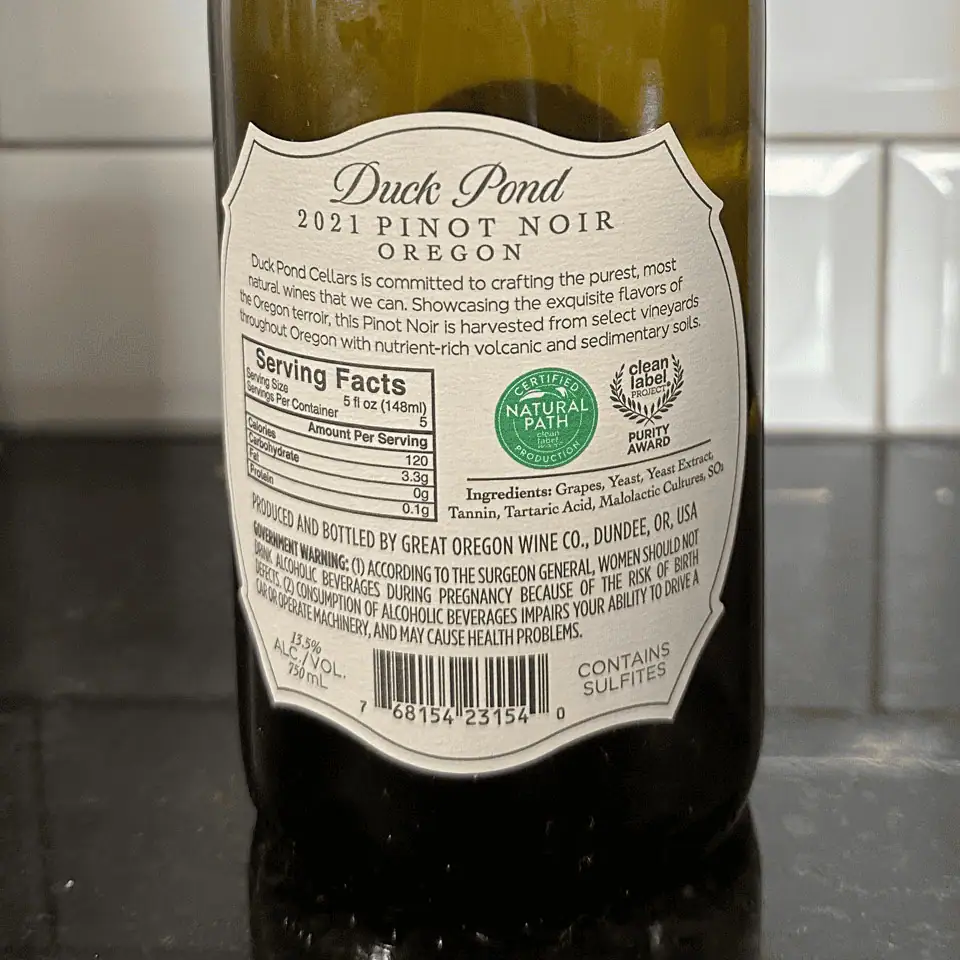
In 2026, the biggest trend in the wine aisle isn’t a specific grape, but the “Clean Label” movement. According to recent consumer surveys, shoppers are now demanding to know if their wine contains added sugars or synthetic dyes.
Unlike the 1990s, when a high price suggested quality, today’s drinkers want to see low-sulfite and vegan certifications. This shift is a factual response to the wellness trend that has already transformed the rest of the grocery store. People want their evening glass of red to align with their daytime health goals.
The “Premium Can” Revolution
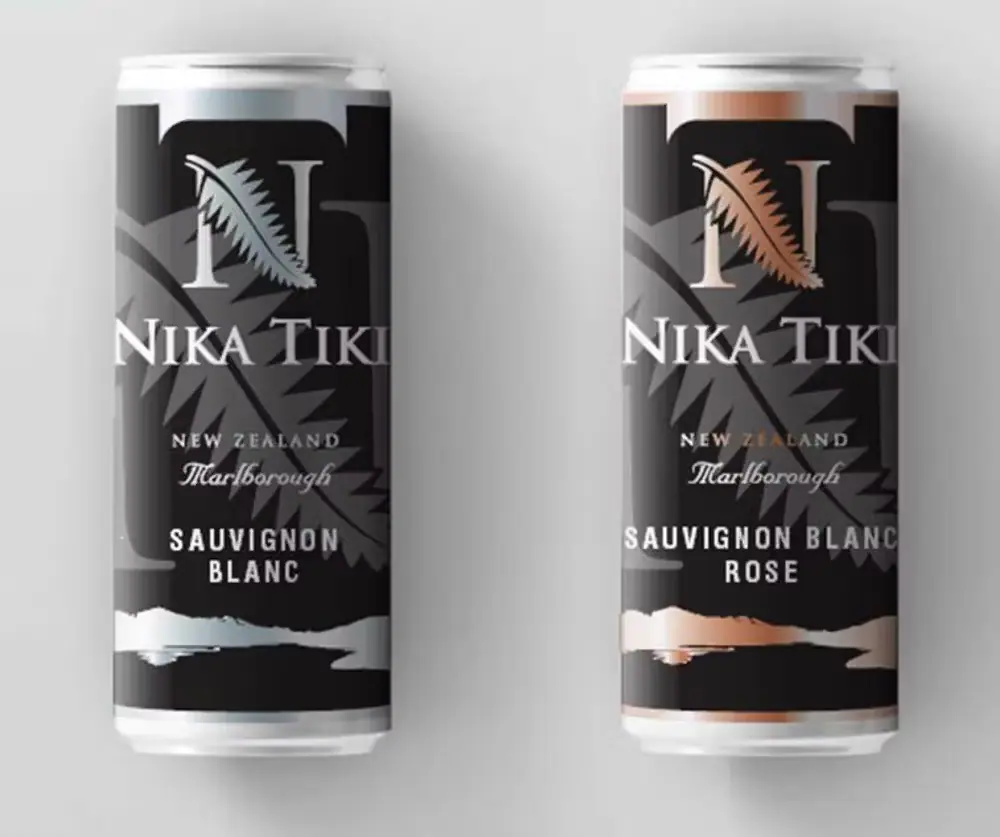
The old taboo against canned wine has officially vanished in 2026 as high-end estates embrace portable packaging. According to retail reports, sales of premium canned wine are projected to grow at a 13.8% CAGR starting this year.
Consumers are realizing that aluminum is more sustainable to ship and faster to chill than traditional glass. It also solves the problem of “waste,” allowing a single drinker to enjoy one fresh glass without opening a full bottle. This “portion-control” convenience is a major factor for the growing number of solo diners and outdoor enthusiasts.
Values-Based Vineyard Selection

Americans are increasingly choosing their wine based on the social and environmental values of the producer. According to 2026 agricultural audits, “regenerative organic” viticulture has become a top-selling point for domestic brands. Drinkers are researching vineyards more carefully before making a purchase.
Many want to know whether the vineyard follows fair labor practices or uses bird-friendly pest control methods. This “conscious sipping” means that a small, family-owned farm with a great story can now outsell a massive corporate label. For the modern consumer, the “why” behind the wine is just as important as the taste.
The End of the 100-Point Scale

The influence of traditional wine critics is being challenged by crowd-sourced apps and relatable social media influencers. According to 2026 digital media data, shoppers are more likely to trust a viral video review than a complex 100-point score.
These new “wine educators” focus on food pairings and “vibe checks” rather than intimidating technical jargon. This has made the world of wine feel more inclusive and accessible to the average person. As a result, Americans are becoming more adventurous, frequently trying obscure regions and forgotten grape varieties.
