
15 Surprising Food Facts You Never Learned in History Class
Exploring the history of food offers surprising insights into how our culinary traditions developed. Delve into these intriguing facts that reveal the unexpected origins and uses of some common ingredients, and gain a fresh perspective on the evolution of flavors we enjoy today.
Ketchup: From Medicine to Condiment

Ketchup’s journey began in the 18th century as a fermented fish sauce from Asia, later transforming into a Western remedy. In the 19th century, tomato-based ketchup emerged in America, initially marketed for its supposed medicinal properties. It wasn’t until later that it gained popularity as the tangy condiment we know. Understanding this history enriches our appreciation of its bold flavor and versatile uses in the kitchen.
Olympians’ Ancient Power Snack
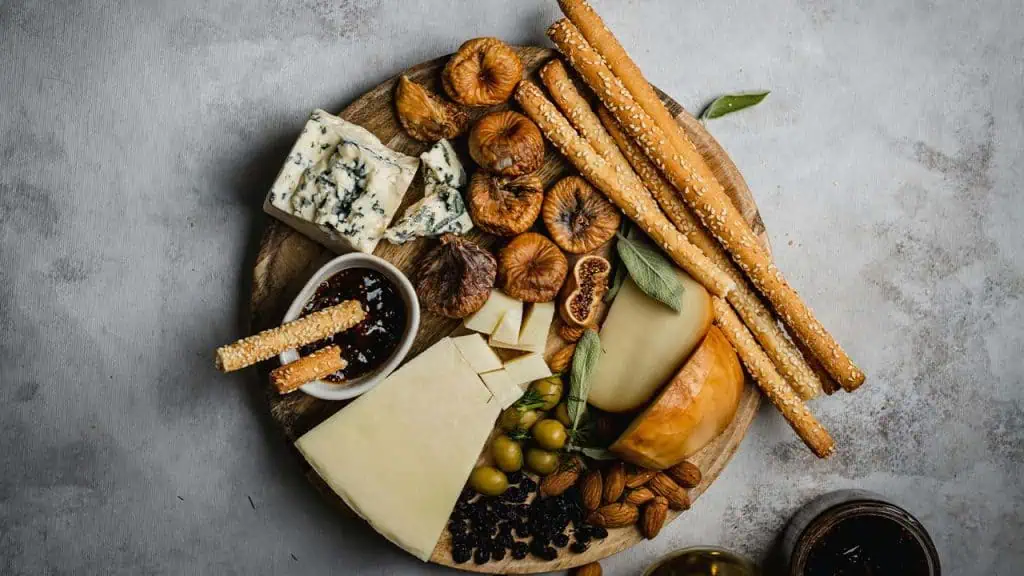
Ancient Greek Olympians fueled their athletic feats with a simple yet effective snack: dried figs. Rich in natural sugars, fiber, and minerals, figs provided sustained energy. Modern athletes might recognize the benefits of high-carb, nutrient-packed snacks, offering quick energy bursts and easy digestion. For home cooks, incorporating figs into dishes adds sweetness and a chewy texture, complementing savory and sweet recipes alike.
The Purple Origins of Carrots

Carrots, originally purple, have evolved in color and variety. Orange carrots were first cultivated in the Netherlands in the 17th century, with selective breeding creating the sweet, crunchy varieties we favor today. Recognizing this origin allows cooks to appreciate the diversity within root vegetables, encouraging experimentation with heirloom varieties available in markets. Their earthy sweetness can enhance soups, salads, and roasting dishes majestically.
Chili Peppers’ Global Journey
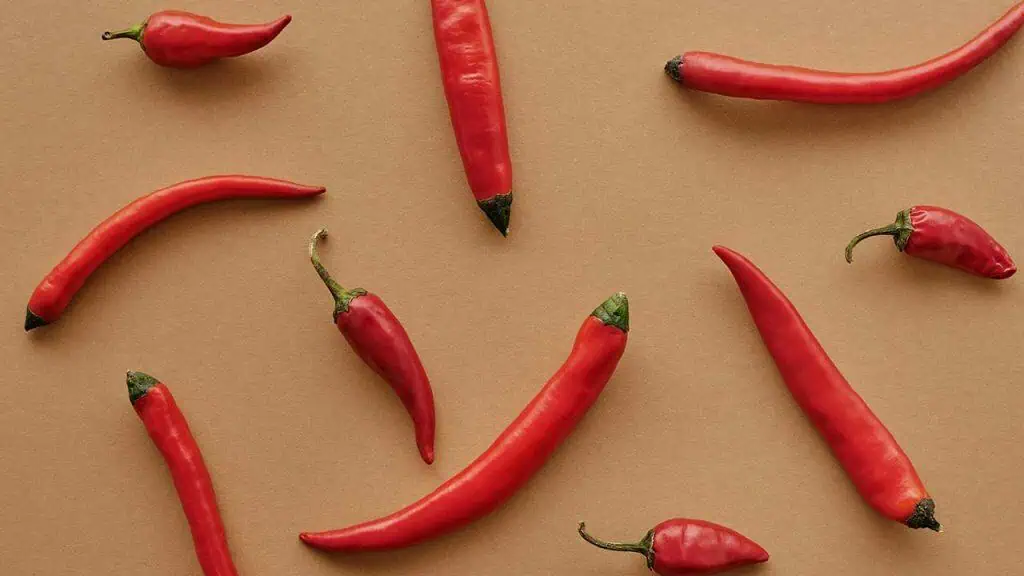
Chili peppers originated in the Americas, and their introduction to global cuisines began with Columbus’s voyages. They quickly spread through trade routes, becoming integral in Asian, African, and European dishes. This adaptability is due to their vibrant heat and versatile applications, from invigorating stews to enlivening sauces. For home chefs seeking to balance spice, understanding the history encourages careful experimentation with their diverse heat profiles and flavor intensities.
Spices: A Medieval Status Symbol

In medieval times, spices were not only coveted for flavor but also as status symbols. Black pepper, nutmeg, and cloves were considered treasures, signifying wealth and power. Transported over long distances, these aromatic ingredients were often locked away like jewels. The scarcity and expense of spices meant they were primarily used by the wealthy, who flaunted their access to elaborate, spiced dishes at feasts. Understanding this historical context adds depth to modern spice usage, transforming everyday cooking into a nod to a time when each seasoning held significant prestige.
Salt: The Currency of Conflict

Salt’s role in history extends beyond the kitchen table into the realm of conflict and commerce. Essential for preserving food, salt was once as valuable as gold, sparking disputes and wars over its control. The term “salary” even derives from “salarium,” a payment made to Roman soldiers to buy salt. In various cultures, controlling salt sources allowed power and prosperity to be leveraged. Appreciating salt’s storied past invites a richer appreciation for its critical, yet often overlooked, culinary function in both enhancing taste and enabling food storage.
Rent-a-Pineapple: A 1700s Luxury
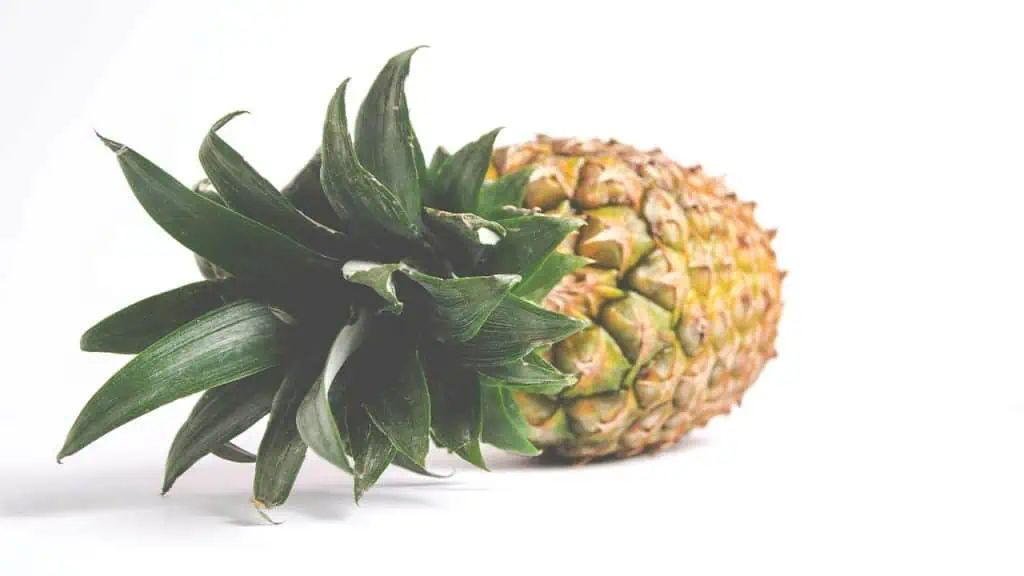
In the 1700s, pineapples were the epitome of exotic luxury and hospitality. Imported from the Caribbean, these fruits were so rare they became symbols of wealth and high society. It was common for the affluent to rent pineapples as centerpieces, showcasing them at parties without ever consuming them. This practice highlights how culinary items can reflect societal values. Today, as pineapples are widely accessible, their historic association with affluence enriches their allure, reminding us of the global journey our ingredients undertake before reaching our tables.
Casserole: A Depression-Era Innovation

Casseroles emerged during the Great Depression as a staple of resourceful cooking, providing hearty meals using minimal, inexpensive ingredients. This technique allowed home cooks to stretch limited resources by combining proteins, carbohydrates, and vegetables into a single, nourishing dish. By understanding the casserole’s origins, modern chefs gain appreciation for its utility and adaptability. From comfort food classics to contemporary variations, mastering the casserole involves layering flavors and textures to transform simple ingredients into a cohesive, satisfying meal.
French Fries’ Belgian Roots
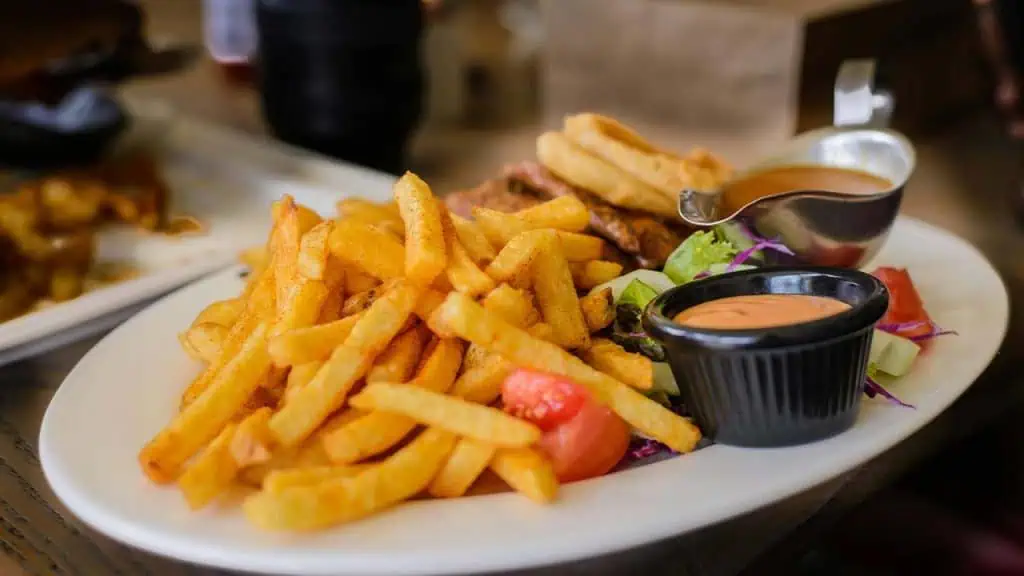
Despite their name, French fries have origins tracing back to Belgium, where they have been enjoyed since the late 1600s. Known locally as “frites,” they were developed as a substitute for small fried fish when rivers froze during winter. With exacting standards, Belgians perfected the double-frying technique, achieving a golden exterior and tender interior. Understanding this legacy elevates the appreciation of frying methods and the importance of selecting the right type of potato. This insight invites cooks to recreate the rich texture and flavor that makes fries a timeless global favorite.
Tomatoes: Europe’s Poisoned Past

Before they adorned Italian dishes, tomatoes were met with suspicion in Europe. Introduced from the Americas, the tomato plant, part of the nightshade family, bore a resemblance to toxic plants. Until the 18th century, Europeans believed tomatoes were poisonous, largely due to wealthy individuals experiencing lead poisoning after eating them off pewter plates. The acidity of tomatoes led to the leaching of lead into their meals, solidifying the tomato’s ominous reputation.
Aztec’s Cocoa Currency
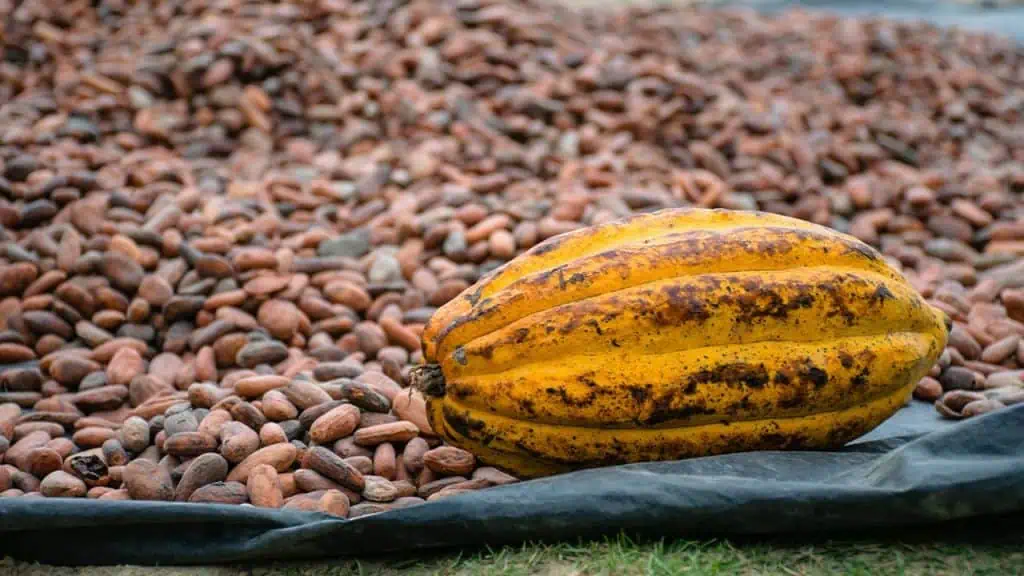
The Aztecs regarded cocoa beans as more than just a source of delicious chocolate. These beans were a significant form of currency and a marker of wealth. Used for trade and as payment, the beans funded much of the Aztec economy. When preparing a drink, Aztec rulers and warriors savored chocolate, believing it to be an elixir of energy and pleasure. It was thick, foamy, and seasoned with spices, a far cry from the sweet treats we enjoy today.
Beer: An Egyptian Daily Brew

In ancient Egypt, beer was a staple, consumed by all social classes. Made from barley and emmer wheat, this everyday beverage was thick, nutritious, and integral to the diet. Brewing techniques involved fermentation in open containers with natural yeast. While modern brews aim for clarity, Egyptian beer had a clouded, earthy quality and was often drunk through reeds to minimize sediment intake. This humble beverage was not only refreshing but essential for sustenance.
The Sandwich’s Noble Invention

The sandwich, a convenient marvel, owes its name to John Montagu, the 4th Earl of Sandwich. In the 18th century, Montagu popularized eating meat between two slices of bread. This method allowed him to eat without interrupting card games. Though the concept of flatbread and filling existed in various cultures, the sandwich as we know it gained popularity through Montagu’s penchant for efficiency at the gaming table, setting a precedent for modern meal convenience.
Ancient Popcorn’s Surprising Age

Popcorn, a favorite snack today, has ancient roots, dating back over 6,000 years. Archaeological findings in Peru reveal that indigenous people were popping corn long before it became a movie theater staple. Using simple clay pots and sand, they roasted kernels until they popped, just as captivating then as it is now. The ancient technique involved heating the sand and stirring in kernels, an early example of culinary ingenuity we continue to enjoy without much alteration.
Wartime Rationing’s Culinary Legacy

Wartime rationing profoundly influenced culinary creativity, forcing innovation with limited resources. Home cooks learned to maximize flavor from minimal ingredients by relying on substitution and ingenuity. Sugar and butter shortages led to the popularity of cake recipes using beetroot and applesauce to maintain moisture and sweetness. Regional dishes emerging from these times often emphasized hearty grains and legumes, providing sustenance without extravagance. This era taught valuable lessons in resourcefulness, encouraging a focus on fresh, local produce and sustainable cooking practices that resonate strongly today.
