
5 Super Bowl Food Commercials That Changed Advertising Forever
Super Bowl commercials are a cultural event in their own right, with audiences tuning in as much for ads as for the game. Certain food and beverage campaigns transcended their 30-second airtime to influence broader advertising strategies. By blending storytelling, humor, celebrities, and memorable imagery, these spots helped shift how brands connect with viewers. These five Super Bowl food commercials didn’t just sell products, they helped define how marketers think about emotional resonance, cultural relevance, and mass-audience storytelling on the biggest stage in American advertising.
Bud Bowl
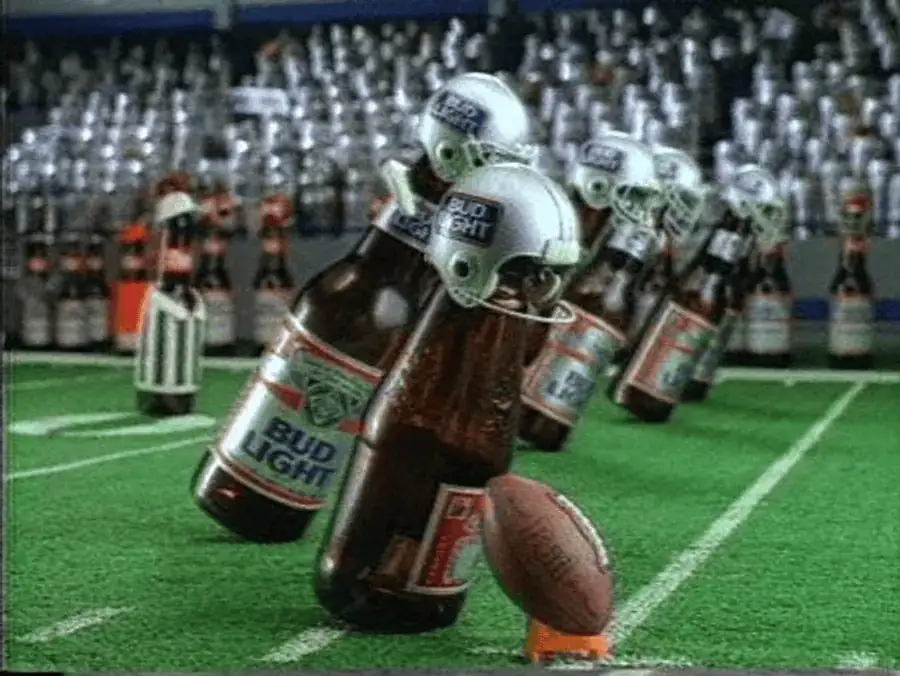
Long before viral videos and social media buzz metrics, Budweiser’s Bud Bowl ads turned Super Bowl halftime into must-watch ad theater. Launched in the late 1980s and early 1990s, these animated commercials depicted competing animated beer cans as opposing football teams, complete with crowd roar sound effects and play-by-play energy. By bringing game-day theatrics to the ad break itself, Bud Bowl didn’t just promote beer; it invited viewers to engage with the commercial as a piece of entertainment. Its success encouraged other brands to embrace narrative and character in snack and beverage ads, expanding the scope of how food spots were produced.
McDonald’s “Two All-Beef Patties” Era
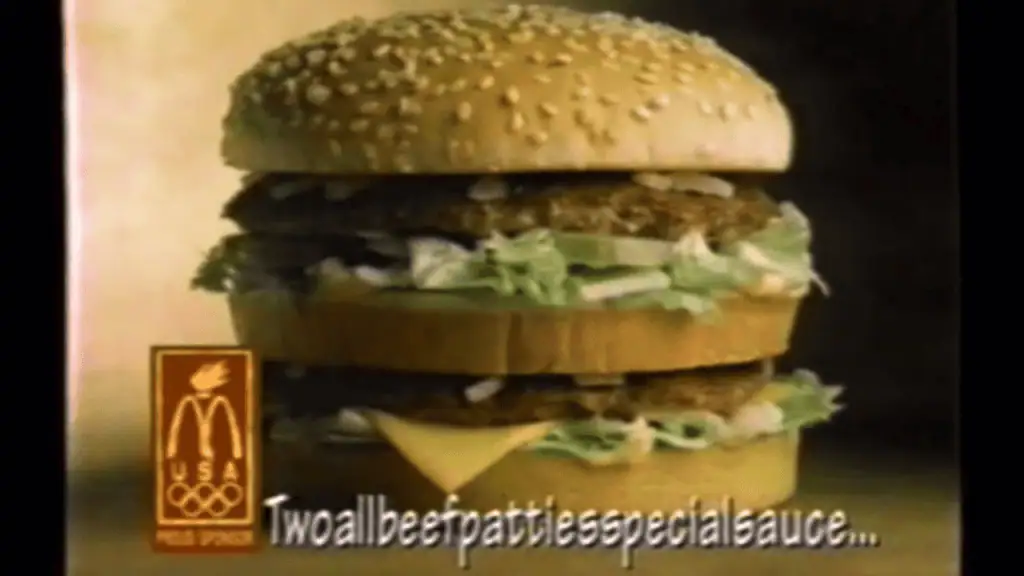
McDonald’s has been part of Super Bowl advertising since the early years, but some of the most memorable spots leaned into rhythm and repetition to play on cultural familiarity. While often light on story, these ads rooted themselves in melody and recognizability, reinforcing the Golden Arches as an iconic American symbol. This ad strategy underscored how repetition even in a commercial break strengthens brand recall. McDonald’s Super Bowl commercials helped embed fast food into the cultural lexicon, showing that simple, easily recalled messaging could cut through the noise of a crowded broadcast.
Pepsi Polar Bear Campaigns
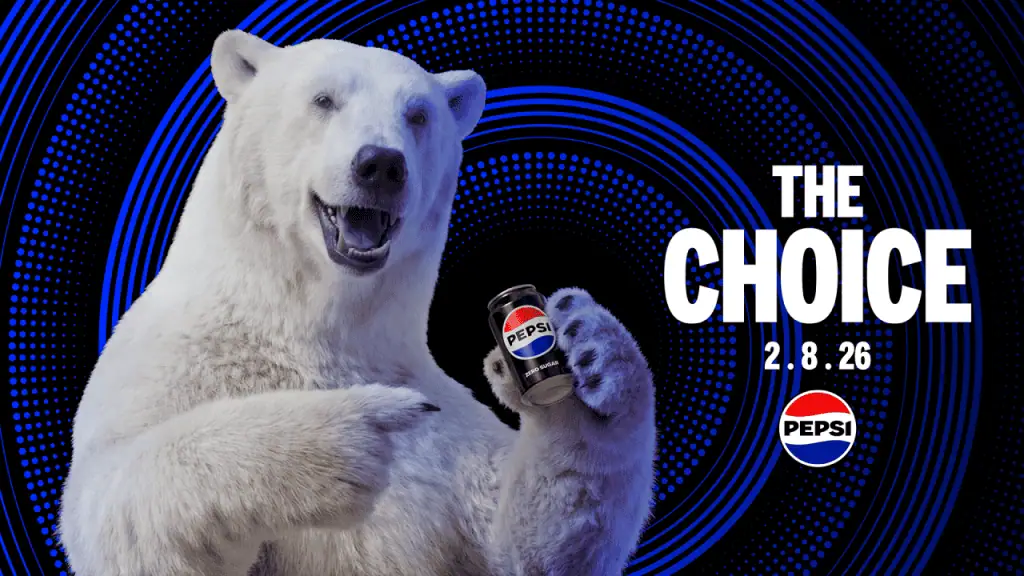
Pepsi’s series of Super Bowl ads featuring animated polar bears helped redefine beverage advertising with a blend of humor, narrative, and character creation. These spots weren’t just about cola preference, they built a recurring story world that audiences began to follow year after year. The polar bear characters became pop culture figures in their own right, appearing in multiple campaigns and reinforcing Pepsi’s brand identity. This long-running narrative approach showed how consistency and character licensing could extend a food or drink brand’s lifecycle beyond a single spot.
“Whassup?” and Satirical Snack Ads

In the late 1990s and early 2000s, some food and beverage commercials leaned into cultural memes and humor that became shorthand for group interaction. While not every spoof lasted in public memory, the ones that did such as catchphrase-driven spots transformed how snack brands approached comedy and shareability. These commercials didn’t just sell chips or soda; they created lines people repeated in everyday conversation. The success of catchphrase-first commercials encouraged marketers to craft ads with cultural hooks audiences could latch onto long after the game ended.
Lay’s Emotional Storytelling
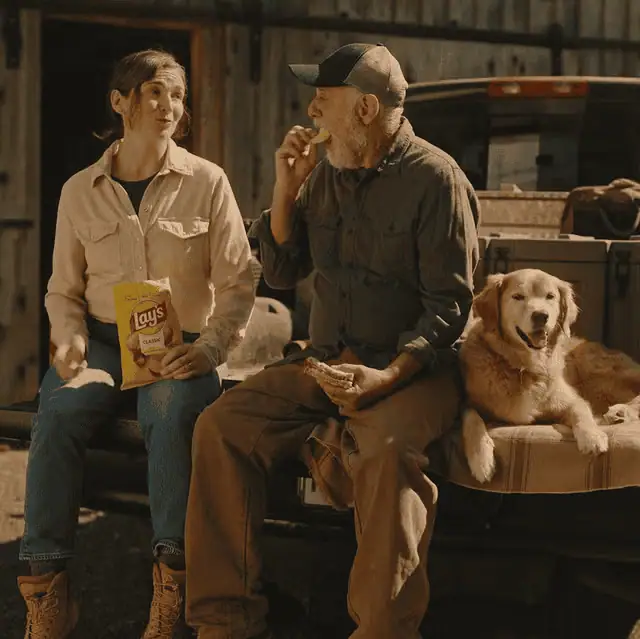
More recently, food brands have pivoted to emotionally anchored storytelling that resonates beyond product features. Lay’s 2026 Super Bowl commercial, for example, focused on family heritage and memory rather than a simple snack pitch. By linking the brand to universal themes of family and tradition, this campaign demonstrated how even relatively simple products can be positioned through storytelling that forges deeper emotional connections. This shift reflects broader advertising trends where emotional resonance often outperforms direct product focus, even in high-stakes ad environments like the Super Bowl.
