
9 Diet Trends That Went Viral and Left Real Damage Behind
Every few years, a new diet trend explodes online with glowing testimonials, dramatic before-and-afters, and big promises. But some of the most viral eating plans left people dealing with nutrient deficiencies, disordered habits, and long-term health consequences. This gallery revisits nine famous diet crazes and the very real damage they could leave behind.
The Cabbage Soup Diet

This one sounded almost charmingly simple: eat lots of cabbage soup for a week and watch the pounds melt off. It spread because it was cheap, easy to follow, and promised fast results that felt tailor-made for panic dieting before a vacation or event.
The problem was that most of the weight lost was water and glycogen, not lasting fat loss. People often ended up bloated, tired, cranky, and running on far too few calories.
Because it was so repetitive and restrictive, it also encouraged a miserable binge-and-restrict cycle. For many, the real damage was learning to treat hunger as a short-term obstacle instead of a basic body signal.
The Grapefruit Diet
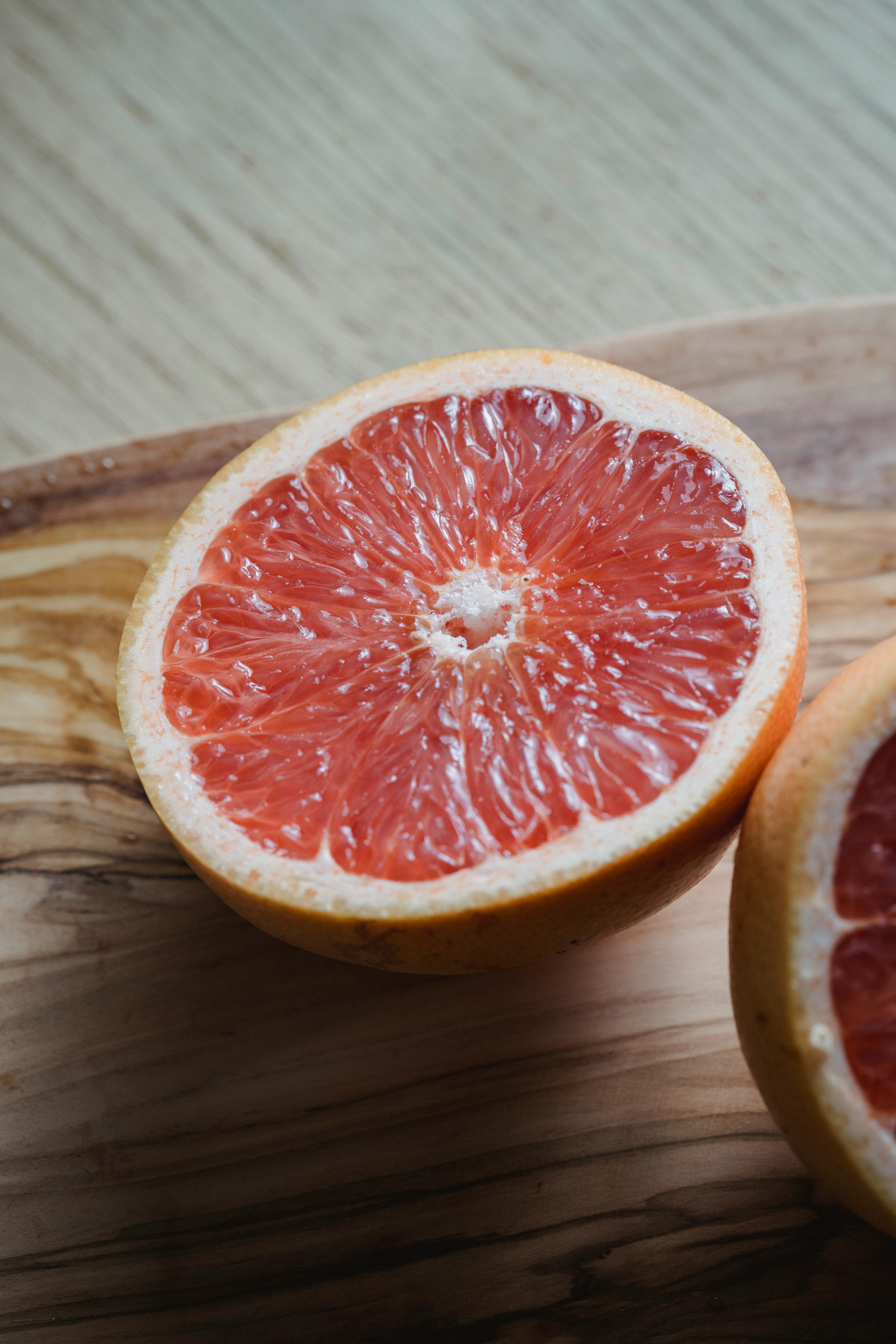
The grapefruit diet thrived on the fantasy that one magical food could somehow burn fat on contact. Versions of it have circulated for decades, usually pairing grapefruit with an ultra-low-calorie meal plan and the promise of a quick metabolism boost.
What people were really doing was starving themselves while giving the fruit all the credit. That meant fatigue, headaches, irritability, and an almost guaranteed rebound once normal eating resumed.
There was another issue too: grapefruit can interact with certain medications in ways that are not harmless. So a trend that looked innocent in magazine pages or social posts could become much riskier than it first appeared.
The Master Cleanse
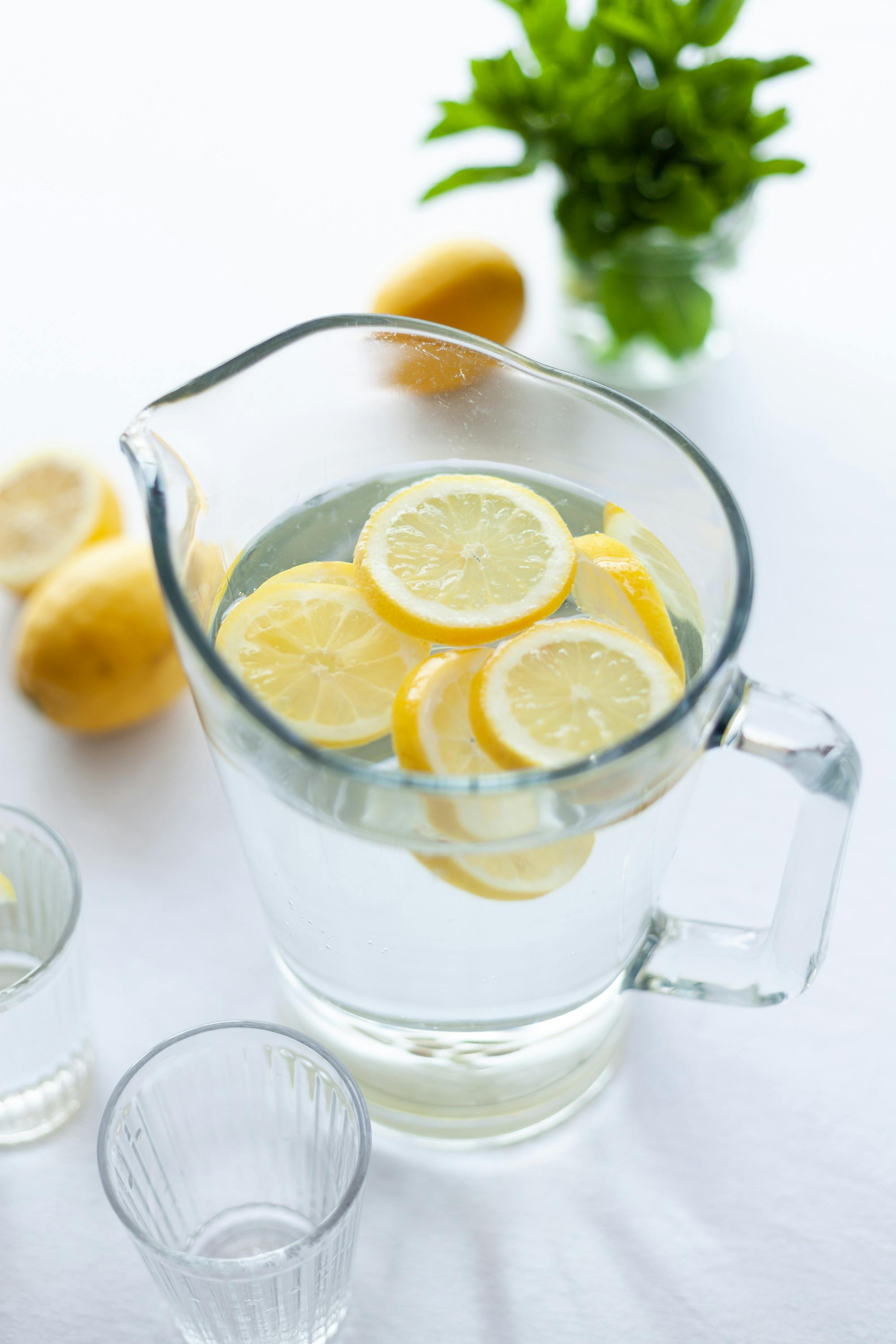
Few detox trends became as iconic as the Master Cleanse, built around lemon juice, maple syrup, cayenne pepper, and very little else. It was sold as a reset for the body, a shortcut to purification, and a dramatic way to drop weight fast.
In reality, the body already has organs that detox just fine without starvation cosplay. Living on a liquid mixture for days can leave people weak, dizzy, dehydrated, and short on protein, fiber, and essential nutrients.
The bigger psychological damage was the idea that ordinary eating is somehow dirty and must be erased. That mindset can turn normal indulgence into guilt and make extreme restriction feel oddly virtuous.
The HCG Diet

The HCG diet combined extremely low calorie intake with drops or injections marketed as weight-loss helpers. It gained attention because it sounded almost medical, which gave it an air of legitimacy that many fad diets never had.
But eating around 500 calories a day is not a wellness hack. It can trigger weakness, muscle loss, headaches, gallstones, nutrient deficiencies, and a metabolism that becomes harder to trust after the crash.
For many people, the most lasting effect was becoming convinced that brutal deprivation was the only route to visible change. Once a diet normalizes that level of restriction, regular balanced eating can start to feel like failure.
The Tapeworm Diet Myth

This one sounds too grotesque to be real, yet the tapeworm diet has lingered in pop culture and urban legend for generations. The appeal was pure horror-show logic: let a parasite eat some of your food and you lose weight without trying.
Any version of this idea is incredibly dangerous. Tapeworm infections can cause abdominal pain, nausea, malnutrition, weakness, and in some cases severe complications when larvae travel beyond the intestines.
Even when discussed as a shocking historical curiosity, it reveals something dark about diet culture. If a weight-loss promise is dramatic enough, people will sometimes flirt with risks they would never accept in any other part of life.
The Cotton Ball Diet

The cotton ball diet was one of the internet’s bleakest examples of how far disordered eating advice could travel. People were encouraged to swallow cotton balls, sometimes soaked in juice, to feel full without eating actual meals.
That was never just bizarre; it was dangerous. Cotton balls are not food, and swallowing them can create choking hazards, digestive blockages, malnutrition, and serious gastrointestinal problems.
What made this trend especially damaging was how social media packaged it as a clever trick instead of a medical emergency. It blurred the line between dieting and self-harm in a way that should have alarmed everyone from the start.
The Baby Food Diet

The baby food diet rode in on celebrity chatter and the promise of portion control in tiny jars. The pitch was simple: replace meals or snacks with puréed baby food and you will naturally consume fewer calories without much effort.
The issue is that baby food is designed for babies, not adults with different nutritional needs and energy demands. It can leave grown people unsatisfied, underfed, and weirdly disconnected from normal chewing, fullness, and meal enjoyment.
There was also something emotionally corrosive about shrinking adult eating into infant-sized servings. Instead of building a healthier relationship with food, it often rewarded deprivation dressed up as discipline and glamour.
The Raw Food Craze
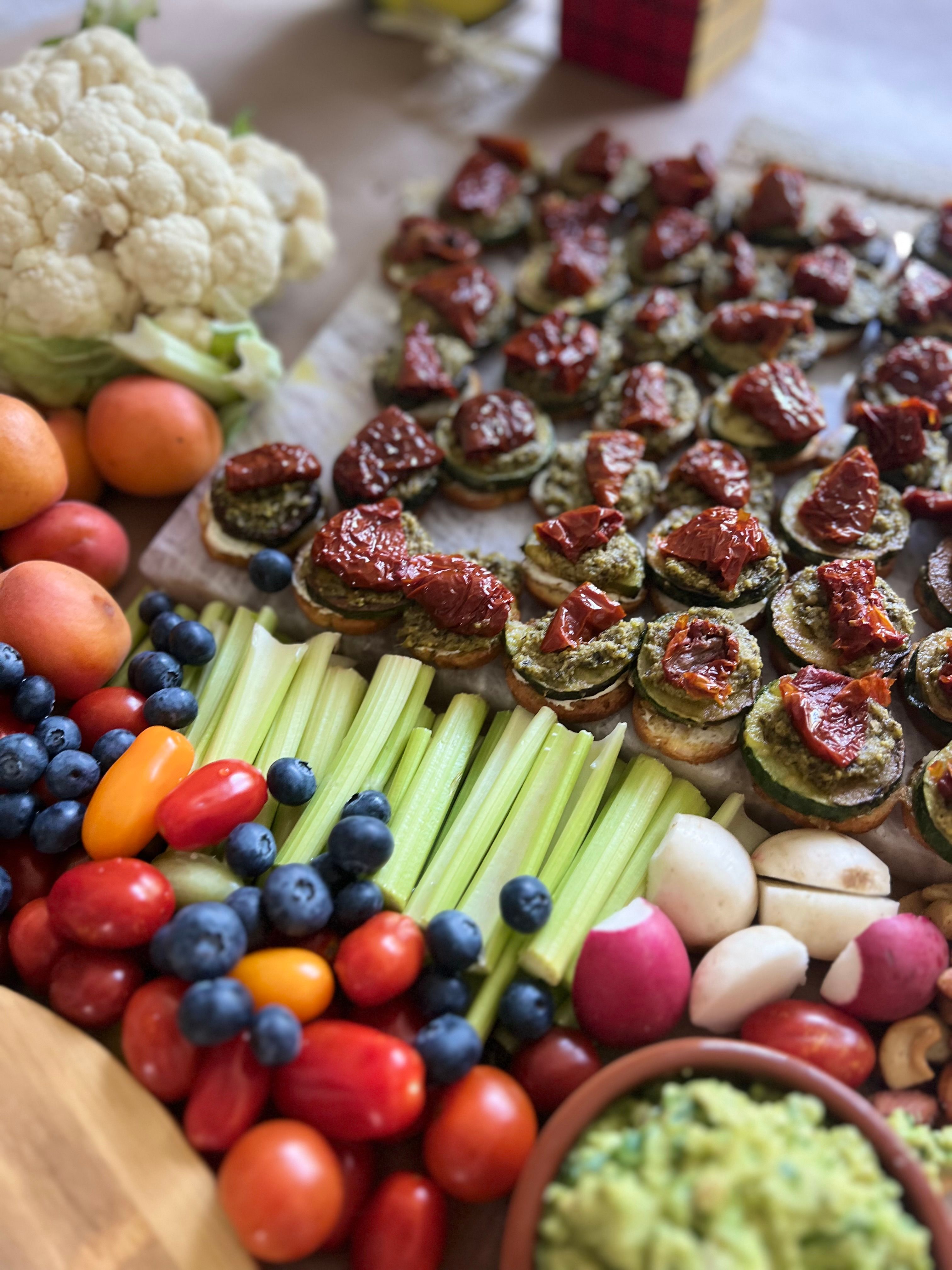
Raw eating was often marketed as cleaner, more natural, and somehow more enlightened than ordinary meals. At its strictest, the trend pushed people to avoid cooked foods entirely, based on the idea that heat destroyed the very goodness they needed.
While eating more fruits and vegetables can be great, an ultra-strict raw plan can become hard to sustain and nutritionally shaky. Some people ended up low on protein, vitamin B12, iron, calcium, or overall calories, especially if the diet was poorly planned.
It also ignored a basic fact: cooking can make some foods safer and easier to digest. In chasing purity, many followers made eating more stressful, expensive, and physically draining than it needed to be.
The Alkaline Diet Obsession
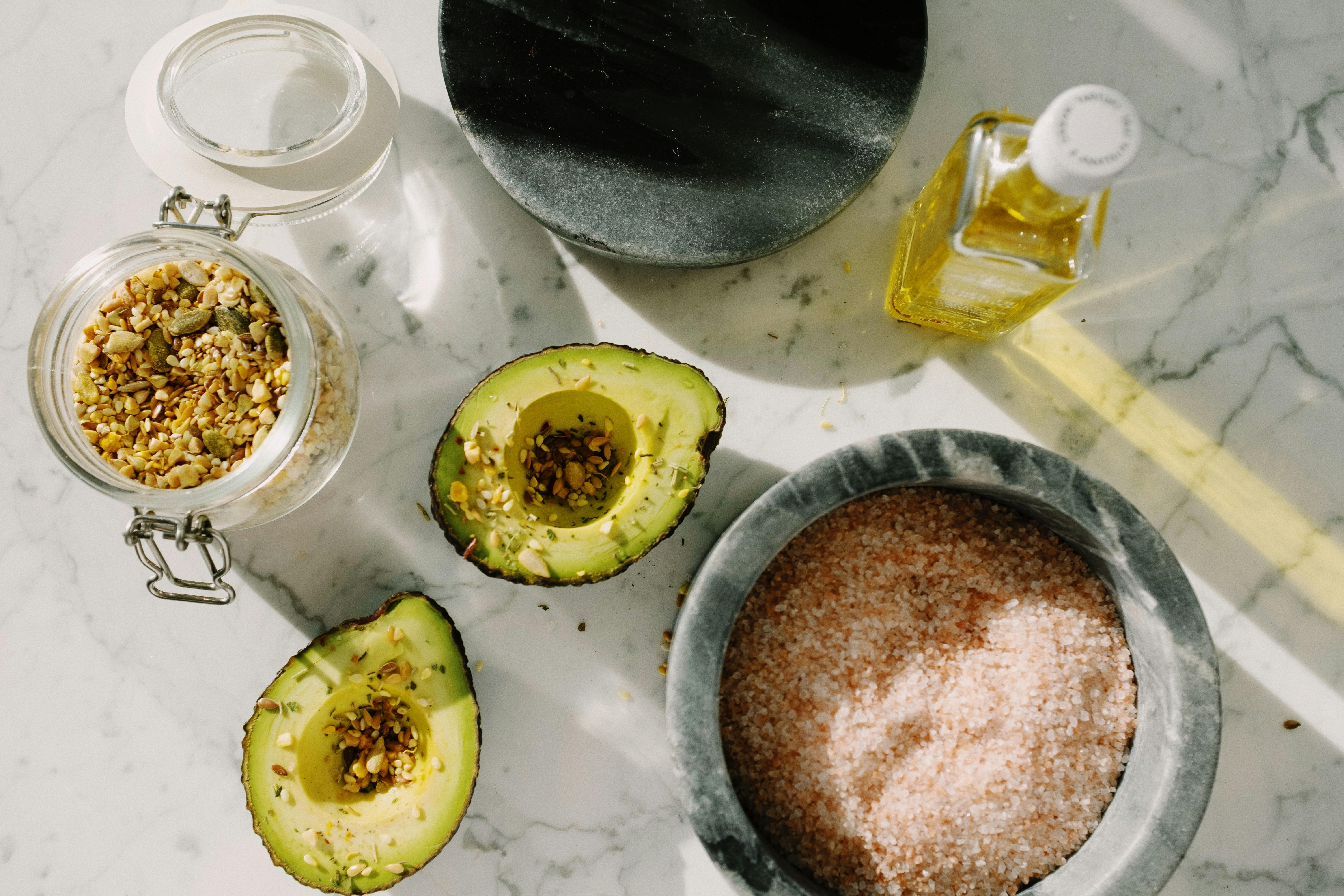
The alkaline diet took a complicated body process and turned it into a catchy wellness story. Followers were told that certain foods made the body too acidic, causing weight gain and disease, while alkaline foods would restore balance and better health.
The body actually regulates blood pH very tightly on its own, so the core claim was oversold from the beginning. But the diet’s food rules could still encourage fear around perfectly normal ingredients and make everyday eating feel like a chemistry test.
Some people did end up eating more produce, which is fine, but the trend’s real damage was the pseudoscience. Once misinformation sounds scientific enough, it can be hard for ordinary readers to spot where wellness ends and nonsense begins.
Detox Teas and Laxative Weight-Loss Plans

Detox teas exploded online thanks to influencers, flat-tummy promises, and artfully staged mugs beside workout gear. Many of these products hinted at cleansing, slimming, and appetite control while downplaying the fact that some relied on laxative-style effects.
That can mean dehydration, cramping, electrolyte imbalance, and a very misleading number on the scale. Losing water and waste is not the same as changing body composition, even if marketing tries to blur that difference.
The deeper damage was teaching people to mistrust normal digestion and chase instant results at any cost. For some users, these products became part of a cycle of dependency, anxiety, and distorted expectations about what healthy progress actually looks like.
