
5 of the Most Famous Food Mascots in American History that Everyone Loved
Food mascots have played a powerful role in American advertising, especially during the rise of television and fast-food culture. These characters were designed to be memorable, friendly, and instantly recognizable, often becoming more famous than the products themselves. For decades, mascots helped brands build trust, routine, and emotional connection with families and children. Even as advertising rules and tastes changed, a handful of mascots left permanent marks on American food culture, becoming icons that still spark recognition today.
Ronald McDonald

Ronald McDonald became one of the most recognizable food mascots in American history by embodying fun, color, and family-friendly energy. Introduced during the rapid expansion of fast food, he helped position McDonald’s as a place for children as much as adults. His appearances in commercials, restaurants, and charity work made him feel omnipresent. Over time, Ronald became inseparable from the brand’s identity, shaping how generations associated fast food with childhood experiences.
Colonel Sanders
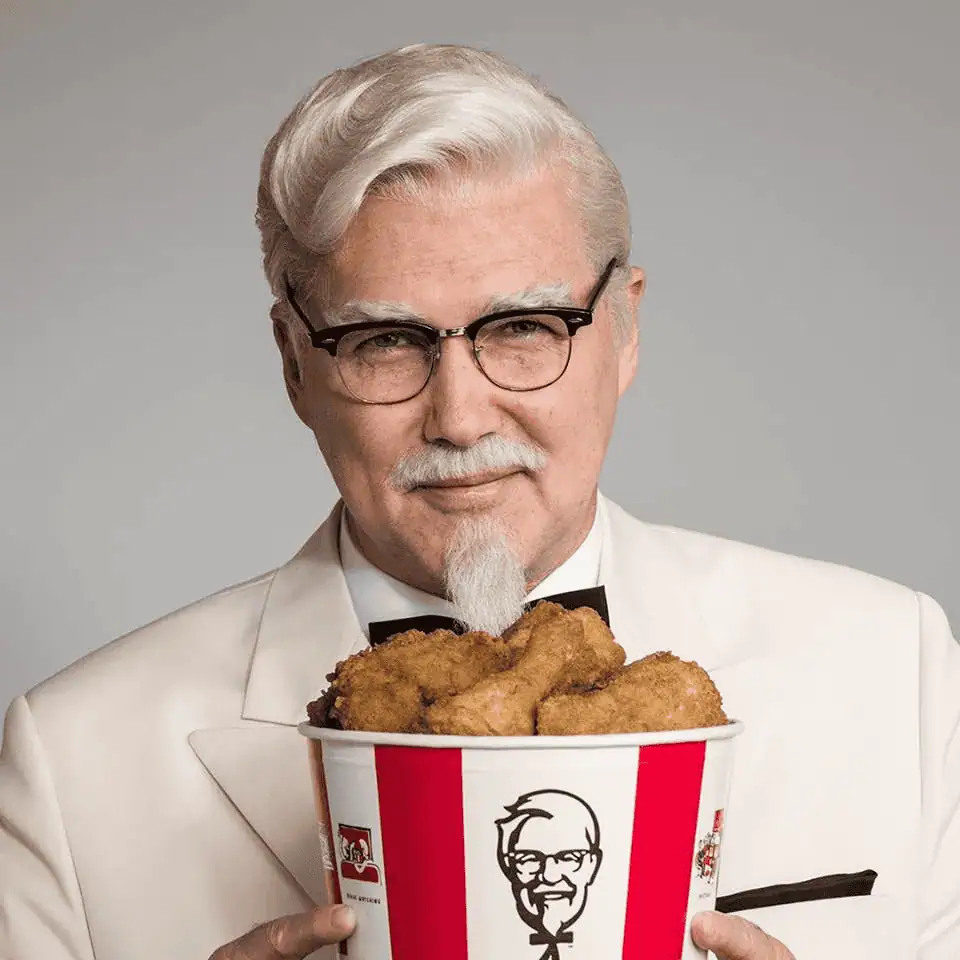
Colonel Sanders stands out as a mascot rooted in a real person, blending authenticity with branding. His white suit, Southern charm, and origin story gave Kentucky Fried Chicken a sense of tradition and credibility. Unlike cartoon mascots, the Colonel represented expertise and consistency. His image reassured customers that the food followed a trusted recipe, helping KFC grow nationally. The Colonel remains one of the most enduring symbols of American fast-food history.
Tony the Tiger

Tony the Tiger became famous by turning breakfast cereal into a source of confidence and energy. His enthusiastic personality and signature catchphrase made him instantly recognizable to children. Tony wasn’t just selling cereal; he was selling optimism and strength. Over the decades, his consistent image helped Frosted Flakes remain culturally relevant. Tony’s success showed how mascots could influence not just brand loyalty, but childhood identity itself.
Pillsbury Doughboy

The Pillsbury Doughboy gained fame through softness, simplicity, and charm. His gentle voice and playful poke made baking feel friendly rather than intimidating. At a time when convenience foods were entering home kitchens, the Doughboy reassured families that baking could be easy and comforting. He became a symbol of warmth and reliability, helping Pillsbury products feel approachable. His enduring popularity proves the power of emotional comfort in food branding.
Mr. Peanut

Mr. Peanut represented sophistication and longevity in American snack culture. With his monocle, cane, and top hat, he stood out from more playful mascots by projecting class and confidence. Introduced in the early 20th century, he evolved alongside American advertising itself. Mr. Peanut helped elevate a simple snack into a recognizable brand identity, proving mascots could appeal to adults as well as children.
