
Banned Bites: 13 Foods Off the American Menu
Exploring the world of banned foods unveils intriguing culinary stories and cultural nuances. While some ingredients are prohibited in the U.S. due to health concerns or ethical considerations, they remain beloved staples elsewhere. As we delve into these forbidden bites, we’ll unearth the reasons behind their bans and the allure they hold in their native lands. Detailed techniques and flavors provide insight, yet remember these dishes are strictly to be appreciated from afar in America.
Haggis: A Scottish Classic Barred
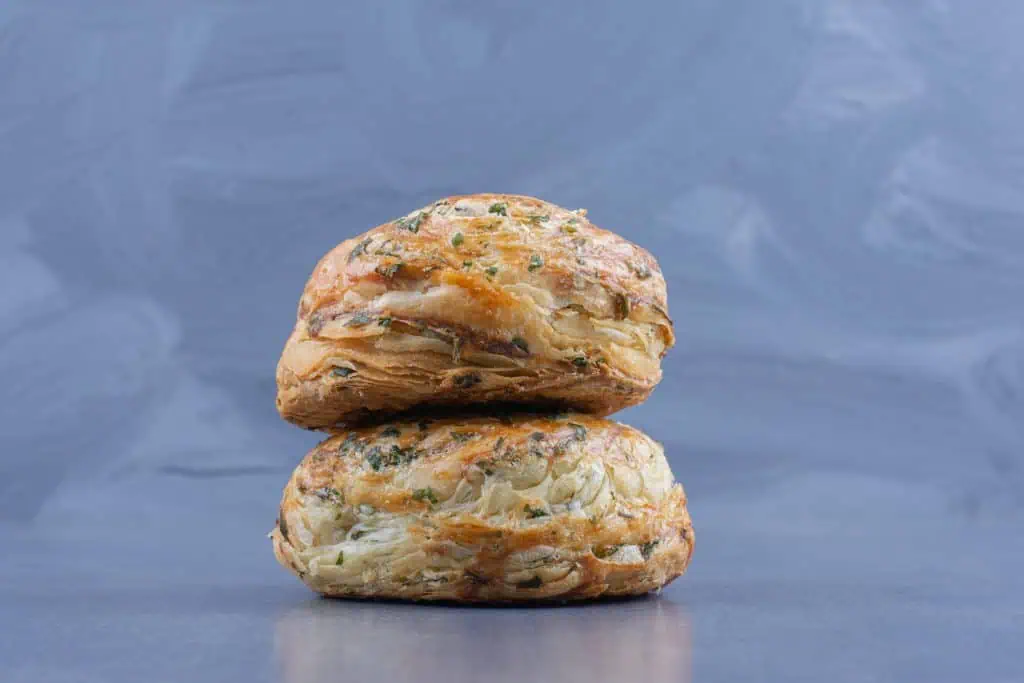
Haggis, Scotland’s iconic dish, presents a rich tapestry of flavors through its hearty mix of sheep’s offal, oats, and spices. The cooking method involves encasing these ingredients in sheep’s stomach, letting them simmer until deeply flavored. In the U.S., haggis containing sheep lung is banned under FDA regulations because lungs can retain fluids such as stomach contents and phlegm, which pose a food safety risk. While it may be taboo here, haggis is cherished in Scotland, offering a savory, peppery profile with a rustic texture, perfect with neeps and tatties.
Ackee Fruit: The Jamaican Delight
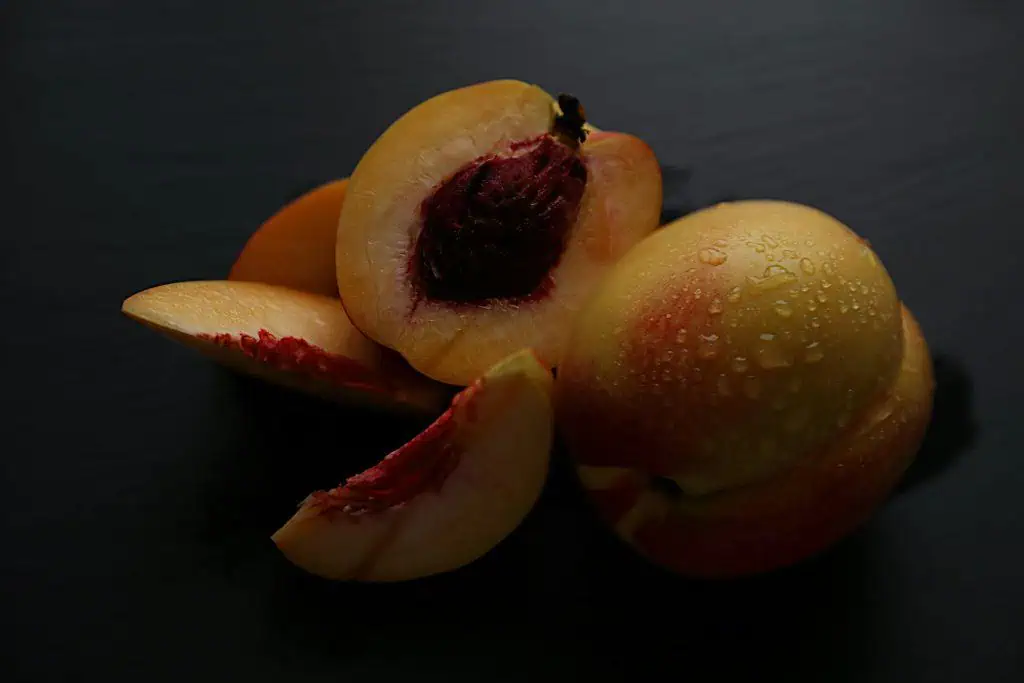
Ackee, Jamaica’s national fruit, stands out for its buttery texture and subtle, nutty flavor. Integral to the famed dish ackee and saltfish, ripe ackee turns soft and creamy when cooked. The FDA bans unripe ackee imports because the fruit contains hypoglycin A and B, toxins that can cause Jamaican Vomiting Sickness, hypoglycemia, seizures, or even death. When handled correctly, though, ackee provides an exquisite backdrop to the bold, salty notes of saltfish.
Casu Marzu: Sardinian Maggot Cheese
Casu Marzu thrives on live insect larvae to break down fats, resulting in an intensely creamy texture. The U.S. bans it under FDA food sanitation rules, since live maggots and decomposing dairy create high bacterial and pathogen risks. In Sardinia, however, this cheese is a cultural emblem of bold tradition, prized for its piquant depth and daring preparation.
Ortolan: The Secretive French Delicacy

Ortolan, a small songbird once regarded as a luxurious treat in France, is consumed whole after marinating and roasting, offering rich, gamey flavors and delicate bones. Despite its historical allure, ortolan is banned in the U.S. because it is a protected species under the Migratory Bird Treaty Act, and its preparation involves force-feeding and drowning in Armagnac, raising severe animal cruelty concerns. In culinary terms, its preparation is as controversial as its flavor profile is revered. Within France, consuming ortolan evokes a clandestine ritual, pairing sensory depth with a contemplation of ethical dining.
Kinder Surprise: Chocolate with a Twist

The Kinder Surprise, with its chocolate shell hiding a toy capsule inside, is beloved worldwide. In the U.S., it is banned under the Federal Food, Drug, and Cosmetic Act (Section 402(d)(1)), which prohibits embedding non-nutritive objects in confectionery because of choking hazards. The toy inside the chocolate is considered an “inedible component inside an edible item”, making it illegal to import or sell. Its appeal lies in the contrast of textures and the gentle sweetness balanced with a touch of vanilla. While similar products exist, the defining dual-layer texture is best experienced by making homemade equivalents, layering fine milk chocolate with a rich white chocolate inside. Carefully tempering the chocolate ensures a glossy finish that snaps when bitten, capturing the original essence.
Sassafras Oil: Once a Root Beer Must
Sassafras oil, once a critical component in traditional root beer, was removed due to safrole, which is a potential carcinogen linked to liver cancer in animal studies. The oil’s complex flavor profile, spicy, woody, and slightly sweet, gave root beer its distinctive edge. Creating an authentic root beer flavor involves combining safe spices like star anise, ginger, and vanilla. Simmer these with molasses and a touch of wintergreen. The key is to extract the flavors slowly in water to mimic sassafras’ depth without its risks, offering a nostalgic taste without the health concerns.
Redfish: A Victim of Overfishing
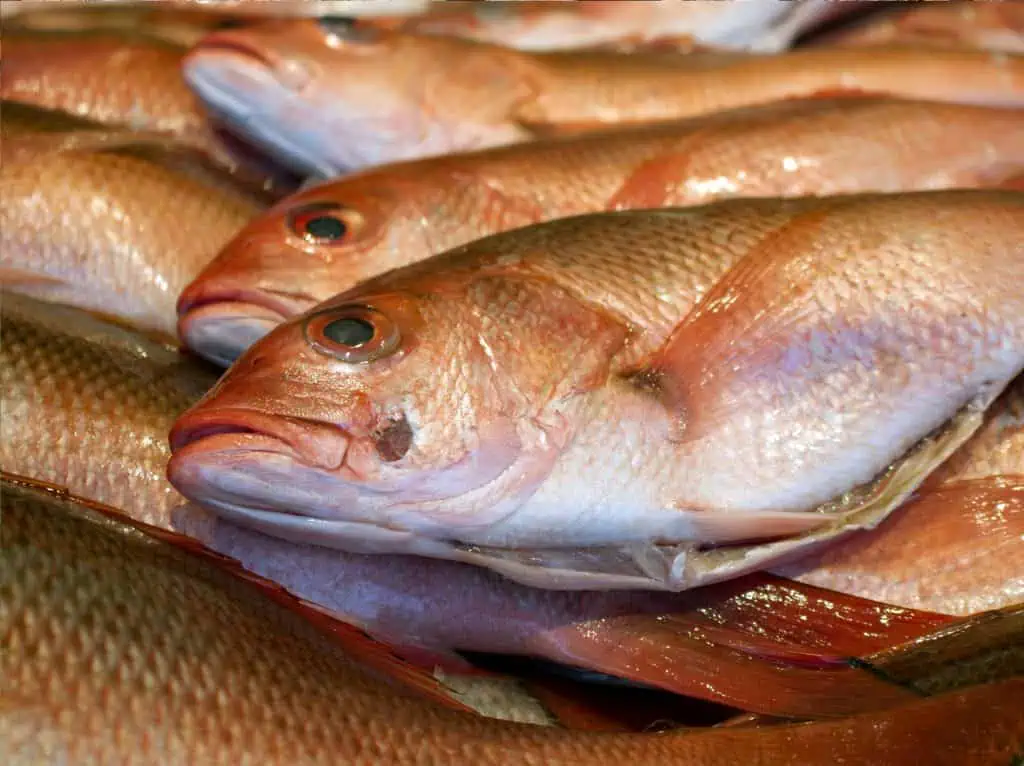
Redfish, particularly the Gulf Coast favorite red drum, found itself on the banned list due to overfishing. It was banned from U.S. interstate commerce in 1986 under the Magnuson-Stevens Fishery Conservation Act after severe overfishing decimated populations. Farm-raised alternatives like black drum or snapper now fill its place. These alternatives offer a similar firm, moist texture and a mild, sweet flavor. Season the fillets with a blend of Cajun spices, and sear them over medium-high heat to develop a crisp crust while keeping the interior juicy. Rest the fish briefly before serving to allow the flavors to meld and provide an even texture.
Fugu: The Dangerous Delicacy
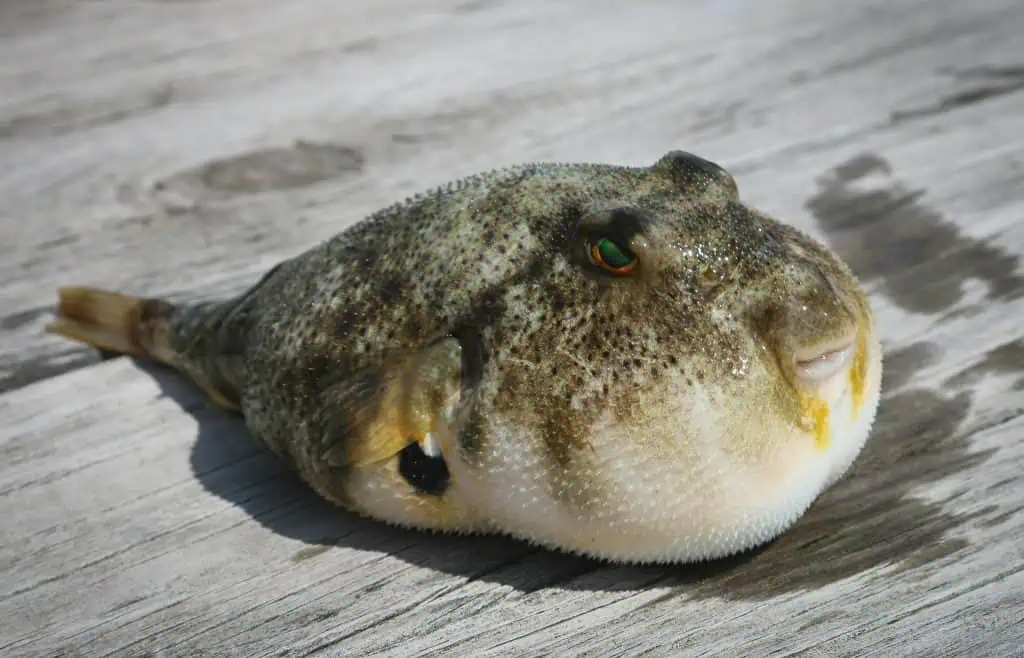
Fugu, the Japanese pufferfish offers subtle flavors but harbors deadly tetrodotoxin. The FDA bans its import unless processed under strict license, since even tiny amounts of toxin can cause respiratory failure and death. Only specially trained and certified chefs are permitted to handle it abroad. The appeal lies in its clean taste and the subtle, exquisite texture when prepared correctly. For those curious about its delicacy, consider using less dangerous but similarly textured fish like monkfish. Achieve a light, sweet flavor and firm texture by poaching it gently in dashi broth, sparingly seasoning to preserve its delicate flavor. This approach captures the essence of fugu’s signature refinement safely.
Beluga Caviar: The Forbidden Luxury
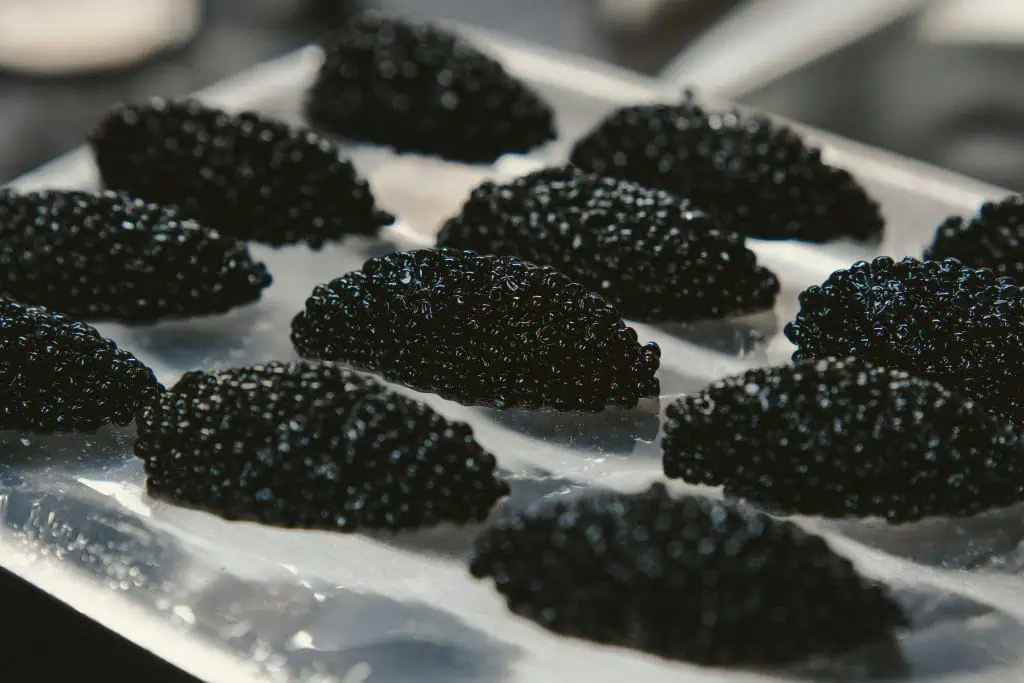
Beluga caviar, known for its large, buttery eggs and exquisite flavor, has been banned in the U.S. due to environmental concerns around sturgeon overfishing. The U.S. banned its import in 2005 under the Endangered Species Act, as wild Beluga sturgeon populations in the Caspian Sea were collapsing from overfishing and habitat loss. To replicate its luxury, consider alternative caviars such as osetra or transmontanus from farm-raised sturgeon. Their complex, nutty flavors and smooth textures are best appreciated on simple blinis or toast, with a touch of crème fraîche. Serve chilled on a mother-of-pearl spoon to preserve its delicate taste and ensure an authentic caviar experience without compromising sustainability.
Horse Meat: Cultural Controversy
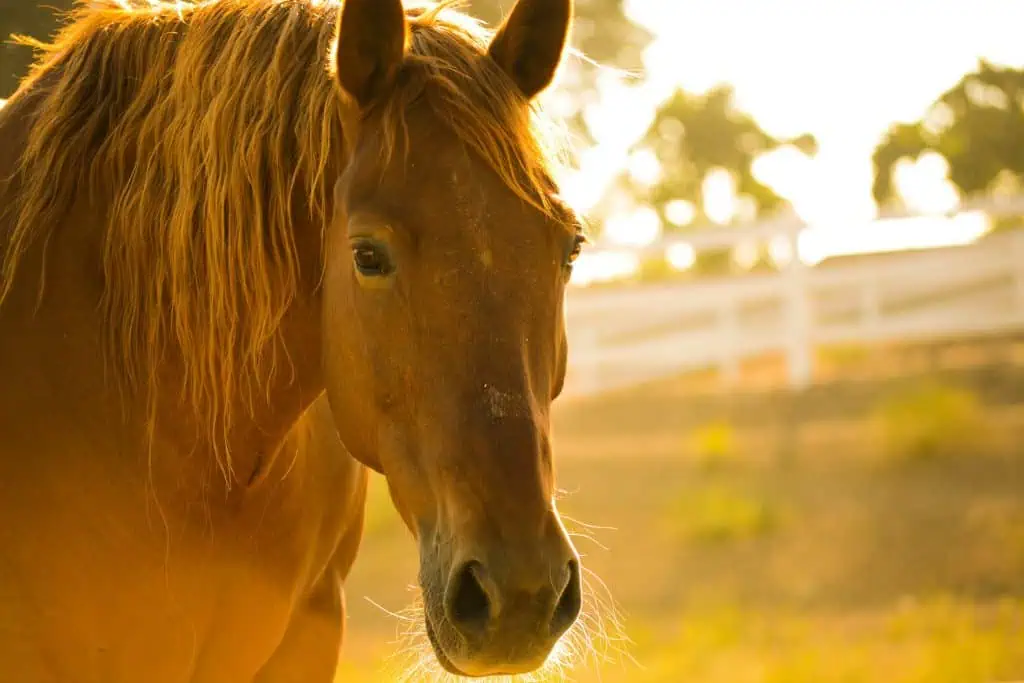
Preparation with horse meat requires understanding a protein that holds both unique flavor and cultural sensitivity. In parts of Europe and Asia horse meat is cherished for its tender texture and lean profile, often compared to beef. In the U.S., horse slaughter for human consumption was effectively banned in 2007 when Congress blocked USDA funding for horse meat inspection, making it illegal to sell. Ethical debates around horses as companion animals further cemented its taboo.
Foie Gras: Ethics in Eating
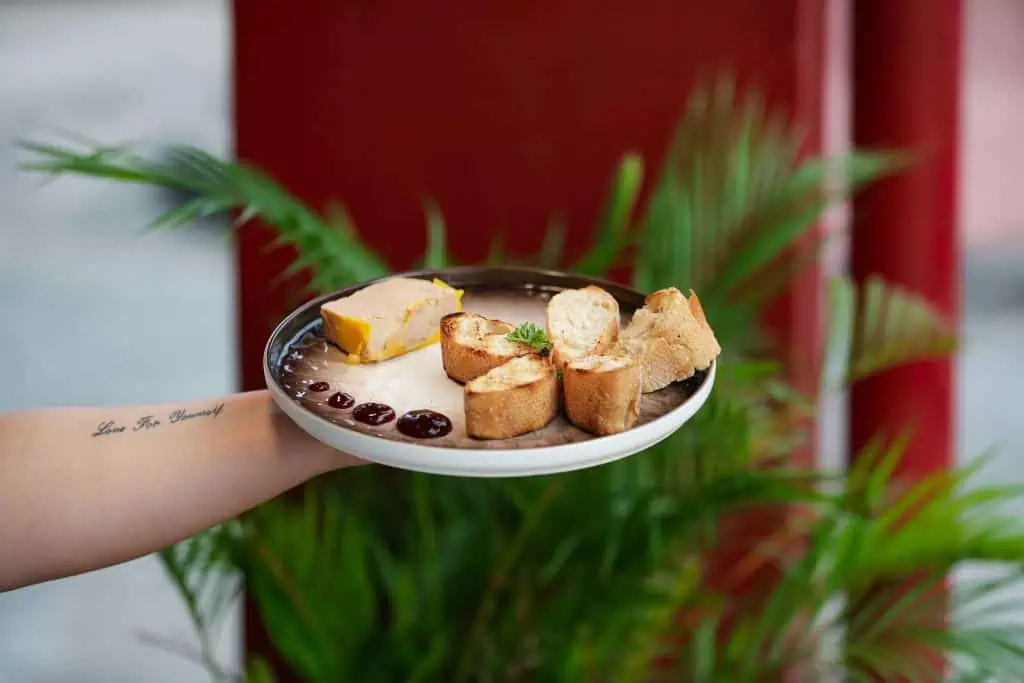
Foie gras embodies luxury but is often criticized for its production methods. It is made from the fattened liver of ducks or geese and offers a rich, buttery texture unmatched by other meats. It is banned in certain U.S. states (like California and New York City) under animal welfare laws, since its production requires force-feeding (gavage). Despite restrictions, foie gras remains a symbol of French culinary indulgence. As chefs navigate ethical considerations, seeking out humane-certified producers can balance indulgence with a mindful approach, ensuring beauty and integrity in each dish.
Mirabelle Plums: The Protected Fruit
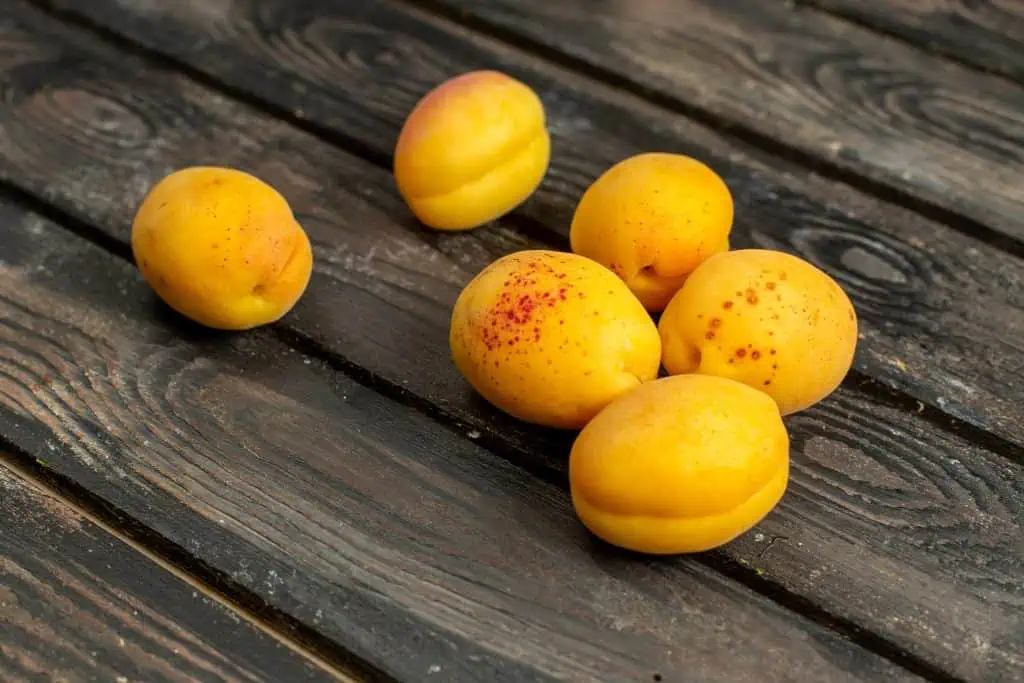
Mirabelle plums boast a sweet, honeyed taste, synonymous with French Lorraine’s culinary identity. Due to strict European protections, these gems often remain elusive in American markets. Their import is restricted under European Union Protected Geographical Indication (PGI) rules, meaning true Mirabelles can’t be exported commercially to the U.S. without special certification. Their scarcity has only heightened their allure abroad.
Queen Conch: Overharvested Treasure
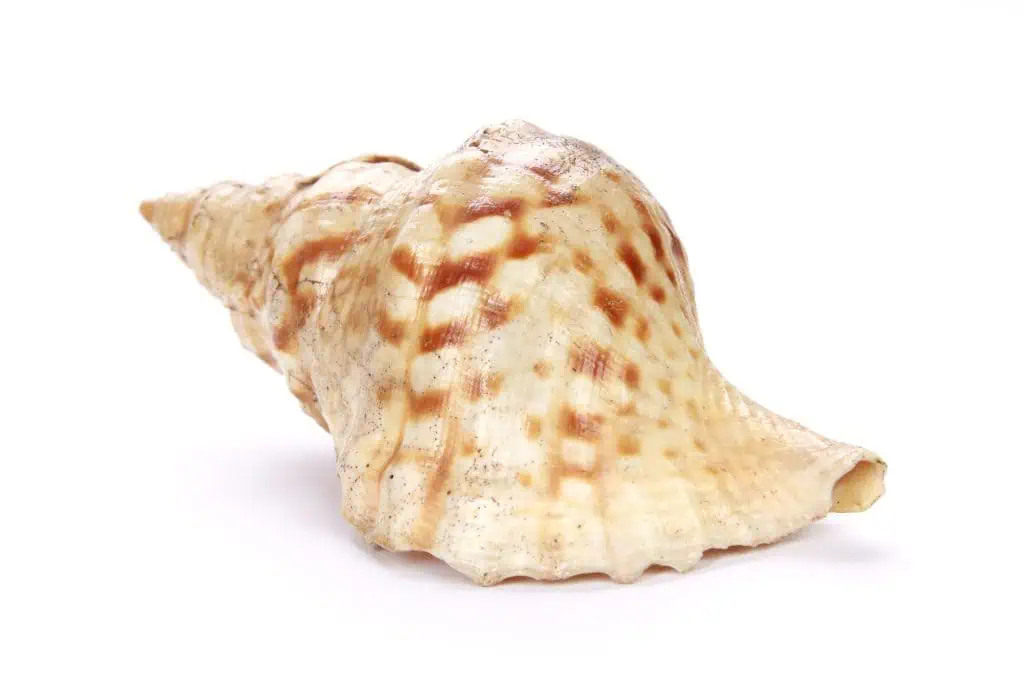
Queen conch, a staple in Caribbean cuisine, is renowned for its tender meat and sweet, subtle flavor. Overharvesting has led to stringent regulations, making it a rarity on American menus. Its import is banned under the U.S. Endangered Species Act and CITES Appendix II, which protect it from overharvesting and illegal trade. Sustainable sourcing is essential to keep conch from vanishing from both oceans and plates.
