
10 Veggies That Get Healthier When Cooked
We’ve all heard it a million times: eat your veggies. And for the most part, raw is great. Crunchy carrots, fresh spinach salads, snap peas straight from the bag—delicious. But here’s the thing that might surprise you: some vegetables are actually healthier when you cook them. Yep, you read that right. Cooking can unlock nutrients that your body couldn’t access when they were raw. Take tomatoes—heat releases lycopene, a powerful antioxidant that’s great for your heart. Spinach? Cooking reduces oxalic acid, so your body can actually absorb more iron and calcium. Carrots, mushrooms, bell peppers, and even zucchini all become more nutritious (and often tastier) with a little heat. So go ahead and fire up that pan. You’re not ruining your veggies. You’re making them better.
So which vegetables deserve a spot in your skillet? In this article, we’re breaking down 10 veggies that are better cooked than raw—from tomatoes and spinach to asparagus, broccoli, kale, and green beans. You’ll learn simple techniques like roasting carrots to bring out their natural sweetness, sautéing mushrooms with olive oil for maximum flavor, and lightly steaming broccoli to preserve its vibrant color and crunch. We’ll also share tips for pairing cooked veggies with healthy fats (like olive oil or lemon juice) to boost nutrient absorption. No complicated recipes. Just real, practical wisdom to help you get the most out of your produce. Let’s get cooking—your body will thank you.
Tomatoes: Unlocking Lycopene
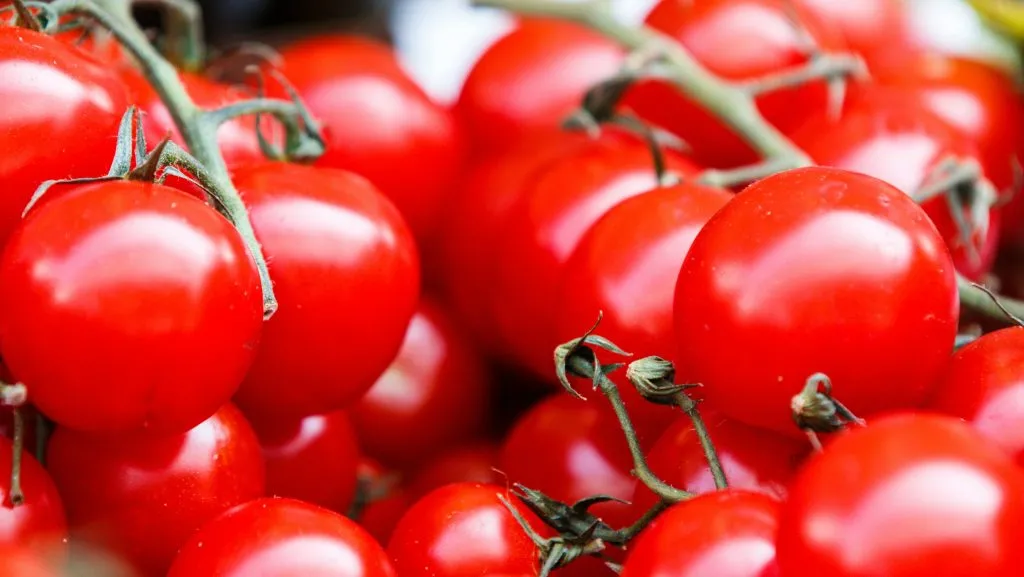
Cooking tomatoes can increase the bioavailability of lycopene, a powerful antioxidant linked to reduced risk of heart disease and cancer. Applying heat breaks down the plant cell walls, making this compound more accessible. To maximize lycopene, simmer or roast tomatoes with a touch of olive oil, which aids in nutrient absorption.
Spinach: Boosting Iron and Calcium

When spinach is cooked, oxalic acid is reduced, allowing your body to absorb more iron and calcium. Steaming or lightly sautéing spinach softens its fibrous structure, enhancing nutrient intake while maintaining its vibrant color. A sprinkle of lemon juice adds brightness and further aids in iron absorption.
Carrots: Enhanced Beta-Carotene

Cooking carrots boosts their beta-carotene content, which your body converts into vitamin A, essential for eye health and immune function. By gently steaming or roasting, you soften the carrot fibers, releasing more of this vital nutrient. Pair cooked carrots with a healthy fat like olive oil to increase absorption.
Asparagus: Activating Antioxidants

Heat elevates the levels of antioxidants such as ferulic acid in asparagus. By steaming or roasting asparagus, you break down tough cell walls, making these compounds more available. Enjoy asparagus with a drizzle of olive oil, enhancing its natural sweetness and promoting a healthy intake of its beneficial properties.
Mushrooms: Maximizing Nutrient Absorption

Cooking mushrooms enhances their nutrient profiles by breaking down their tough cell walls, allowing your body to better absorb essential compounds like potassium and B vitamins. Sautéing them with a touch of olive oil on medium heat optimizes flavor while ensuring nutrients stay intact. The process of sautéing also boosts the levels of antioxidants, such as ergothioneine. Keep the heat moderate to avoid burning, and stir frequently to ensure even cooking. Add a pinch of salt toward the end to enhance their earthy depth.
Bell Peppers: Power-Packed Nutrients

Red, yellow, and orange bell peppers become more nutritious when cooked, as heat increases their antioxidant capacity, particularly carotenoids and vitamin C. Roast or grill them to capitalize on these benefits, using high heat to char the skin slightly without losing vibrancy. This method intensifies their natural sweetness while softening the texture, making them perfect for salads or salsas. Remember to remove the seeds and inner membranes before cooking to ensure consistent tenderness.
Broccoli: Better Fiber and Nutrition

Cooking broccoli helps break down fibrous structures, making its nutrients more accessible. Methods like steaming on low heat preserve its vitamin and mineral content, with particular emphasis on sulforaphane, known for its potential health benefits. Add a squeeze of lemon or a sprinkle of parmesan to enhance taste while keeping nutrient loss minimal. Steaming also maintains its vibrant green color and satisfying crunch, making it an appealing addition to various dishes.
Kale: Easier Digestion Benefits
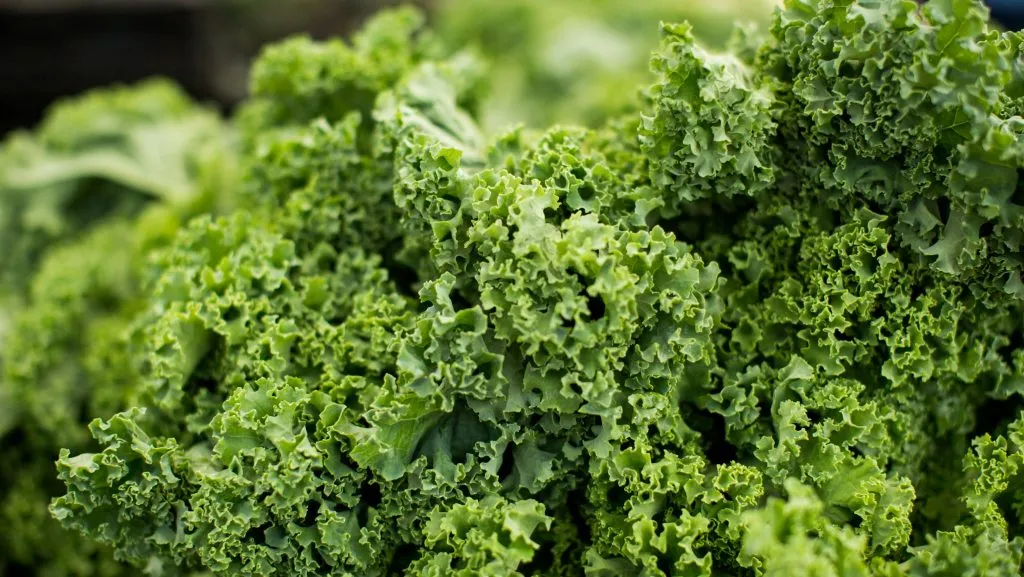
Cooking kale aids in breaking down its fibrous texture and reduces oxalates, which can interfere with mineral absorption. Lightly steaming or sautéing kale improves digestibility and brings out its natural flavors. Use a garlic-infused olive oil to add depth and finish with a dash of balsamic vinegar to balance its earthy notes. Keep cooking time brief to preserve kale’s vibrant green hue and ensure it retains a pleasant chewiness, perfect for a nutritive side dish.
Green Beans: Heightened Inhibitory Properties
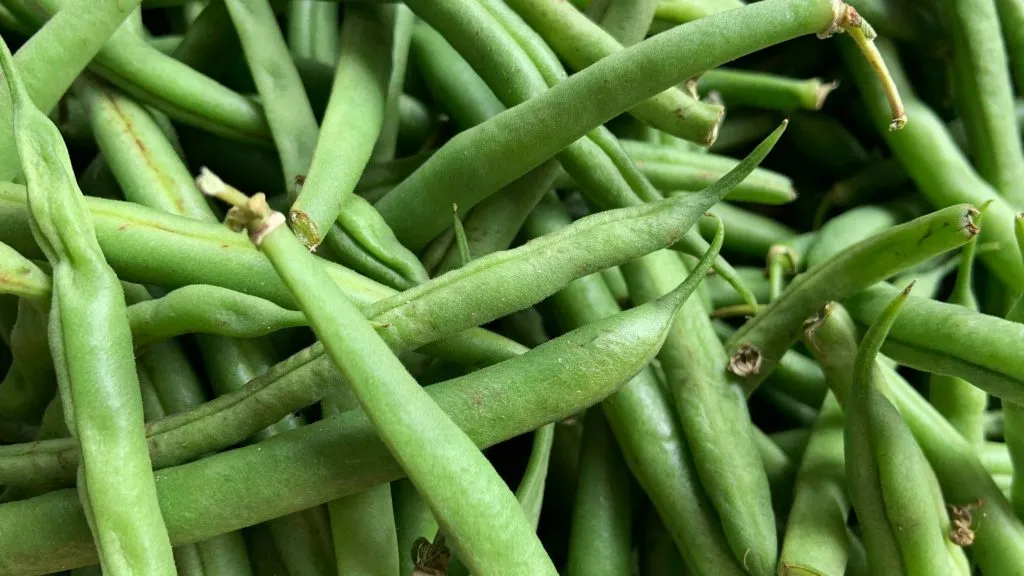
Green beans benefit from brief cooking, which can inhibit compounds that interfere with nutrient absorption. Blanch them quickly in boiling water, then shock in ice water to retain their crisp texture and bright color. This method softens their fibrous shell and amplifies their fresh, mild flavor. Drizzle with lemon zest and a handful of toasted almonds for added crunch and complementary taste. A quick stir-fry with garlic and soy sauce also works well, enhancing their savory profile.
Zucchini: More Accessible Antioxidants

Cooking zucchini enhances its antioxidant properties, notably lutein and zeaxanthin. Start by slicing zucchini into even rounds for uniform cooking. A quick sauté with olive oil over medium heat preserves its delicate texture while intensifying flavor. Add a pinch of salt to draw out moisture and enhance taste. Avoid overcrowding the pan, ensuring each piece cooks evenly. Light heat brings out zucchini’s potential, making its nutrients more accessible and enriching this versatile vegetable’s natural sweetness.
