
4 Everyday Foods You Should Never Refrigerate
Understanding how to store your ingredients correctly can elevate your cooking and preserve flavor. Refrigeration might seem like a go-to for extending the life of many foods, but some items thrive better at room temperature. Avoid the common mistake of refrigerating these everyday foods to maintain their optimum taste and texture. This guide will help you identify which household staples fare better outside the fridge, ensuring your dishes benefit from their natural qualities.
Garlic: Flavor Fades Away

Garlic is best stored in a cool, dry place rather than in the refrigerator. Cold temperatures can alter its complex flavor profile, causing cloves to become rubbery and lose their signature pungency. Scientifically, refrigeration triggers sprouting and increases enzymatic activity, which reduces allicin, the compound responsible for garlic’s aroma and health benefits. Instead, keep garlic heads whole in a well-ventilated container to allow air circulation. This storage method helps preserve the garlic’s oils, which are crucial for imparting depth and richness to your culinary creations.
Potatoes: Starch Shifts
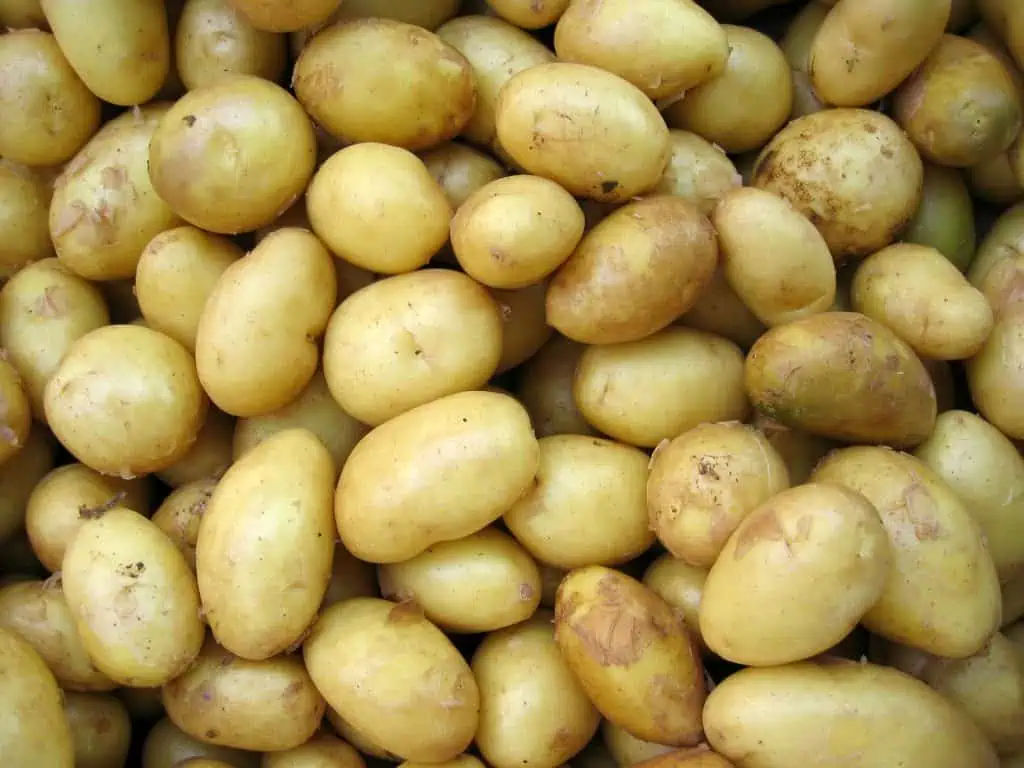
Refrigerating potatoes causes their starch to convert to sugar more rapidly, resulting in an overly sweet taste and an undesirable gritty texture upon cooking. This process, known as “cold-induced sweetening,” also leads to higher levels of acrylamide (a potentially harmful chemical) when potatoes are fried or roasted. Store potatoes in a dark, cool environment, like a pantry or cellar, to maintain their ideal starch structure. This approach ensures your potatoes taste earthy and cook to a fluffy consistency, ideal for mashing or frying.
Onions: Texture Spoils

Onions should be kept in a well-ventilated space, as refrigeration promotes moisture and texture loss, leading to sogginess and an off-flavor. Cold and humid conditions accelerate the breakdown of onion cell walls, making them watery and more prone to mold growth. Store them in a wire basket or mesh bag to allow airflow, preventing mold and softening. By maintaining their natural crispness, onions will enhance your dishes with their sharpness and sweetness, perfect for sautés and salads alike.
Bananas: Ripening Halts
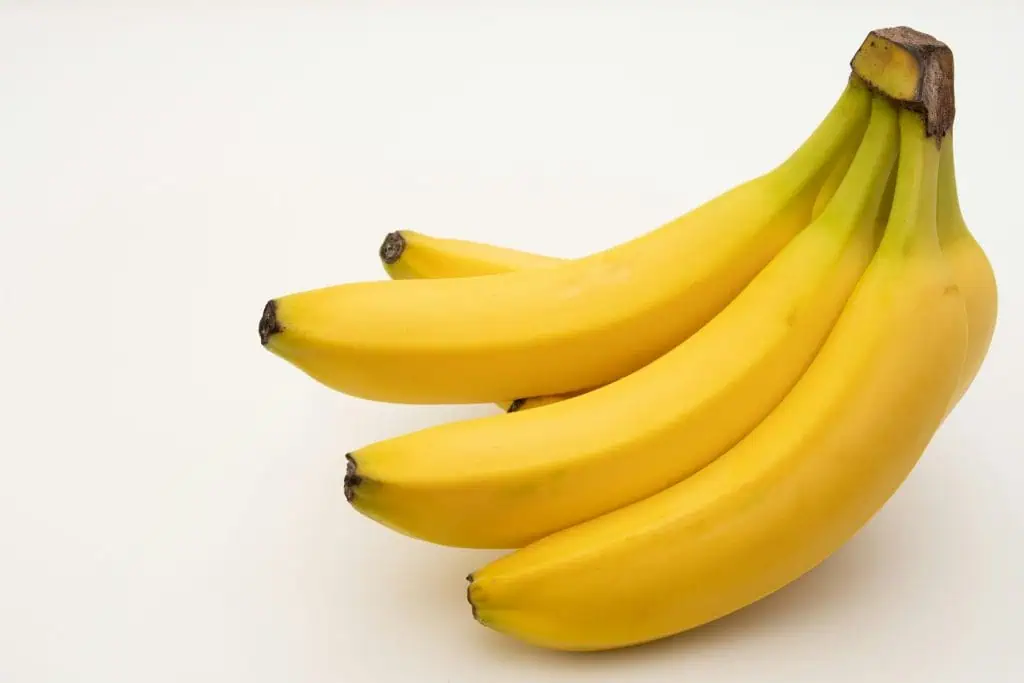
Bananas need room temperature to ripen properly, a process that develops their sugars and unique texture. Refrigeration interrupts this natural progression, causing the fruit’s exterior to darken while leaving the inside unripe. Scientifically, cold storage inactivates enzymes like amylase and pectinase, which are essential for converting starch to sugar and softening the banana’s flesh. To encourage even ripening, keep bananas clustered together on the counter. This allows you to enjoy their full sweetness and softness, essential for smoothies and baking.
