
8 Kidney-Friendly Protein Sources You Can Enjoy Safely
Eating well with kidney disease doesn't mean sacrificing flavor or variety—it's about making informed choices. For those managing kidney health, getting enough protein while keeping phosphorus and sodium in check can feel like a balancing act. But here's the good news: there are plenty of delicious, protein-rich options that are gentle on the kidneys and easy to incorporate into your daily meals. From versatile egg whites and lean chicken breast to heart-healthy fish and plant-based powerhouses like tofu and quinoa, these eight foods offer the nutrition you need without overloading your system. The key is knowing which proteins work best, how to prepare them, and how to build satisfying meals around them!
Ready to discover kidney-friendly proteins that actually taste great? We're talking about light and fluffy egg whites that can be scrambled, poached, or folded into omelets with fresh herbs. Lean skinless chicken breast, marinated in lemon and olive oil, grills up tender and juicy. For seafood lovers, cod and sole are excellent low-phosphorus options that shine with a simple lemon-dill seasoning. And don't overlook Greek yogurt, cottage cheese, and tofu—each offering creamy texture and versatility in both savory and sweet dishes. Quinoa rounds out the list as a complete plant-based protein that pairs beautifully with roasted vegetables. With these options and smart cooking techniques—like using herbs and citrus for flavor instead of salt—you can enjoy satisfying, kidney-conscious meals that support your health and delight your taste buds!
Wholesome Egg Whites
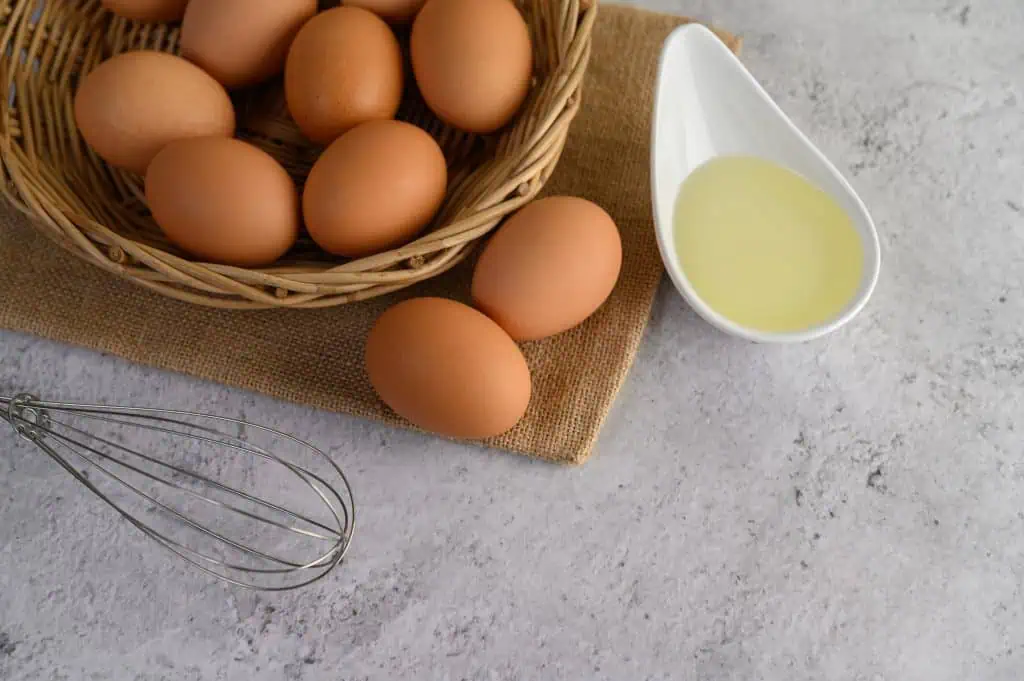
Egg whites offer a versatile, low-phosphorus protein option, critical for kidney health. Separate the whites and whisk them to create fluffy scrambles or fold them gently into omelets for a light texture. One large egg white contains about 3.6 grams of protein (33g serving). Pair with herbs like chives or basil for added flavor without extra sodium. They can be poached or used in soups for a silky protein boost. Always opt for fresh, high-quality eggs to ensure the best results.
Lean Skinless Chicken Breast

The perfect balance of tenderness and lean protein lies in skinless chicken breast. Lean Skinless Chicken Breast contains about 26 grams of protein per 3-ounce (85g) cooked serving. Marinate in lemon juice and olive oil to keep the meat moist while enhancing its natural flavors. Grill, bake, or sauté until just done to prevent dryness. Incorporate herbs like thyme or rosemary, which complement the subtle taste without overwhelming it. Frequent trimming to maintain healthy portion sizes is advisable.
Heart-Healthy Fish

Fish such as cod and sole are excellent sources of protein with low phosphorus content, ideal for kidney-conscious diets. Fish (cod/sole) contains about 20 grams of protein per 3-ounce (85g) cooked serving. Select fillets and season lightly with lemon and dill for a bright, refreshing taste. Baking or steaming are preferred methods to preserve moisture and flavor. Experiment with simple sauces using low-sodium stock or citrus, avoiding heavy coloration or overcooking to maintain delicate textures.
Nutrient-Rich Lean Beef
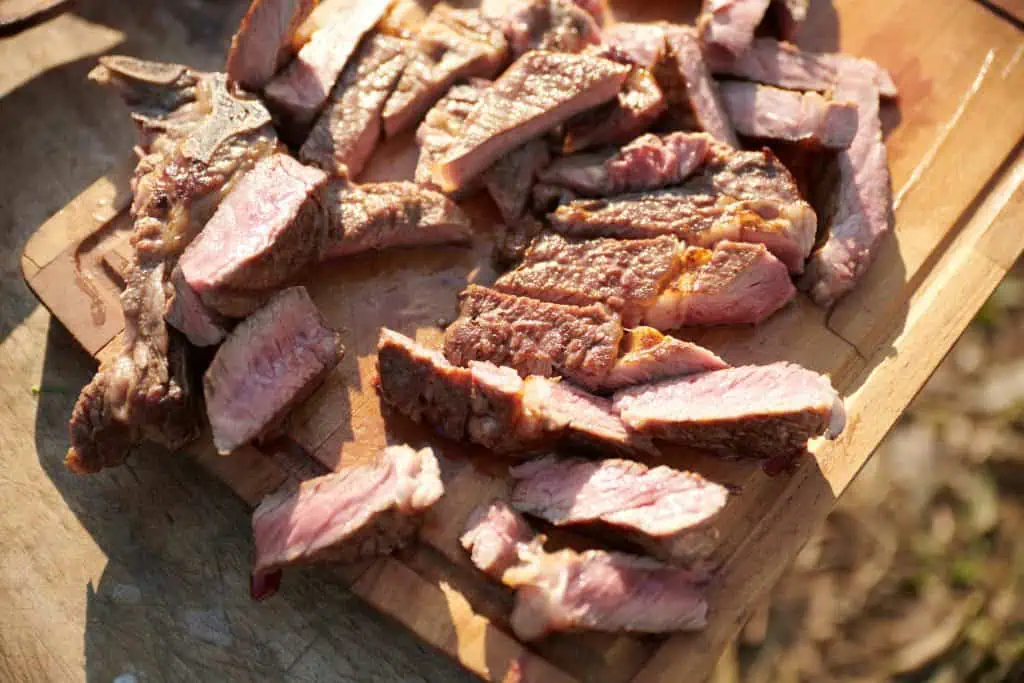
Lean cuts of beef like sirloin or tenderloin offer robust flavors with manageable levels of phosphorus when consumed in moderation. Nutrient-Rich Lean Beef contains about 22 grams of protein per 3-ounce (85g) cooked serving. Marinate in garlic and olive oil for tenderness and an aromatic profile. Opt for methods like broiling or grilling to achieve a juicy interior and appealing sear. Thinly slice across the grain for enhanced tenderness, and accompany with kidney-friendly sides to complete the meal.
Cool and Creamy Greek Yogurt

Greek yogurt is a kidney-friendly option rich in protein, calcium, and probiotics. Creamy Yogurt contains about 10 grams of protein per ¾ cup (170g) serving (nonfat, plain). Choose unsweetened varieties to control sugar intake and incorporate it into your meals by adding fresh fruits or a sprinkle of cinnamon. The crucial step is to look for low-phosphorus options. You can enhance its flavor without compromising kidney health by mixing in herbs for a savory twist or a dash of honey for sweetness. This creamy delight offers a smooth texture and serves as a suitable snack or a base for smoothies.
Versatile Tofu Options

Tofu stands out as a versatile plant-based protein that is easy on the kidneys. Tofu contains about 8 grams of protein per 3-ounce (85g) serving of firm tofu. Opt for firm tofu when you need a substitute for meat in stir-fries or baked dishes; its texture holds up well to these methods. Soft tofu is perfect for blending into smoothies or soups, providing a creamy consistency. Marinating tofu enhances its flavor profile, consider soy sauce with a ginger-garlic infusion for complexity. Ensure it's seasoned well overnight, increasing its depth and complementing various cuisines from Asian to Mediterranean.
Protein-Packed Cottage Cheese

Cottage cheese offers a low-phosphorus, high-protein choice that supports kidney health. Cottage Cheese contains about 14 grams of protein per ½ cup (113g) serving (low-fat). When selecting, opt for low-sodium versions to compensate for daily dietary restrictions. The curds provide a delightful texture that pairs well with fruits like peaches or berries, enhancing its natural tang. Incorporate it into omelets or salads for a protein boost. Additionally, seasoning with black pepper and chives introduces a savory note, making it versatile enough for breakfast or a light dinner. Balance is key with each serving tailored to dietary limits.
Quinoa: The Super Seed
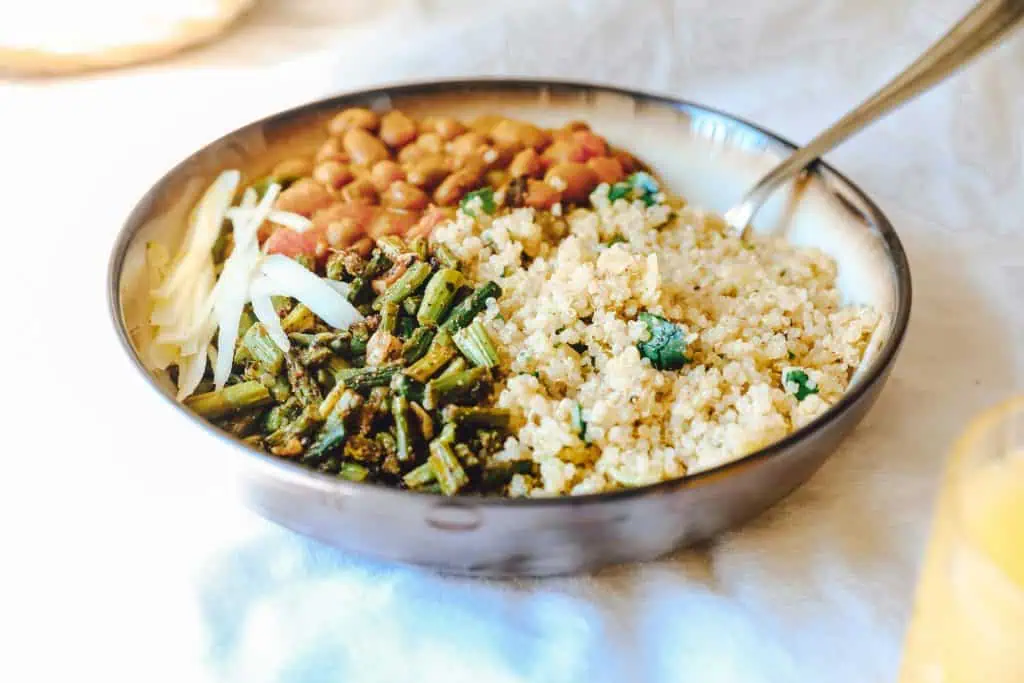
Quinoa, a complete protein, is an excellent choice for those seeking nutrient density. Rinse it thoroughly to remove the natural saponins, which can impart bitterness. Use it as a base for salads or as an alternative to rice in various dishes. This Super Seed contains about 8 grams of protein per 1 cup (185g) cooked quinoa. With its slight nutty flavor, quinoa pairs well with roasted vegetables and lean proteins. Toasting it lightly before boiling can enhance its characteristic flavor. Ensure it’s cooked until fluffy, absorbing flavors of herbs and spices. This versatile seed enamors with its adaptability and health benefits.
