
16 Seafood Delicacies That Are Illegal to Eat
The ocean has always inspired culinary curiosity rare fish, exotic shellfish, and regional delicacies once graced tables around the world. But environmental laws, overfishing, and health risks have turned many of these dishes into forbidden fare. Some were banned to protect endangered species; others proved simply too dangerous to eat. From prized fins to poisonous fish, here are sixteen seafood delicacies you can no longer legally order and the reasons they vanished from menus.
Beluga Caviar
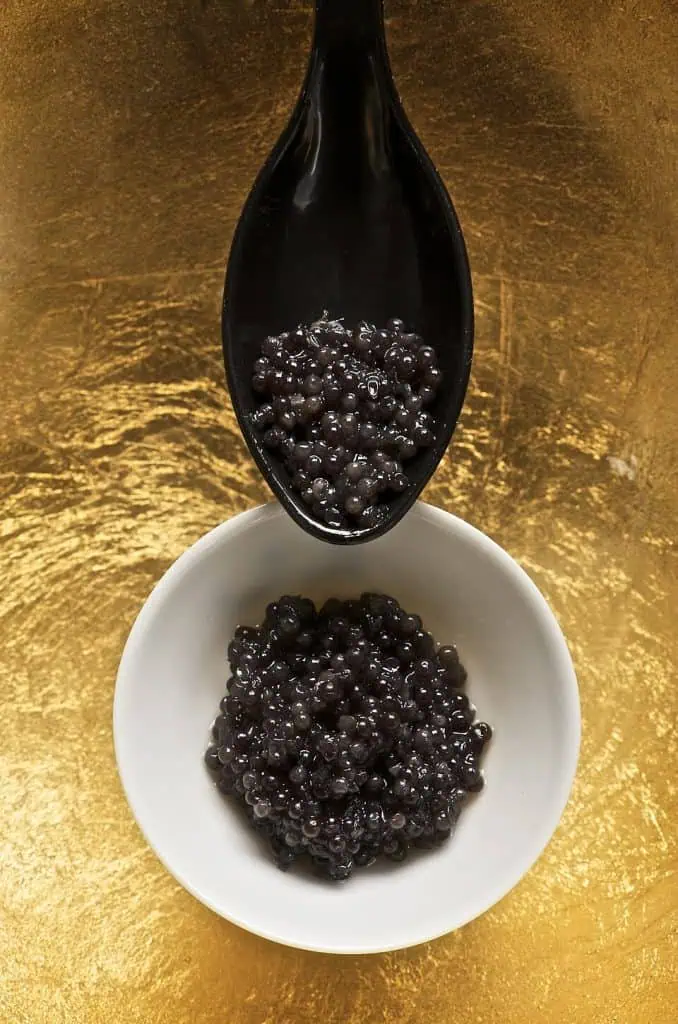
This prized sturgeon roe was once the height of luxury dining. But overfishing and habitat destruction pushed the beluga sturgeon to the brink, leading to strict international trade bans under CITES. Legal imports to the U.S. and many other countries remain prohibited, with only farmed alternatives allowed.
Bluefin Tuna (Certain Populations)

Highly sought after for sushi and sashimi, bluefin tuna has faced devastating overfishing. Some regional populations are now protected under international law. Restaurants caught serving illegally sourced bluefin can face heavy fines, as sustainability efforts work to save one of the ocean’s most endangered giants.
Whale Meat

Whale meat was once a traditional dish in several countries, but international bans on commercial whaling have made it illegal in most parts of the world. Beyond conservation concerns, ethical issues, and global treaties now classify whale-based dishes as contraband nearly everywhere except in a few tightly regulated nations.
Shark Fin Soup
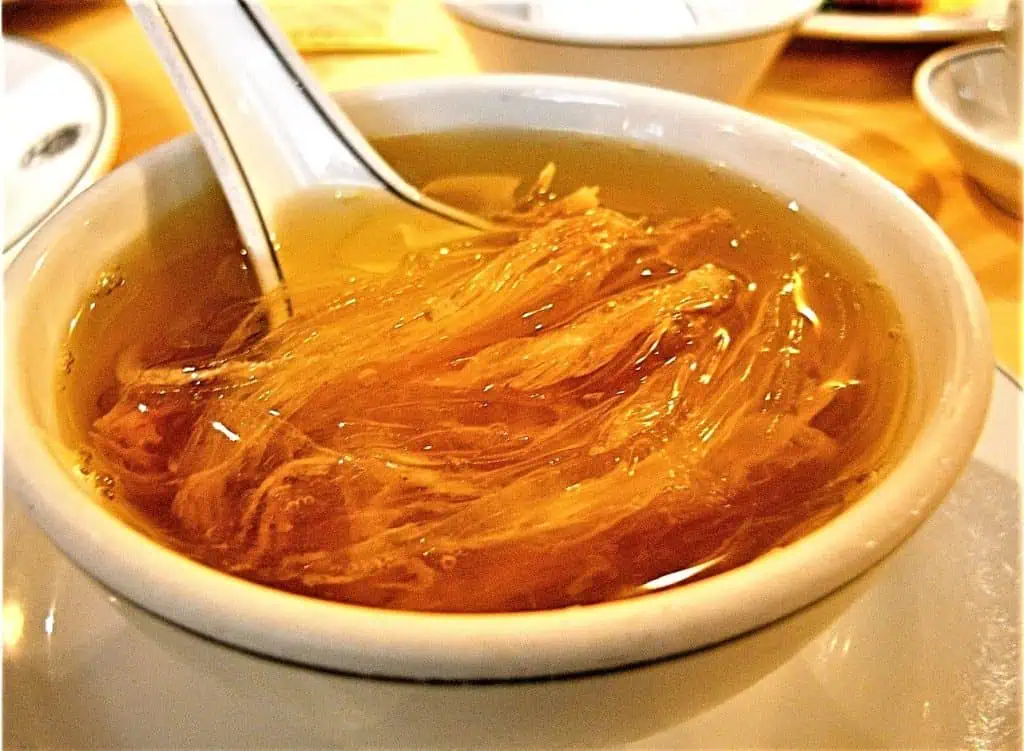
Long considered a delicacy at Chinese banquets, shark fin soup has been banned in many regions due to cruel finning practices that devastate shark populations. The fins are often cut off live sharks, which are then discarded. Conservation laws now prohibit possession or sale in much of the U.S., Canada, and Europe.
Giant Clam
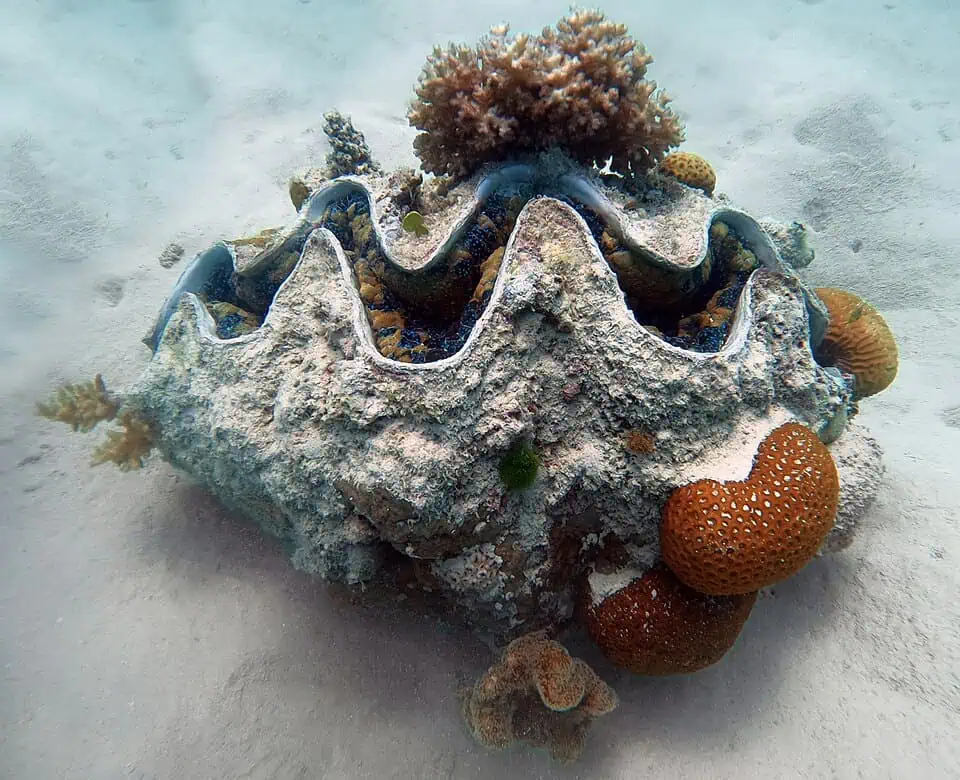
Found in tropical reefs, giant clams can live over a century and grow up to 500 pounds. Their popularity as a delicacy and decorative shell source led to mass harvesting, landing them on the endangered species list. International trade and consumption are now strictly forbidden under wildlife protection laws.
Sea Turtle Soup

Once a luxury dish in parts of Asia and the Caribbean, sea turtle meat and soup are now banned globally due to species endangerment. All seven species of sea turtle are protected under international law. Consuming or trading their meat carries heavy penalties.
Fugu (Improperly Prepared Pufferfish)
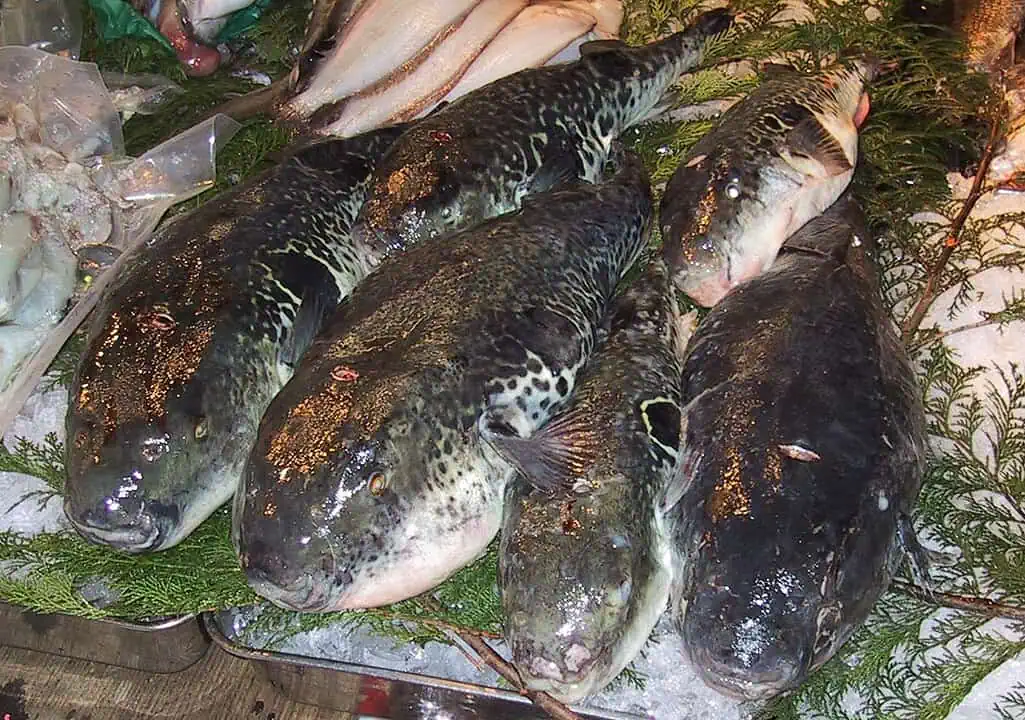
In Japan, fugu is a high-stakes delicacy prepared only by licensed chefs. The fish’s organs contain lethal tetrodotoxin, and preparing it without certification is illegal. Every year, a few daring amateurs ignore the rules and risk fatal consequences
Nassau Grouper

This Caribbean fish was once celebrated for its rich flavor but became so overfished that governments across the region banned its harvest during spawning season or entirely. Today, catching or selling it in many areas is punishable by law, as conservationists try to rebuild dwindling populations.
Totoaba

Closely related to the croaker family, the totoaba is prized for its swim bladder, used in traditional Chinese cuisine and medicine. Illegal trade has driven it near extinction, while the fishing methods also endanger vaquitas, small porpoises often caught in the same nets. The dish is banned worldwide.
Atlantic Goliath Grouper

Once a trophy fish and restaurant favorite, this massive reef dweller was nearly wiped out by overfishing. Strict bans now protect it in U.S. waters and other regions. Despite occasional black-market catches, serving Goliath grouper remains a federal offense with steep fines.
Abalone (Wild-Caught)

Wild abalone harvesting is illegal in many places due to poaching and collapsing populations. The mollusk’s pearlescent shell and tender flesh made it a luxury item in Asian cuisine, but today, only farmed abalone can be sold legally. Poaching operations continue to threaten the species.
Red Snapper (Unregulated Catches)

Red snapper is legal when properly caught, but unregulated and mislabeled harvests led to temporary bans and strict quotas. Overfishing and illegal imports remain issues. Enforcement ensures that only licensed fishers can sell it; black-market versions often violate safety and sustainability laws.
European Eel
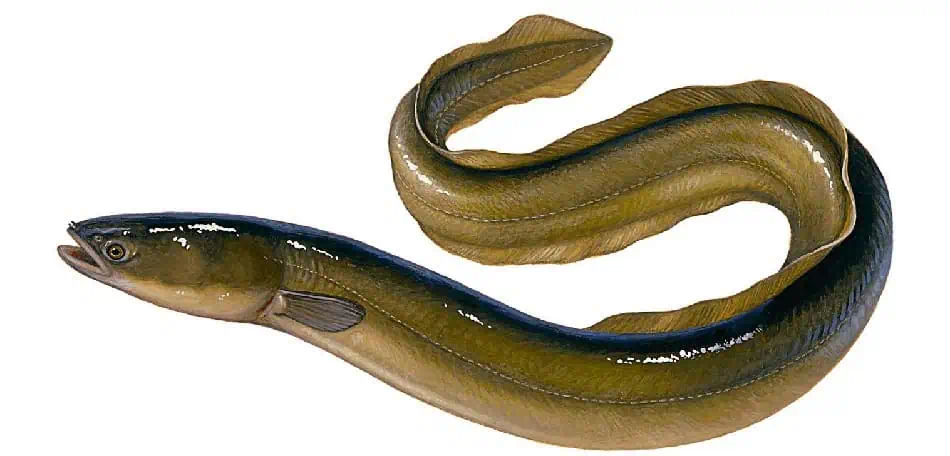
Once a delicacy in smoked, jellied, or grilled form, the European eel population has dropped by more than 90%. Strict EU trade bans now forbid exports and sales to protect the species. Smuggling operations still thrive, making it one of the world’s most trafficked illegal seafoods.
Coney Grouper
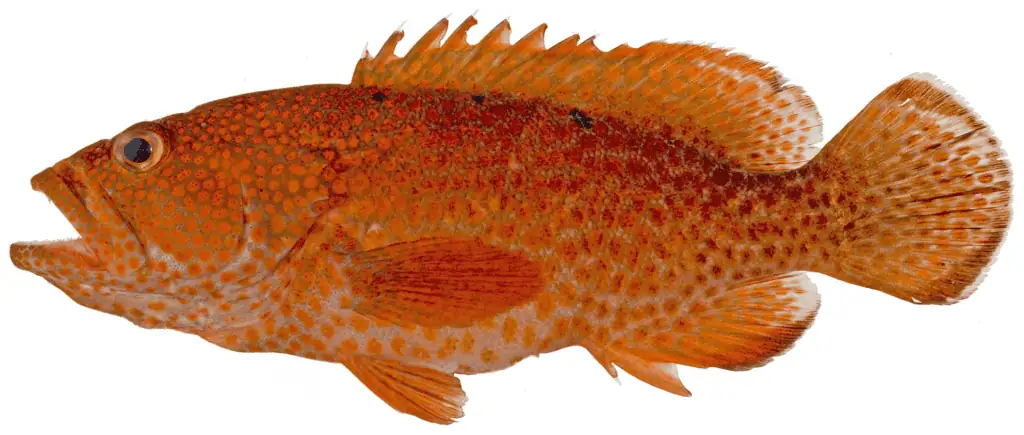
A lesser-known Caribbean species, the coney grouper, faces the same overfishing crisis as its Nassau cousin. Regional bans now prevent its harvest, though underground markets occasionally persist. Marine biologists emphasize protection to allow reef ecosystems to recover.
Hawksbill Turtle Eggs
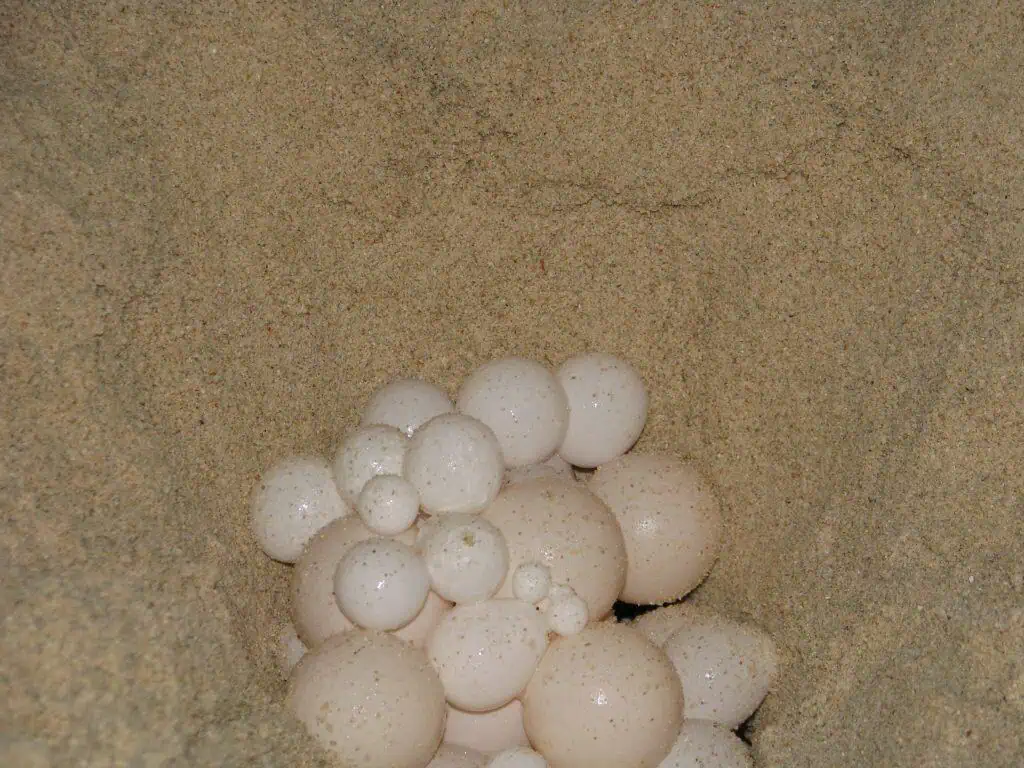
Often consumed as aphrodisiacs or delicacies, hawksbill turtle eggs are fully protected under international law. Their trade is banned due to the species’ critical endangerment and poaching threats. Conservation efforts have criminalized even small-scale possession or sale.
Dynamite-Caught Fish

In some regions, fish once caught using explosives, nicknamed “dynamite fish,” were sold locally despite ecological damage. Blast fishing is now illegal worldwide for its destruction of coral reefs and marine life. Eating such fish not only supports environmental harm but also risks contamination from chemical residues.
