
11 “Healthy” Foods Gen X Grew Up Eating That Make Younger Generations Say “Why?”
What counts as “healthy” changes with time, science, and cultural priorities. For Gen X, nutrition advice was shaped by low-fat messaging, convenience foods, and limited access to global ingredients. Many foods once promoted as smart, wholesome choices now clash with modern understandings of nutrition and taste. Younger generations, raised on ingredient transparency and fresh-food culture, often look back at these staples with disbelief. These foods weren’t eaten ironically they were genuinely encouraged, which is exactly why they spark so much confusion today.
Margarine

Margarine was aggressively marketed as a heart-healthy alternative to butter during Gen X’s childhood. Doctors, ads, and schools all reinforced the idea that replacing animal fat with margarine was responsible eating. What wasn’t discussed was the heavy processing and trans fats involved. Today, younger generations question why something so artificial has replaced a natural ingredient. The shift back toward butter makes margarine feel like a confusing relic of outdated nutritional advice.
Low-Fat Yogurt Loaded With Sugar

Low-fat yogurt was considered a perfect snack: calcium-rich, light, and kid-friendly. To compensate for lost fat, manufacturers added large amounts of sugar, often disguised as fruit flavoring. Gen X kids were told this was a healthy choice, while modern eaters see it as dessert in disguise. Younger generations, used to full-fat or unsweetened yogurt, struggle to understand how this was ever considered nutritious.
SnackWell’s Cookies

SnackWell’s cookies were a cultural phenomenon, praised for being low-fat and therefore “guilt-free.” Many Gen X households stocked them believing they were making a healthy decision. What’s jarring now is how processed and sugar-heavy they were. Younger generations often laugh at the idea that cookies simply because they lacked fat, were framed as health food. It perfectly captures the era’s misunderstanding of nutrition.
Canned Fruit in Heavy Syrup
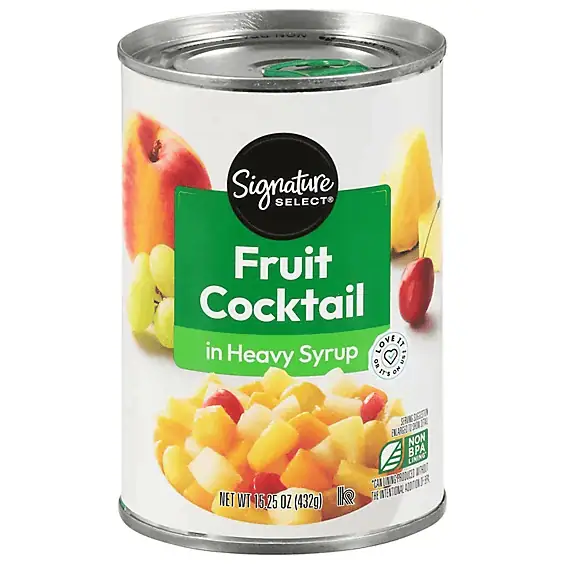
Canned fruit was widely promoted as a convenient way to get vitamins year-round. Packed in thick syrup, it was still labeled wholesome and encouraged in school lunches. Gen X kids grew up eating it without question. Younger generations, raised on fresh produce and sugar awareness, are baffled by the idea that fruit swimming in syrup counted as healthy. The disconnect feels especially stark today.
Instant Oatmeal Packets
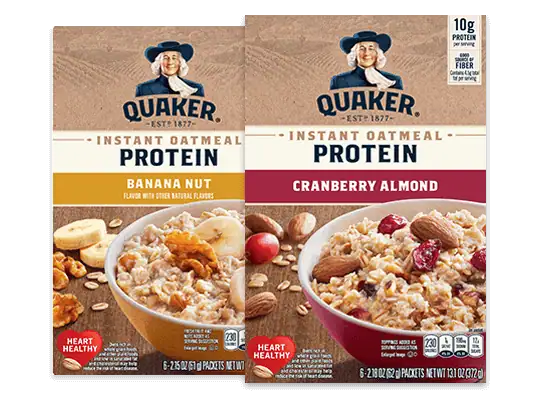
Instant oatmeal was framed as a hearty, nutritious breakfast that busy families could rely on. While oats themselves are healthy, the flavored packets Gen X grew up eating were often packed with sugar and artificial flavoring. Younger generations now favor plain oats with real toppings, making the old packets seem more like candy than breakfast. The surprise comes from how strongly they were once endorsed as a health food.
White Bread Labeled “Enriched”

White bread dominated Gen X lunches and was often promoted as fortified and nourishing. The word “enriched” reassured parents that nutrients were added back after processing. Today, younger eaters see white bread as overly refined and nutritionally weak compared to whole grains. The idea that it was once a health staple highlights how limited grain education was at the time.
TV Dinners Marketed as Balanced Meals

Frozen TV dinners were often advertised as complete, balanced meals containing protein, vegetables, and grains. For Gen X families, they symbolized convenience without guilt. Modern generations, focused on whole foods and sodium awareness, are shocked they were considered healthy. The heavy processing and preservatives clash sharply with today’s expectations of what nourishment should look like.
Gelatin Desserts

Gelatin was once praised as light, diet-friendly, and even protein-rich. Brightly colored gelatin desserts appeared regularly at family meals and were treated as responsible treats. Younger generations, more ingredient-conscious, find the artificial colors and texture unsettling. The idea that gelatin was positioned as health-conscious food now feels deeply strange.
Fruit Roll-Ups

Fruit Roll-Ups were marketed as fun snacks made from fruit, leading many Gen X kids to believe they were a healthy alternative to candy. In reality, they were mostly sugar and artificial flavoring. Younger generations raised on whole-fruit snacks are confused by how effectively branding blurred the line between candy and nutrition. The disconnect is almost comical in hindsight.
Diet Soda
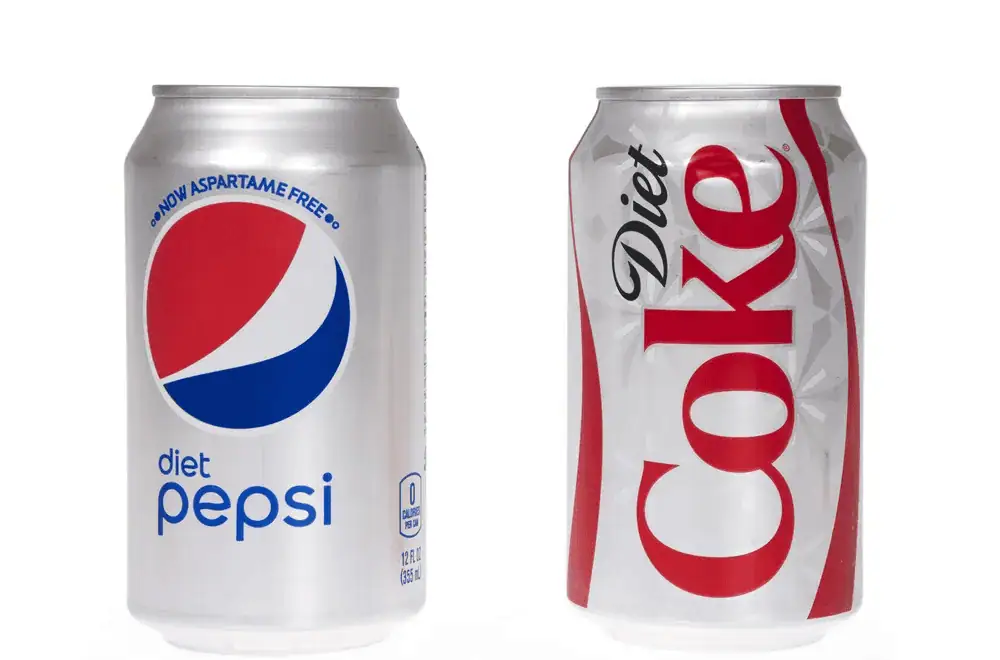
Diet soda was once seen as a smart, calorie-free alternative to regular soda. Many Gen X adults and teens drank it daily under the belief it supported weight control. Younger generations now question the heavy reliance on artificial sweeteners and chemical ingredients. The shift toward water, tea, and low-sugar drinks makes diet soda’s former health halo hard to understand.
Processed Cheese Singles

Processed cheese slices were praised for calcium content and convenience. They melted easily, lasted long, and felt modern. Gen X kids ate them daily without hesitation. Younger generations, accustomed to real cheese and shorter ingredient lists, are often shocked by how processed they are. The idea that these slices were once considered a healthy dairy choice feels almost unbelievable today.
