
13 Baking Mistakes That Completely Ruin Your Desserts
Baking is less forgiving than cooking. While savory dishes allow improvisation, desserts depend on chemistry, precision, and timing. A small mistake, such as measuring incorrectly, rushing a step, or changing temperature, can turn a promising recipe into a disappointment. Many baking failures aren’t about skill but about habits people don’t realize are working against them. Understanding these common mistakes can instantly improve results, making desserts more consistent, flavorful, and satisfying every time.
Measuring Ingredients Incorrectly

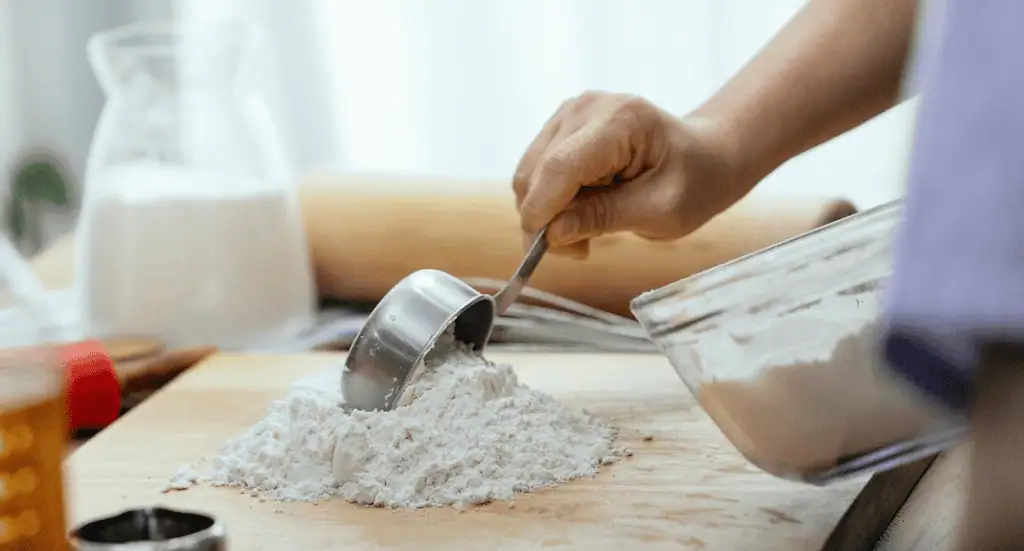
One of the fastest ways to ruin a dessert is inaccurate measuring. Scooping flour directly from the bag packs it down, adding far more than intended and leading to dense, dry baked goods. Baking relies on precise ratios, especially between dry and wet ingredients. Even small differences can affect structure and moisture. Using proper measuring techniques or better yet, a kitchen scale, ensures consistency and prevents texture problems before the batter even hits the oven.
Ignoring Ingredient Temperature
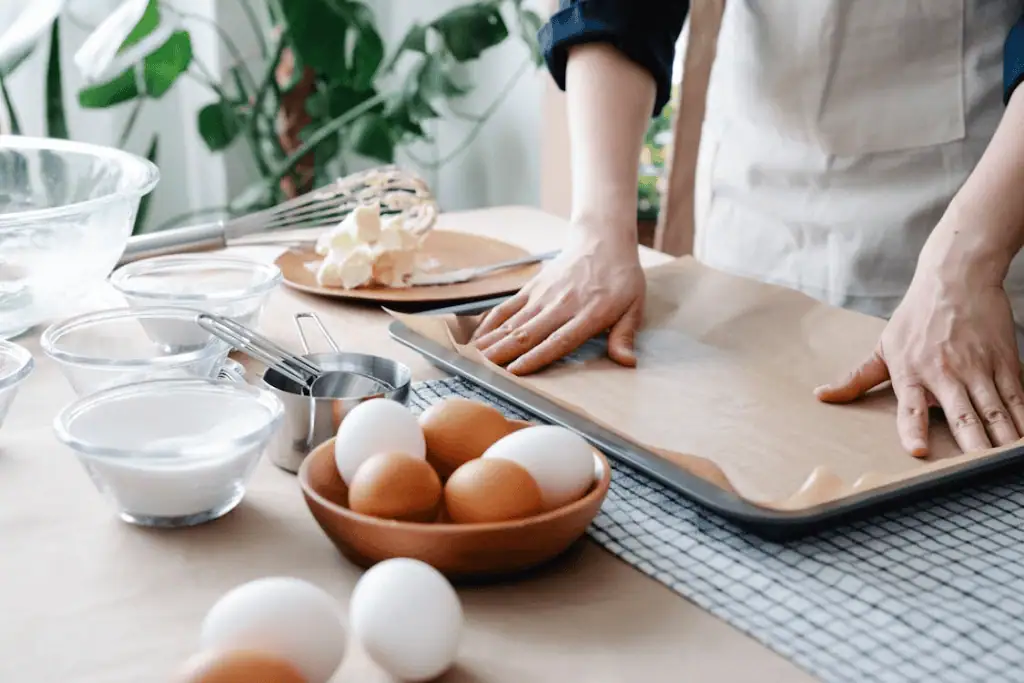
Cold butter, eggs, or dairy can prevent proper mixing and emulsification. Many recipes specify room-temperature ingredients for a reason they blend more evenly and trap air more effectively. Using cold ingredients often results in lumpy batters or uneven baking. This mistake commonly leads to flat cakes or broken emulsions. Allowing ingredients to warm slightly before baking improves structure, rise, and overall texture.
Overmixing the Batter
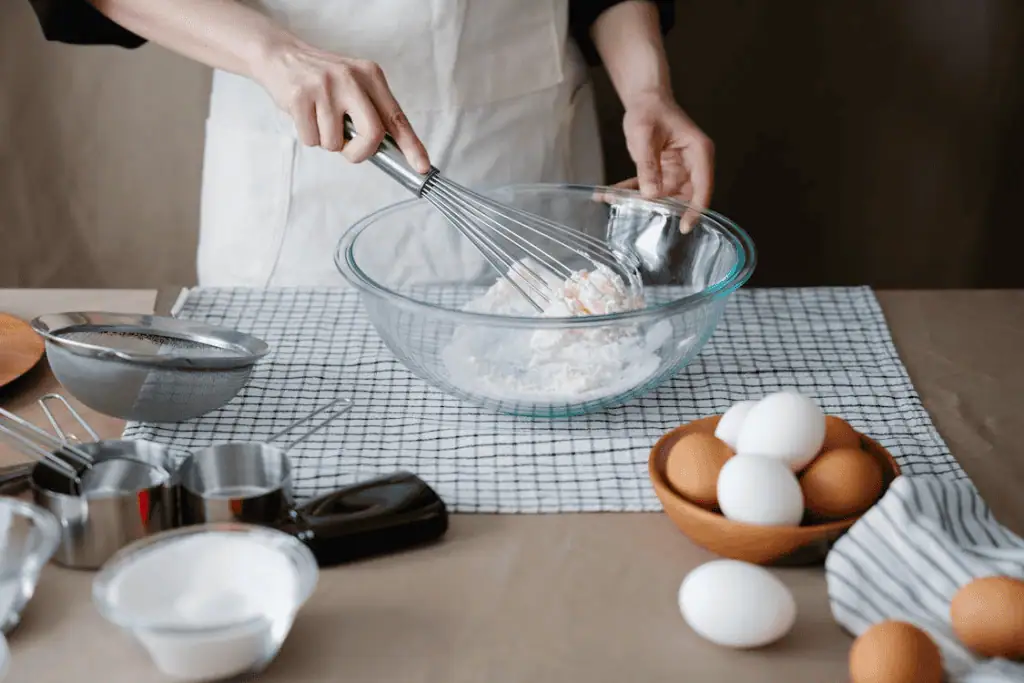
Mixing too much develops excess gluten, which turns tender desserts tough and chewy. This is especially damaging in cakes, muffins, and quick breads. Once flour is added, mixing should be gentle and brief. Overmixing eliminates air pockets needed for lift and creates dense results. Many desserts fail not because of bad ingredients, but because the batter was worked too aggressively.
Under-Preheating the Oven

Putting desserts into an oven that hasn’t fully preheated disrupts baking chemistry. Proper heat is essential for setting structure, activating leavening agents, and creating rise. A lukewarm oven causes cakes to sink, cookies to spread too much, and pastries to bake unevenly. Relying on oven lights or quick guesses leads to inconsistent results. Giving the oven enough time to fully heat is critical.
Opening the Oven Door Too Early

Peeking too soon causes temperature drops that collapse delicate structures, especially in cakes, soufflés, and cheesecakes. Sudden heat loss interrupts steam formation and air expansion. This often leads to sunken centers and uneven textures. Trust the timing given in the recipe and resist opening the door until the structure has set. Patience here protects the final result.
Substituting Ingredients Without Understanding Their Role
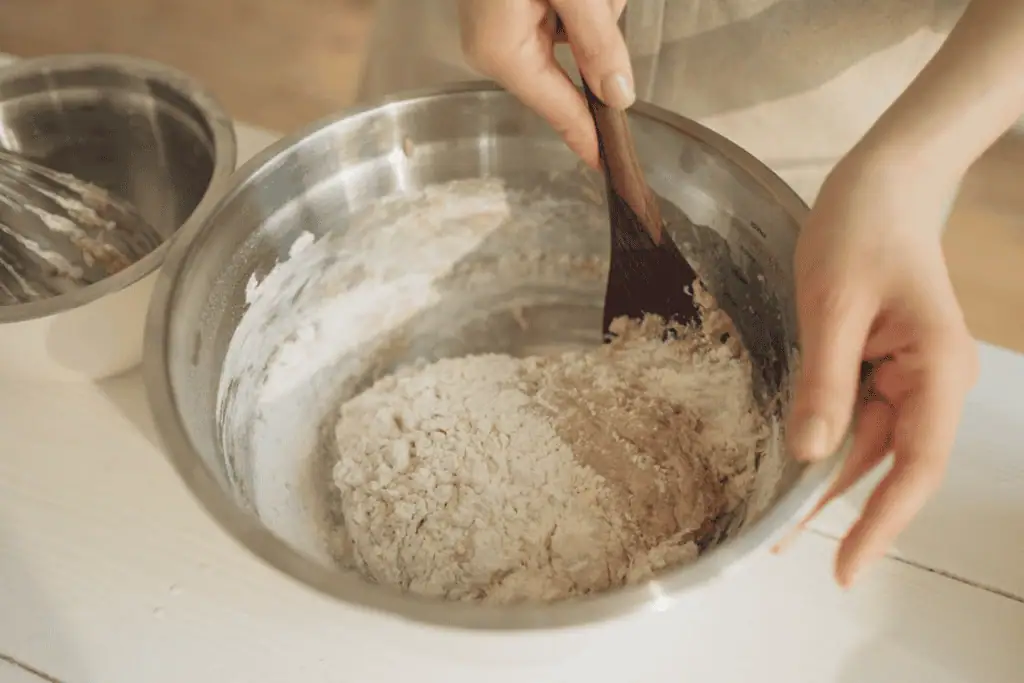
Swapping ingredients casually can derail recipes. Sugar affects moisture and browning, fat impacts tenderness, and eggs provide structure. Replacing these without adjusting other elements often leads to flat flavor or broken texture. Baking substitutions require understanding chemistry, not just taste. What works in cooking doesn’t always translate to desserts, so blind substitutions can be risky.
Using Expired Leavening Agents

Baking powder and baking soda lose potency over time. When they’re expired, desserts won’t rise properly, no matter how perfect the recipe is. This mistake often results in dense, heavy cakes and flat cookies. Many bakers overlook leavening freshness, assuming it works forever. Checking expiration dates is a simple step that prevents major disappointment.
Incorrect Pan Size or Material
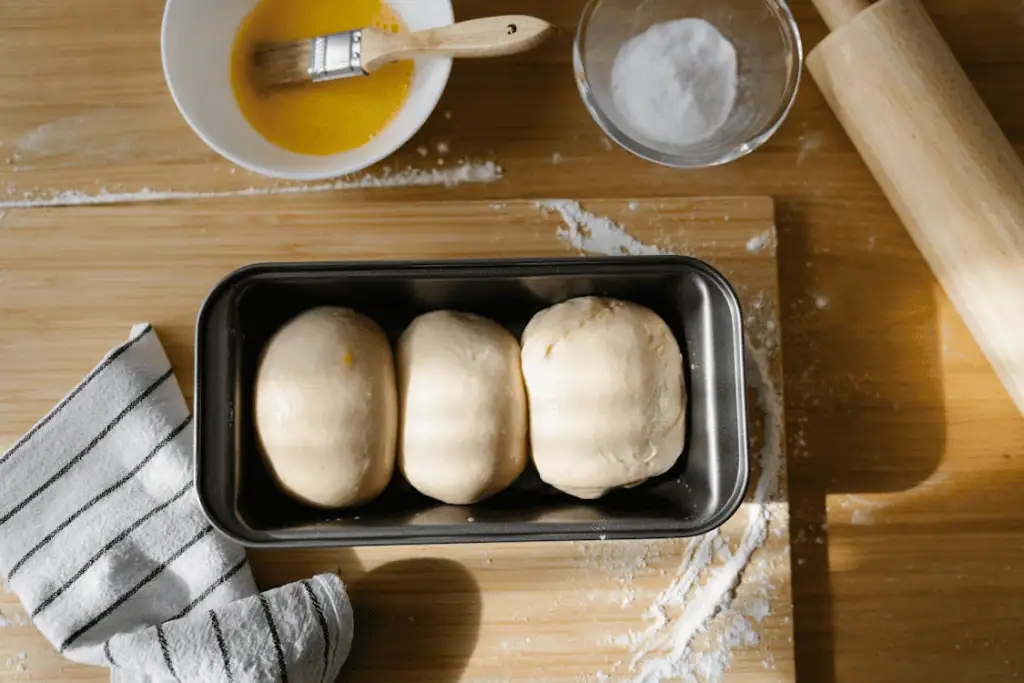
Pan size affects thickness, baking time, and heat distribution. Using a smaller pan than called for creates underbaked centers, while larger pans dry desserts out. Dark metal pans absorb more heat than light ones, changing the browning speed. Ignoring these details leads to uneven results. Matching pan specifications closely helps desserts bake as intended.
Overbaking “Just to Be Safe”

Fear of underbaking causes many desserts to be left in the oven too long. Overbaking dries cakes, toughens cookies, and dulls flavor. Desserts often continue cooking from residual heat after removal. Learning visual and tactile cues like springiness or set edges prevents unnecessary extra time. Overbaking is one of the most common causes of dry, disappointing desserts.
Skipping Proper Cooling Time
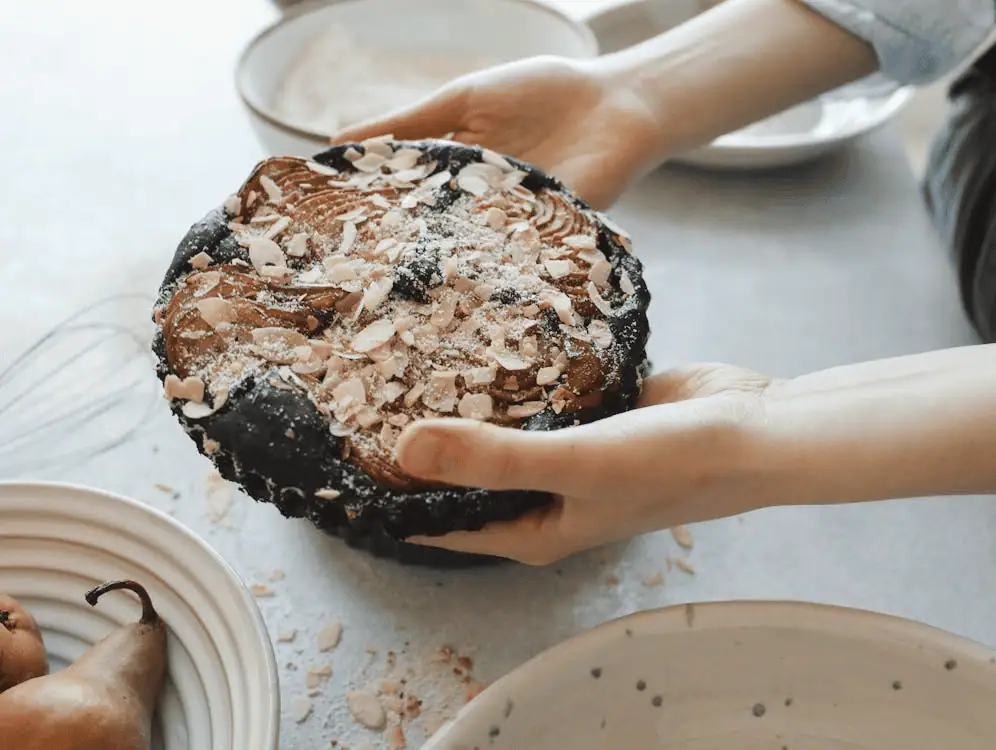
Cooling isn’t optional; it’s part of the baking process. Cutting into desserts too early causes crumbling, collapsed texture, or melted fillings. Cooling allows structure to stabilize and flavors to settle. Rushing this step ruins presentation and mouthfeel. Many desserts taste dramatically better once fully cooled, making patience a crucial ingredient.
Using Low-Quality Chocolate or Flavorings
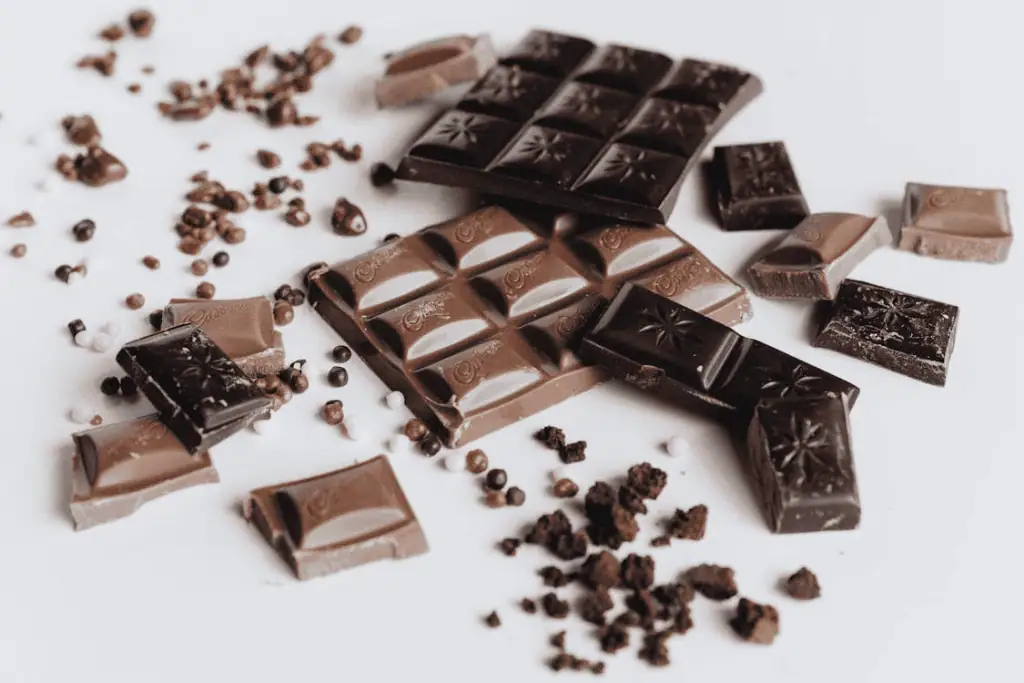
Desserts rely heavily on a few key flavors, especially chocolate and vanilla. Low-quality versions introduce bitterness or artificial aftertaste. Since baking amplifies flavors, weak ingredients become more noticeable. Upgrading even one core ingredient can dramatically improve the final dessert. Cutting corners here often leads to flat, disappointing results.
Not Adjusting for Altitude or Humidity
Environmental factors affect baking more than many realize. High altitude alters boiling points and evaporation rates, while humidity impacts flour moisture and sugar behavior. Ignoring these factors leads to unpredictable results. Slight adjustments less sugar, more liquid, or altered bake times can make a big difference. Baking blindly without environmental awareness often causes repeated failures.
Relying on Visual Cues Alone

Desserts don’t always look done when they are or vice versa. Shiny tops, pale centers, or cracked surfaces can be misleading. Using tools like toothpicks, thermometers, or gentle pressure tests provides accurate feedback. Relying only on appearance leads to under or overbaked desserts. Precision beats guesswork every time.
