
Best and Worst Nuts for Your Health, Ranked by Nutritionists
Nuts are a staple in many diets, providing a convenient source of nutrition and energy. Each type of nut offers unique health benefits, but not all nuts are created equal. By understanding their specific nutritional profiles, you can make better choices to enhance your diet. Here’s a guide to some of the best and worst nuts for your health, carefully ranked by nutritionists.
Almonds: The Nutritional Powerhouse

Almonds stand out for their high vitamin E content, essential for skin health and immune function. They are rich in fiber, which aids digestion and helps maintain a healthy weight. For optimal benefits, enjoy almonds raw or lightly roasted. To bring out their natural flavors, try toasting them at a low temperature. Remember, a small handful goes a long way, contributing to satiety and nutrient intake without overloading on calories.
Walnuts: Brain and Heart Boosters

Walnuts are lauded for their omega-3 fatty acids, supporting heart health and cognitive function. Their antioxidants play a role in reducing inflammation. Eating walnuts regularly can improve cholesterol levels. For best results, store walnuts in an airtight container to keep them fresh and prevent rancidity. Incorporate them into salads or breakfast dishes to make meals more satisfying and nutritionally complete.
Pistachios: Protein and Antioxidant Kings

Pistachios are a powerhouse of antioxidants, including lutein and zeaxanthin, which support eye health. They provide a significant amount of protein, making them an excellent snack for those looking to increase their intake. To preserve their vibrant green color and flavor, store pistachios in a cool, dark place. A portion of pistachios can be enjoyed on their own or added to dishes for a burst of texture and flavor.
Cashews: Creamy Yet Carb-Heavy

Cashews offer a creamy texture thanks to their high fat content, primarily heart-healthy monounsaturated fats. They contain essential minerals like magnesium and zinc but are higher in carbs compared to other nuts. Use them to create rich sauces or dairy alternatives. Be mindful of portion sizes to balance their carb content with other dietary needs. When cooking, toasting them lightly can enhance their natural sweetness.
Pecans: Flavor vs. Calories
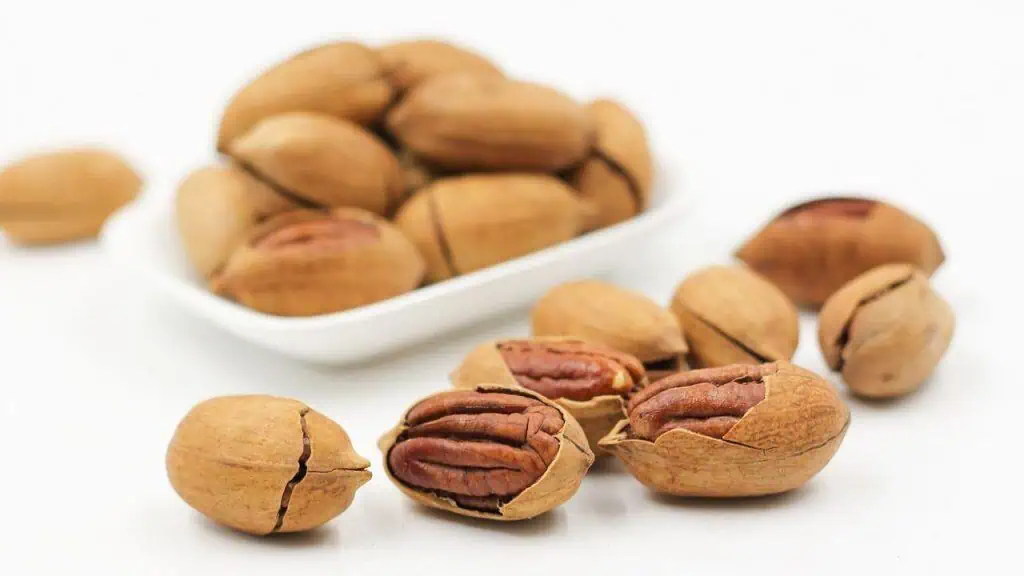
Pecans are renowned for their buttery texture and sweet flavor, making them a popular choice for both savory and sweet dishes. However, they also pack a caloric punch, delivering a higher calorie count than most nuts. With around 200 calories per ounce, they should be consumed in moderation, especially by those monitoring their caloric intake. Nevertheless, pecans offer significant nutritional benefits, including antioxidants and heart-healthy fats, making them a worthy addition to a balanced diet when enjoyed sensibly.
Macadamia: Rich in Fats, High in Calories

Macadamia nuts are renowned for their rich, creamy taste and luxurious texture. These nuts are high in monounsaturated fats, which are beneficial for heart health, but they’re also calorie-dense. With about 200 calories per ounce, macadamias are best enjoyed in small quantities. They can elevate a dish with their distinct flavor, providing a wonderful contrast to more acidic components. To make the most of their nutritional profile, use them sparingly in salads or as a garnish.
Hazelnuts: Heart’s Hidden Hero

Hazelnuts are an excellent choice for those seeking heart health benefits. Rich in unsaturated fats, these nuts help lower bad cholesterol levels. They also provide a good source of vitamin E and manganese. With their sweet, earthy flavor, hazelnuts make a delightful addition to baking and savory dishes alike. Roasting them enhances their taste, creating a more pronounced crunch. Include hazelnuts in granolas, salads, or a classic hazelnut roast to appreciate their full potential.
Brazil Nuts: Selenium Surplus

Brazil nuts shine as a powerhouse of selenium, a trace mineral essential for thyroid function and antioxidant protection. Just one to two nuts a day can fulfill your selenium needs. However, excessive consumption should be avoided due to potential selenium toxicity. These rich, creamy nuts can be used sparingly as a topping on oatmeal or blended into smoothies for a nutrient boost. Their unique flavor pairs well with tropical fruits and dark chocolate in desserts.
Pine Nuts: Costly and Omega-6 Rich

Pine nuts, harvested from pine cones, are a treasured ingredient known for their delicate, buttery flavor. They’re rich in omega-6 fatty acids and provide a healthy dose of magnesium and zinc. Despite their nutritional benefits, they’re expensive and should be used judiciously. Pine nuts shine when toasted, bringing out their unique aroma. Traditionally used in pesto, they also add depth to salads and Mediterranean dishes. Mind the portions to balance their cost and caloric content.
Candied Nuts: Sweet but Sneaky

When crafting candied nuts, balance sweetness and flavor without overshadowing the nut’s natural taste. Start by choosing fresh walnuts or pecans, known for their healthy oils and richness. Toast them lightly before coating to enhance depth.
In a nonstick skillet, gently heat sugar and water until they form a syrup, then quickly fold in the nuts, ensuring even coverage. Optionally, add a touch of cinnamon or cayenne for depth and warmth. Spread the coated nuts on parchment to cool, ensuring separation to avoid clumping. Enjoy in moderation as the added sugar can dilute nutritional benefits.
