
10 Wild West Foods Americans Are Still Obsessed With
The American Wild West may belong to history books, but its food culture never disappeared. Built around necessity, open fires, long journeys, and limited ingredients, frontier cooking created bold, comforting dishes designed to fuel hard work and survive harsh conditions. Over time, these foods became embedded in American identity, evolving into comfort foods, restaurant staples, and cultural symbols. Today, Americans may eat them in diners, barbecues, and home kitchens but their roots trace straight back to dusty trails and chuckwagons.
Beef Steak
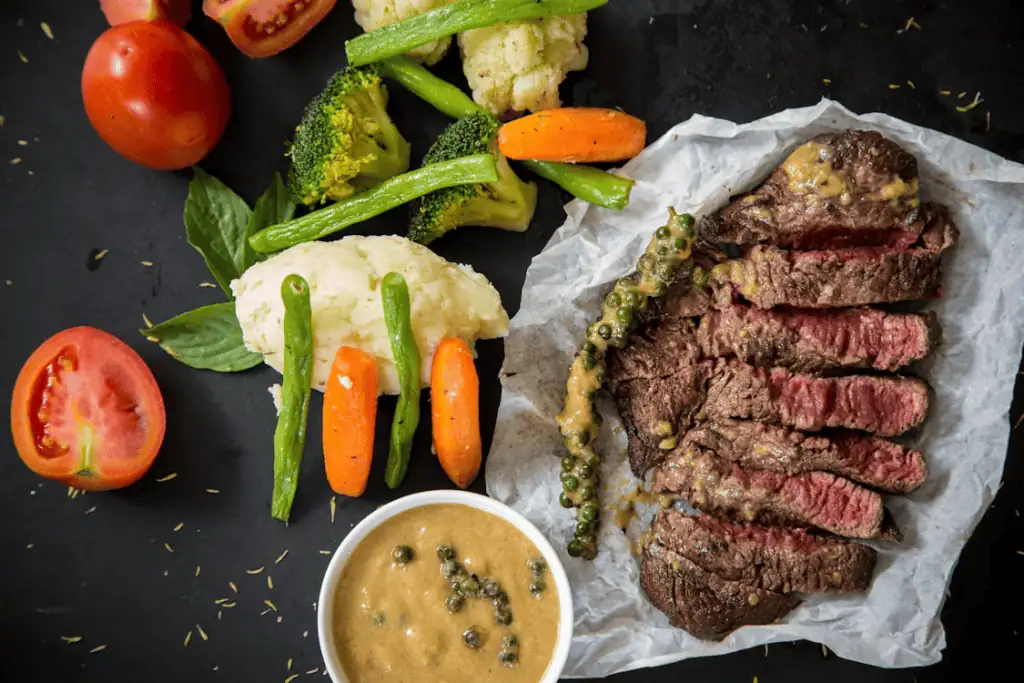
Steak became iconic in the Wild West because cattle were abundant and beef was one of the few reliable food sources on the frontier. Cowboys often cooked simple cuts over open flames with minimal seasoning, valuing protein and sustenance over refinement. That tradition lives on today in America’s deep obsession with steaks, from backyard grilling to high-end steakhouses. The emphasis on bold flavor, char, and simplicity reflects its frontier origins. Steak remains a symbol of strength, independence, and abundance rooted in Western history.
Chili

Early chili wasn’t the bean-heavy dish many know today it was a spicy meat stew designed to last, travel, and feed large groups cheaply. Cowboys, settlers, and trail workers relied on chili because it could be reheated endlessly and grew better with time. Modern Americans still crave chili for the same reasons: comfort, warmth, and bold flavor. Debates over ingredients mirror regional pride, showing how deeply chili remains tied to American identity.
Cornbread

Cornbread was a staple of frontier life because corn was cheap, easy to grow, and versatile. Baked in cast-iron pans or cooked over campfires, it paired perfectly with beans, stews, and meat. Today, cornbread remains a beloved side across the country, especially in Southern and Western cooking. Whether sweet or savory, its hearty texture and rustic flavor echo its origins as survival food turned comfort classic.
Beans (Especially Pinto Beans)
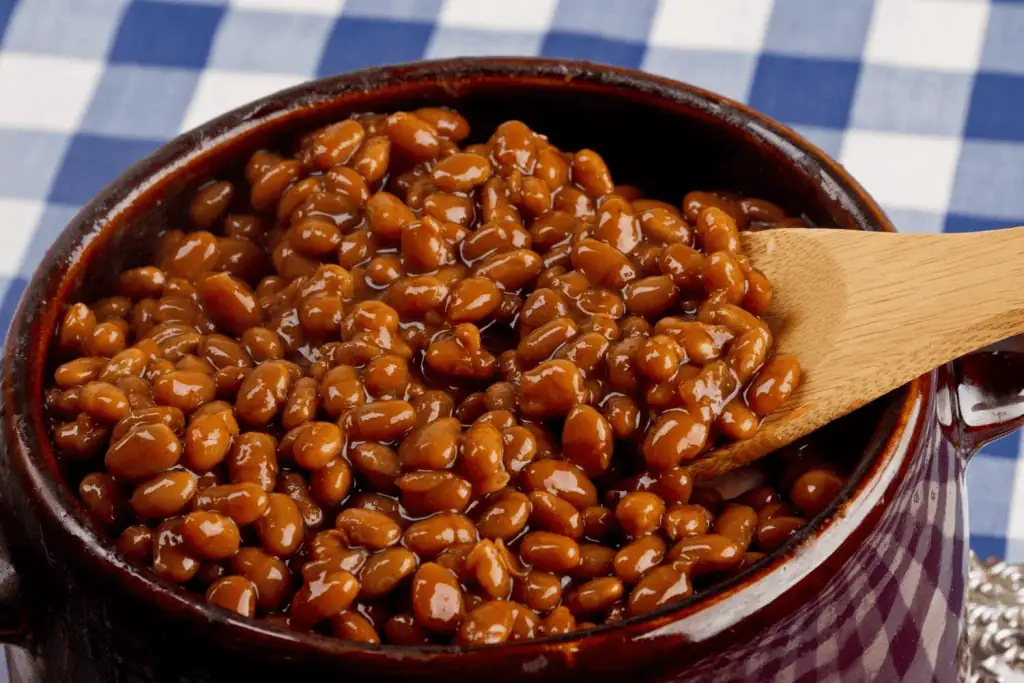
Beans were essential in the Wild West due to their long shelf life and high nutritional value. Pinto beans, in particular, became synonymous with cowboy cooking, often simmered slowly with minimal seasoning. That simplicity remains appealing today, as beans continue to anchor American comfort food, from chili to burritos to barbecue sides. Their affordability and heartiness make them timeless, connecting modern kitchens to frontier practicality.
Biscuits
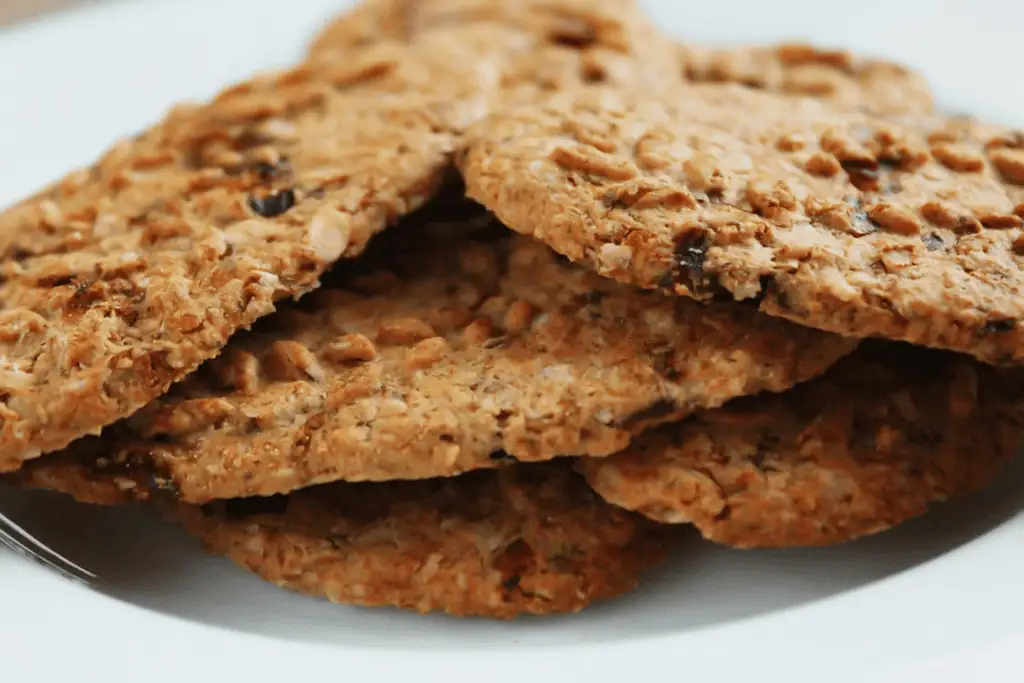
Biscuits were a frontier favorite because they required basic ingredients and cooked quickly over fire or stove. Flaky, dense, and filling, they became a reliable bread for trail meals. Modern Americans remain deeply attached to biscuits, especially when paired with gravy, butter, or jam. Their continued popularity reflects nostalgia for handmade, no-frills food that feels grounding and familiar.
Jerky
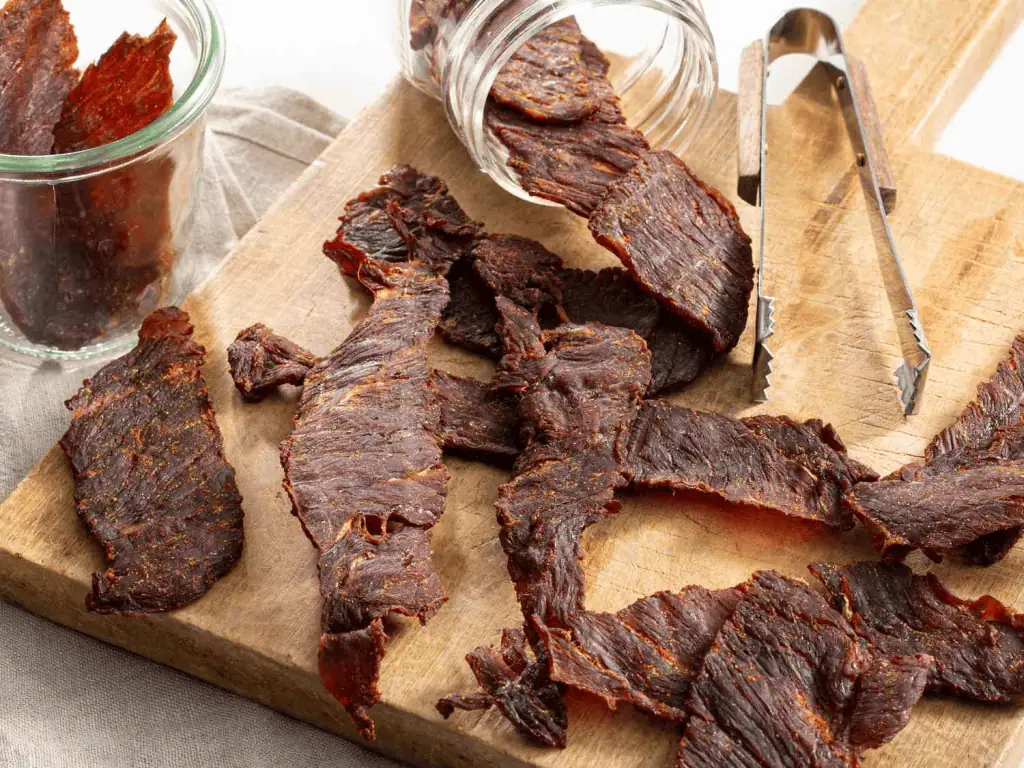
Jerky was born from necessity, not snacking culture. Preserving meat through drying allowed cowboys and travelers to carry protein without spoilage. That same practicality fuels today’s jerky obsession, now packaged and flavored in countless varieties. Despite modern seasoning twists, jerky’s appeal remains unchanged: portable, protein-packed, and deeply satisfying. It’s one of the most direct culinary links to the Wild West still eaten daily.
Sourdough Bread
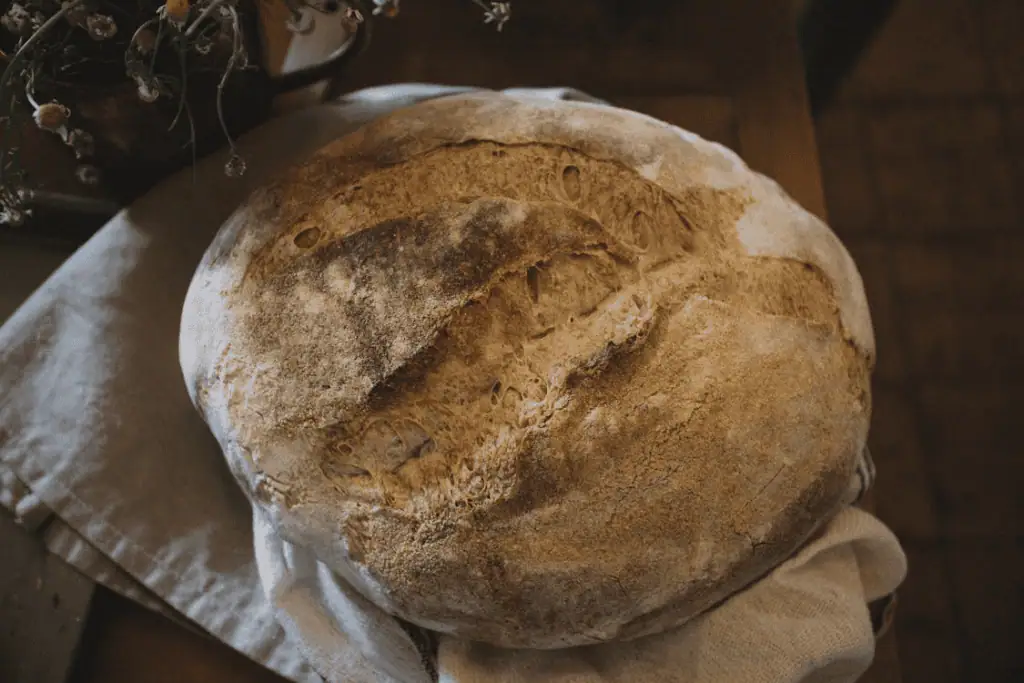
Sourdough thrived on the frontier because commercial yeast wasn’t available. Starters were passed down, carried across trails, and fiercely guarded. Today’s sourdough revival reflects renewed appreciation for slow fermentation and tradition. Its tangy flavor and chewy texture still evoke self-reliance and craftsmanship. Modern sourdough bakeries unknowingly echo the resourcefulness of early Western settlers.
Fried Chicken

Though not exclusive to the West, fried chicken became a staple frontier food because it traveled well and stayed flavorful without refrigeration. It appeared in packed meals, roadside stops, and saloons. America’s enduring love for fried chicken reflects that same practicality mixed with indulgence. Crispy, comforting, and deeply nostalgic, it remains one of the country’s most beloved foods.
Apple Pie
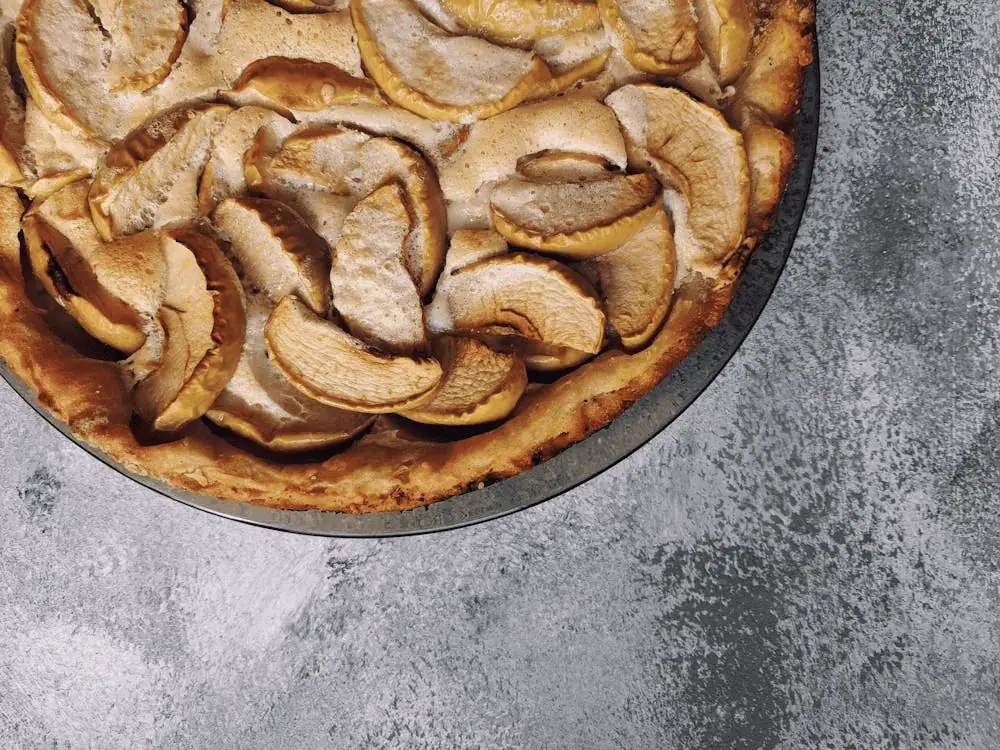
Apples were one of the few fruits that stored well during westward expansion, making apple desserts common on the frontier. Apple pie symbolized comfort and home in uncertain landscapes. Today, it remains a cultural icon, representing tradition and Americana. Its endurance proves that emotional connection matters as much as flavor.
Cast-Iron Skillet Cooking

More than a single dish, cast-iron cooking defined Wild West food. One pan handled everything from frying meat to baking bread. Americans remain obsessed with cast-iron cookware today, valuing durability, flavor development, and tradition. Cooking in cast iron connects modern kitchens to frontier resilience, where tools were few but trusted for life.
