
12 Underrated Cuisines that Deserve Way More Attention Than They Get
Some cuisines dominate the global food conversation, while others quietly serve incredible meals without nearly enough attention. This gallery celebrates 12 underrated culinary traditions packed with bold flavors, deep history, and dishes that deserve a spot on every food lover’s radar. If you’ve been stuck cycling through the same takeout favorites, consider this your delicious detour.
Georgian Cuisine

Georgian food has the kind of comfort-and-drama combination people usually lose their minds over, yet it still flies surprisingly under the radar. The cuisine balances herbs, walnuts, cheese, grilled meats, and bright acidity in a way that feels both rich and fresh at the same time.
Then there are the signature dishes. Khachapuri, that glorious cheese-filled bread, gets plenty of social media attention, but khinkali dumplings, walnut sauces, and deeply flavorful stews deserve equal love. It’s a cuisine built for long tables, generous pours, and the kind of meal that turns into a whole evening.
Filipino Cuisine
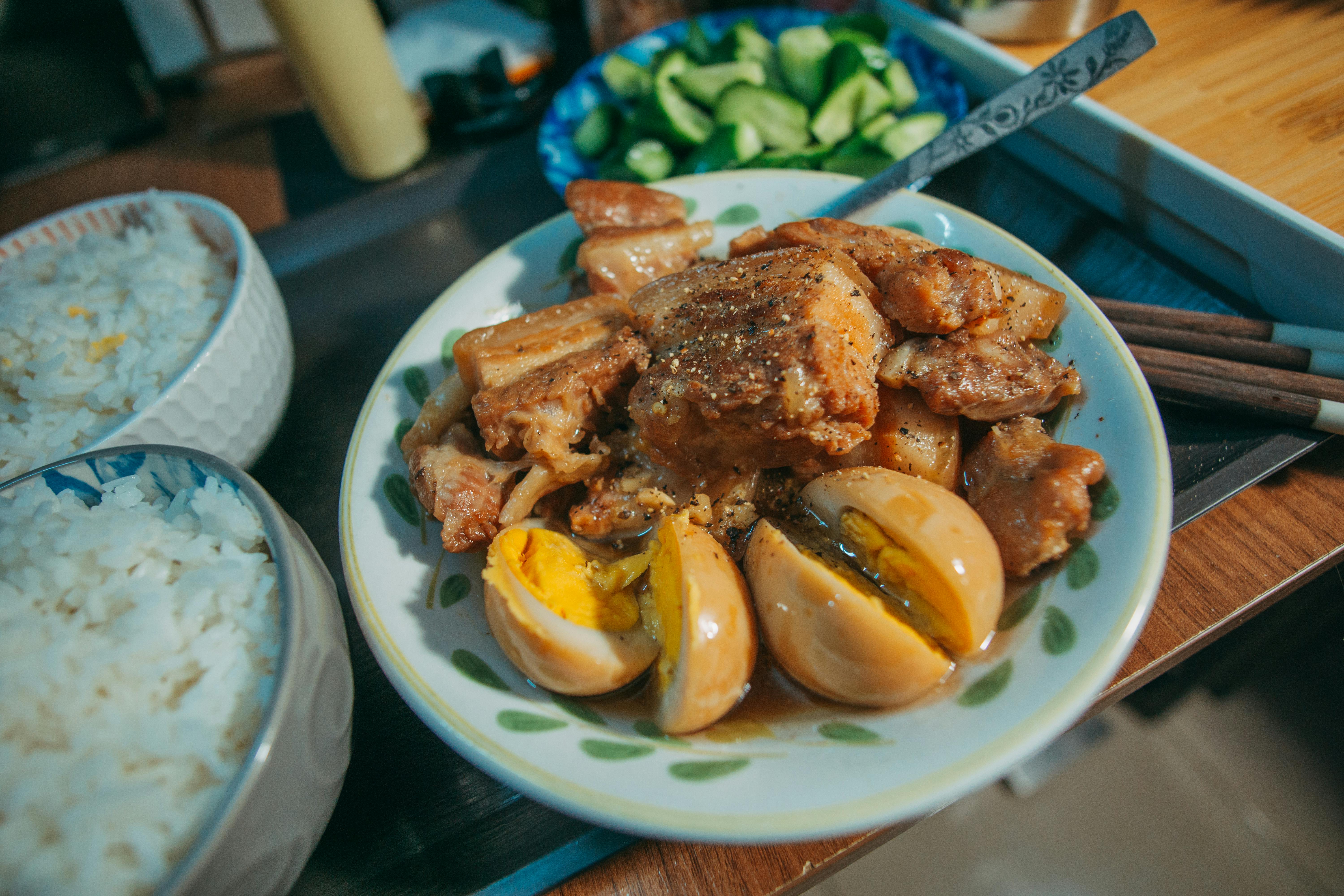
Filipino food should be much bigger in the mainstream than it is, especially because it delivers exactly what so many people crave: sweet, sour, salty, savory flavors all working at once. It’s deeply regional, full of personality, and shaped by a fascinating mix of Indigenous, Spanish, Chinese, and Malay influences.
Adobo often gets all the attention, but that’s just the gateway. Sinigang’s tangy broth, crispy lechon, peanuty kare-kare, and the irresistible contrast of salty and sweet in breakfast plates show off how dynamic this cuisine can be. It’s comforting food with layers, not just one signature dish.
Peruvian Cuisine
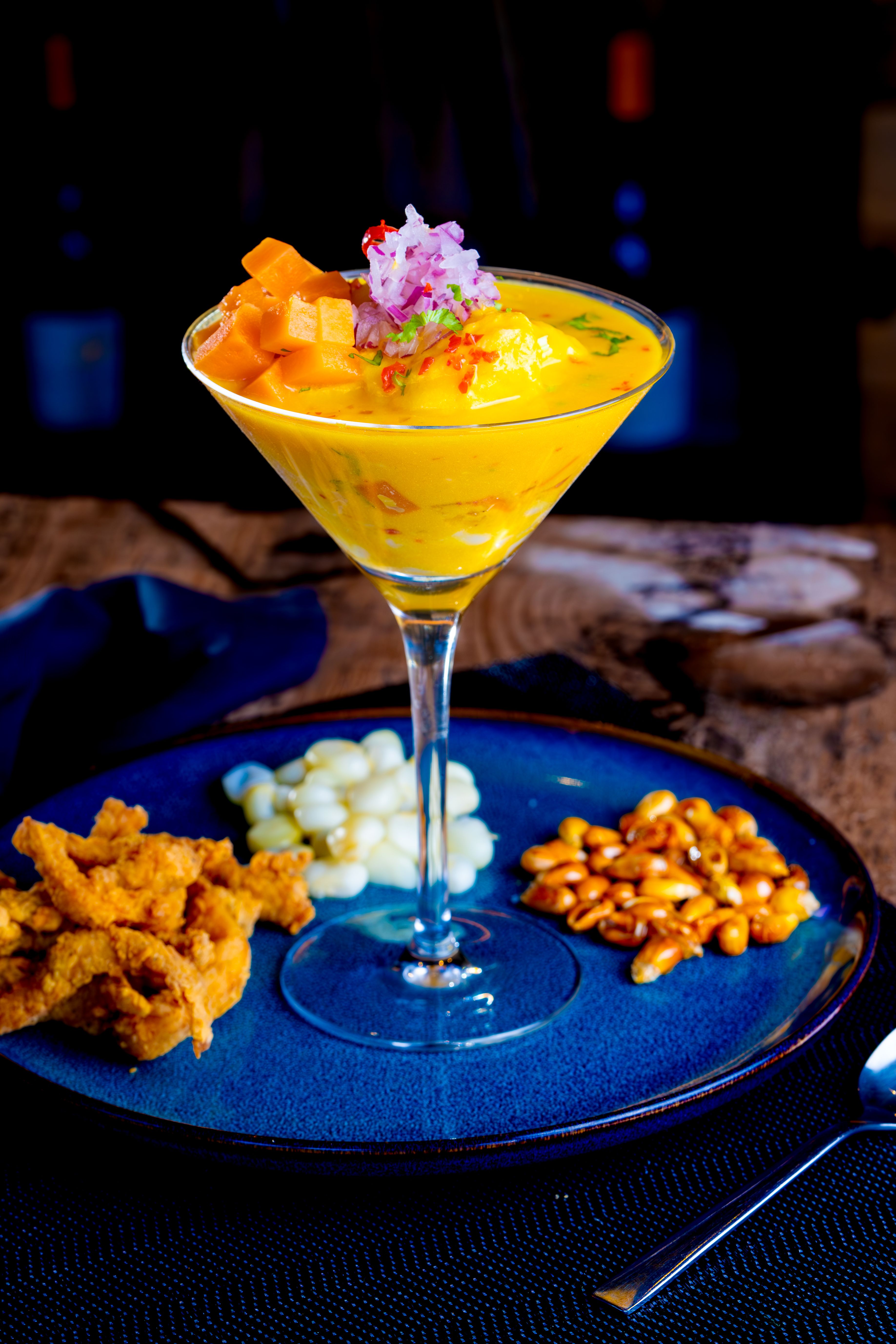
Peruvian food gets praise from serious food lovers, but it still doesn’t always get the broad everyday hype it deserves. That’s surprising, because this cuisine is wildly varied, drawing from Indigenous traditions along with Spanish, African, Chinese, and Japanese influences in a way that feels exciting rather than complicated.
Ceviche is the celebrity, and fair enough, but there’s so much more going on. Lomo saltado, aji de gallina, causa, and hearty Andean potato dishes reveal a cuisine that can be elegant one minute and deeply comforting the next. Peru doesn’t just have great food. It has range, confidence, and serious flavor.
Ethiopian Cuisine
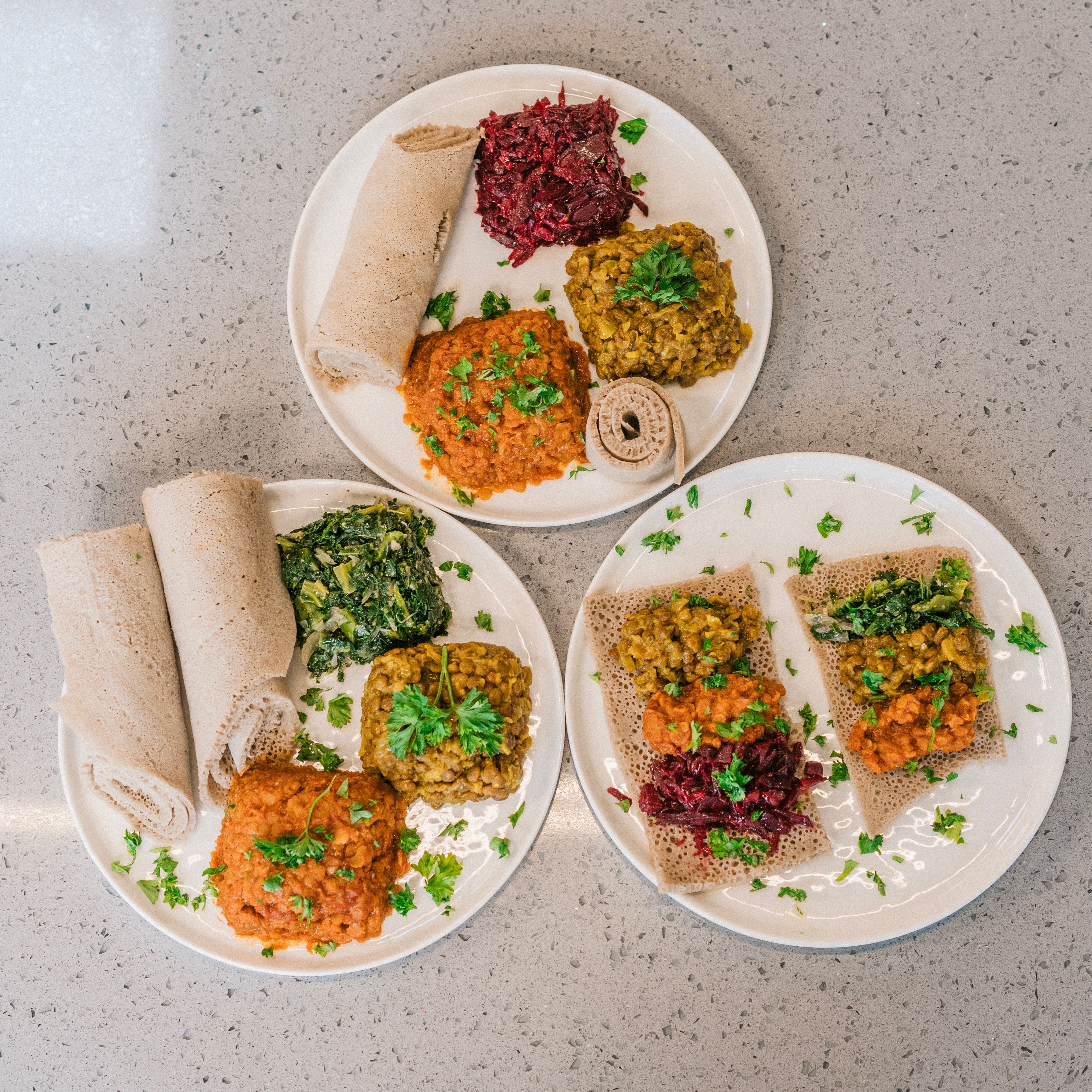
Ethiopian cuisine deserves a lot more mainstream love, especially because it offers one of the most distinctive dining experiences anywhere. Meals are often shared over injera, the soft, tangy flatbread that doubles as plate and utensil, turning dinner into something communal and hands-on in the best way.
The flavors are just as memorable. Spiced lentils, slow-cooked meats, earthy vegetables, and the warmth of berbere create dishes that feel layered and soulful rather than merely spicy. It’s also a cuisine with incredible depth for vegetarians, which makes it even more versatile. Once people get past unfamiliarity, they usually become devoted fans fast.
Sri Lankan Cuisine
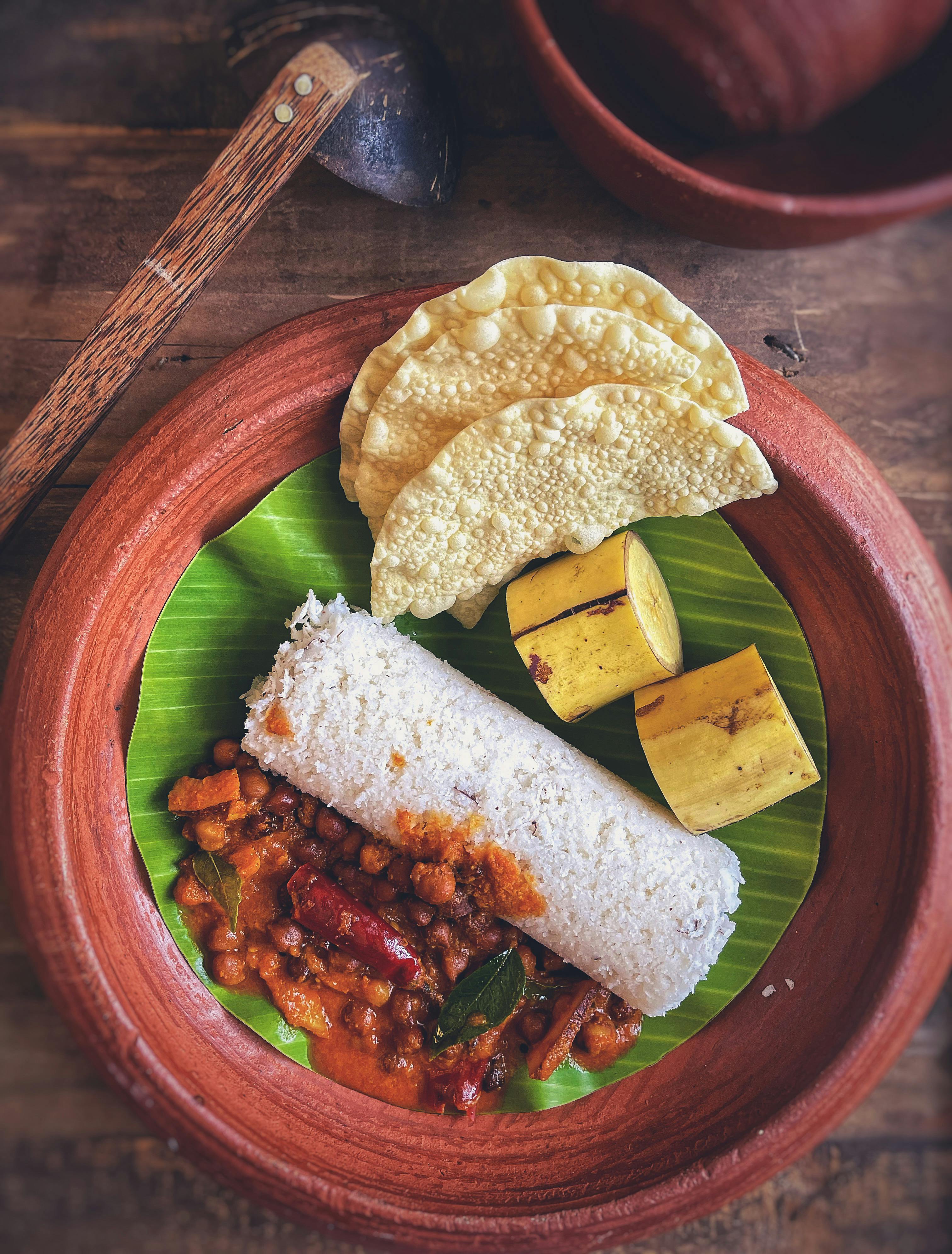
Sri Lankan food often gets overshadowed by its larger neighbor, but it absolutely deserves its own spotlight. The cuisine is fragrant, complex, and incredibly vivid, using coconut, curry leaves, cinnamon, chilies, and mustard seeds to build dishes that feel lively from the first bite to the last.
What makes it especially compelling is the balance. You’ll find fiery curries, delicate hoppers, coconut sambols, and seafood dishes with serious depth but also freshness. Rice and curry in Sri Lanka isn’t one-note at all. It’s a full table of textures and flavors, each element doing something different. That kind of variety should make it a much bigger global favorite.
Armenian Cuisine

Armenian cuisine has all the things people claim to love: grilled meats, fresh herbs, flatbreads, yogurt, pickles, and slow-cooked dishes with deep tradition behind them. And yet it often gets folded vaguely into broader regional categories instead of being appreciated on its own terms.
That’s a shame, because the food is wonderfully distinctive. Think lavash, basturma, dolma, harissa, and pastries that bring warmth and finesse rather than flash. Armenian cooking feels generous and grounded, full of meals designed for gathering. It’s the kind of cuisine that wins people over quietly, then leaves them wondering why they weren’t eating it all along.
Malaysian Cuisine
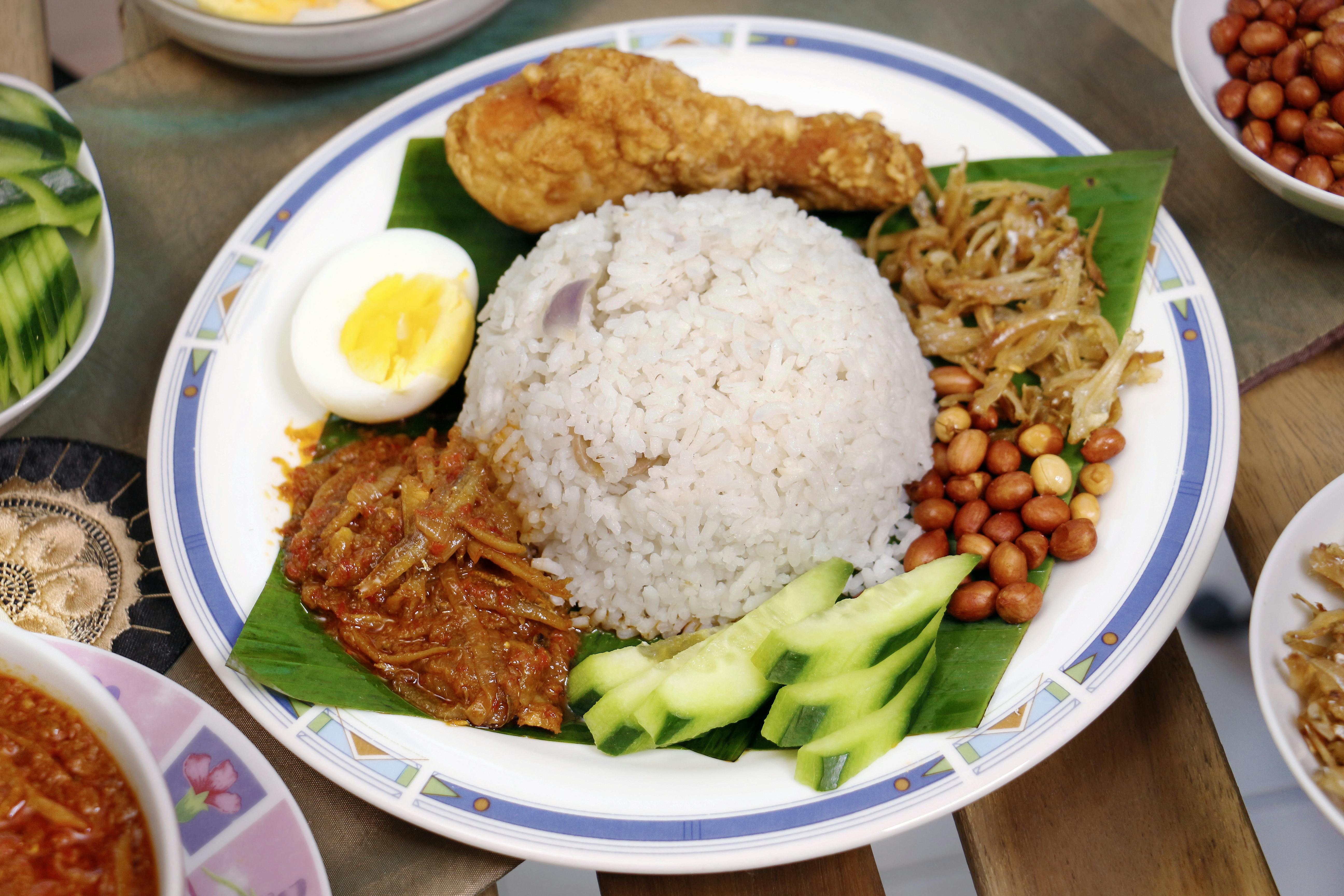
Malaysian food should be much more famous globally than it is, because it delivers incredible flavor density with almost unfair consistency. Malay, Chinese, Indian, and Indigenous influences meet in one culinary landscape, creating dishes that feel layered, vibrant, and impossible to reduce to a single style.
Nasi lemak alone could carry an entire reputation, but then you get laksa, char kway teow, satay, roti canai, and rendang entering the chat. The range is huge, and the street food culture is legendary. Sweet, smoky, spicy, creamy, funky, crisp, comforting, Malaysian cuisine can do all of it, often in the same meal.
Albanian Cuisine
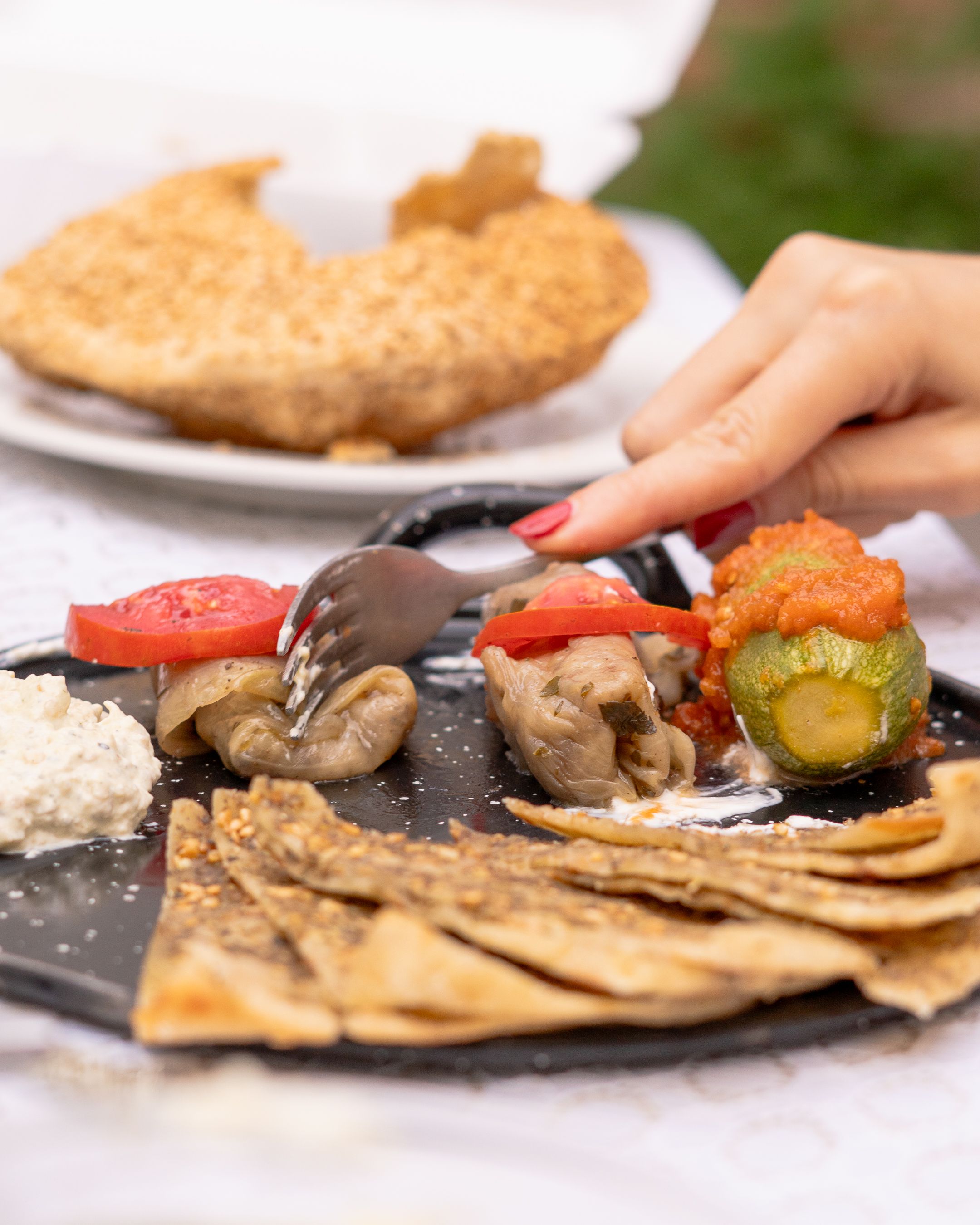
Albanian cuisine doesn’t get talked about nearly enough, which is odd because it hits a sweet spot between Mediterranean freshness and Balkan heartiness. The food leans on grilled meats, peppers, dairy, herbs, olive oil, and flaky pastries, creating meals that feel both rustic and sun-soaked.
It’s also the kind of cuisine that doesn’t need gimmicks. Tavë kosi, byrek, fërgesë, and seafood along the coast show off just how broad the table can be. There’s comfort here, but also brightness and restraint. Albanian food feels welcoming rather than showy, and maybe that’s exactly why more people should be paying attention.
Burmese Cuisine
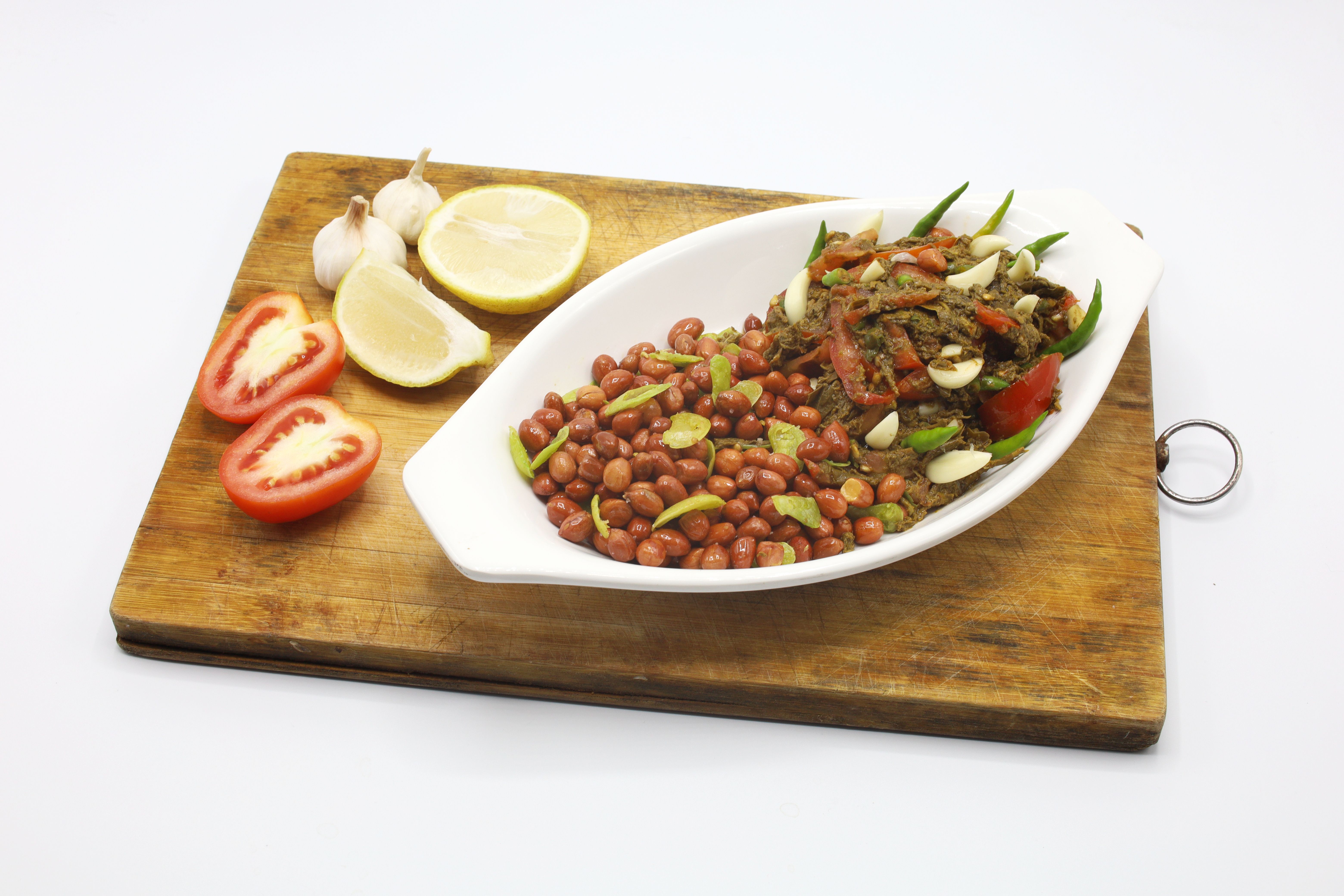
Burmese cuisine is one of those under-the-radar food traditions that makes people immediately ask why it isn’t everywhere. It shares some familiar elements with neighboring cuisines, but the overall profile is uniquely its own, balancing sour, salty, bitter, spicy, and crunchy textures with real finesse.
Tea leaf salad is the dish many people remember first, and for good reason, but mohinga, noodle salads, curries, and chickpea tofu show how much depth there is beyond a single standout. Burmese food feels bright, layered, and tactile, with lots of contrast in every bite. It’s a cuisine that rewards curiosity almost instantly.
Senegalese Cuisine
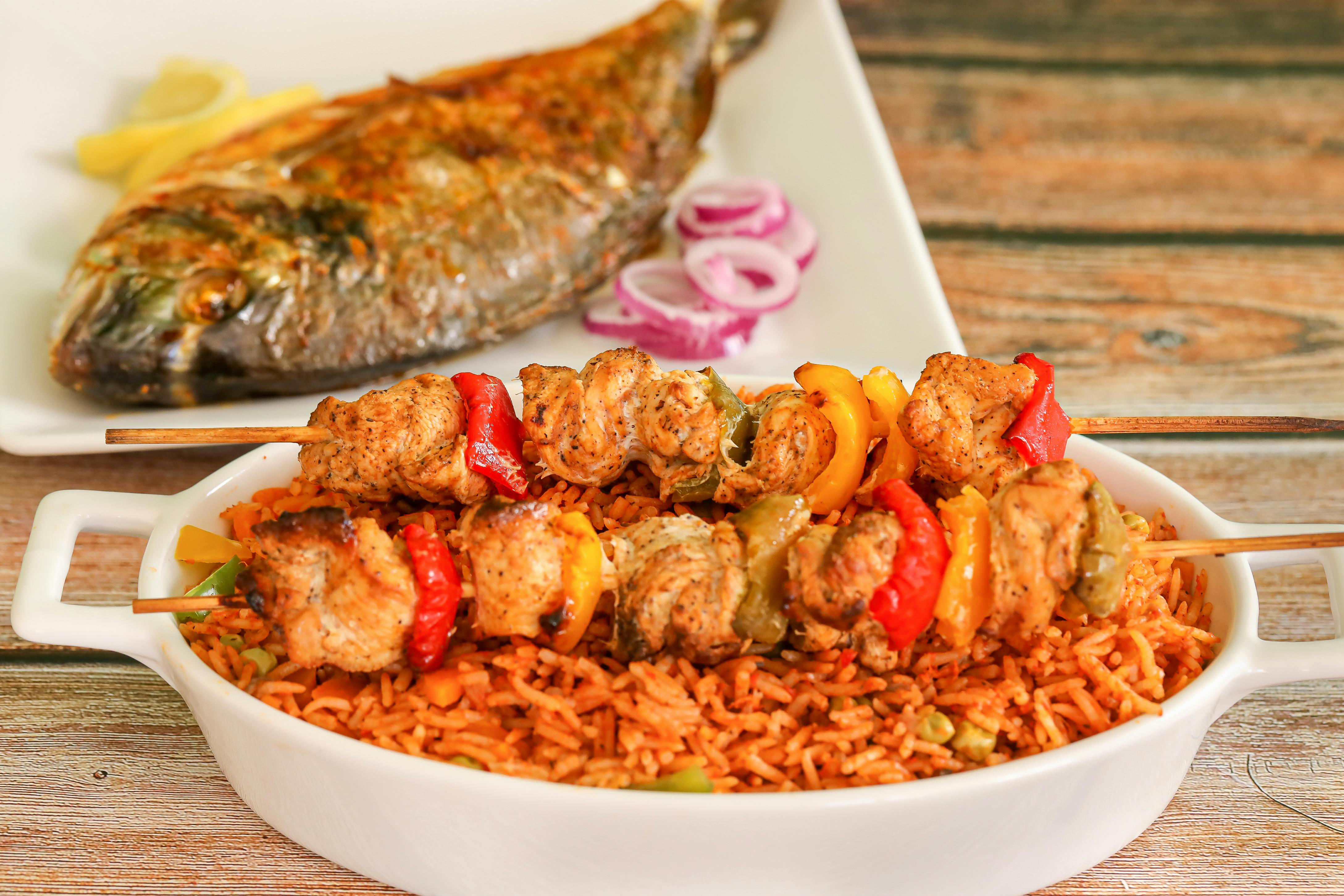
Senegalese food deserves far more global recognition, especially considering how soulful, elegant, and deeply satisfying it can be. West African cuisines are still underrepresented in many mainstream conversations, and Senegal offers a perfect example of how much flavor and technique people are missing.
Dishes like thieboudienne, yassa, and mafe bring together rice, fish or meat, vegetables, aromatics, and rich sauces in combinations that feel complete and comforting. There’s a beautiful generosity to the food, but also precision in how ingredients are balanced. Senegalese cuisine doesn’t need a trend cycle to prove itself. It just needs more people tasting it.
Uzbek Cuisine
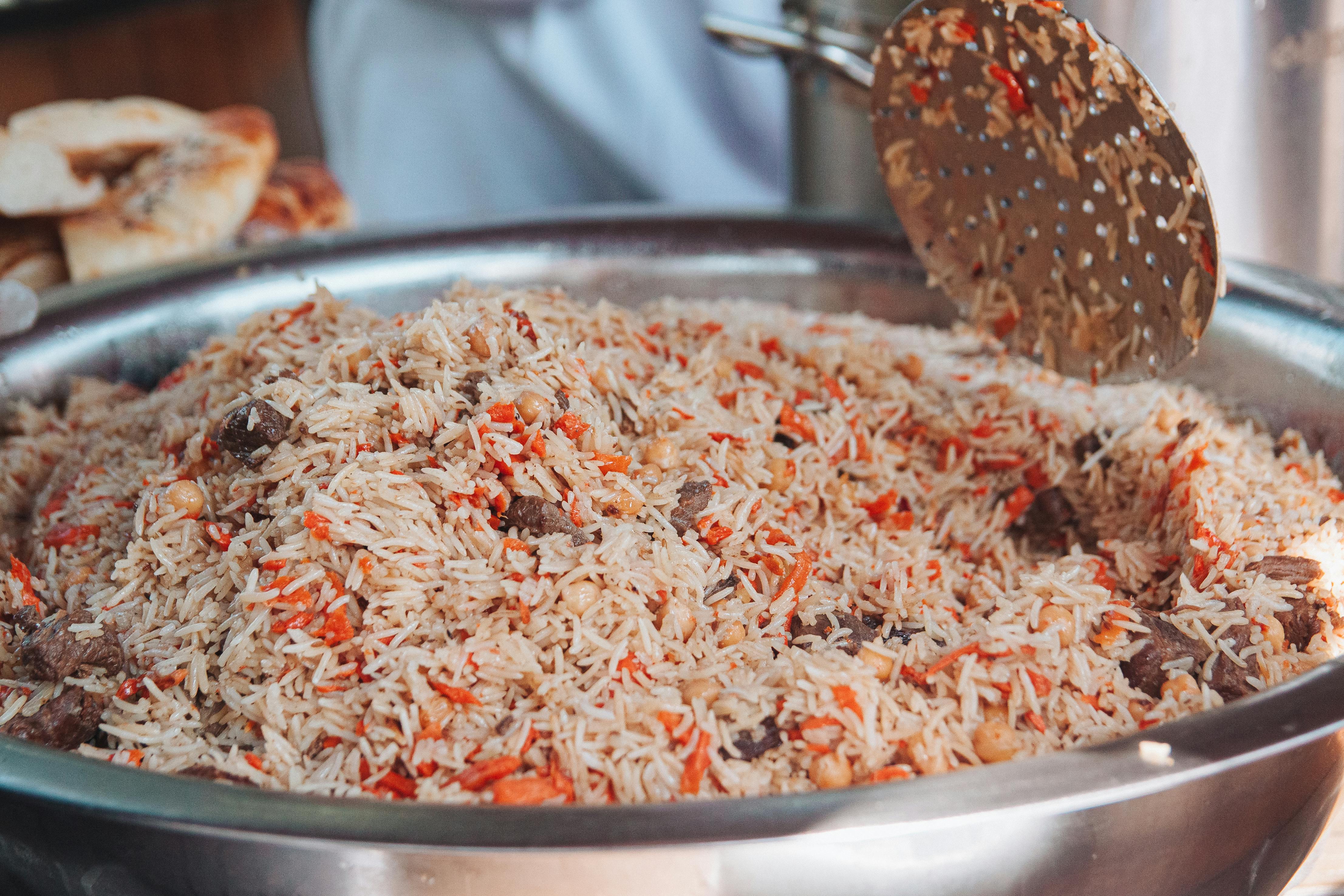
Uzbek cuisine tends to be overlooked in global food chatter, but it offers exactly the kind of deeply comforting, crowd-pleasing dishes that should have a much bigger audience. Rooted in Silk Road history, it brings together Central Asian traditions with a strong sense of hospitality and abundance.
Plov is the headline act, and rightly so, with its fragrant rice, carrots, meat, and spices, but there’s also samsa, lagman, shashlik, and beautifully structured breads. The flavors are often less fiery than some neighboring cuisines, which makes them especially approachable. Uzbek food feels warming, hearty, and made for sharing, a combination that rarely disappoints.
Oaxacan Mexican Cuisine
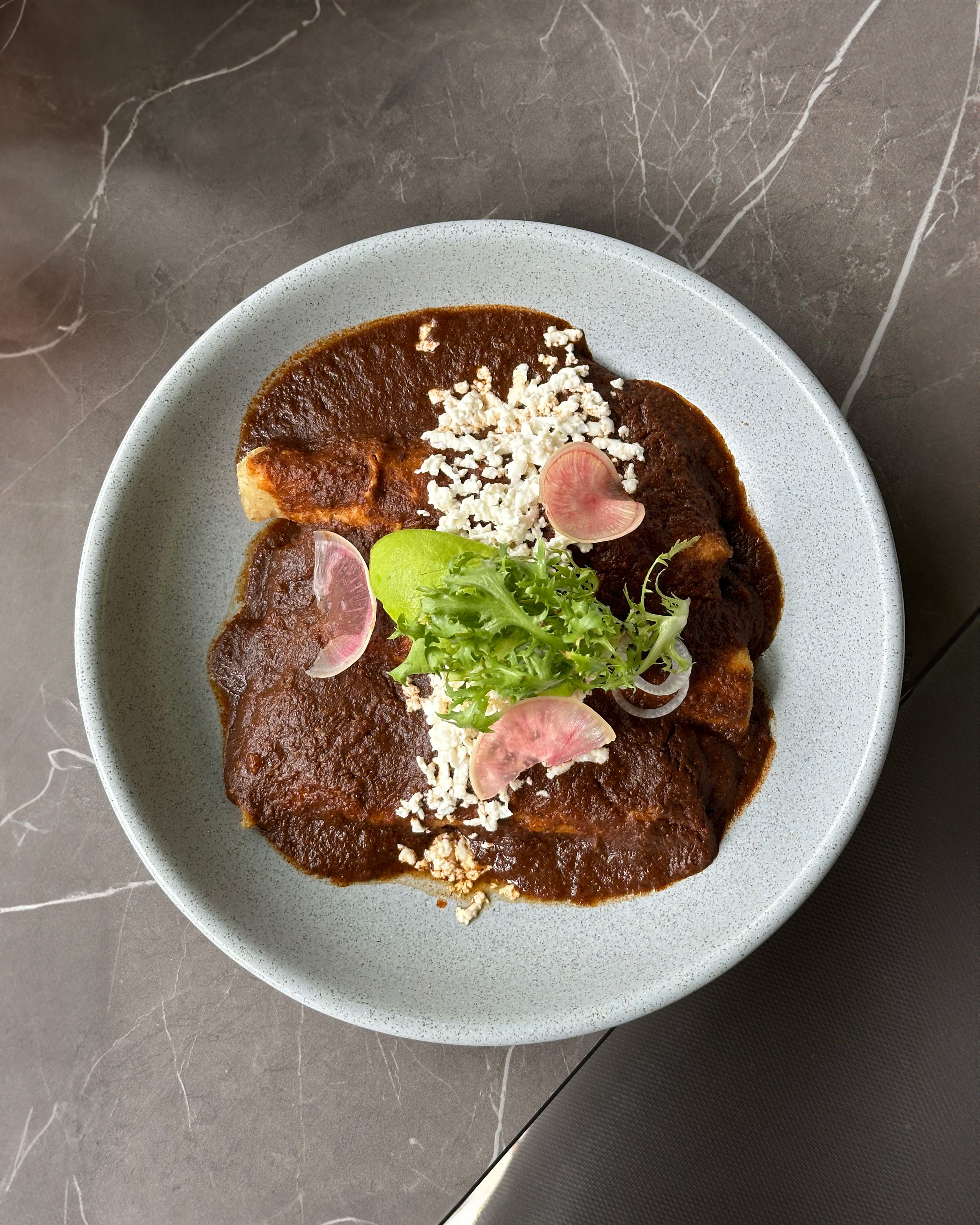
Mexican food gets plenty of love overall, but regional cuisines like Oaxaca still don’t always get the full appreciation they deserve outside dedicated food circles. Oaxacan cooking is especially rich in heritage, with corn, chiles, herbs, chocolate, and complex moles creating an identity all its own.
This is not just taco-night territory. Tlayudas, memelas, mole negro, quesillo, and mezcal culture make Oaxaca one of the most exciting food regions anywhere. The cuisine can be earthy, smoky, floral, and deeply layered without losing its sense of comfort. It’s one of those places where every dish feels connected to land, history, and daily ritual.
Goan Cuisine
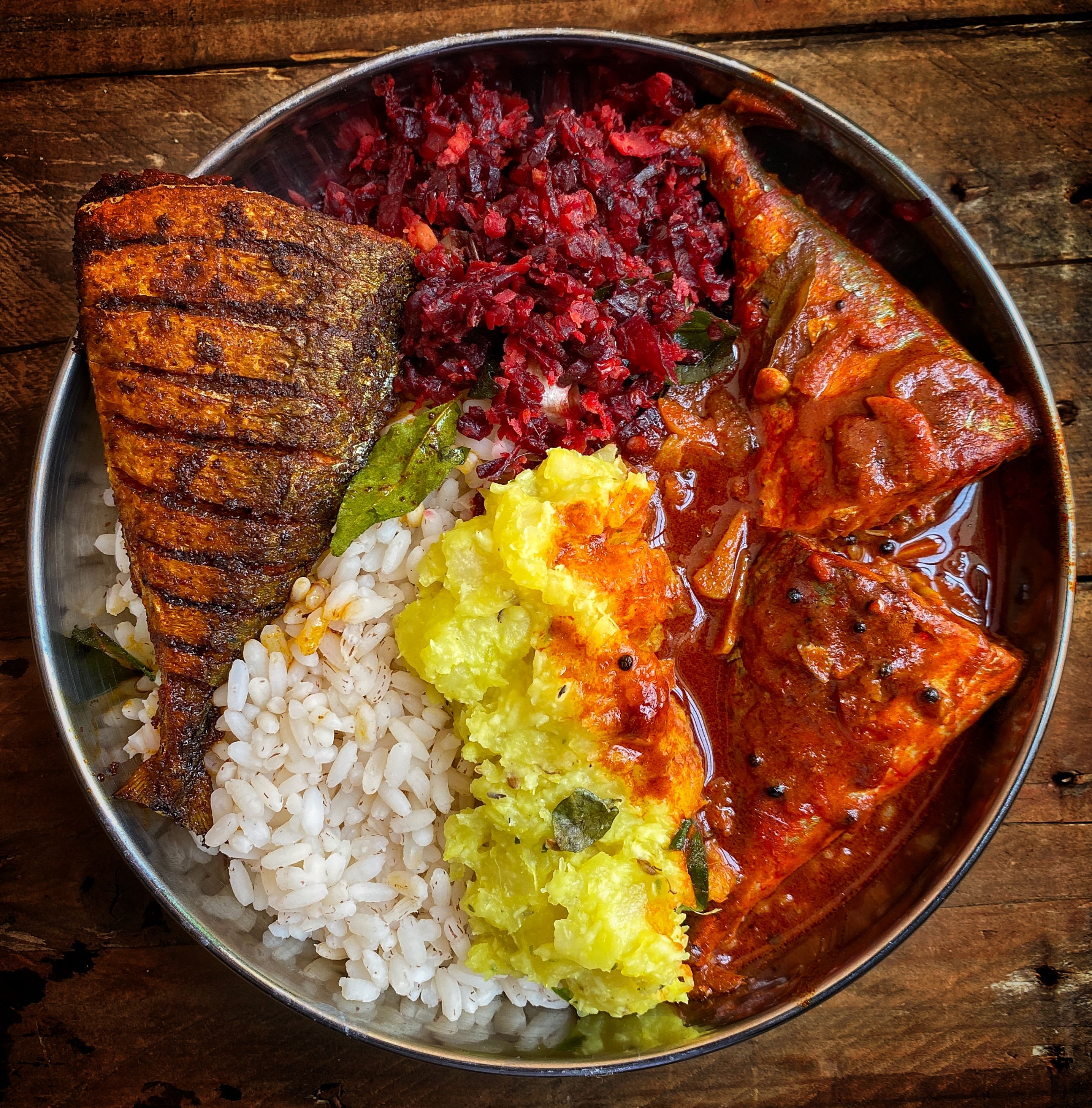
Goan cuisine is often overshadowed by broader conversations about Indian food, but it deserves much more individual attention. Located on India’s western coast, Goa brings together coastal ingredients, Portuguese influence, and a fearless use of spice, vinegar, and coconut in ways that feel instantly recognizable once you try them.
Yes, vindaloo comes from here, but reducing Goan food to one curry barely scratches the surface. There are bright seafood dishes, rich xacuti, comforting rice preparations, and desserts that carry a distinctive local character. Goan cooking has punch, personality, and freshness all at once. It’s coastal food with swagger, and that’s a pretty hard combination to resist.
Hungarian Cuisine

Hungarian cuisine is too often reduced to a couple of old stereotypes, when in reality it offers far more nuance and comfort than it gets credit for. Paprika may be the star, but it’s the way it’s layered with onions, meats, dumplings, sour cream, and seasonal produce that makes the food feel so complete.
Goulash is only the beginning. There’s chicken paprikash, stuffed cabbage, fisherman’s soup, savory pastries, and desserts with real old-world charm. Hungarian food is hearty, yes, but it can also be surprisingly elegant and balanced. It’s exactly the kind of cuisine people rediscover in colder months and then wonder why they ignored for so long.
Lebanese Home Cooking

Lebanese food is better known than some cuisines on this list, but the full breadth of Lebanese home cooking still feels underrated compared with how often people only encounter a narrow restaurant version. There’s so much more to it than the greatest hits platter of hummus, kebabs, and tabbouleh.
Home-style Lebanese cooking shines through lentils, stuffed vegetables, stews, garlic-heavy sauces, lemony soups, and endlessly varied mezze. The food is vibrant without being fussy, and it manages to feel wholesome, celebratory, and craveable all at once. Once you get beyond the familiar staples, you realize this cuisine has a remarkable everyday depth that deserves a lot more attention.
