
12 Retro Desserts From the 1960s You Can’t Buy Anymore
The 1960s were a turning point in American dessert culture. Convenience foods, novelty ingredients, and visual appeal mattered as much as flavor. Supermarkets and home kitchens embraced gelatin molds, canned fruit, artificial colors, and elaborate presentation. Over time, changing health standards, ingredient regulations, and evolving tastes made many of these desserts disappear. While they still exist in cookbooks and memories, they’re no longer common or commercially available. These retro sweets reveal how dramatically dessert expectations have changed.
Chiffon Gelatin Desserts
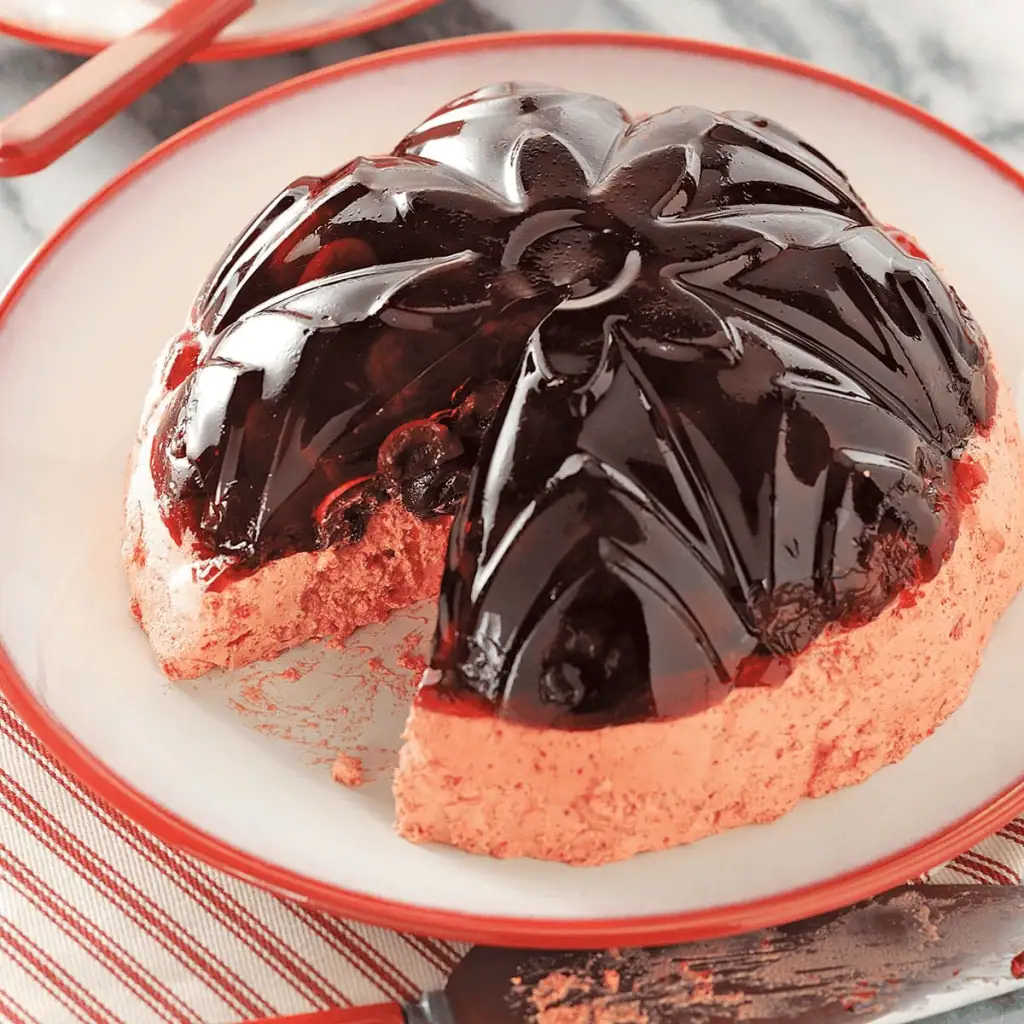
Chiffon gelatin desserts once blended whipped cream, gelatin, and fruit flavors into airy, pastel-colored molds that were designed to impress at mid-century dinner parties. Their light texture and dramatic presentation made them feel elegant and modern at the time. Over the years, however, growing discomfort with artificial coloring, flavoring, and heavily processed ingredients reduced their appeal. The soft, jiggly texture now feels unfamiliar to many modern palates. As dessert preferences shifted, these confections disappeared from most bakeries and stores, surviving mainly as nostalgic examples of mid-century entertaining.
Frosted Ribbon Cake

Ribbon cakes were once prized for their visual impact, featuring multiple thin layers of differently colored cake stacked precisely with frosting between each tier. The bold colors and clean lines symbolized celebration and technical skill, making them popular for parties and special occasions. However, producing these cakes was labor-intensive, requiring careful baking, slicing, and assembly. As labor costs increased and consumer tastes shifted toward simpler, less ornate desserts, commercial production declined. While layered cakes remain popular, the highly decorative ribbon style with vivid artificial colors has largely been replaced by minimalist or rustic designs.
Lemon Chiffon Pie Mix Desserts

Packaged lemon chiffon pie mixes were a fixture in 1960s kitchens, promising a light, tart dessert that could be made quickly with minimal skill. Their signature airy texture depended on specific emulsifiers and stabilizers that were later reformulated or fell out of favor. As home baking trends shifted back toward fresh ingredients and scratch methods, boxed chiffon desserts began to feel artificial and unnecessary. Demand steadily declined, and production faded. Today, recreating the exact texture and flavor of those mixes is difficult, as modern commercial versions no longer replicate the originals.
Ambrosia Mold Variations

While ambrosia salad still appears on some tables today, molded ambrosia desserts were a distinctly 1960s phenomenon. These versions combined gelatin, marshmallows, canned fruit, and cream into dense, pastel-colored molds that emphasized visual impact over flavor balance. At the time, their uniform shape and sweetness signaled abundance and celebration. As preferences shifted toward fresher fruit, lighter textures, and less sugar, these molded desserts lost appeal. They gradually disappeared from bakeries and store shelves, surviving mainly through vintage cookbooks and nostalgic family recipes.
Pineapple Upside-Down Sheet Cakes

The 1960s popularized large, mass-produced pineapple upside-down cakes made for parties, cafeterias, and institutional events. These cakes depended heavily on canned pineapple rings, bright maraschino cherries, and shortening-based batters that emphasized shelf stability over flavor nuance. Their syrupy sweetness and uniform texture once suited large-scale baking needs. As dessert trends shifted toward scratch-made cakes, fresher ingredients, and less sugary profiles, these oversized commercial versions fell out of favor. They were gradually replaced by smaller, homemade interpretations that felt more personal and balanced.
Snow Pudding
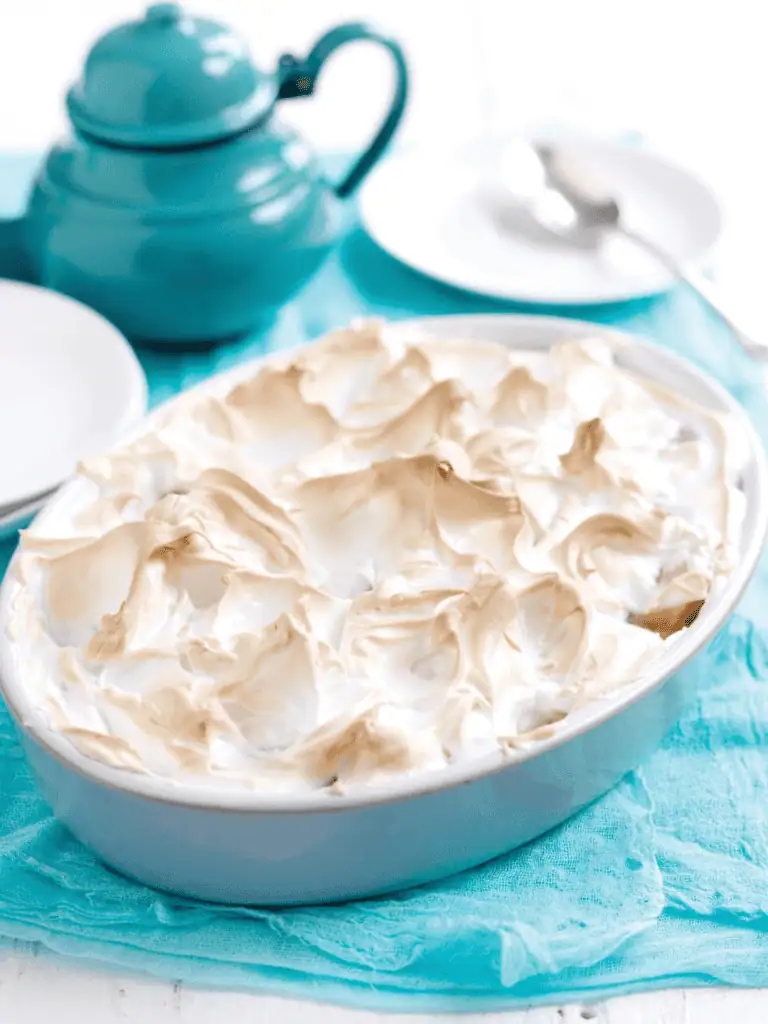
Snow pudding was a once-popular dessert that combined gelatin, whipped egg whites, and fruit juice to create a light, foamy texture often described as cloud-like. It was praised for its elegance and delicate mouthfeel, making it a refined option for formal meals. Over time, concerns about using raw egg whites, along with shifting preferences toward richer or creamier textures, reduced its appeal. As food safety standards tightened and tastes evolved, snow pudding faded from mainstream production and is now mostly seen in historical recreations or vintage recipe collections.
Butterscotch Meringue Pie

Butterscotch meringue pie was once a staple in diners and neighborhood bakeries, known for its rich cooked pudding base and tall, lightly browned meringue topping. The dessert required careful preparation, especially to stabilize the meringue and prevent weeping. Over time, concerns about labor, consistency, and food safety made meringue less practical for commercial kitchens. Pre-made alternatives couldn’t replicate the original texture or flavor, and demand gradually declined. As tastes shifted, modern pies began favoring whipped cream or custard toppings instead.
Bavarian Cream Mold Desserts
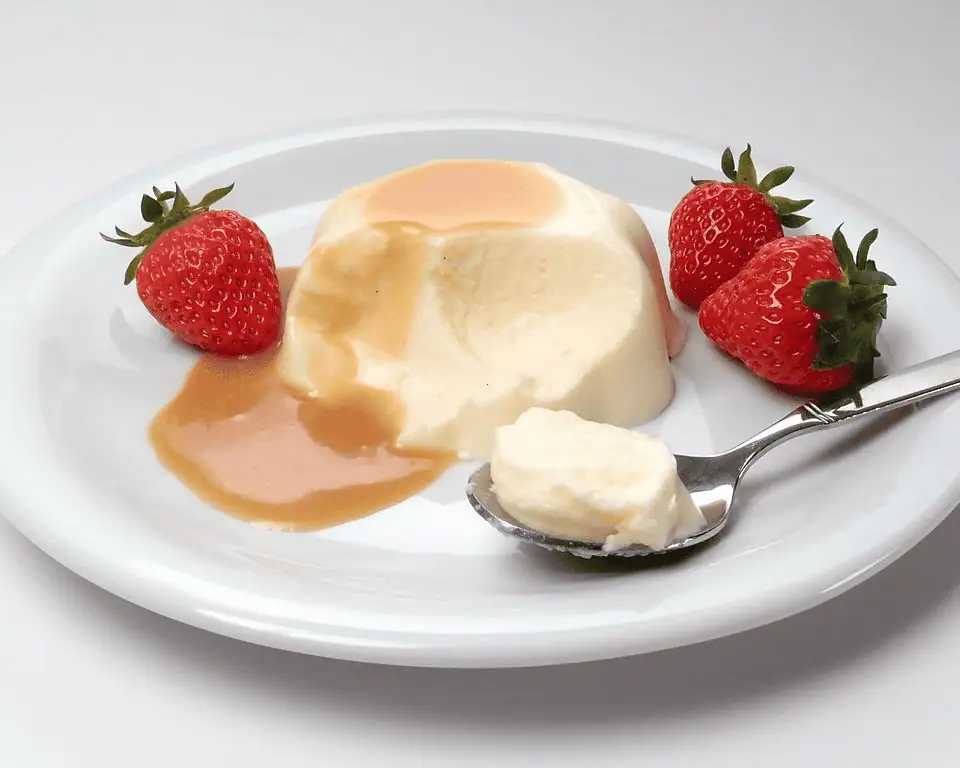
Bavarian cream desserts once symbolized sophistication, combining custard, gelatin, and whipped cream into carefully molded, decorative forms meant for formal occasions. These desserts required precise timing, careful chilling, and a level of effort that suited mid-century dinner parties and special gatherings. As refrigeration improved and easier alternatives became available, the appeal of such labor-intensive sweets faded. Shifts toward casual entertaining and simpler desserts made Bavarian cream molds feel overly formal and impractical, leading to their quiet disappearance from commercial production and modern bakery cases.
Icebox Cheesecake Bars
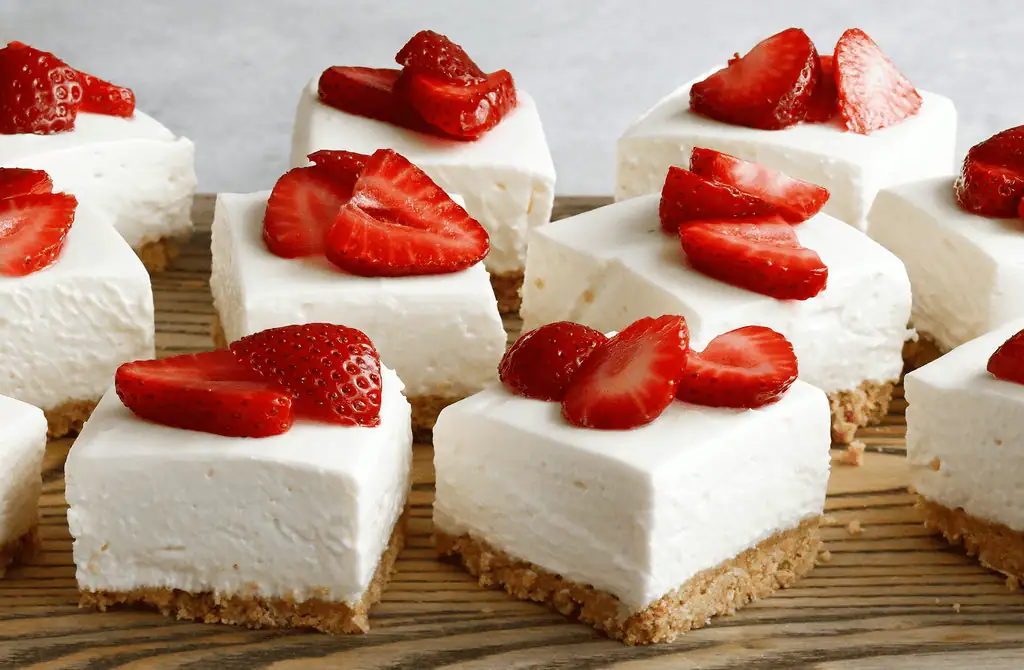
Before baked cheesecakes became the standard, icebox cheesecake bars were a familiar dessert, relying on refrigeration instead of ovens to set their shape. These no-bake versions typically used stabilized fillings designed to hold firm without heat, making them convenient and dependable for home cooks. Over time, however, tastes shifted toward denser textures and deeper flavor developed through baking. As richer, oven-baked cheesecakes gained popularity and became widely available, icebox versions gradually disappeared from bakeries and grocery freezers, remembered mostly as a transitional step in dessert history.
Pink Peppermint Whip Desserts

Bright pink peppermint desserts made with whipped topping and gelatin were a holiday staple in the 1960s, prized for their festive color and ease of preparation. The combination of airy texture, strong mint flavor, and vivid artificial pink once signaled celebration and abundance. Over time, however, those exaggerated visuals and flavors began to feel overwhelming. As dessert tastes shifted toward more natural colors and restrained sweetness, these confections lost favor. Today, consumers tend to prefer subtler mint desserts, leaving the boldly colored gelatin-based versions as nostalgic relics of mid-century entertaining.
Fruit Cocktail Shortcake
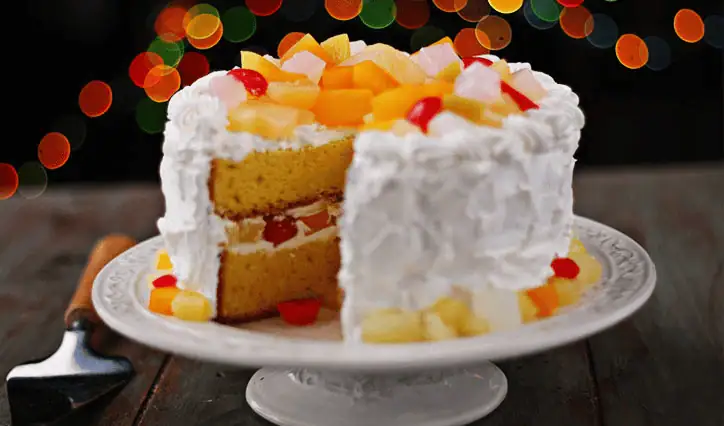
Shortcakes made with canned fruit cocktail were once a common, convenient dessert, especially when fresh berries were seasonal or hard to find. The mixed fruit, packed in heavy syrup, offered a dependable sweetness that fit mid-century home cooking. As year-round access to fresh fruit improved and tastes shifted toward brighter, less processed flavors, these desserts began to feel outdated. The soft texture and syrupy sweetness no longer matched modern expectations. Over time, canned fruit cocktail shortcakes disappeared from commercial offerings, lingering mainly in older cookbooks and family recipe collections.
Chocolate Pudding Roll

Chocolate pudding rolls combined soft sponge cake with a sweet, instant pudding filling, rolled into a tidy, sliceable dessert that once felt modern and convenient. Their popularity depended heavily on early instant pudding formulas, which had a specific texture and stability suited for rolling. As those formulations changed and consumer tastes shifted toward richer fillings, whipped creams, and fresher ingredients, the dessert lost its appeal. Over time, pudding rolls quietly vanished from store shelves, surviving mostly in vintage advertisements and mid-century recipe booklets that capture their brief moment in dessert history.
