
8 Common Leftovers That Get Ruined by Microwaving
Certain leftovers are often reheated in the microwave out of convenience, yet this method can compromise their taste, texture, and even safety. Understanding why some foods suffer under microwave heat is crucial for preserving their quality. This guide explores eight common leftovers affected by microwaving, offering insights into why these foods falter and suggesting better alternatives to maintain their integrity.
Cooked Eggs: A Rubber Disaster
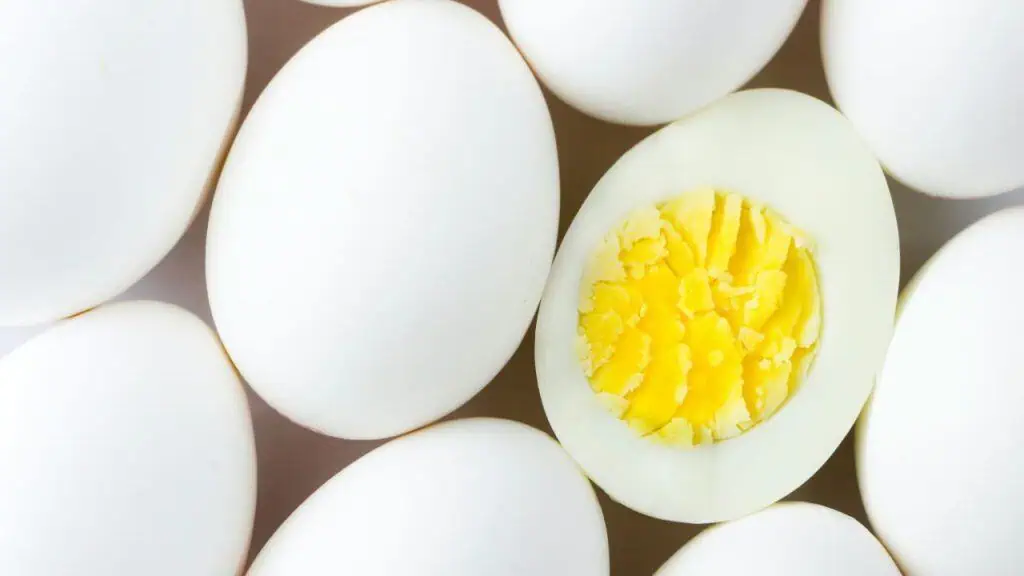
Microwaving cooked eggs can turn a delicate dish into a rubbery mess. The rapid heat causes proteins to seize and toughen, degrading the eggs’ creamy texture. For a better approach, consider reheating on the stovetop over low heat. Add a small amount of butter or cream to gently warm while preserving their softness and flavor, ensuring a consistently enjoyable texture.
Rice: Beware of Bacillus Cereus

Rice is particularly tricky when reheated in a microwave due to the risk of Bacillus cereus, a bacteria that can cause foodborne illness. Microwaving may not heat the rice evenly or thoroughly enough to eliminate this risk. To safely reheat, use a pot on the stovetop with a bit of water, covering it with a lid to create steam. This method heats the rice uniformly while keeping it moist and fluffy.
Processed Meats: Nutrient Nightmare

Processed meats often lose their appeal when reheated in a microwave. The fats can melt unevenly, causing greasy exteriors and dry interiors, while the high sodium content can intensify unpleasant flavors. Opt for a gentle reheat in a skillet, allowing even cooking and an opportunity to enhance flavors with fresh herbs or spices, balancing the dish while better maintaining its texture.
Breast Milk: Nutritional Breakdown

Microwaving breast milk is ill-advised as it can create hot spots and degrade essential nutrients, compromising its nutritional value. Instead, warm breast milk by placing the bottle in a bowl of warm water, allowing it to reach a safe and uniform temperature. This method preserves the milk’s integrity, ensuring it remains nourishing and safe for consumption.
Leafy Greens: Vitamin Vaporization
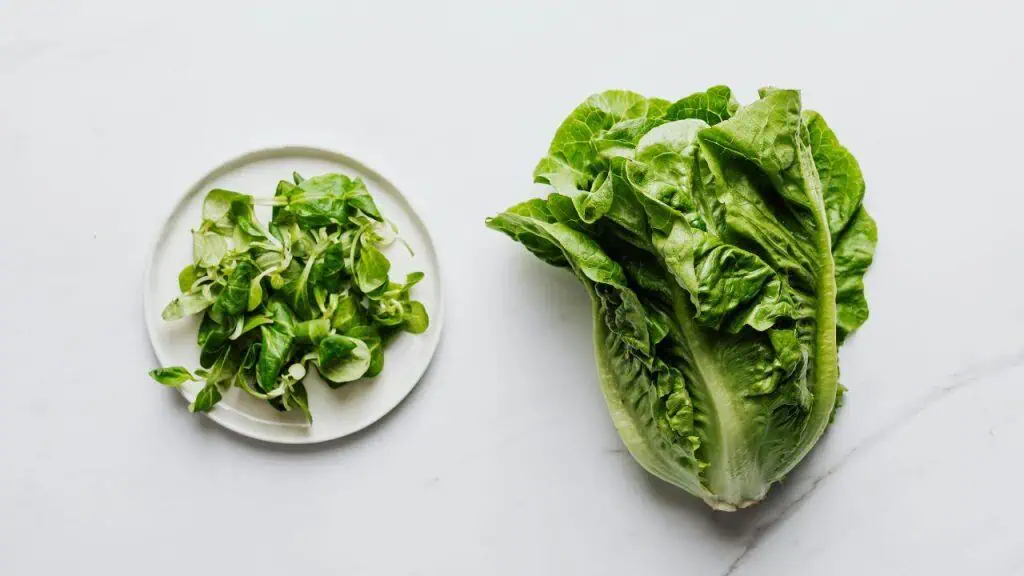
Heating leafy greens in a microwave can lead to significant nutrient loss, especially vitamins C and K. To preserve their vibrant nutritional profile, consider quickly sautéing them in olive oil with garlic to enhance flavor and texture. This method maintains their bright color and crispness, providing a more satisfying bite compared to microwaved greens, which often become wilted and limp.
Potatoes: Toxic Tuber Trouble

Reheating potatoes in a microwave can create an environment for harmful bacteria like Clostridium botulinum to thrive, especially when stored improperly. To ensure safety and preserve their creamy interior, reheat potatoes by roasting them in the oven. Slice and spread on a baking sheet, drizzle with olive oil, and bake until they regain their crispy exterior, ensuring deliciously safe results.
Oils: Unhealthy Fats Unleashed

When oils reach their smoke point in a microwave, they can break down and release harmful compounds. Instead of microwaving, gently heat oils on the stovetop to monitor and control temperature. Use oils with higher smoke points like avocado or grapeseed for cooking, enhancing flavors without compromising nutritional integrity. This approach prevents the formation of unhealthy trans fats.
Seafood: Texture Turmoil

Microwaving seafood often results in rubbery, dry textures due to uneven cooking. To preserve its succulent quality, gently reheat seafood over low heat in a pan, adding a splash of wine or broth to keep it moist. This prevents the breakdown of delicate proteins and maintains its flavor, ensuring that your dish remains tender and appetizing, a far cry from the common microwave mishap.
