
For Digestive Balance: 15 Foods Gut Nutritionists Recommend Daily
For those seeking digestive harmony, focusing on specific foods can enhance gut health and overall well-being. Nutritionists highlight certain ingredients that naturally support the digestive system. With a strategic approach to your diet, achieving balance can be both delicious and straightforward. Incorporate these expert-recommended foods daily to optimize digestion and help maintain a healthy gut environment.
Garlic: A Pungent Probiotic Booster

Garlic, renowned for its bold flavor, plays a vital role in gut health through its natural prebiotic properties. Rich in inulin, garlic stimulates the growth of beneficial bacteria. When preparing dishes, allow crushed garlic to rest for 10 minutes before cooking to enhance its allicin content, which boosts immunity and digestion. Integrate minced garlic into sauces, dressings, or sautéed vegetables to leverage its benefits while enriching your meals with its distinctive aroma.
Onions: Flavor with Digestive Benefits

Onions not only enhance culinary depth but also support your digestive system. High in fructooligosaccharides, they promote healthy gut flora. When using onions, slice them thinly to ensure even cooking, bringing out their natural sweetness while retaining their prebiotic power. Incorporate them into salads, soups, or roasted dishes, allowing their versatility to shine. Consider cooking them down slowly to achieve perfect caramelization, balancing their natural sharpness with subtle complexity.
Asparagus: The Prebiotic Powerhouse

Asparagus serves as a formidable prebiotic, encouraging the growth of beneficial gut bacteria. To preserve its nutrients, steam or roast asparagus until just tender, maintaining its vibrant color and crisp texture. When preparing, snap off the woody ends, which naturally separate from the tender stalk. Enhance the taste with a drizzle of olive oil, lemon zest, and a sprinkle of sea salt. Integrate it into salads, pasta dishes, or as a standalone side to harness its digestive benefits.
Bananas: Gentle Gut Soothers

Bananas provide a soothing touch to the digestive system, rich in fiber and easy on the stomach. Their high pectin and resistant starch content support gut health by promoting regularity and nutrient absorption. Select ripe bananas for enhanced sweetness and digestibility. Incorporate them into smoothies, oatmeal, or consume them as a quick snack. For a creative twist, try slicing bananas into yogurt or use them as a natural sweetener in baked goods, balancing nutrition with natural sweetness.
Apples: Fiber-Rich and Fabulous
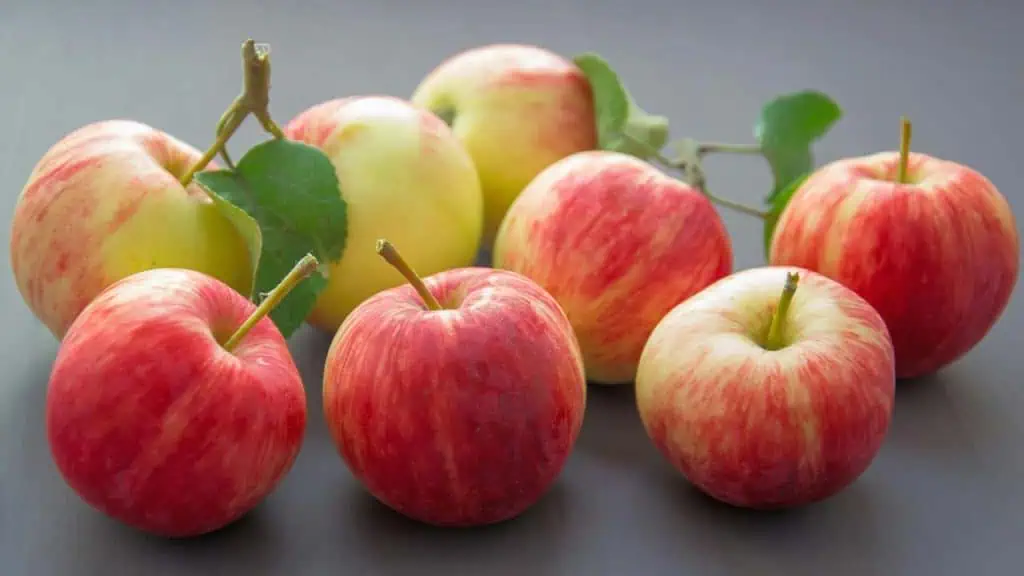
Apples are rich in soluble fiber, particularly pectin, which aids digestion by promoting healthy gut bacteria. To make the most of apples, enjoy them with the skin on, as it contains most of the fiber. Choose varieties like Fuji or Granny Smith for a balance between sweetness and tartness. Consider slicing apples thinly and tossing them in salads, baking them into oatmeal, or enjoying them as a simple snack with almond butter to boost both flavor and nutritional benefits.
Oats: Start Your Day Digestively Right

Oats provide an excellent source of soluble fiber, particularly beta-glucan, which supports healthy gut flora and can help lower cholesterol. Opt for steel-cut or rolled oats for maximum nutritional value. Cook them slowly, allowing for a creamy texture, and try adding cinnamon, which has anti-inflammatory properties, to enhance both taste and health benefits. For added protein and flavor, stir in nuts or seeds just before serving.
Flaxseeds: Tiny Seeds, Big Benefits

Flaxseeds are packed with omega-3 fatty acids and lignans, offering anti-inflammatory benefits while promoting gut health. For optimal absorption, choose ground flaxseeds over whole ones, as they are easier to digest. Sprinkle them over oatmeal or yogurt, or incorporate them into smoothies or baked goods. Store them in the refrigerator to keep them fresh and nutritionally potent, preserving their rich, nutty flavor.
Almonds: Crunchy and Gut-Friendly

Almonds are a great source of prebiotic fiber, nourishing beneficial gut bacteria. Their healthy fats also contribute to a balanced diet. For best results, opt for raw or lightly toasted almonds without salt. They can be chopped and added to salads, blended into almond butter, or simply enjoyed as a snack. Soaking them overnight can enhance digestibility, making them even more nutritious and easier on the stomach.
Sauerkraut: Fermented Flavor for Your Gut

Sauerkraut is a powerhouse of probiotics, crucial for maintaining a healthy digestive system. To ensure the best benefits, choose unpasteurized sauerkraut found in the refrigerated section, as it contains live beneficial bacteria. It can be a tangy addition to salads, sandwiches, or even a side dish paired with meats. Incorporating just a small portion daily can significantly improve gut flora and aid digestion without overwhelming the palate.
Kimchi: Spice Up Gut Health

Kimchi, a staple in Korean cuisine, offers a powerful way to enrich your gut microbiome. Fermented cabbage and radishes, spiced with garlic, ginger, and chili, provide natural probiotics that support digestion. To maximize its benefits, ensure fermentation for at least a week, allowing beneficial bacteria to thrive. Try incorporating it into meals as a condiment, or serve it alongside grains for a spicy, tangy boost. Its combination of heat and umami livens up dishes while supporting gut health with every bite.
Yogurt: Creamy Probiotic Delight

Yogurt’s creamy texture and tangy flavor make it a versatile probiotic-rich food that supports digestive balance. Choose plain, unsweetened varieties with active cultures for the best health impact. Use yogurt as a base for smoothies, or top it with fruits and nuts for a satisfying breakfast. Incorporate it into savory dishes like marinades and salad dressings to enrich flavors and add a smooth texture. Its natural probiotics help maintain a healthy gut flora, aiding digestion and nutrient absorption effectively.
Kefir: Drink Your Way to Digestive Health

Kefir, a tangy, fermented milk drink, offers a potent dose of probiotics, boasting more strains than yogurt. Its effervescent texture adds an invigorating twist to beverages. Opt for plain, low-sugar options to avoid masking its gut benefits. Blend kefir into smoothies, or enjoy it straight as a refreshing, digestive-friendly drink. Regular consumption supports a robust gut microbiota, thanks to its rich bacterial and yeast composition, enhancing digestive comfort and overall well-being.
Dark Chocolate: Sweet, Yet Gut-Friendly

Dark chocolate, especially varieties with at least 70% cocoa, offers a surprising benefit to gut health. It contains prebiotics and polyphenols, which feed good gut bacteria. Incorporate small amounts into your diet to enjoy both its rich flavor and digestive benefits. Melt it to drizzle over fruits or nibble a square as a post-meal treat. Moderation is key, as its dense, bittersweet flavors make even a little go a long way. The blend of pleasure and prebiotic support makes it a unique yet indulgent choice.
Green Tea: Antioxidant-Rich, Digestively Slick

Green tea, with its high antioxidant content, supports digestion through catechins that enhance the digestive process. Enjoy its delicate, slightly grassy flavors by steeping it at 80°C (176°F) for 2-3 minutes to avoid bitterness. This soothing brew aids digestion and can be sipped throughout the day. Pair with mild snacks or serve after meals to cleanse the palate. Its gentle, aromatic qualities complement its ability to foster a balanced gut, making it an ideal choice for digestive health.
Miso: Savory Asian Gut Soother

Miso, a traditional Japanese paste made from fermented soybeans, salt, and koji mold, serves as an excellent way to introduce beneficial probiotics into your diet. Its rich umami flavor enhances soups, dressings, and marinades, while subtly supporting gut health. When using miso, avoid boiling, as high heat destroys its probiotics. Instead, dissolve it in a bit of warm—not hot—liquid to preserve its live cultures. Light miso offers a milder taste, suitable for delicate dishes, while darker varieties bring depth to robust recipes. Experiment by blending miso into your favorite sauces to create nutrient-rich meals with an extra layer of savory complexity.
