
12 regional breads that tell the story of America’s food traditions
The diverse landscape of American cuisine is deeply rooted in its regional breads, each telling its own story through ingredients and methods. These breads serve as a delicious testament to the country’s varied culinary heritage, showcasing the ingenuity of generations past. From the tangy notes of San Francisco’s sourdough to the comforting crumb of Southern cornbread, they underscore the importance of tradition in food preparation and hospitality. As we explore these iconic loaves, we celebrate the flavors and techniques that have shaped America’s culinary identity.
San Francisco’s Tangy Sourdough
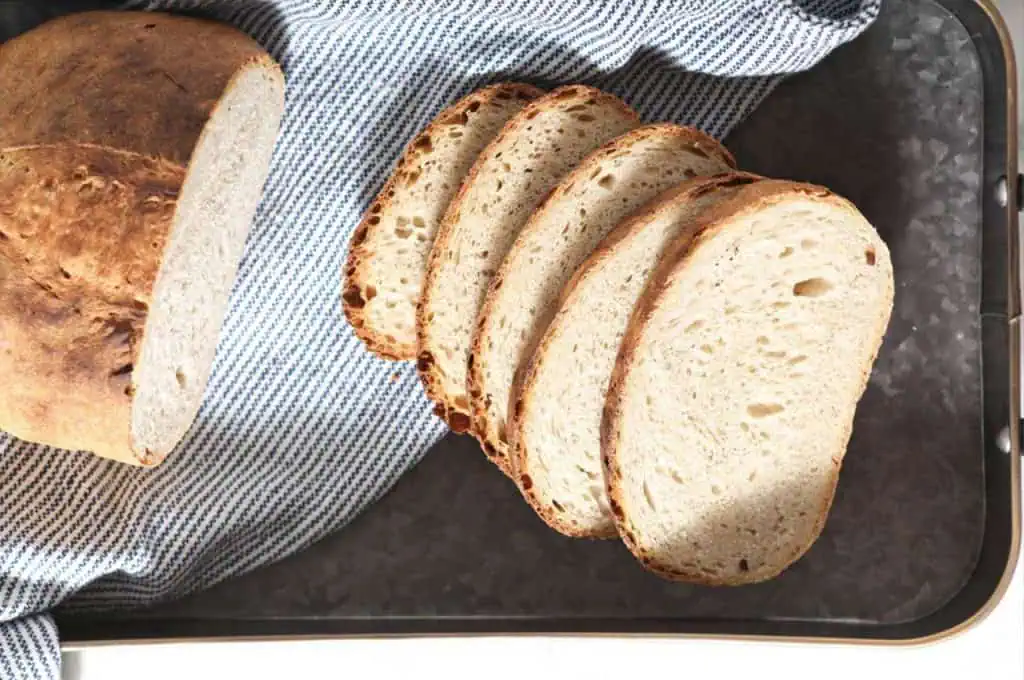
San Francisco sourdough is renowned for its uniquely tangy flavor, a result of the cool, foggy climate that nurtures the wild yeasts. Creating this bread involves a careful balance of traditional techniques and patience, as the starter, comprised of flour and water, develops over time. Key to its distinct taste is the lactic acid bacteria, which impart the signature sourness. Use a bread flour for structure, and ensure a high hydration level to achieve the desired chewy texture and crusty exterior. Mastering the art of folding and resting during the proofing process is essential for building that open crumb structure.
Get the recipe: San Francisco Sourdough Bread
Southern Comfort: Classic Cornbread
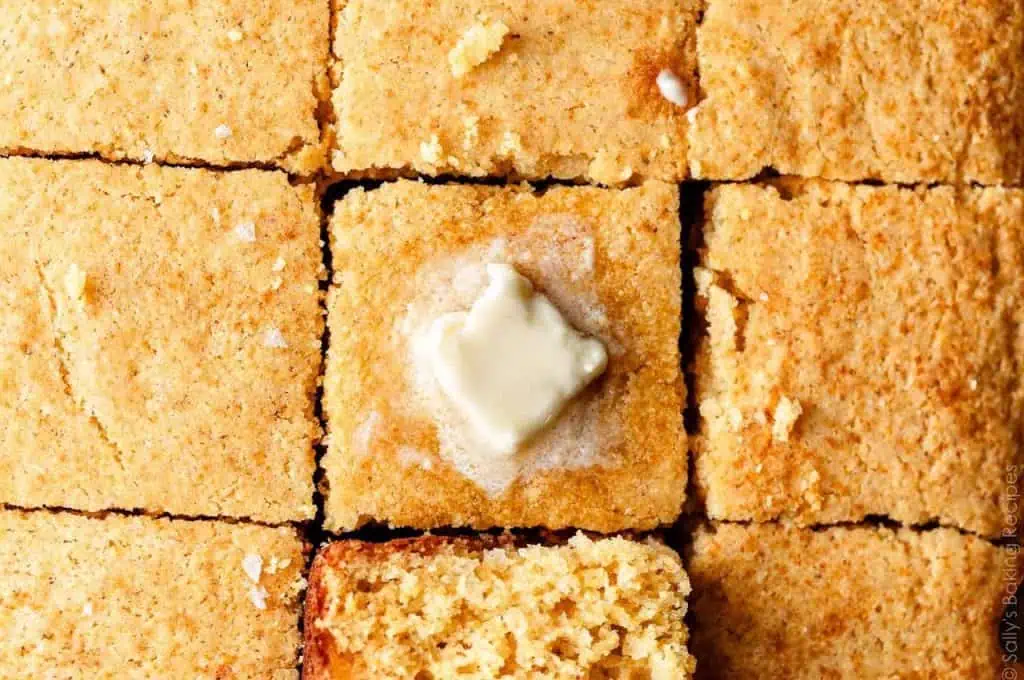
Classic Southern cornbread is a beloved staple that embodies simplicity and flavor. Made with stone-ground cornmeal, this bread carries a hearty texture that pairs perfectly with rich Southern dishes. Traditional recipes use buttermilk for acidity and moisture, enhancing the bread’s tender crumb. Preheating the skillet, often cast iron, ensures a crispy crust that contrasts beautifully with the soft interior. For authenticity, avoid sweeteners, allowing the natural sweetness of the corn to shine. This cornbread is best served warm, often complementing stews or simply with a pat of butter.
Get the recipe: Cornbread
New England’s Anadama Tradition

Anadama bread hails from New England, characterized by its rich molasses flavor and hearty texture. This traditional loaf combines cornmeal and molasses, ingredients that reflect the region’s historical reliance on local crops. The dough requires a careful mix of molasses for a subtle sweetness and rye flour for a dense, slightly chewy crumb. Patience during proofing enhances the flavor development, while a medium bake ensures a tender interior and a golden crust. Serve it as an accompaniment to chowders or soups, where its robust notes wonderfully complement savory dishes.
Get the recipe: New England Anadama Bread
Salt-Rising Bread from Appalachia
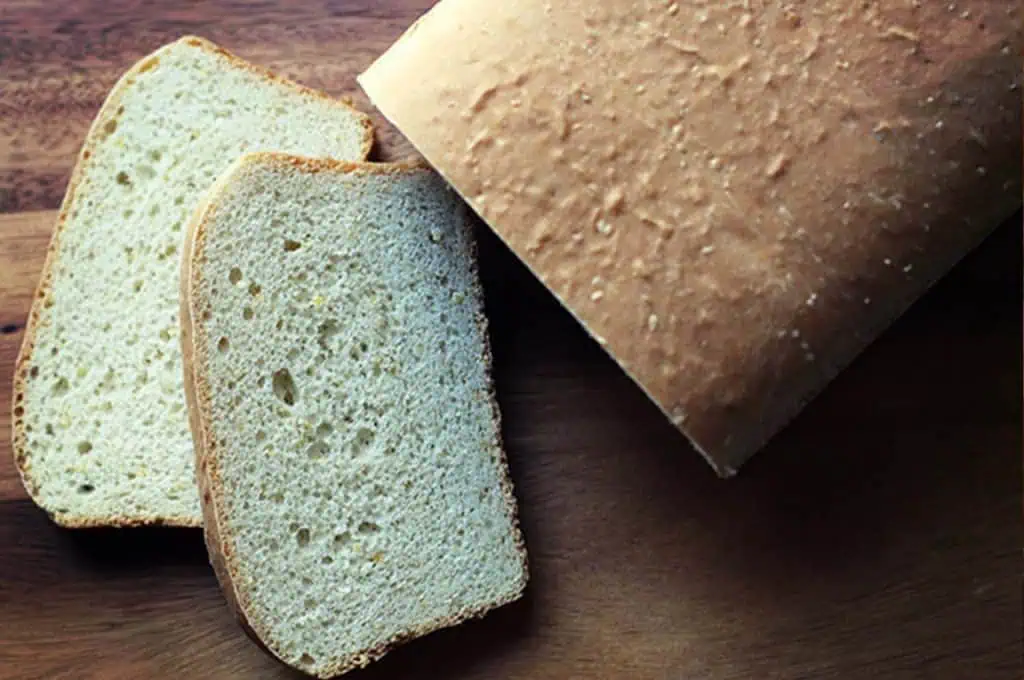
Salt-rising bread is a distinctive Appalachian tradition, known for its unique fermentation process, which eschews yeast for naturally occurring bacteria. This bread requires careful attention to temperature, as the starter relies on ambient warmth to cultivate the bacteria that produce its characteristic cheesy aroma and dense crumb. A combination of flour, milk, and sometimes potatoes creates a foundation for fermentation. Consistency and timing are crucial, with the bread undergoing multiple rises before baking. Enjoy this bread toasted, as the flavors intensify, providing a comforting backdrop to butter and preserves.
Hawaiian Sweet Bread: A Taste of Paradise

Hawaiian sweet bread is a soft, fluffy loaf characterized by its subtle sweetness and enticing golden hue. Incorporating pineapple juice and honey, this bread captures the essence of the islands. The dough’s moisture level is key, so carefully measure the liquids for optimal texture. Kneading until smooth enhances the elasticity, while a longer proofing time allows the sugars to develop deep flavor. Baked to a light brown, its tender crumb makes it ideal for breakfast toast or a delightful accompaniment to savory dishes.
Get the recipe: Hawaiian Bread
Sheepherder’s Bread of Nevada
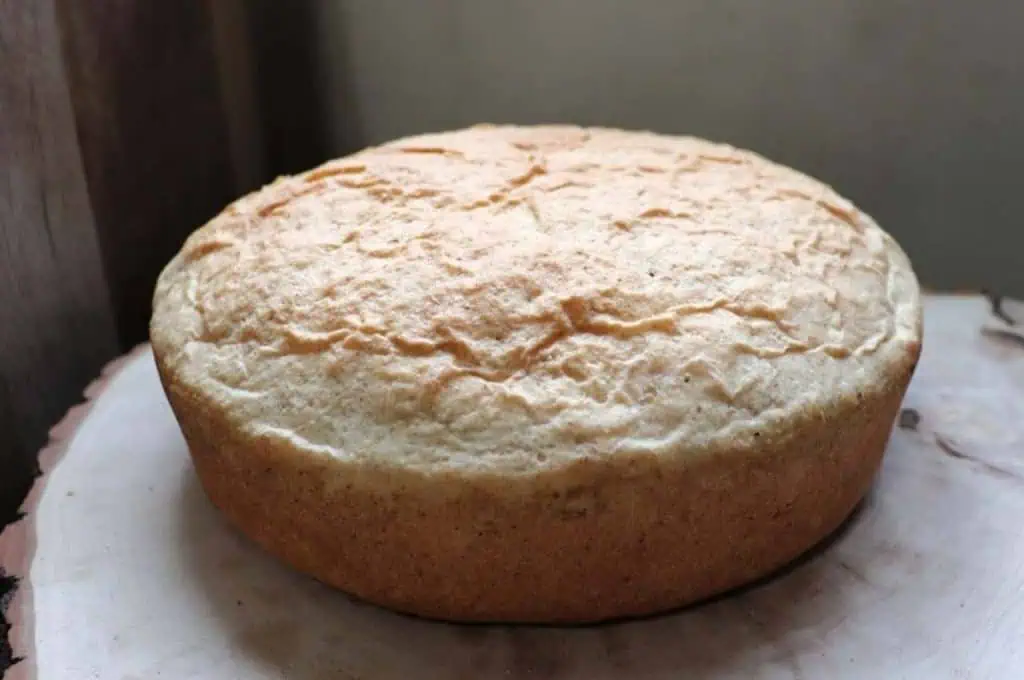
Rooted in Basque traditions, sheepherder’s bread is a hearty, rustic loaf with a chewy crust and soft interior. Baking it in a Dutch oven simulates the original bastible method, yielding even heat distribution and a perfect crust. A simple ingredient list, flour, water, salt, yeast, highlights the importance of technique. Allow the dough to rise slowly, developing a tangy complexity. The final bake results in a robust loaf that complements soups and stews, reflecting its origins as sustenance for hardworking herders.
Get the recipe: Shepherd’s Bread
Lefse: Scandinavian Roots in the Midwest
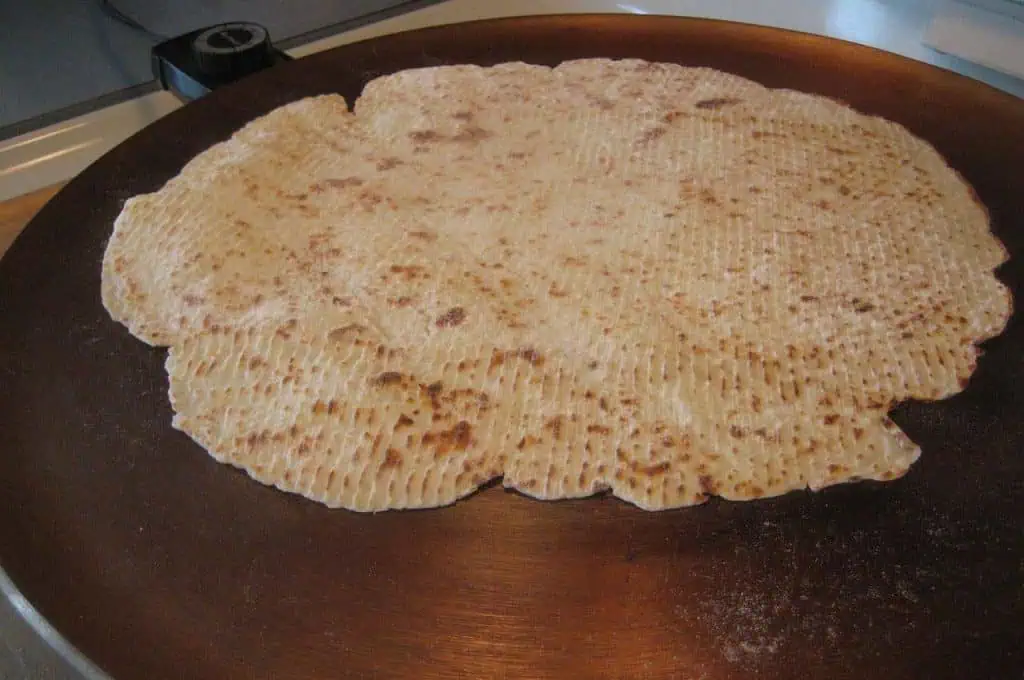
Lefse, a soft Norwegian flatbread, is cherished in the Midwest for its delicate texture and simplicity. Traditionally made with riced potatoes, flour, and cream, it requires skillful handling. Rolling it thinly on a floured board and cooking on a hot, dry griddle ensures the tender, pliable quality. Serve it warm with butter and sugar or use it as an adaptable wrap. The meticulous process of preparation honors its heritage, preserving its role as a festive and comforting culinary tradition.
Frybread: Tradition of Indigenous Nations
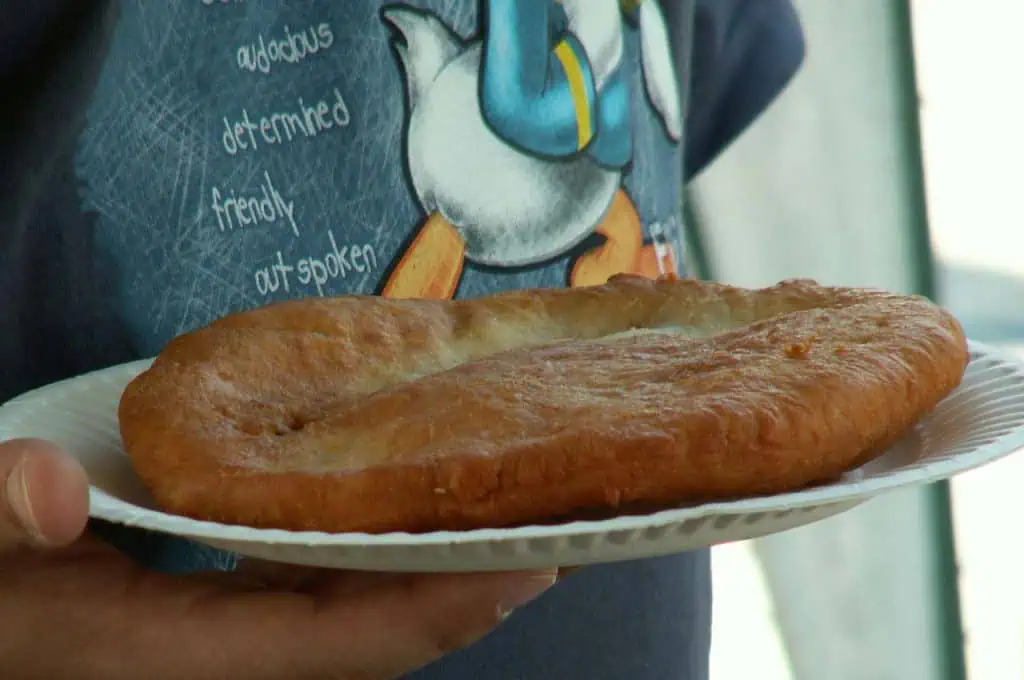
Frybread, with its golden crisp exterior and soft inside, holds cultural significance across Indigenous nations. Its simple ingredients—flour, salt, baking powder, and water—offer versatility in preparation. The dough’s resting phase is crucial to reduce gluten formation, ensuring a tender bite. Fry in hot oil until puffed and browned. Often topped with savory or sweet accompaniments, frybread serves as a testament to resilience and creativity, adapting to available resources while preserving heritage.
Hardtack: Seafaring Staple of New England

Hardtack is a dense, long-lasting bread that was a vital provision for sailors in New England. Made from flour, water, and salt, it exemplifies simplicity and endurance. The dough is rolled flat and pricked to ensure even drying, then baked slowly to remove moisture. This method prevents spoilage during long voyages. Hardtack’s practicality makes it less about flavor and more about preservation, reflecting a maritime necessity that reveals historical seafaring conditions and resourcefulness.
Benne Seed Rolls of South Carolina
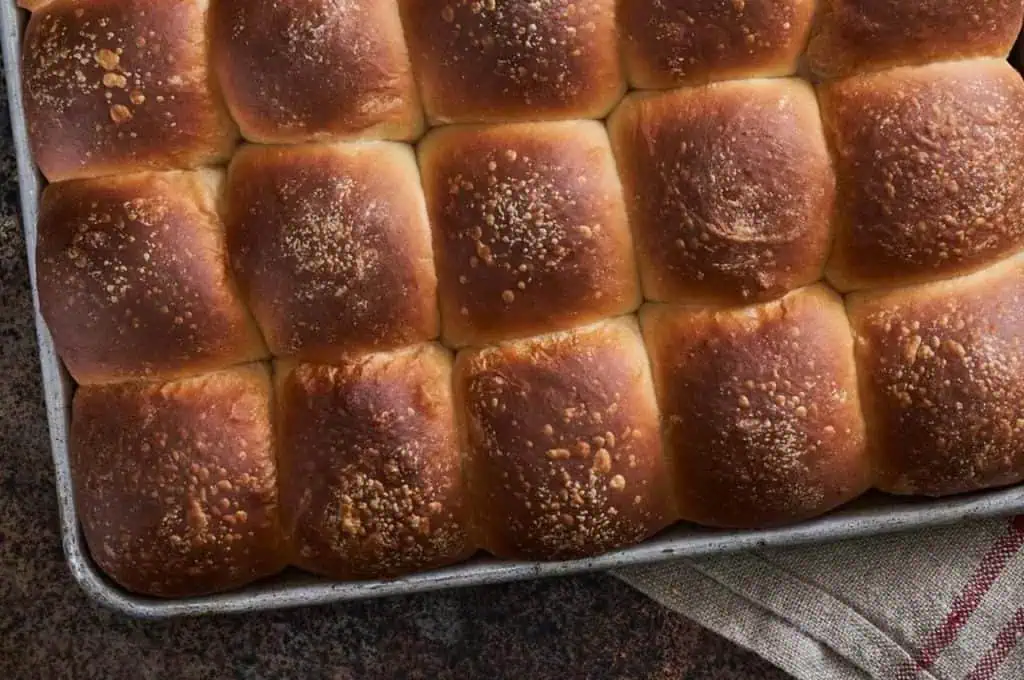
Benne seed rolls are an essential bite of South Carolina’s culinary history. These delicate rolls feature a nutty flavor derived from the benne seeds, akin to sesame, which were brought to the region during the transatlantic slave trade. The rolls are light and airy, with a soft crumb that comes from a well-kneaded dough enriched with milk and butter. Toasting the benne seeds before mixing them into the dough maximizes their aroma, and brushing the rolls with melted butter right before baking ensures a golden-brown crust.
Get the recipe: Benne Seed Rolls
Mountain West’s Dutch Oven Soda Bread

Dutch oven soda bread finds its roots in the rugged terrain of the Mountain West, where practicality meets flavor. This bread leverages the combination of baking soda and buttermilk to create a quick, no-yeast rise, resulting in a dense and hearty loaf. The use of a Dutch oven provides even heat distribution, forming a crisp, rustic crust. Incorporating whole wheat or rye flour can deepen the earthy notes, while adding caraway seeds or dried fruits introduces subtle complexity, adapting beautifully to the region’s diverse palate.
Get the recipe: Irish Soda Bread (Baked In A Dutch Oven)
Potato Bread of Pennsylvania Dutch
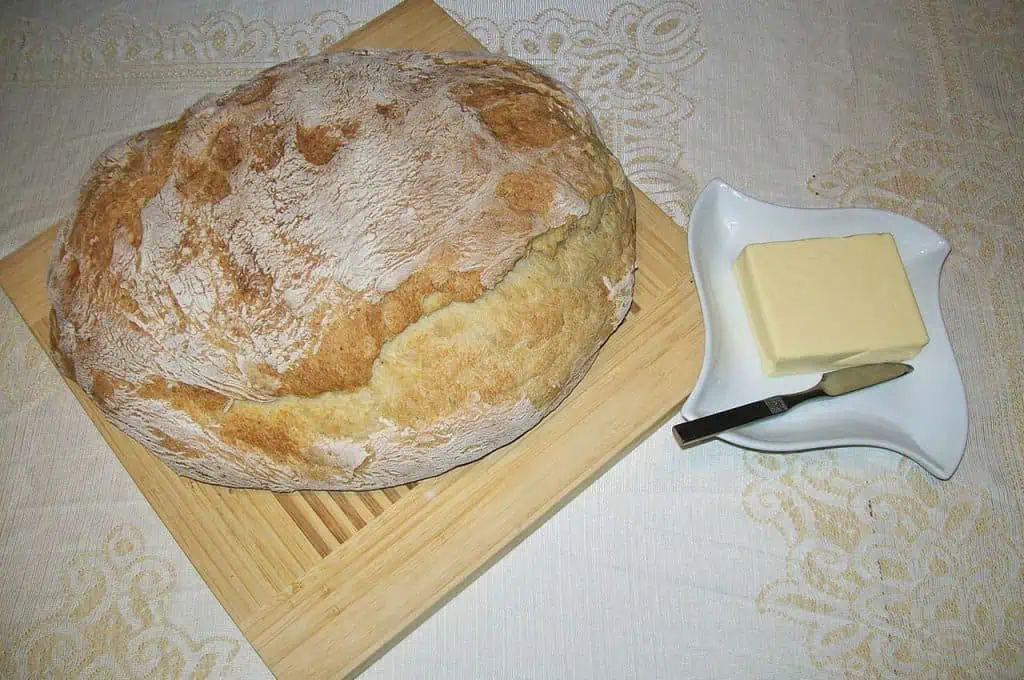
Potato bread from the Pennsylvania Dutch is a comforting staple that highlights resourcefulness and flavor. This bread is uniquely tender and moist due to the inclusion of mashed potatoes in the dough, which helps retain moisture and prolong freshness. The subtle sweetness of potatoes complements the slight tang of buttermilk, a frequent addition. Regular kneading ensures even texture, while baking in a well-preheated oven produces a robust crust. Variations like adding fresh herbs or roasted garlic can elevate this traditional bread to new heights.
