
Better-for-You Sweeteners: 6 Natural Alternatives That Elevate Your Cooking
Cutting back on refined sugar doesn’t have to mean giving up sweetness altogether! In fact, some of the most delicious and nutritious alternatives are sitting right in your pantry, waiting to transform your favorite recipes. From the golden richness of honey to the earthy caramel notes of maple syrup, these natural sweeteners offer more than just flavor—they come packed with antioxidants, minerals, and even potential health benefits that refined sugar simply can’t match. Whether you’re drizzling, stirring, or baking, each sweetener brings its own unique personality to the table, allowing you to reduce sugar intake while actually enhancing the depth and complexity of your dishes. The best part? Making the switch is easier than you think, and your taste buds will thank you!
Ready to rethink your sweetener game? We’re talking about honey, which a sweeping review of 48 clinical trials linked to improved heart health, reduced inflammation, and better glucose tolerance compared to refined sugar. Then there’s pure maple syrup, packed with over 24 antioxidants and minerals like manganese and zinc that support bone and immune health. For those watching calories, stevia offers sweetness 200–300 times stronger than sugar—without the glycemic spike—while monk fruit adds zero-calorie sweetness with powerful antioxidant properties. And don’t overlook pureed fruits like applesauce or bananas, which bring natural fiber and moisture to baked goods, or fruit juices that can be reduced into rich, flavorful syrups. These natural alternatives prove that sweetness can be both delicious and nutritious—so go ahead, experiment, and discover a whole new world of flavor!
Honey: Nature’s Golden Sweetness

Honey isn’t just a natural sugar, it’s a nutritional ally rich in phenolic compounds with antioxidant, anti-inflammatory, antimicrobial, and cardiometabolic benefits. A sweeping review of 48 clinical trials (3,655 people) published in Nutrients linked honey intake to improved markers of heart health, inflammation, and glucose tolerance compared to refined sugar. Some studies even found honey suppressed hesitation to alcohol and eased chemotherapy-induced mucositis. Whether spooned, drizzled, or stirred in tea, honey is more than flavor, it’s functional.
Maple Syrup: Tapping into Flavor
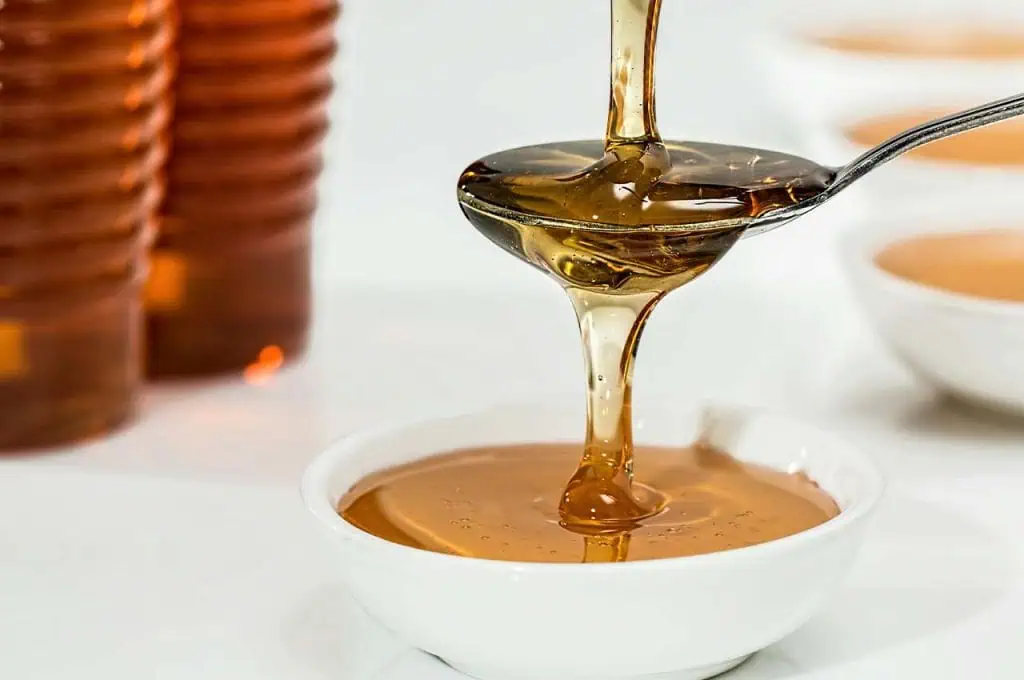
More than a pancake topper, pure maple syrup carries a unique nutritional profile with over 24 antioxidants, including phenolic compounds shown to reduce oxidative stress. A study in the Journal of Functional Foods found maple syrup extract may help slow enzymes linked to type 2 diabetes, giving it a potential metabolic benefit compared to refined sugar. It’s also a source of minerals like manganese and zinc, which support bone and immune health. With its rich caramel notes, maple syrup delivers sweetness layered with wellness.
Stevia: The Leafy Sugar Substitute

Stevia, derived from the leaves of Stevia rebaudiana, packs powerful sweetness, about 200–300 times stronger than table sugar, without adding calories. The European Food Safety Authority (EFSA) has confirmed its safety as a sugar substitute, and studies suggest stevia may help regulate blood sugar and improve insulin sensitivity. Its clean, herbal sweetness makes it ideal for beverages and light desserts, offering a natural way to enjoy flavor without spiking glucose.
Pureed Fruits: Sweetness with Fiber

Using pureed fruits like applesauce, prunes, or bananas provides natural sweetness plus fiber, vitamins, and antioxidants. Research published in the Journal of Nutrition and Health Sciences highlights that fruit-based sugar replacements lower overall glycemic load compared to refined sugar, supporting better blood sugar control. Beyond sweetness, purees also add moisture and natural binding properties in baking, making them a wholesome swap that enhances both flavor and nutrition.
Monk Fruit: The Sweet Little Secret
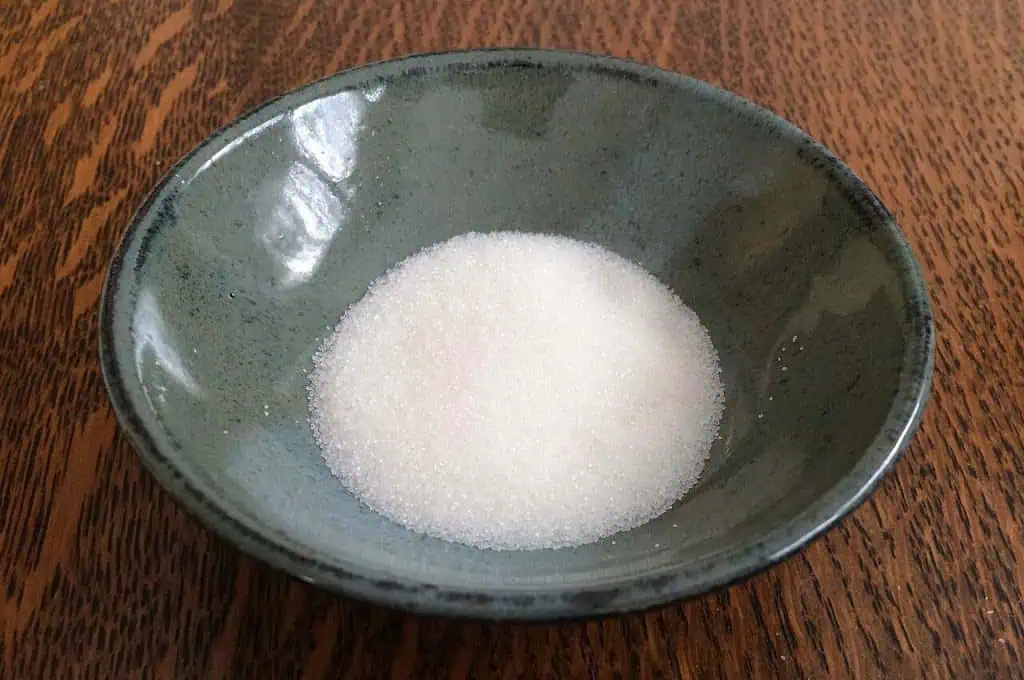
Monk fruit, or luo han guo, is naturally 150–200 times sweeter than sugar, thanks to compounds called mogrosides. Research in the Journal of Agricultural and Food Chemistry shows mogrosides have strong antioxidant and anti-inflammatory properties, giving monk fruit an edge beyond sweetness. With no calories or impact on blood sugar, it’s a safe option for diabetics and those reducing refined sugar. Its neutral taste makes it versatile across beverages, sauces, and baked goods.
Fruit Juice: Naturally Sugary Splashes

100% fruit juices like apple, grape, or pear can act as natural sweeteners while delivering polyphenols and vitamin C. A study in the British Journal of Nutrition found that moderate use of fruit juice polyphenols may support cardiovascular health by improving blood vessel function. Reduced into syrups or swapped in for sugar, juices add depth of flavor while maintaining nutritional benefits. Choosing no-added-sugar varieties ensures you’re enhancing dishes with nature’s own sweetness.
