
12 Real foods from the Past that feel like a Dare Now
Before refrigeration, strict food safety rules, and abundance, people ate what survived, what filled stomachs, and what avoided waste. Texture, smell, and appearance mattered far less than calories and preservation. Many foods that once felt normal now trigger hesitation, discomfort, or outright disgust. If served today, these dishes wouldn’t be approached with curiosity; they’d feel like a test of nerve. Here are real foods from the past that now feel less like cuisine and more like a dare.
Hardtack
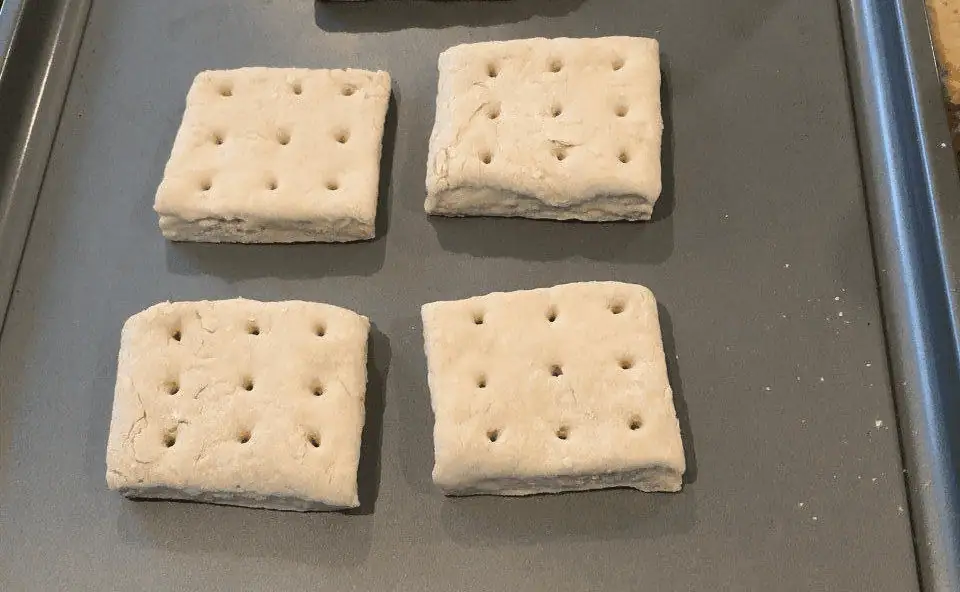
Hardtack was designed for survival, not enjoyment. Made from flour, water, and salt, it was baked repeatedly until all moisture was gone, creating a biscuit so hard it could last for years. Soldiers and sailors relied on it daily, often soaking it in coffee or stew just to make it chewable. Bugs were common, flavor was nonexistent, and broken teeth were a real risk. Eating hardtack today would feel less like food and more like an endurance challenge, testing patience, jaw strength, and expectations of what a meal should be.
Jellied Eels

Jellied eels were once everyday street food, especially in working-class cities. Eels were chopped, boiled, and cooled until their natural gelatin formed a trembling, glossy mass. Served cold, the dish prioritized preservation over pleasure. Modern diners struggle with the slippery texture, fishy smell, and visual wobble. Even before tasting it, the appearance alone feels confronting. One bite today would feel like accepting a dare rather than enjoying a dish meant to comfort or satisfy.
Pickled Pig’s Feet
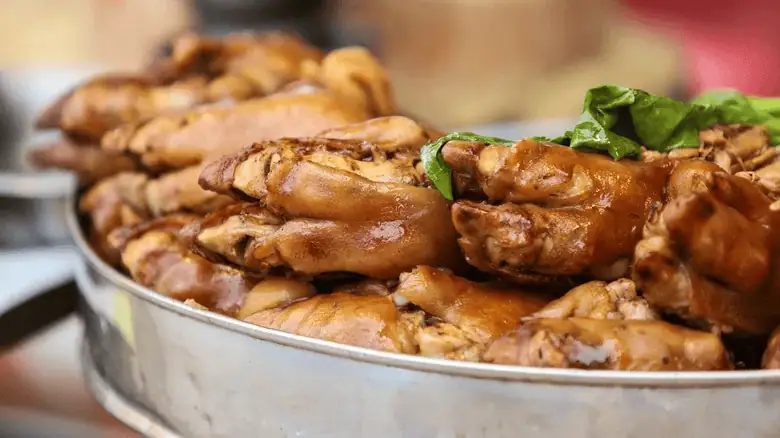
Pickled pig’s feet relied on vinegar to preserve collagen-rich cuts when refrigeration didn’t exist. The feet were simmered, then submerged in acidic brine, creating a sour, gelatinous food that could last for long periods. Historically valued for nutrition and thrift, the dish now feels extreme. The slippery texture, sharp acidity, and unmistakable anatomy make it emotionally challenging. Modern eaters often hesitate before even touching it, making the experience feel more like a test of bravery than hunger.
Head Cheese

Head cheese is made from meat, skin, and gelatin from an animal’s head to form a cold terrine. Nothing was hidden; connective tissue and structure were clearly visible. In the past, this represented efficiency and respect for resources. Today, the transparency is exactly what unsettles people. Slicing into a gelatinous loaf made from a head feels confronting, even to adventurous eaters. The challenge isn’t the flavor alone, but accepting what you’re clearly seeing on the plate.
Blood Pudding

Blood pudding combined fresh animal blood with grains and fat to create a dense, iron-rich food. It was practical, filling, and waste-free. While still eaten in some cultures, many modern diners struggle with blood as an ingredient, regardless of taste. The dark color, metallic associations, and knowledge of how it’s made create a mental barrier. Even explaining what blood pudding is can feel like issuing a dare, let alone taking the first bite.
Boiled Tripe
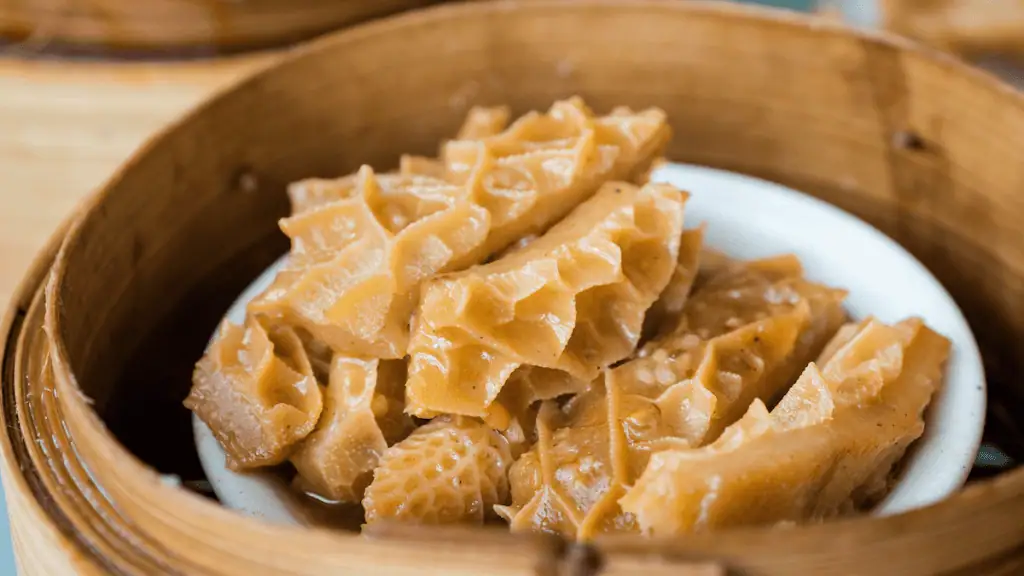
Tripe comes from cow stomach lining and was eaten widely because wasting animal parts wasn’t acceptable. It was boiled for hours to soften its tough texture, producing a strong, lingering odor. People valued it for calories and nourishment, not enjoyment. Modern eaters, accustomed to mild flavors and clean cuts of meat, often find the smell and rubbery chew overwhelming. Trying boiled tripe today feels like pushing personal limits rather than seeking pleasure.
Suet Pudding

Suet pudding was built around raw animal fat mixed with flour and sometimes dried fruit, then boiled into a dense, heavy mass. It delivered enormous calories for people doing hard labor in cold climates. Modern palates, shaped by lighter desserts and fat awareness, often find it overwhelmingly greasy. One bite feels intensely rich and filling, making the dish feel more like a challenge to finish than something meant to be enjoyed casually.
Calf Brains

Calf brains were once considered delicate and nutritious, prized for their soft, creamy texture. Today, the psychological barrier alone makes them difficult to approach. Concerns about safety, texture, and the idea of eating brains combine to create instant discomfort. Even for adventurous eaters, the custard-like consistency and knowledge of what’s being eaten turn this dish into a mental dare rather than a culinary experience.
Potted Meat

Potted meat preserved leftovers by mincing them, seasoning heavily, and sealing them under thick fat to block air exposure. In its time, it was practical and even refined. Today, the greasy texture, lack of visual clarity, and mystery-meat appearance raise alarm bells. Eating it now would feel like accepting an unknown challenge, where the discomfort comes as much from uncertainty as from taste.
Mock Turtle Soup
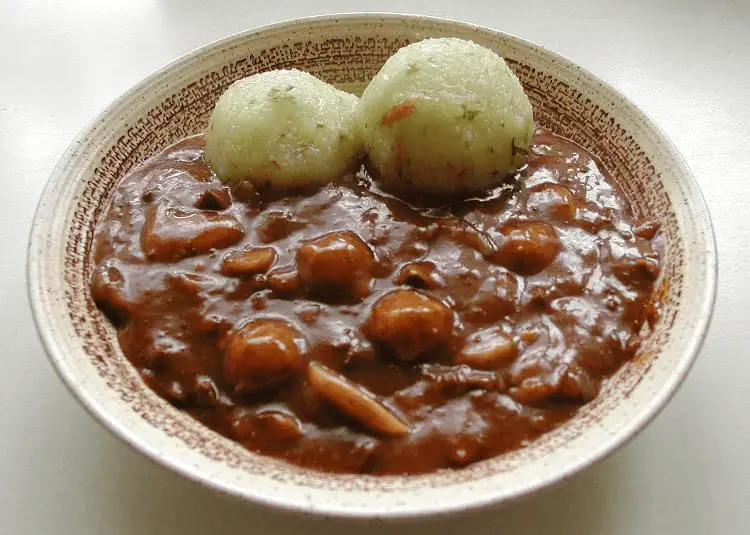
Mock turtle soup imitated expensive turtle soup using calf’s head and gelatin-rich cuts. It was once served at elegant dinners and considered impressive. Modern diners would struggle with the idea of boiling an entire animal head into soup. The thick, gelatinous broth and graphic preparation push this dish firmly into dare territory, especially when contrasted with its former status as refined cuisine.
Milk Porridge
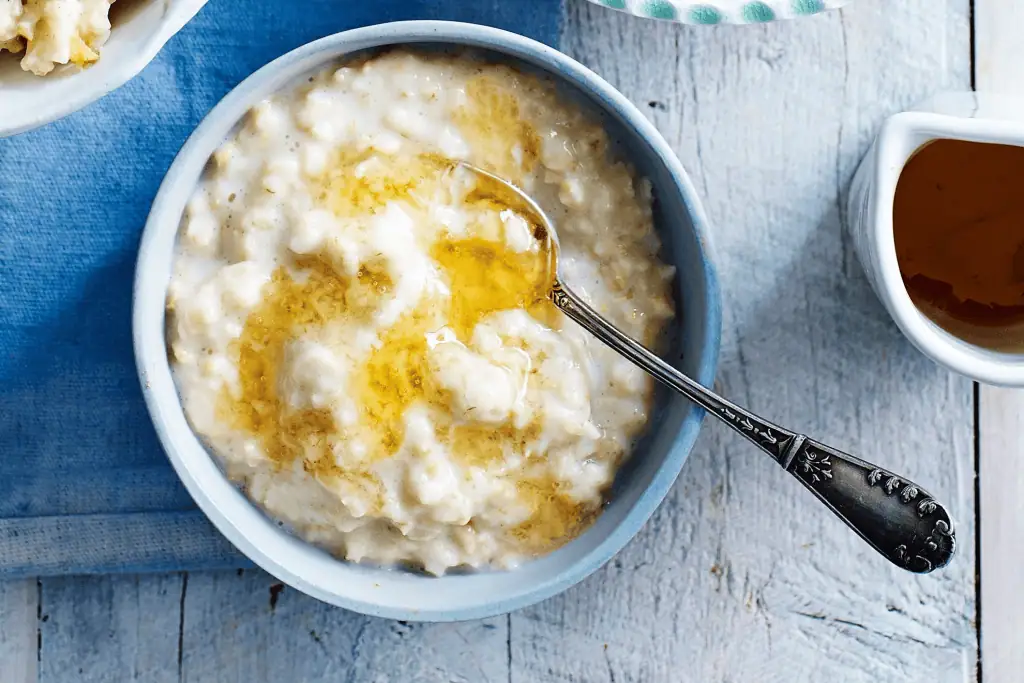
Milk porridge was a simple blend of grain and milk eaten daily for warmth and calories. It was repetitive, bland, and practical. While not visually shocking, its monotony would test modern eaters used to variety and bold flavors. Eating it occasionally might feel fine, but relying on it daily, as people once did, would feel like a challenge of patience rather than appetite.
Fermented Fish
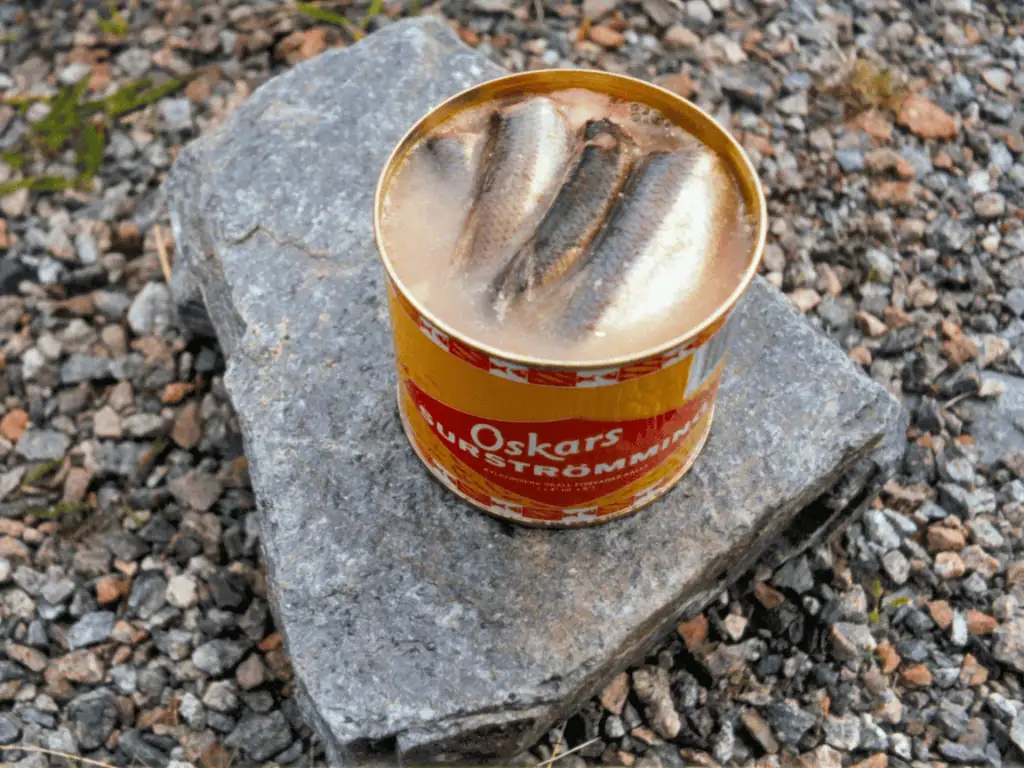
Fermented fish relied on controlled spoilage to preserve protein. Strong smells, soft textures, and intense flavors were expected and accepted. For modern eaters, the aroma alone can feel overwhelming. Opening a container often triggers immediate recoil before tasting even begins. Trying fermented fish today feels like a high-stakes dare, where smell, texture, and taste all challenge modern comfort zones at once.
