
10 Top Healthy Grains, Ranked from Least to Most Nutritious
Exploring grains offers a diverse spectrum of taste, texture, and nutrition that can invigorate any meal plan. While some grains provide essential nutrients, others offer rich flavors or culinary versatility. Identifying which grains are most nutritious helps refine choices to incorporate more healthful options in your diet. Here, we present a guide to ten popular grains, ranked from least to most nutritious, focusing on their unique properties and benefits. Whether you’re a culinary enthusiast or a health-conscious eater, this guide will enrich your kitchen repertoire.
White Rice: The Staple Starts Here
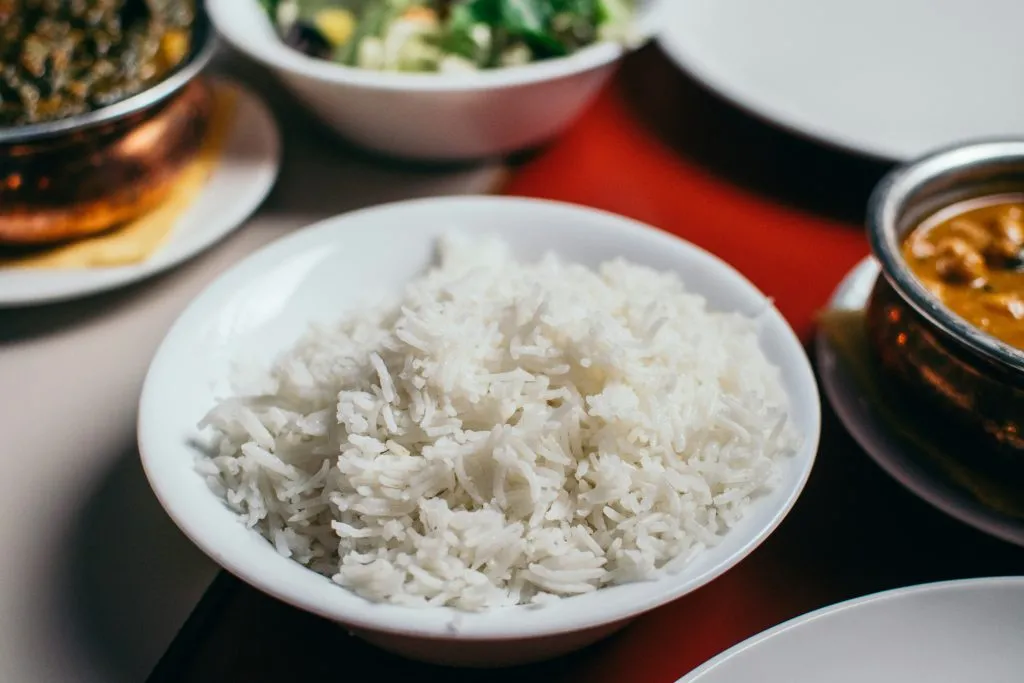
White rice is a kitchen staple, offering a reliable base for numerous dishes. Its mild flavor and fluffy texture make it a versatile accompaniment for bold sauces and spices. However, it ranks lower in nutrition due to the milling process, which removes the bran and germ, stripping away fiber and essential nutrients. To maximize its limited nutritional profile, pair white rice with nutrient-dense ingredients like vegetables or lean proteins. Cooking methods such as steaming or boiling preserve its texture, while a quick rinse before cooking helps achieve a perfect, non-sticky result.
Corn: Pop, Grind, or Cook

Corn is a multifaceted grain, enjoyed fresh on the cob, popped into a snack, or ground into flour. It’s rich in carbohydrates and offers a moderate amount of fiber, though it’s lower in protein compared to other grains. Corn’s naturally sweet flavor is enhanced through grilling, which also imparts a smoky depth. For a more nutritious preparation, choose whole cornmeal or opt for popcorn, as these have more fiber and nutrients intact. To preserve its vibrant taste, corn should be cooked briefly, whether boiling or roasting, to maintain its crisp-tender quality.
Millet: Beyond Birdseed
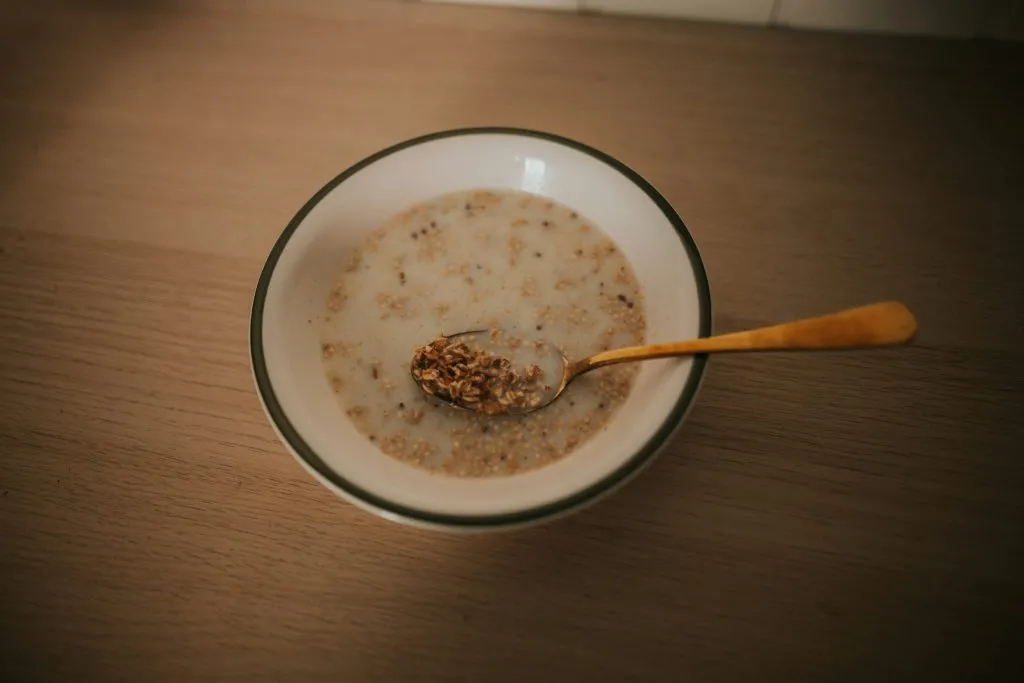
Millet, often overlooked, is a highly nutritious grain with a light, nutty flavor and fluffy texture when cooked. It’s gluten-free and rich in magnesium, copper, and phosphorus, making it a valuable addition to a balanced diet. Cooking millet involves simmering it in water or broth until tender, similar to rice, and it can be fluffed before serving. Its mild taste pairs well with savory spices or sweet ingredients, lending itself to a range of dishes from pilafs to porridges. Toasting the grains before cooking can enhance its natural nuttiness and elevate the overall flavor.
Sorghum: Ancient and Versatile

Sorghum is a robust grain prized for its hearty texture and versatility. Rich in fiber, protein, and antioxidants, sorghum stands out for its nutritional density. Naturally gluten-free, it can be used whole, popped like popcorn, or ground into flour for baking. Cooking whole sorghum requires boiling in ample water, similar to cooking pasta, until it’s tender yet slightly al dente. Its neutral flavor absorbs spices well, making it suitable for both savory and sweet preparations. Incorporating sorghum brings diversity to meals while supporting a healthful eating regime.
Barley: More Than Just Beer

Barley, with its distinct nutty flavor and chewy texture, can elevate a variety of dishes. When cooking pearled barley, use three cups of water to one cup of grain, simmering for about 45 minutes until tender. Its nutritional profile includes fiber, B vitamins, and selenium. Barley’s versatility makes it perfect for soups, salads, or as a rice substitute in risotto, adding a rich texture and subtle warmth. Toast the grains lightly before boiling to enhance their natural flavors and bring out a toasty undertone.
Rye: The Robust Choice

Rye offers a robust, earthy flavor that is integral in hearty breads and crackers. Whole grain rye flour can be used in baking, contributing more fiber and vitamins A, E, and K compared to refined flours. For a nutrient-dense bread, combine rye flour with a sourdough starter, allowing it to ferment overnight for best results. Fermentation improves digestibility and adds depth of flavor. Enjoy rye as a base for toppings like smoked fish or cheese, embracing its hearty, rustic character.
Brown Rice: Nutty and Nice

Brown rice retains its bran and germ layers, providing more fiber, magnesium, and selenium than white rice. To cook effectively, rinse the grains under cold water to remove excess starch, using two cups of water for each cup of rice. Simmer covered for about 45 minutes and let it rest off heat for 10 minutes to absorb any remaining moisture. Enhance its earthy, nutty notes by toasting the rice briefly in a pan with a touch of olive oil before adding water, lending a deeper dimension to your dishes.
Oats: Classic Breakfast Favorite
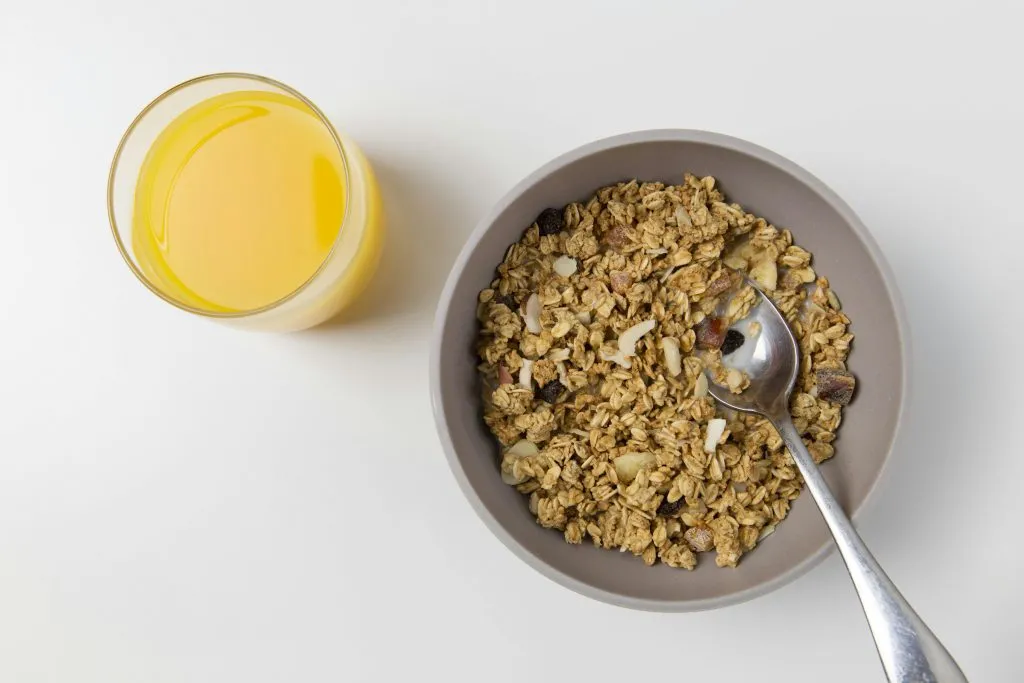
Oats are a classic choice for a wholesome start to the day, rich in beta-glucans, fiber, and protein. Opt for old-fashioned rolled oats for a chewy texture. Cook using a 2:1 ratio of liquid to oats, simmering gently for about 10-15 minutes. Enhance the oat porridge with a pinch of salt to highlight its natural sweetness and finish with toppings like fresh berries, nuts, or a drizzle of honey. For added texture and flavor, toast oats in a dry pan before cooking to unlock their nutty aroma.
Buckwheat: Not Just for Pancakes

Buckwheat, despite its name, is not a grain but a seed, known for its unique, earthy flavor and high antioxidant content. It is gluten-free and packed with essential amino acids. Toast raw buckwheat groats to enhance their flavor before cooking. Use two cups of water per cup of groats, boiling then simmering for about 15 minutes. Buckwheat can be a hearty base for salads, or served warm as a side dish, offering a satisfying texture and a slightly nutty taste that pairs well with vegetables and herbs.
Quinoa: The Protein Powerhouse

Quinoa sets the standard for a perfect protein source, boasting all nine essential amino acids. To achieve a fluffy texture, rinse thoroughly to remove its natural saponin coating, which can impart bitterness. Use a 2:1 water-to-quinoa ratio, bringing it to a boil, then simmering for about 15 minutes until translucent. It’s nutty flavor enhances salads and bowls, while its versatility makes it suitable for breakfast porridge. Choose red or black varieties for a crunchier texture and slight earthiness, enriching dishes with color and depth.
