
Healthiest Veggies, Ranked from Bottom to Top
Exploring the world of vegetables, we find a vast array of nutritional benefits packed into vibrant colors and varied textures. From root vegetables to green powerhouses, each type contributes differently to our dietary needs. This guide will rank some of the most popular vegetables, highlighting their unique health benefits and versatile culinary uses.
15. Potatoes – More Than Comfort Food

Potatoes often get a bad rap but offer surprising nutrition. Rich in vitamin C and potassium, they can enhance immune function and support heart health. Preparing them with the skin boosts their fiber content, making them more filling and beneficial. Try roasting potatoes with rosemary and garlic for a crispy, flavorful side that maintains nutritional integrity without excess calories.
14. Corn – Sweet and Nutritious

Corn is a beloved vegetable that doubles as a whole grain when minimally processed. High in fiber and naturally sweet, it supports digestive health and provides ample energy. The antioxidants lutein and zeaxanthin in corn aid in eye health. Grilled corn on the cob brings out its sugars, offering a delightful charred flavor, complemented by a sprinkle of lime and chili powder.
13. Eggplant – A Purple Powerhouse
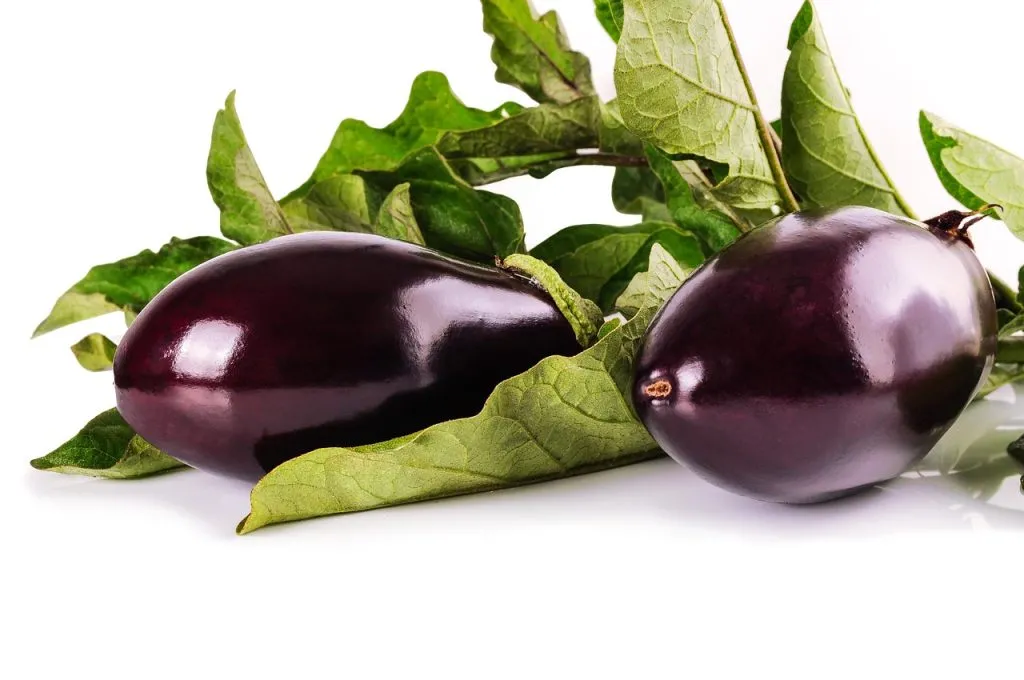
Eggplant stands out with its unique texture and rich purple hue, loaded with antioxidants like nasunin, known for protecting brain cells. Its high fiber and low-calorie content make it a dieter’s friend. Slicing eggplant, salting to remove bitterness, and grilling creates a smoky addition to meals. Layer it with tomatoes and mozzarella for a simple yet satisfying dish.
12. Carrots – Eye-Boosting Crunch

Carrots, identifiable by their vibrant orange color, are packed with beta-carotene, a precursor of vitamin A essential for vision health. Naturally sweet and crunchy, they are a versatile ingredient in numerous dishes. Roast them with a drizzle of honey and thyme to elevate their caramelized flavors while preserving their nutrients. Enjoy them raw for an energizing snack or salad companion.
11. Tomatoes – Juicy and Versatile
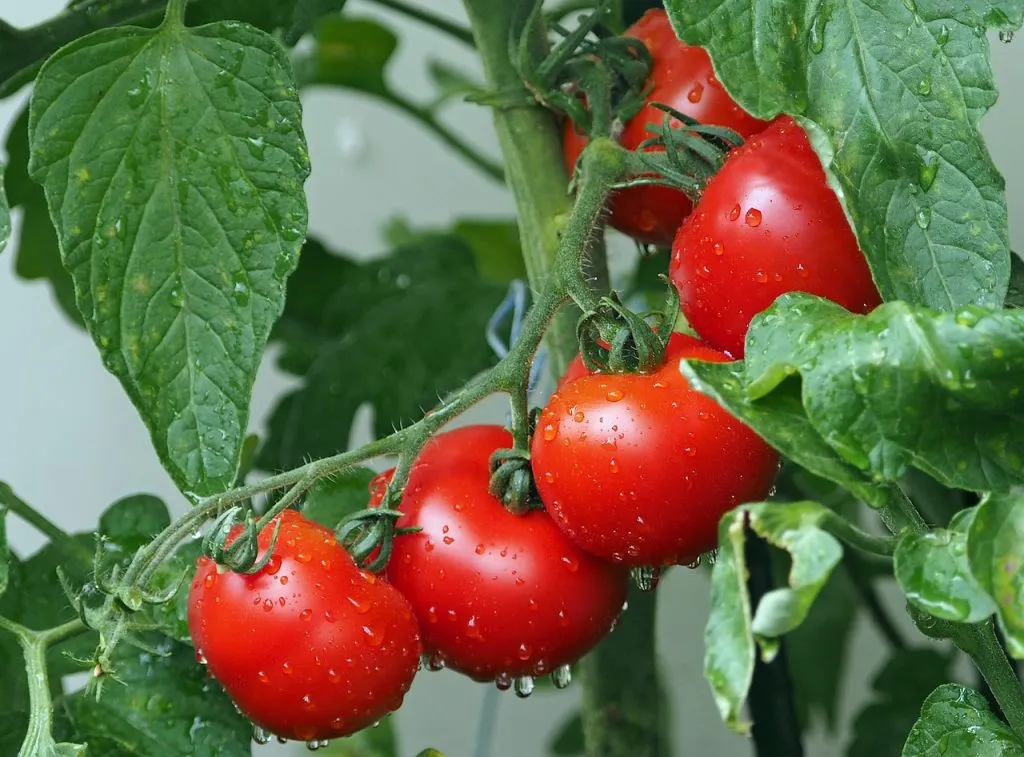
Tomatoes are a staple in kitchens worldwide, bringing a burst of flavor and nutrients to countless dishes. Rich in lycopene, they offer powerful antioxidant benefits. Use vine-ripened tomatoes for maximum sweetness and acidity balance. Incorporate them into fresh salads, salsas, or slow-cooked sauces, allowing their moisture and flavor to enhance the overall dish. Roasting tomatoes can deepen their flavor, concentrating their natural sugars. When preparing, opt for a sharp knife to preserve their juicy texture, ensuring clean cuts without squishing the flesh.
10. Onions – Flavor with Benefits
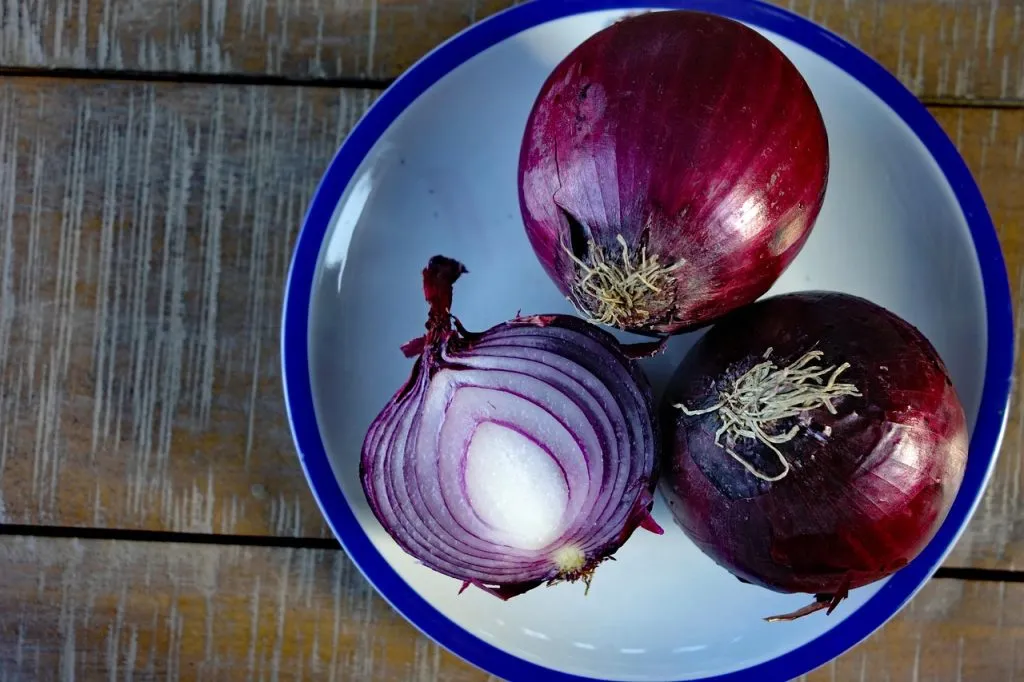
Onions are fundamental to flavor-building, lending depth and aroma to various cuisines. They contain compounds such as quercetin, which may support health. When sautéed slowly, onions become sweet and caramelized, making them perfect for enhancing stews, soups, and stir fries. Try different varieties: yellow for sweetness, red for sharpness, or shallots for a milder taste. Use a slice-and-peel technique to minimize tears, and always use a sharp chef’s knife to achieve precise, even cuts that allow for uniform cooking.
9. Cucumbers – Cool Hydration

Cucumbers are known for their refreshing crunch and hydrating qualities, as they’re composed of about 95% water. Their subtle flavor makes them ideal for salads, pickling, or a crisp addition to sandwiches. With minimal calories, cucumbers are an excellent choice for light, crunchy snacks. When preparing, consider leaving the skin intact to retain fiber and nutrients, but be sure to wash thoroughly with cold water to remove any waxy coating. Pair with dill and yogurt for a classic, cooling effect.
8. Broccoli – The Cruciferous King
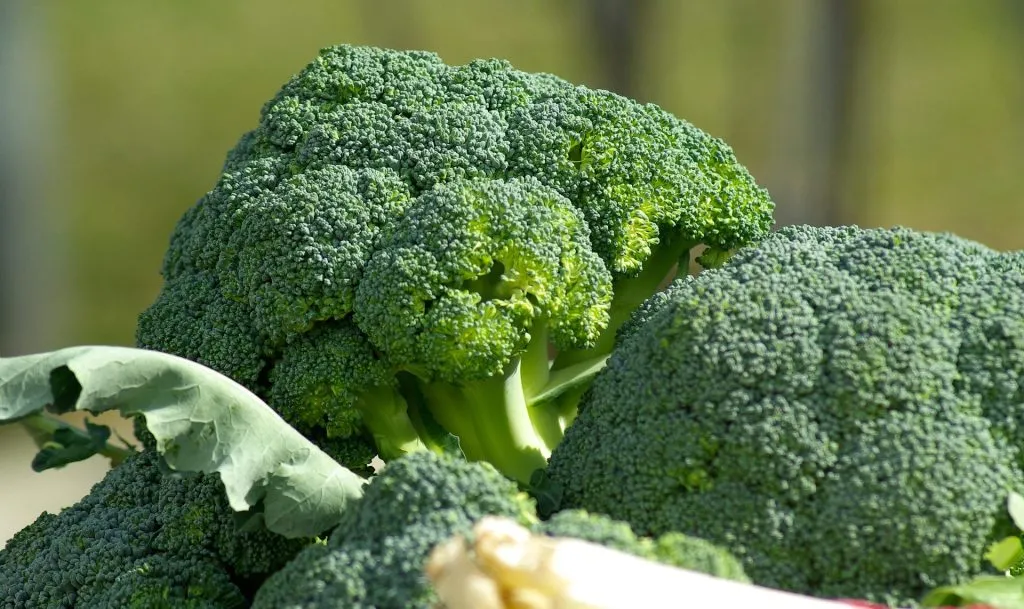
Broccoli’s reputation as a nutritional powerhouse is well-deserved, packed with vitamins C and K, fiber, and folate. Its robust cruciferous flavor pairs well with garlic and lemon, enhancing its health benefits. Opt for steaming to maintain vibrant green color and nutrient retention, or roast with olive oil for a nutty undertone. When trimming, use a paring knife to remove the stalk's tough exterior, making it tender for soups or stir-fries. Cut florets evenly to ensure uniform cooking.
7. Cabbage – The Leafy Wonder

Cabbage, with its crisp texture and earthy flavor, is highly versatile and nutritious, rich in vitamins C and K. From raw slaws to fermented kimchi, cabbage offers diverse culinary applications. To prepare, remove the outer leaves and core before slicing thinly for even cooking and enhanced flavor absorption. Balancing cabbage's distinct taste with ingredients like vinegar and caraway seeds can elevate its natural sweetness. Cooking methods range from quick sautéing to slow braising, allowing flavors to meld beautifully.
6. Bell Peppers – Colorful Nutrients

Bell peppers are a vibrant addition that brings both color and nutrition to any dish. High in vitamin C and antioxidants, these peppers enhance the immune system while adding crunch. Choose firm, glossy peppers for optimum freshness. Slicing them into strips allows for even cooking; sautéing briefly retains their vibrant color and satisfying texture. Red, yellow, and orange bell peppers have a sweeter flavor, ideal for fresh salads or quick stir-fries, while green peppers are perfect for heartier dishes due to their slightly bitter edge.
5. Romaine Lettuce – Crisp and Healthy

Romaine lettuce stands out with its crisp texture and subtle flavor. A rich source of vitamins A, C, and K, this leafy green supports bone health and boosts immunity. When preparing, rinse each leaf thoroughly to remove grit. Pat dry before using to maintain crispness. Romaine’s sturdy structure makes it ideal for Caesar salads or as a base for hearty grain bowls. Consider grilling romaine halves briefly for a warm twist, enhancing their natural sweetness and adding a smoky depth to your dish.
4. Garlic – Nature’s Antioxidant

Garlic is a culinary powerhouse with potent antioxidant properties. Rich in allicin, it supports heart health and has anti-inflammatory effects. When using garlic, slightly crush the cloves before chopping to release maximum flavor. Allowing it to sit for a few minutes before cooking enhances its health benefits. Roasting garlic mellows its pungency and brings out a creamy, caramelized sweetness perfect for spreading on toast or mixing into mashed potatoes. Use fresh garlic whenever possible, as it provides the best flavor profile.
3. Kale – Nutrient-Dense Green
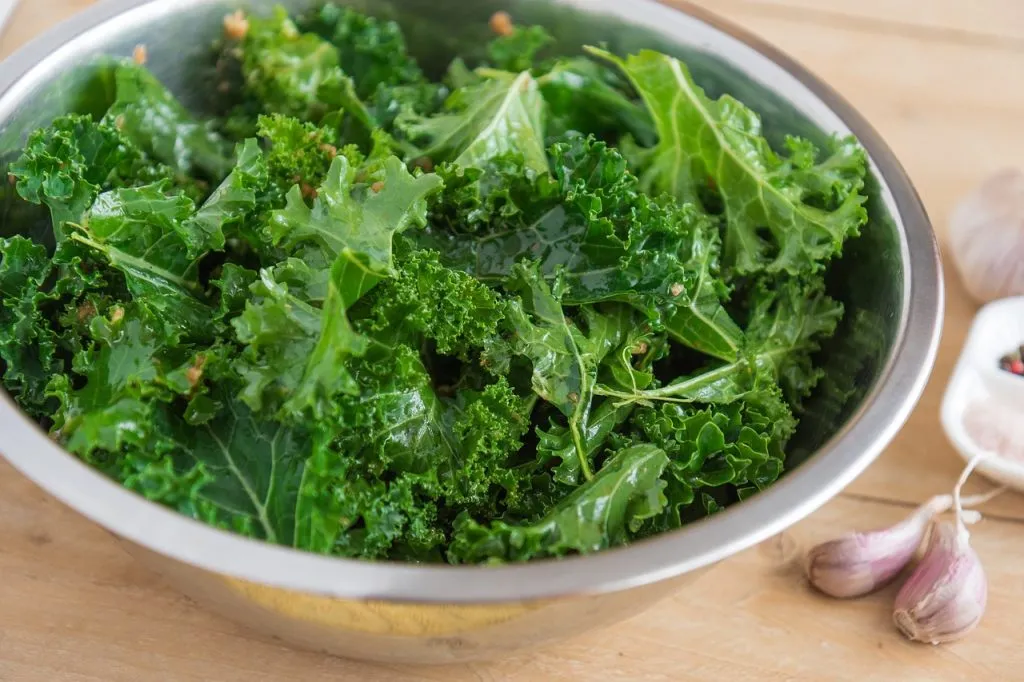
Kale is celebrated for its nutrient density, boasting high levels of vitamins A, C, and K, along with calcium and fiber. For the best texture, remove the tough central stalk before slicing. Massaging raw kale with olive oil and lemon juice softens the leaves and enhances digestibility. This versatile green can be incorporated into smoothies, baked into chips, or sautéed for a quick side dish. Pairing kale with garlic or lemon zest balances its slight bitterness and elevates your culinary creations.
2. Spinach – Iron-Rich Classic
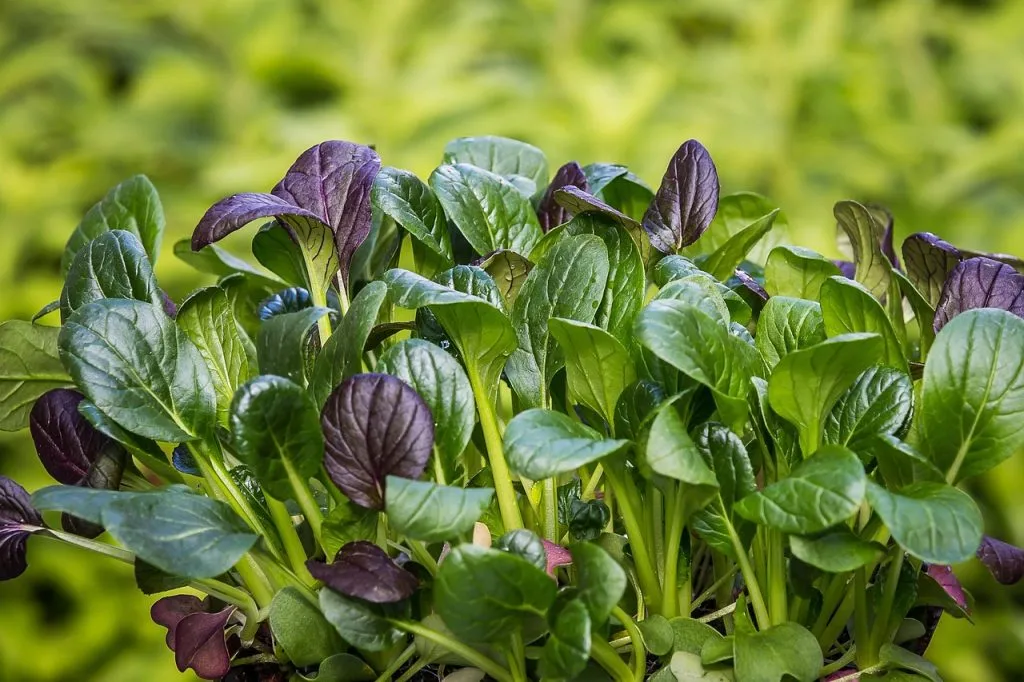
Spinach is a classic leafy green, revered for its iron content and versatility. To retain its tender texture and vibrant green hue, sauté spinach quickly over medium heat. This method also retains its delicate flavor. Always rinse the leaves thoroughly to remove any sand. Ginger or garlic enhances its natural taste, while a pinch of nutmeg or a splash of lemon juice can add depth. Incorporate spinach into omelets, pasta dishes, or fresh salads to enjoy its health benefits and subtle complexity.
1. Watercress – The Ultimate Superfood

Watercress tops the chart of healthiest vegetables due to its exceptional nutrient density. With every crunchy bite, you receive a rich supply of vitamins A, C, and K, alongside potent antioxidants. Its peppery flavor makes it perfect for salads, adding both taste and nutritional value. A helpful technique is to toss watercress with a light vinaigrette right before serving to maintain its vibrant freshness. Incorporating watercress in soups or smoothies adds a nutrient boost without overwhelming the dish, making it an invaluable ingredient in a health-conscious kitchen.
