
10 Quick Food Swap-ins to Make Any Meal Healthier
Healthy eating doesn’t have to mean sacrificing flavor or satisfaction. Making simple ingredient swaps can enhance the nutritional profile of your meals while still delivering on taste and texture. Whether you’re looking to reduce calories, increase fiber, or make your dishes more heart-healthy, using smarter alternatives lets you transform everyday recipes with ease. This guide will introduce ten quick food swap-ins designed to elevate your cooking and make every meal more nourishing.
Greek Yogurt: Creamy and Healthy

Greek yogurt is an excellent substitute for sour cream or heavy cream in recipes. Its rich texture and tangy flavor make it perfect for enhancing soups, sauces, and dressings. Opt for plain, non-fat Greek yogurt to reduce fat while increasing protein content. When baking, you can replace butter or oil with Greek yogurt for a moist crumb, bringing a healthier twist to muffins or cakes. Its probiotic properties also support gut health, making it a versatile ingredient for both savory and sweet dishes.
Avocado: A Velvety Mayo Substitute

Replace mayonnaise with mashed avocado to introduce healthy fats and a creamy consistency to your sandwiches and spreads. Avocado’s mild flavor pairs well with roasted vegetables, lean meats, and whole grain bread. Rich in monounsaturated fats, it supports heart health and provides an array of vitamins. For a smoother texture, blend the avocado with a bit of lemon juice and a pinch of salt, creating a luscious spread that can be used as a dip or a dressing base, adding both flavor and sustenance.
Spiralized Veggies: Pasta with a Twist
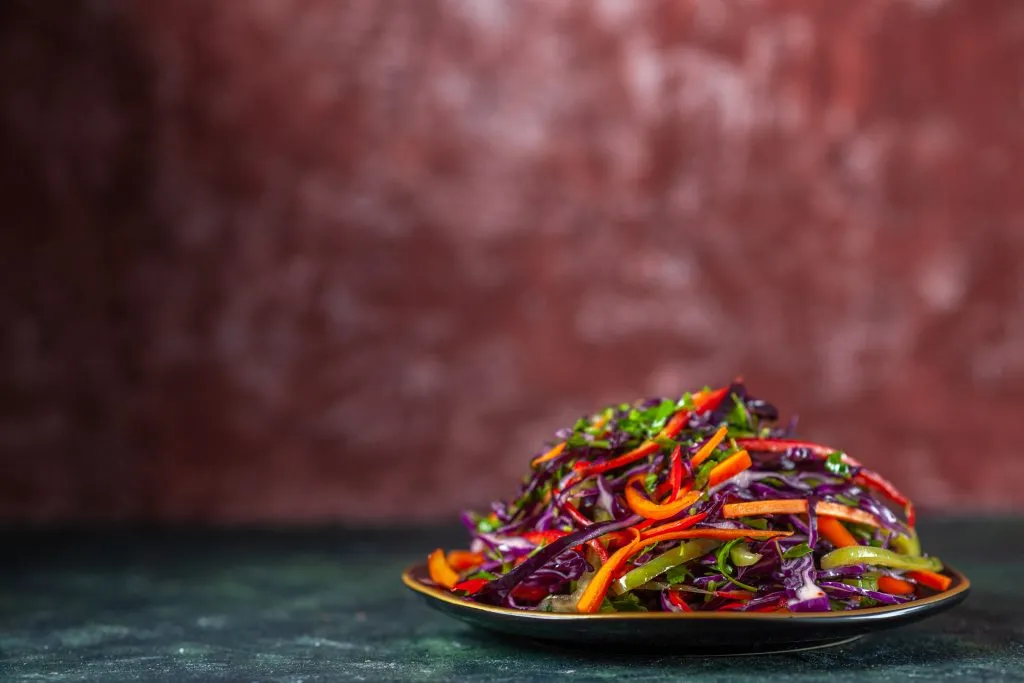
Swap traditional pasta with spiralized vegetables like zucchini or sweet potatoes for a nutrient-rich alternative. These vegetables carry fewer carbs and calories but offer a satisfying bite when lightly sautéed. Use a spiralizer to create uniform “noodles” that cook quickly. Pair them with a garlic-infused olive oil or a robust tomato sauce for a delightful, gluten-free meal. Experiment with different vegetables for varied flavors and textures, allowing you to enjoy pasta dishes more frequently without the heaviness of wheat-based noodles.
Whole Grains Over Refined Grains

Opt for whole grains like quinoa, farro, or brown rice instead of refined grains. These alternatives are higher in fiber, which aids in digestion and prolongs satiety. Whole grains retain their germ, endosperm, and bran, offering essential nutrients like B vitamins and minerals. Incorporate them into dishes like risottos, pilafs, or grain bowls for a hearty, nutty flavor. By choosing whole grains, you not only enhance the nutritional value of your meals but also introduce complex textures that complement a wide array of cuisines.
Raw Veggies: Crunchy Chip Alternative
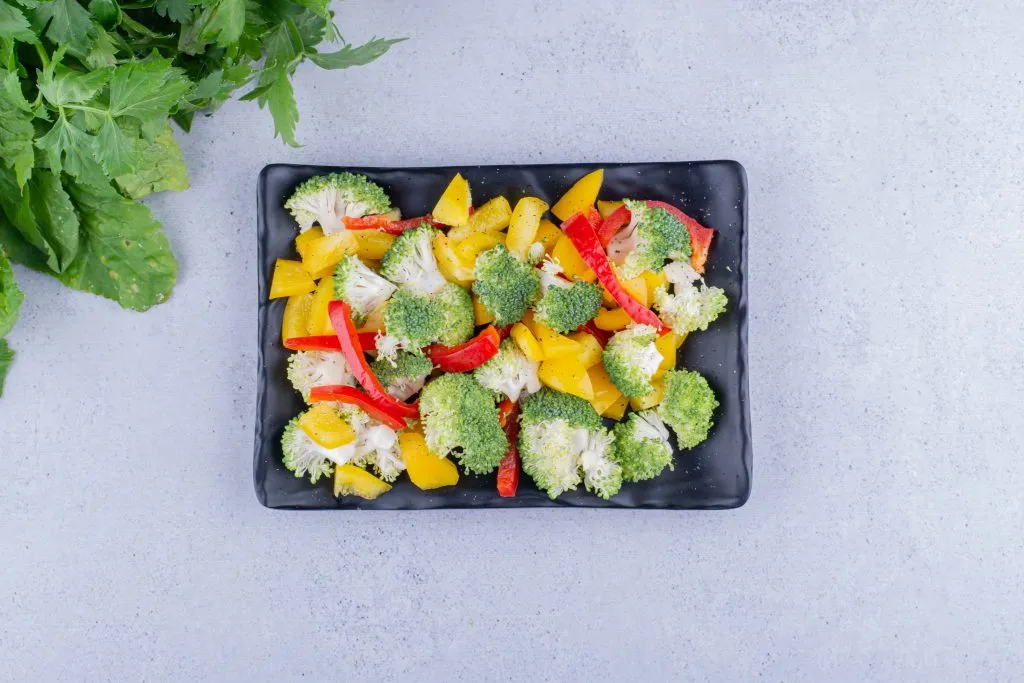
Swap chips with raw veggie slices for a satisfying crunch. Carrot sticks, cucumber rounds, and pepper strips offer vibrant colors and textures. Slice them uniformly for consistent biting pleasure and serve with hummus or yogurt-based dips for added flavor. This swap can reduce calorie intake while boosting fiber and vitamin consumption. Selecting fresh produce ensures better texture and taste, making each bite refreshing and guilt-free.
Natural Sweeteners: Cut the Artificial

Replace artificial sweeteners with natural options like honey, maple syrup, or agave. These alternatives provide sweetness with additional nutrients and complex flavors. Start by substituting equal amounts in baking or beverages, adjusting to taste. Keep in mind that each sweetener carries its unique profile—honey is floral, maple syrup is earthy, and agave is mild—allowing each dish to find a distinctive balance.
Olive Oil: The Heart-Healthy Choice

Incorporate olive oil into your cooking to enhance flavor and health benefits. Its monounsaturated fats support heart health, making it an excellent replacement for butter or inflammatory oils. Use it for sautéing, roasting, or as a salad dressing base. Opt for extra virgin varieties for raw applications to benefit from its robust, fruity flavor. Remember, heat can diminish its profile, so add it toward the end of cooking for an aromatic finish.
Oatmeal: A Better Breakfast Base
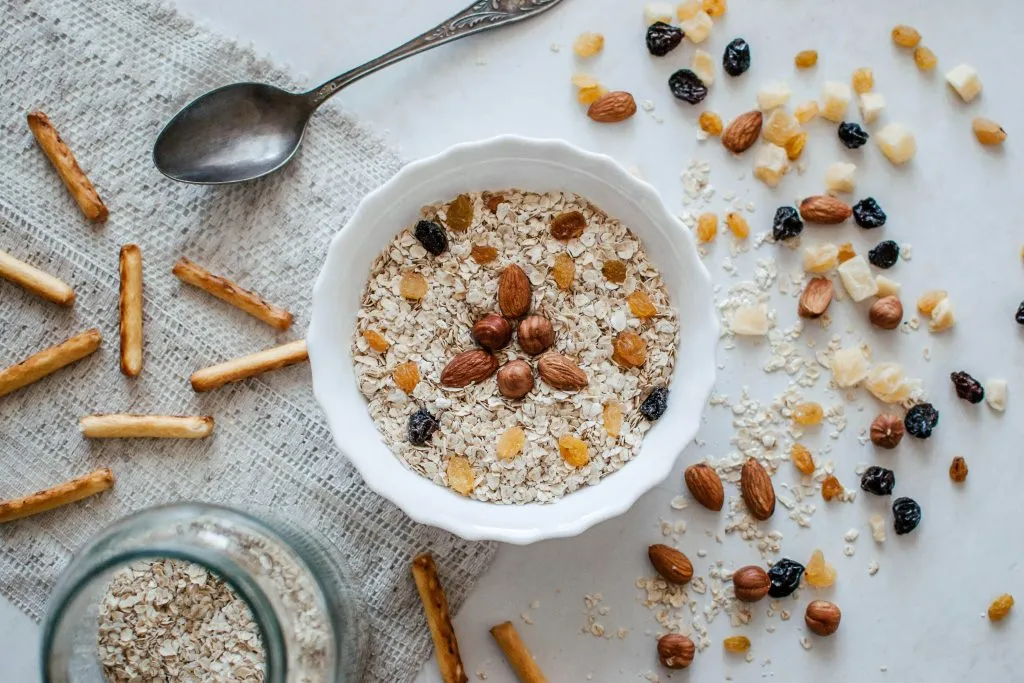
Upgrade your breakfast by choosing oatmeal over sugary cereals. Rich in fiber and protein, oats provide sustained energy and help maintain satiety. Cook with water or milk, and garnish with fruits, nuts, or seeds. Customize the flavor with spices like cinnamon or vanilla. For a creamier texture, consider overnight soaking, which can also enhance digestibility. This versatile base is nutritious and offers endless varieties for morning meals.
Chia Seed Jam: A Sweet, Healthy Spread

Switch to chia seed jam as a nutritious topping or spread. Chia seeds gel naturally, creating a jam-like texture when mixed with mashed fruits and left to rest. Sweeten with honey or maple syrup if desired. This spread retains the fruit’s essence while adding omega-3 fatty acids and fiber from the seeds. Store in a jar and refrigerate for a few days. The jam’s freshness and nutrient profile make it a superior choice for toast or yogurt parfaits.
Water: Refresh Without the Fizz

Opt for water instead of sugary sodas to naturally hydrate your meals. Enhance its appeal by infusing with slices of cucumber, lemon, or a handful of fresh mint leaves for a subtle but refreshing flavor. Use chilled sparkling water if you crave a bit of effervescence. This addition can complement meals by cleansing the palate, allowing the true flavors of your dishes to shine through. Not only does it cut down on unnecessary sugars, but it also enhances overall hydration, supporting wellbeing. Choose quality water to add a touch of purity and simplicity to your dining experience.
