
10 Supposedly Unhealthy Foods That Are Surprisingly Healthy
Exploring the world of nutrition often means challenging preconceived notions about what is healthy. Many foods, traditionally considered unhealthy, hold surprising health benefits when consumed mindfully. Discover how foods like dark chocolate and full-fat dairy can play a beneficial role in a balanced diet, each offering unique nutritional advantages and culinary pleasures that merit a place on your table.
Dark Chocolate: The Sweet Antioxidant

Dark chocolate, rich in cocoa, is a potent source of antioxidants, particularly flavonoids, which support heart health. Opt for varieties with at least 70% cocoa content to maximize benefits. Its complex, bitter-sweet flavor pairs well with fruits or nuts, enhancing taste without adding excess sugar. Melt it gently over low heat to preserve its antioxidant properties for a smooth ganache or delicate drizzle.
Full Fat Dairy: Embrace the Richness

Full-fat dairy products like Greek yogurt and cheese offer satiating fats essential for absorbing fat-soluble vitamins. They also contain conjugated linoleic acid (CLA), linked to improved metabolic function. Select cultured or grass-fed options for a richer nutritional profile. Balance their creamy textures with fresh herbs or vibrant vegetables for an enticing, nutrient-dense dish.
Popcorn: The Wholesome Snack

Air-popped popcorn without excessive butter or salt is a whole grain, high in fiber and antioxidants. Its light texture makes it a satisfying, low-calorie snack. Elevate its flavor by sprinkling nutritional yeast or a touch of olive oil and sea salt. For best results, pop kernels on the stove using a heavy-bottomed pan, shaking frequently to prevent burning and ensure even cooking.
Peanut Butter: Protein-Packed Spread

Peanut butter is a nutritious protein source rich in healthy fats and vitamins like E and B-complex. Look for versions with minimal added sugar and salt to maintain its health benefits. It complements whole grain breads and pairs seamlessly with apple slices or celery sticks for a balanced snack. For extra flavor depth, consider roasting peanuts before blending for a homemade spread.
Coconut Oil: A Tropical Health Boost

Coconut oil has gained popularity due to its unique composition of medium-chain triglycerides. These fats are metabolized differently than long-chain fats, offering a quick energy source and potential metabolic boost. When cooking with coconut oil, use it for sautéing or baking to impart a slight nutty sweetness that enhances both savory and sweet dishes. Its high smoke point makes it ideal for high-heat cooking, like stir-frying. Opt for virgin coconut oil for the most health benefits and a pronounced coconut aroma.
Pasta: Carbs with Benefits

Pasta often gets a bad rap, but it’s a versatile vehicle for nutrition when paired with fiber-rich vegetables and lean proteins. The key is portion control and combining it with ingredients like tomatoes, spinach, and legumes to create balanced meals. Whole-grain or legume-based pasta options boost fiber and protein intake. Cook pasta al dente to ensure a lower glycemic index, which helps maintain steady blood sugar levels. This method also adds a delightful bite to every dish.
Cheese: Calcium-Rich Delight

Cheese is a nutrient-dense option providing calcium, protein, and essential fats. Varieties like mozzarella and Swiss have lower sodium levels, making them heart-friendly choices. Aged cheeses offer probiotics that support gut health. Use cheese as a flavor enhancer in moderation, grating it finely so a little goes a long way. Pairing cheese with fruits like apples or pears creates a balanced snack, merging the creaminess of cheese with refreshing sweetness and crunch, improving both taste and nutrition.
Canned Foods: Convenience with Nutrition

Canned foods offer a convenient way to incorporate nutritional staples like beans, tomatoes, and tuna into your diet. They’re preserved at peak freshness, often retaining nutrient levels comparable to their fresh counterparts. Rinse canned beans to reduce sodium content, and look for low-sodium or no-salt-added labels when possible. These ingredients can form the basis of quick, nutrient-rich meals, allowing for flexibility in meal preparation without sacrificing nutritional quality or flavor.
Edamame: The Green Protein Powerhouse
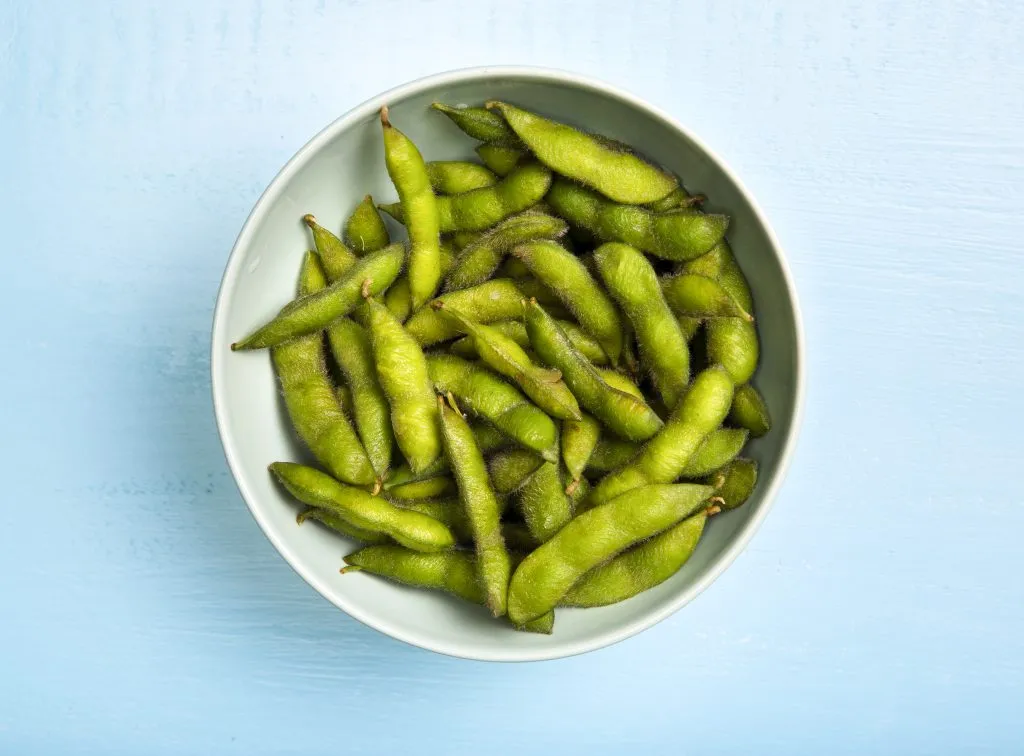
Edamame, or young soybeans, are packed with complete protein and rich in fiber, aiding digestion and promoting satiety. These vibrant green pods can be quickly boiled or steamed, making them a convenient snack or an addition to salads and grain bowls. Their subtle, nutty taste pairs well with a touch of sea salt or a sprinkle of chili powder for added flavor. Incorporating edamame into meals helps boost protein intake while providing a satisfying textural element to your dishes.
Coffee: Energizing Elixir

Coffee, often criticized for its caffeine content, offers numerous health benefits when consumed in moderation. Rich in antioxidants, it helps combat inflammation and oxidative stress. To brew a perfect cup, select freshly roasted beans and grind just before brewing to preserve flavors. Opt for methods like French press or pour-over to extract full-bodied notes. Avoid excessive sugar and creams; instead, enhance with cinnamon or a touch of vanilla. Balancing its natural bitterness with a splash of almond milk can provide creaminess without extra calories, making your daily cup both satisfying and nutritionally beneficial.
