
Vegetables That Aren’t Quite as Healthy as They Seem
In the quest for healthy eating, vegetables often top the list as nutritional powerhouses. However, not all vegetables deliver health benefits equally when it comes to caloric intake and nutrient content. Some vegetables, either due to their inherent properties or common preparation methods, may not be as beneficial as they seem. Understanding these nuances can help you make informed choices in your kitchen.
The Surprising Truth About Corn

Corn is often touted as a healthy vegetable, but its high starch content raises its glycemic index, which can lead to blood sugar spikes. While sweet corn provides fiber and antioxidants, excessive consumption, especially in processed forms like corn syrup and chips, undermines these benefits. Opting for whole corn on the cob and controlling portion sizes can enhance its nutritional profile without overloading on carbs.
Potatoes: Not Always a Health Win
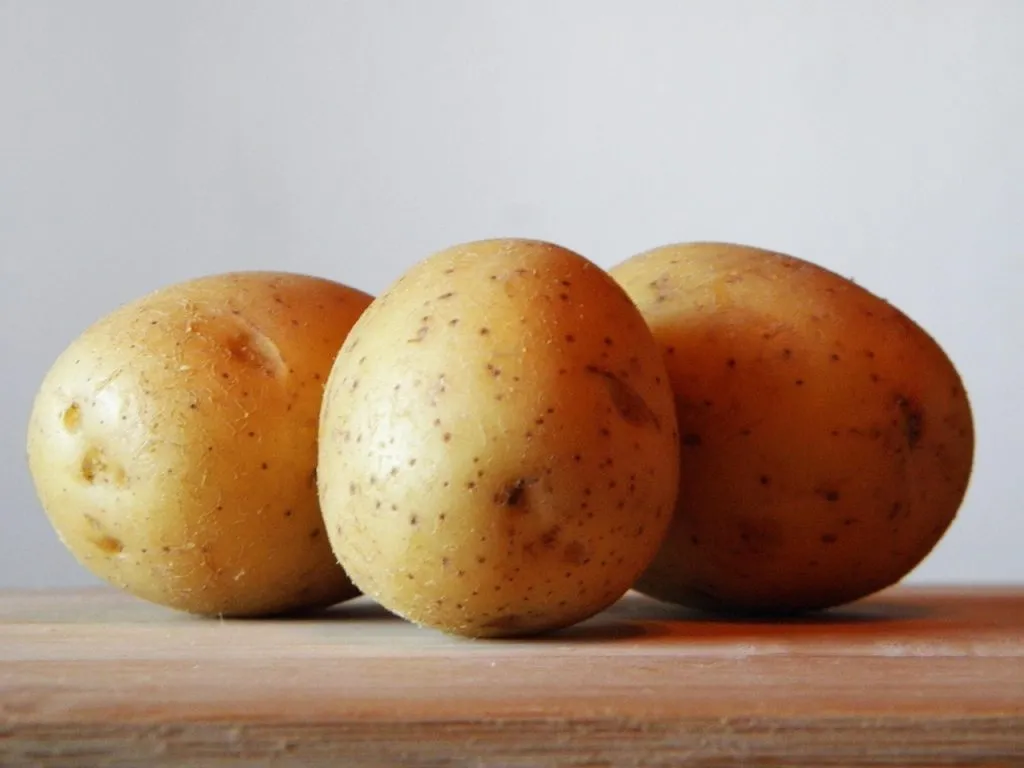
Potatoes are versatile but their high carbohydrate content, comparable to bread, can diminish their nutritional appeal. Preparation methods also matter; baking or boiling maintains more nutrients compared to frying. Consuming skin-on potatoes maximizes fiber content, but moderation is key to balancing their caloric impact. Substituting with sweet potatoes occasionally can provide additional vitamins and minerals.
Juicing Away Nutrients
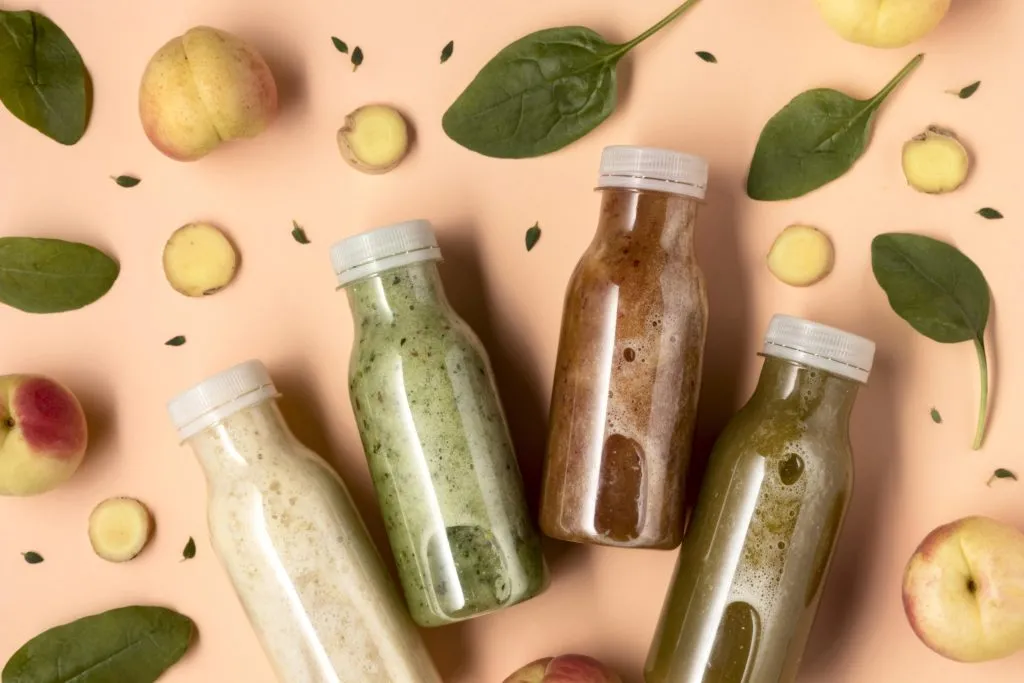
Juicing vegetables might seem like a quick way to consume nutrients, but it often strips away vital fiber and concentrates sugars. This process can lead to reduced satiety and potential calorie excess. Instead, blending whole fruits and vegetables retains fiber, supporting digestion and providing a more balanced intake. Pairing juiced vegetables with a protein source can help stabilize blood sugar and enhance nutrient absorption.
The Pitfalls of Fried Okra

Fried okra is a Southern classic, yet the deep-frying process negates many of okra’s health benefits. Coated in batter and immersed in oil, it accumulates excessive calories and unhealthy fats. For a healthier approach, try roasting okra with olive oil and spices or sautéing it with a light touch of ghee. These methods preserve okra’s rich fiber and mucilage content, beneficial for digestion and heart health.
Get Recipes : Fried Okra
Why Canned Vegetables May Fall Short
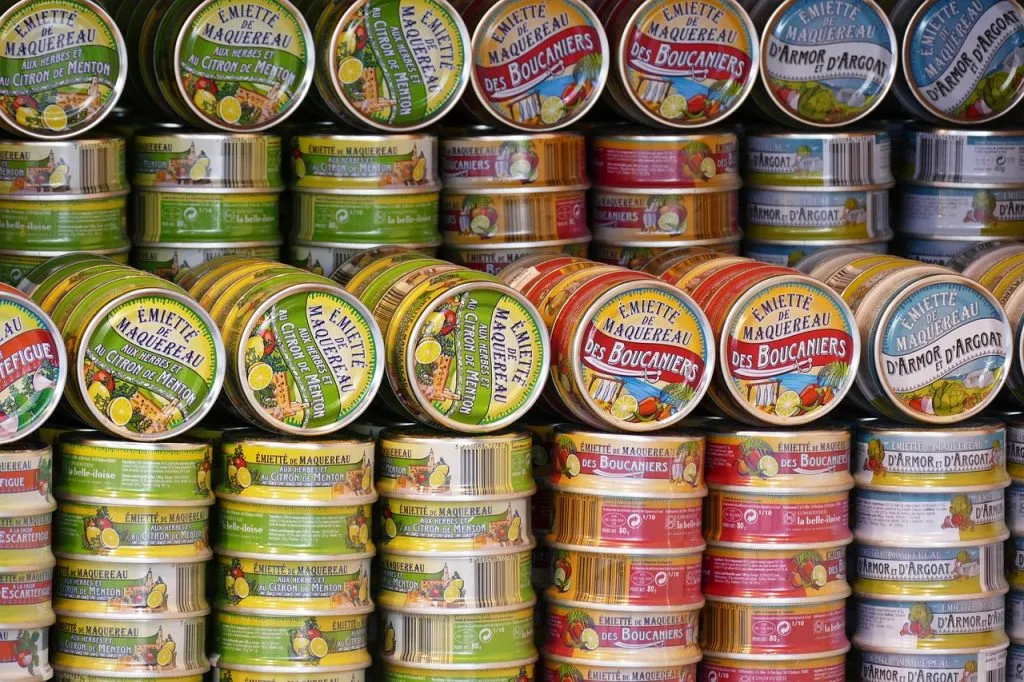
Canned vegetables are convenient but often less nutritious than fresh or frozen counterparts. The canning process involves high-heat cooking, which can deplete essential vitamins like C and some B vitamins. Additionally, many canned options are high in sodium, used as a preservative, which may not be ideal for those monitoring salt intake. To mitigate these downsides, opt for low-sodium varieties or rinse them well. Consider incorporating fresh or frozen vegetables to fully benefit from their nutritional content and superior texture.
Peas: More Starch Than You Think
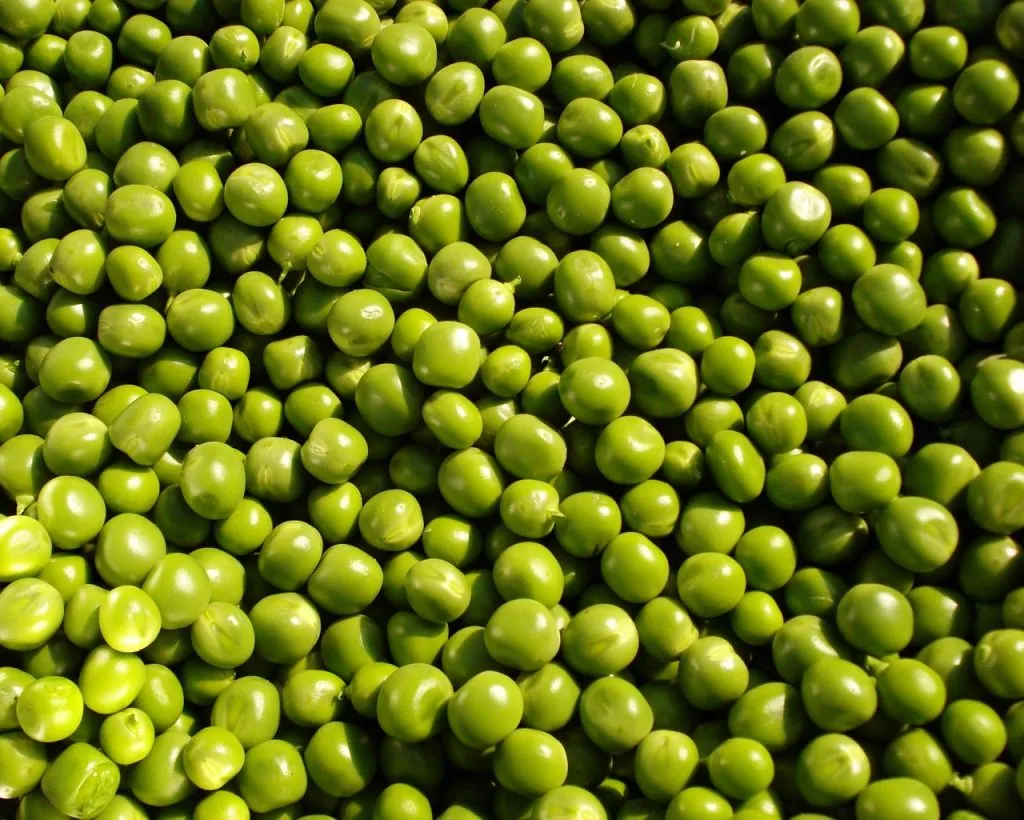
While peas are often celebrated as a nutritious addition to meals, they carry a significant amount of starch. This can impact blood sugar levels, especially when consumed in large quantities. They do offer fiber and protein, which are beneficial, but their carbohydrate content may be as much as that of certain grains. If you seek a lighter alternative, consider balancing peas with non-starchy vegetables like leafy greens, maintaining nutritional diversity while minimizing excessive starch intake.
Beets and Their Sugar Surprise

Beets are packed with nutrients like folate and manganese, yet they also harbor a considerable amount of natural sugars. This sweetness, while appealing, might not fit well into low-sugar diets. When preparing beets, roasting can enhance their natural flavors without added sugars. Pairing them with tangy ingredients, such as goat cheese or citrus, can create a balanced dish that tempers their sweetness, allowing their earthy undertones and vibrant color to shine without overloading on sugar.
Eggplant: A Nightshade Caution

Eggplant, belonging to the nightshade family, can occasionally cause sensitivities in some individuals. While it’s low in carbohydrates and calories, those with nightshade sensitivities should consume it with caution. For everyone else, eggplant is a versatile vegetable, soaking up flavors beautifully when cooked. Ensure thorough cooking to break down solanine, a natural compound found in nightshades that can be toxic in large amounts. Grilling or roasting drives flavors deep into its flesh, maximizing culinary enjoyment.
Spinach: Oxalates and Iron Concerns

Spinach is often lauded for its iron content, but it also contains oxalates, which can hinder iron absorption. To maximize nutritional benefits, pair spinach with vitamin C-rich foods that enhance iron uptake. Opt for lightly sautéing instead of boiling, which can deplete nutrients. Incorporating lemon juice or peppers can boost iron absorption, creating a more balanced meal. Understanding these interactions helps ensure spinach remains a healthy component without overshadowed benefits.
Carrots: Sugar Content Considerations
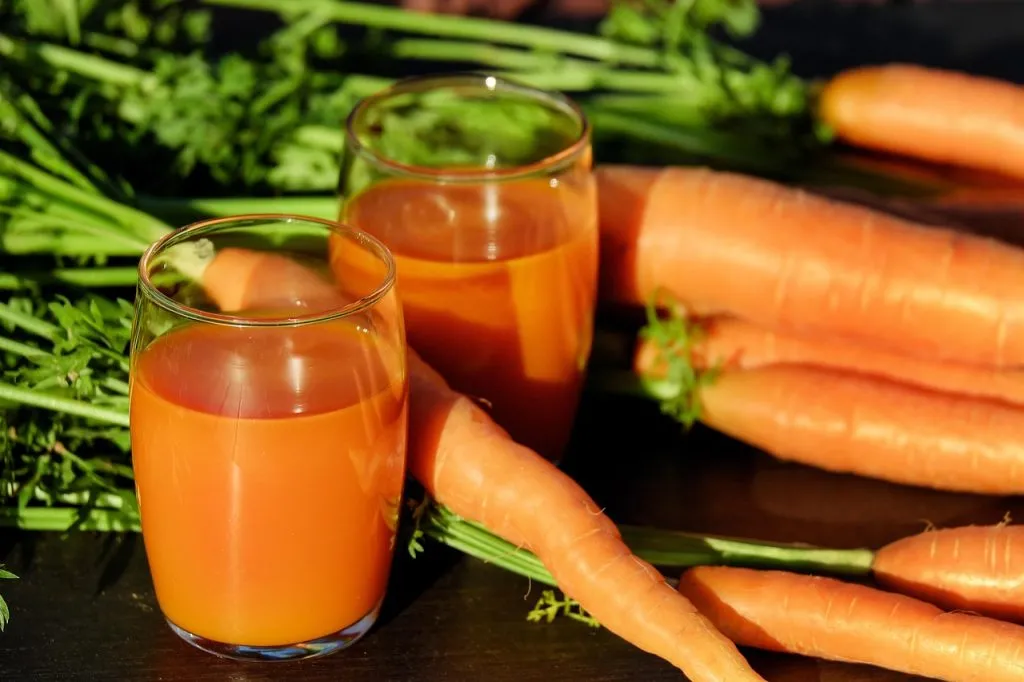
While carrots offer valuable fiber and beta-carotene, their relatively high sugar content may be a concern for those watching sugar intake. To balance this, combine carrots with protein or healthy fats, such as hummus or nuts, which can moderate blood sugar spikes. Roasting carrots can enhance natural sweetness without additional sugar, making them a versatile addition to dishes. This approach ensures that carrots contribute to a balanced diet while still providing their unique nutritional benefits.
Zucchini Noodles: Not Always Low-Calorie

Zucchini noodles often seem like a low-calorie alternative to pasta, but preparation methods matter. Cooking zucchini in oil or pairing with heavy sauces can increase overall calorie content. To fully enjoy their light nature, consider steaming or lightly sautéing with garlic and herbs. Using a marinara sauce or a pesto made with minimal oil can maintain a low-calorie count. This allows zucchini noodles to retain their reputation as a healthier option without deceptive caloric surprises.
Artichoke Dips: Satisfying but Fattening

Artichoke dips can be a delicious appetizer but are often loaded with cheese and mayonnaise, increasing fat and calorie content. To make a lighter version, replace half the mayonnaise with Greek yogurt, which maintains creaminess while reducing fat. Incorporate fresh herbs and lemon for brightness and to enhance flavor without extra calories. Serving with fresh vegetables instead of chips can further lighten your meal. This approach retains the dip’s appeal without the added heaviness.
Mushrooms: Nutritional Myths Exposed

Mushrooms are frequently praised for their potential health benefits, yet their nutritional density is often overstated. While low in calories, they offer modest vitamin and mineral content. To elevate their nutritional profile, pair mushrooms with nutrient-dense foods like leafy greens or whole grains. Cooking methods such as grilling or roasting can enhance their umami flavor, making them a satisfying part of a balanced meal. Recognize their strengths and combine them wisely for a more well-rounded diet.
Pickled Veggies: Sodium Overload

Pickled vegetables, while delightfully tangy and versatile, often conceal an unintended consequence: excessive sodium. As preservation is the primary goal, salt features prominently to ensure longevity and flavor enhancement. However, this high sodium content can jeopardize the health benefits typically associated with fresh vegetables. When prepared at home, one can exercise control by balancing salt with complementary spices and a splash of vinegar, thus preserving the vegetables’ crunch and integrity. Strive for moderation by rinsing and choosing methods that reduce sodium impact, keeping pickled delights both tasty and mindful of health.
