
How People Are Eating on $3 a Meal as Grocery Bills Keep Changing
Rising grocery costs have forced people to rethink what “cheap eating” actually means. Instead of fast food or ultra-processed snacks, many households are building simple meals around staple ingredients that stretch far and deliver real nutrition. These meals aren’t about perfection or trends. They work because they rely on repeatable habits, flexible ingredients, and smart portioning. Here’s how people are consistently putting together meals that stay close to $3 without sacrificing health.
Rice, Beans, and Vegetables

Rice and beans remain one of the most reliable low-cost meals because they provide protein, fiber, and energy at minimal cost. When paired with frozen or seasonal vegetables, the meal becomes nutritionally complete. People rotate seasonings to avoid boredom, using spices, garlic, or sauces already on hand. This combination scales easily, stores well, and stays filling for hours. Its success comes from balance: cheap ingredients that work together instead of relying on a single food to carry the meal.
Eggs with Toast and Produce

Egg-based meals continue to dominate budget cooking because eggs offer high-quality protein at a low price. Scrambled, boiled, or pan-fried eggs paired with toast and a piece of fruit or vegetables create a complete meal for around $3. People choose this option because it’s fast, flexible, and satisfying. Eggs also adapt to any time of day, making them useful beyond breakfast. Their affordability and nutrition make them a cornerstone of cheap, healthy eating.
Oatmeal with Add-Ins

Oatmeal remains one of the cheapest and most adaptable meals available. A basic bowl costs well under $3, even with added fruit, seeds, or peanut butter. People rely on oatmeal because it’s filling, heart-healthy, and endlessly customizable. It works hot or cold and doesn’t require special equipment. Its success lies in volume and fiber, helping people stay full longer while keeping costs predictable and low.
Lentil or Vegetable Soup

Homemade soups built around lentils, beans, or vegetables cost very little per serving once ingredients are stretched across multiple meals. People batch-cook soups to save both money and effort. These meals deliver protein, fiber, and hydration in one bowl. Soup works because it turns inexpensive ingredients into something satisfying and warming. Its repeatability makes it a favorite for people trying to eat well without spending daily.
Simple Stir-Fries
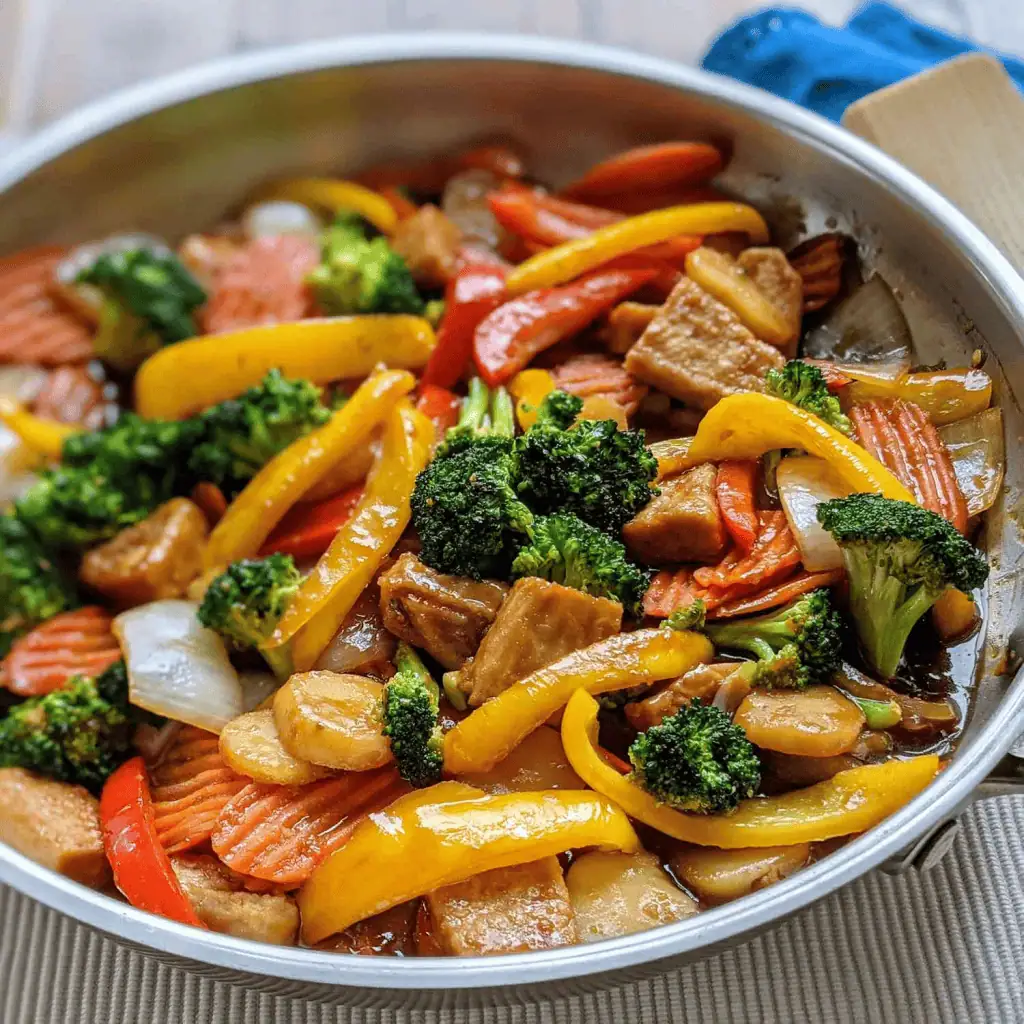
Stir-fries built with frozen vegetables, small amounts of protein, and rice or noodles stay within budget while delivering variety. People control portions carefully, using just enough meat or tofu to add flavor without driving up cost. Sauces made from pantry staples keep things interesting. Stir-fries succeed because they’re fast, flexible, and prevent waste by using whatever ingredients are already available.
