
10 Foods Restaurant Staff Quietly Avoid Ordering Themselves
When dining out, restaurant insiders often have an unspoken list of foods they steer clear from, not because they’re inherently bad, but due to reasons of freshness, quality, or simplicity. These choices are shaped by firsthand knowledge of kitchen operations, ingredient handling, and cooking techniques. Knowing which dishes industry professionals avoid can guide diners to more satisfying and dependable options.
The Truth About Soup of the Day
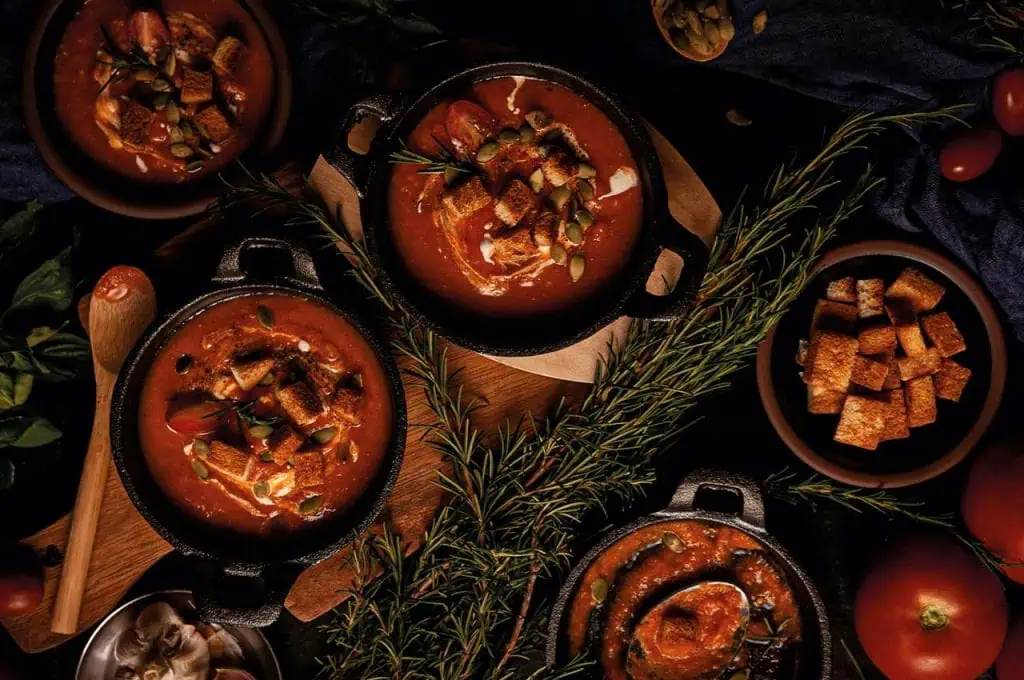
Soup of the day might seem like a comforting choice, but it’s often a creative way for kitchens to repurpose ingredients nearing their end. While some chefs skillfully craft delicious results, others may offer soups lacking in freshness or complexity. To ensure a good experience, diners should inquire about the ingredients and preparation, taking note of daily changes that could signal a strategic clear-out rather than a thoughtful, fresh creation.
Chicken Alfredo: A Creamy Dilemma

Chicken Alfredo, with its creamy allure, is sometimes sidestepped by savvy diners due to its potential for disappointing execution. The sauce may suffer from being pre-made, leading to a heavy or gloppy texture instead of the silky smooth finish achieved by proper emulsification and fresh ingredients. To avoid lackluster versions, reliable restaurants focus on freshly prepared sauces and skillful balancing of cream, garlic, and cheese, offering depth without the weight.
Why Fish and Chips is a Risky Choice
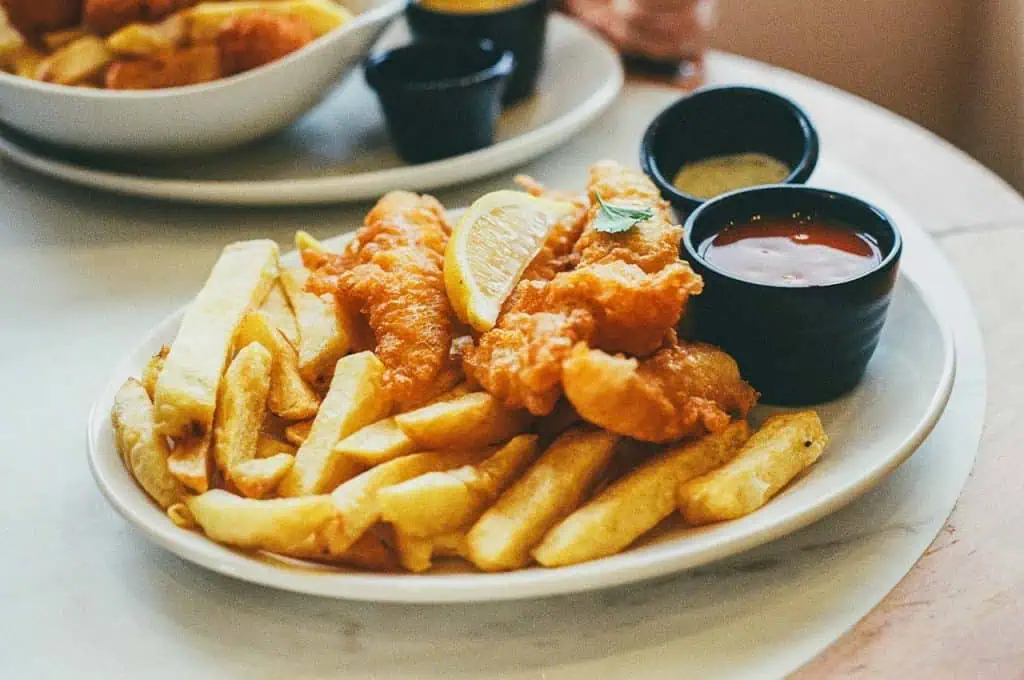
Fish and chips, while tempting, can be a gamble if restaurants don’t prioritize fresh, high-quality fish and the proper oil temperature. Avoid places where fish might be sitting around pre-battered, as it compromises both taste and texture. Ideally, the batter should crisp up quickly upon frying, encasing moist, tender fish. Diners should opt for eateries renowned for their seafood or inquire about preparation methods to sidestep potential pitfalls in flavor and freshness efficiency.
Lemon Wedge in Drinks: Hidden Concerns

Lemon wedges in drinks are visually appealing but may harbor unwelcome surprises due to inconsistent handling. Without rigorous training, restaurant staff might neglect thorough rinsing or storage protocols, potentially causing contamination. Knowledgeable diners might request a plain drink or choose establishments that emphasize meticulous bar practices. When well-handled, a lemon wedge should enhance, not detract from, the overall experience with its vibrant zest and acidity.
The Pitfalls of Ordering Well-Done Steak

Well-done steaks often lose the richness of flavor and tender texture that define great beef. Cooking steak to this level results in a dry, chewy texture, as the heat expels essential juices. For a more enjoyable experience, consider ordering medium-rare; it showcases the steak’s natural succulence and depth. If you prefer well-done, choose cuts with higher fat content, like ribeye, to retain some moisture. Always let steak rest post-cooking; this allows juices to redistribute, enhancing flavor.
House Salad: A Surprising Skip

While seemingly innocuous, house salads can be disappointing with their uniform, bland ingredients. Often made ahead, they may lack freshness and vibrant flavors. Ditch the iceberg lettuce for mixed greens or arugula, which offer more taste and nutritional value. Consider salads featuring seasonal vegetables, nuts, or cheese for added texture and interest. Dressings are key; homemade vinaigrettes can uplift even the simplest salad from forgettable to delightful.
Unlimited Breadsticks: Not Always a Treat

Endless breadsticks might sound tempting, but they are often mass-produced and can arrive stale or overly salty. Their appeal diminishes if left sitting too long, as they become chewy or hard. Opt for restaurants known for freshly baked bread that is crusty and fragrant. When breadsticks are unavoidable, pair with quality dipping sauces like seasoned olive oil or house-made butter, which can compensate for any shortcomings in texture and flavor.
Ice in Fountain Drinks: The Cold Reality

Ice in fountain drinks waters down flavors and can harbor unseen contaminants from unclean machines. Ordering drinks without ice preserves the intended taste and ensures hygiene, especially in busy establishments. If you prefer your drink cold, request ice cubes made from filtered water or chill your beverage beforehand. The absence of ice allows you to enjoy the drink’s original taste profile, enhancing your dining experience.
Buffet Scrambled Eggs: Steer Clear

Buffet scrambled eggs often rest on warming trays, developing a rubbery texture and losing their fluffy appeal. Made in large batches, they can become overcooked or overly watery. For better results, opt for omelets made to order or poached eggs, which maintain their integrity when prepared correctly. Scrambled eggs should be creamy and soft; achieve this at home by cooking them gently over low heat and stirring constantly for perfect consistency.
The Soft Serve Ice Cream Secret

Soft serve ice cream, while a delightful treat, often harbors a secret that makes restaurant staff hesitant. The issue lies in the cleaning process of the machines. If not meticulously maintained, these machines can accumulate bacteria and residues. As a home cook, consider using fresh ingredients for your own desserts, ensuring hygiene and quality. If you decide to indulge in soft serve outside, observe the establishment’s care for cleanliness to ensure your dessert experience is as delightful and safe as possible.
