
5 Drinking Trends Set to Shape 2026 besides Dry January
Drinking culture is no longer defined by simple yes-or-no choices around alcohol. By 2026, consumers are reshaping when, how, and why they drink, driven by health awareness, social habits, and lifestyle flexibility. Instead of blanket abstinence like Dry January, people are adopting nuanced patterns that fit daily life. These shifts affect bars, brands, and home routines alike. The result is a more intentional drinking culture where moderation, experience, and personalization matter more than tradition.
The Rise of “Zebra Striping”
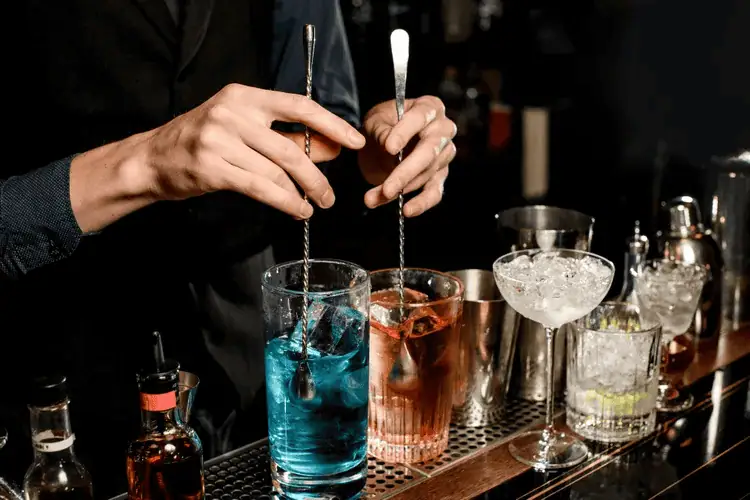
Zebra striping, alternating alcoholic and non-alcoholic drinks in one outing, is becoming a dominant social strategy. Instead of skipping alcohol entirely, drinkers pace themselves while staying socially engaged. This approach reduces overconsumption without feeling restrictive. Bars are responding by offering thoughtful non-alcoholic options alongside cocktails. Zebra striping reflects a mindset shift where control and enjoyment coexist, making moderation feel normal rather than noticeable in social settings.
Low-Alcohol Drinks Over No-Alcohol
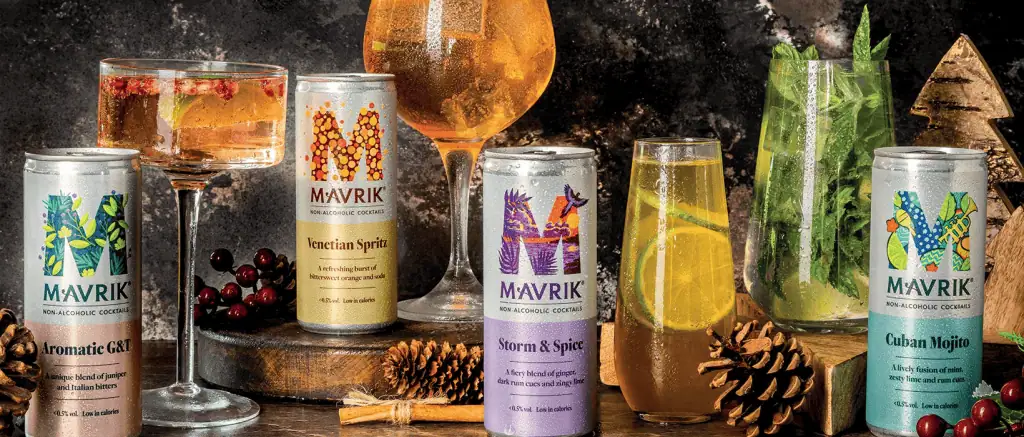
Rather than removing alcohol completely, many consumers are choosing drinks with lower ABV. Light wines, session beers, and aperitif-style cocktails allow people to enjoy flavor without heavy effects. This trend appeals to those who want to stay sharp while still participating. Low-alcohol drinking fits work-heavy schedules and daytime socializing. In 2026, “less alcohol” is becoming more attractive than “no alcohol,” especially for regular drinkers.
Drinking for Function, Not Buzz

More people are choosing drinks based on how they feel afterward rather than how intoxicated they get. Hydration-friendly cocktails, electrolyte mixers, and lighter spirits are gaining attention. Consumers want drinks that support energy, sleep, and productivity. This functional mindset reframes alcohol as part of wellness management rather than escape. Drinking becomes about minimizing downside while preserving ritual and taste.
At-Home Cocktail Rituals Get Simpler

Home drinking is shifting away from complex recipes toward simple, repeatable rituals. Ready-to-drink options, two-ingredient cocktails, and consistent “house drinks” are replacing experimental mixology. People want reliability without effort. This trend reflects lifestyle fatigue; consumers still enjoy alcohol but don’t want it to feel like a project. Drinking at home becomes calmer, cheaper, and more intentional.
Drinking Less, But Better
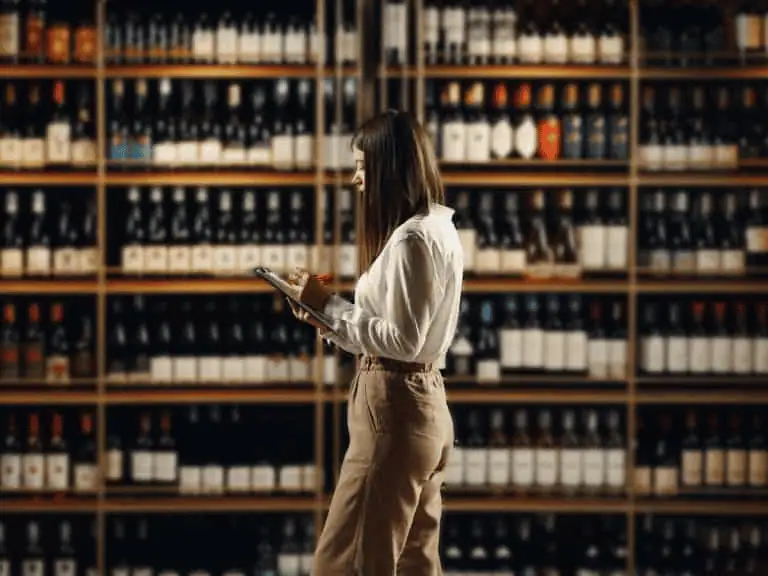
In 2026, many drinkers are choosing fewer occasions but higher-quality experiences. Instead of frequent casual drinking, people save alcohol for moments that feel meaningful. This leads to better spirits, fewer refills, and more awareness of taste. The focus shifts from quantity to value. Drinking becomes a conscious choice rather than a default habit, shaping a culture where restraint and appreciation go hand in hand.
