
Why Plant-Based Meat Sales Are Slipping
The surge in plant-based meat’s popularity now faces a decline. Once hailed as revolutionary, these products are seeing a downturn in sales. A nuanced understanding of this trend involves examining consumer expectations and evolving attitudes. This article explores key factors contributing to the slipping sales of plant-based meats, giving insight into how preference dynamics and external influences shape market trajectories.
Taste & Texture: The Persistent Gap
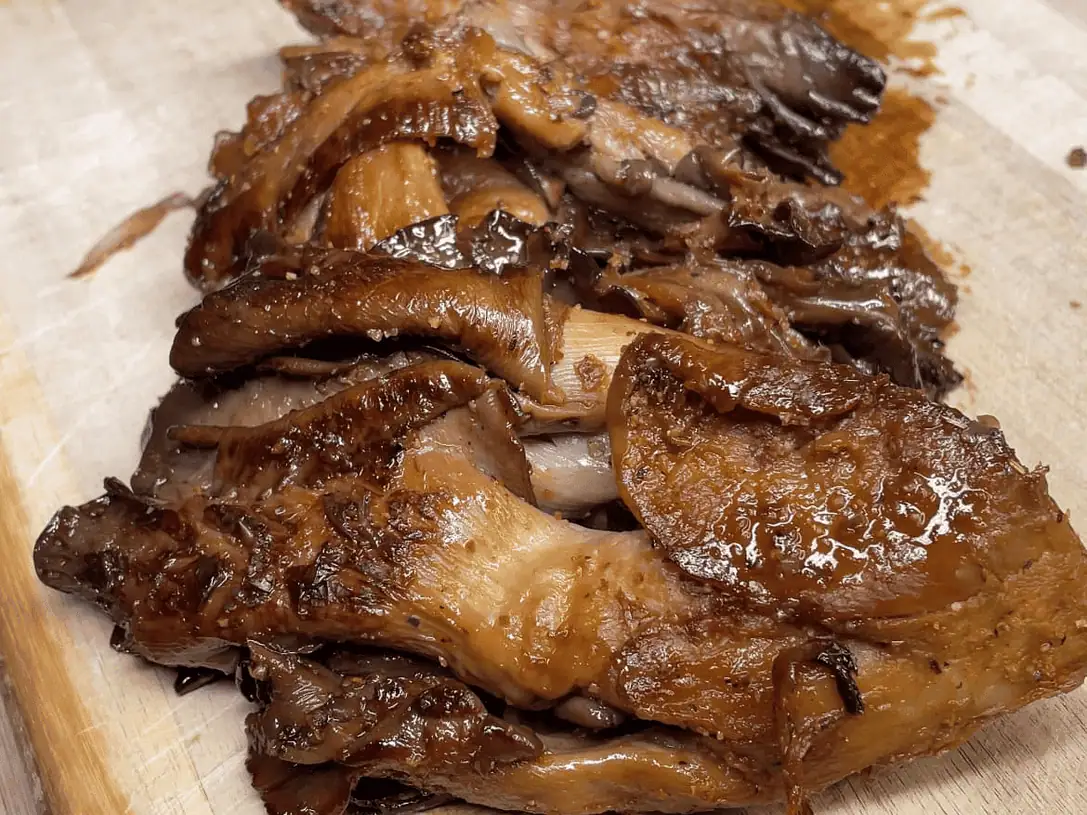
Plant-based meats have struggled to replicate the exact taste and texture of traditional meat. While substantial advancements have been made, subtle discrepancies often lead to consumer dissatisfaction. The expectation of a seamless replacement falls short when products differ in mouthfeel or flavor nuances. This gap discourages repeat purchases, highlighting the need for continuous innovation in texture and taste replication.
Cost Barrier Exacerbated by Inflation

Price remains a critical factor in consumer decision-making. Plant-based meats are generally more expensive than their traditional counterparts. With inflation impacting food prices globally, the cost disparity becomes more pronounced. Consumers, more budget-conscious than ever, may opt for cheaper options, reducing the appeal of premium plant-based offerings in a price-sensitive market.
Health Concerns: Ultra-Processed Worries

Ultra-processed foods, including many plant-based meats, raise health concerns among informed consumers. The perception that these products rely heavily on additives and processing dampens enthusiasm among health-focused individuals. As awareness increases, potential customers may scrutinize ingredient lists, influencing their willingness to integrate these products into their diet.
Novelty Fades: Consumer Fatigue Sets In

Initially driven by curiosity and novelty, the plant-based meat market now experiences fatigue. As the newness factor diminishes, consumers may revert to familiar foods. The continuous introduction of similar products without marked improvements can lead to disinterest. This highlights the need for product differentiation and innovation to rekindle consumer interest and sustain market momentum.
Distribution Hurdles & Retail Pullbacks

Distribution challenges can significantly impact the availability and sales of plant-based meat. Retailers often face difficulties due to the perishable nature of these products, requiring strict temperature control and precise logistics. Additionally, some stores have pulled back inventory as demand fluctuates, leading to fewer purchase opportunities. To address these issues, manufacturers can invest in strong partnerships with logistics companies and adopt innovative storage solutions to extend shelf life and maintain quality, ensuring consistent supply and customer satisfaction.
A Look at the Global Market

Globally, plant-based meat faces varying degrees of acceptance and market penetration. In countries with entrenched culinary traditions centered around animal proteins, adoption is slower. However, regions with rising health and environmental awareness show more rapid growth. Tailoring products to meet local tastes and dietary preferences can increase appeal. Collaborative efforts with local retailers to promote product benefits and educate consumers are essential. This nuanced approach can help overcome cultural barriers and tap into emerging markets, fostering broader acceptance and increased sales.
