
Food Aboard the Titanic: What Passengers Actually Ate
The dining experience aboard the Titanic was a testament to the opulence of early 20th-century sea travel. Each class featured distinct menus that reflected both quality and care in food preparation. First, second, and third class reflected the status and tastes of passengers, with varied ingredients and techniques ensuring a remarkable culinary adventure. This overview explores actual dishes served, providing insights into the preparations and flavor profiles that defined meals at sea. Home cooks can draw inspiration from these historical recipes while appreciating the meticulous attention given to every detail.
First Class: A Feast for Royalty
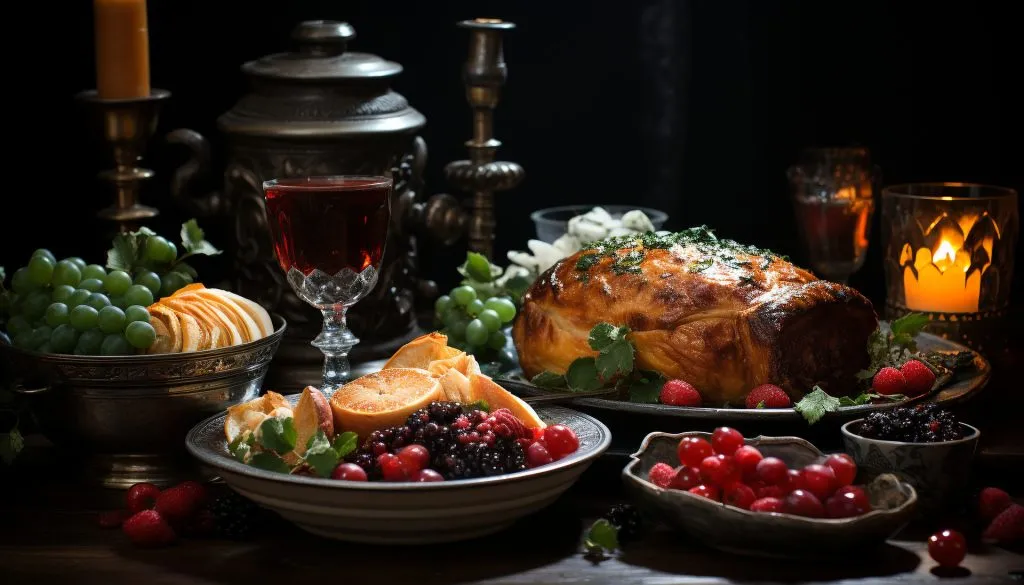
First-class dining on the Titanic was nothing short of extraordinary, showcasing gourmet offerings that rivaled the finest restaurants of the era. Passengers enjoyed multiple courses, featuring preparations like roasted duck with orange sauce, and filet mignon cooked to perfection. Ingredients were fresh and seasonal, often sourced from the best markets. Serve classic dishes with French techniques, such as a soufflé or a delicate crème brûlée, and prioritize perfect timing for delicate textures. Each dish was a balance of flavor and presentation, meticulously plated to create an unforgettable dining experience.
Second Class: A Taste of Elegance

The second-class menu aboard the Titanic provided a delightful culinary experience, showcasing elegantly prepared meals with thoughtful ingredients. Dishes like roast beef with Yorkshire pudding and baked potatoes were staples, reflecting wholesome comfort. To elevate them, focus on the seasoning; use fresh herbs and spices to enhance the natural flavors. The presentation was simpler yet inviting, often served family-style. Mouthwatering desserts, such as fruit tarts and custards, rounded off the meal. Maintain a warm atmosphere while dining, fostering conversation that enhances the enjoyment of each carefully prepared bite.
Third Class: Hearty and Homestyle

Meals in third class were designed to be hearty and satisfying, reflecting the practical needs of working passengers. Typical offerings included stews, roasted meats, and boiled potatoes, made with straightforward cooking techniques. Focus on depth of flavor by allowing ingredients like root vegetables and herbs to meld together over longer cooking times. Serving food in generous portions ensured everyone left the table nourished. Simple, satisfying desserts such as bread pudding were often made with readily available ingredients. This approach emphasized wholesome, filling meals that provided comfort far from home.
Dinner Delights: A Culinary Journey

Dinner aboard the Titanic was a multi-course affair, showcasing intricate culinary artistry. Each meal was structured to lead diners through a journey of flavors and textures, from rich soups to elegantly presented main courses. Techniques such as poaching and braising highlighted the ingredients while maintaining their integrity. Notable dishes included lobster thermidor and rich curries, accompanied by carefully selected wines. Desserts offered a sweet finale, often featuring decadent chocolates or seasonal fruits. Home cooks can replicate this structured experience by focusing on the balance of flavors, elevated ingredient choices, and thoughtful presentation.
Breakfast: The Most Important Meal
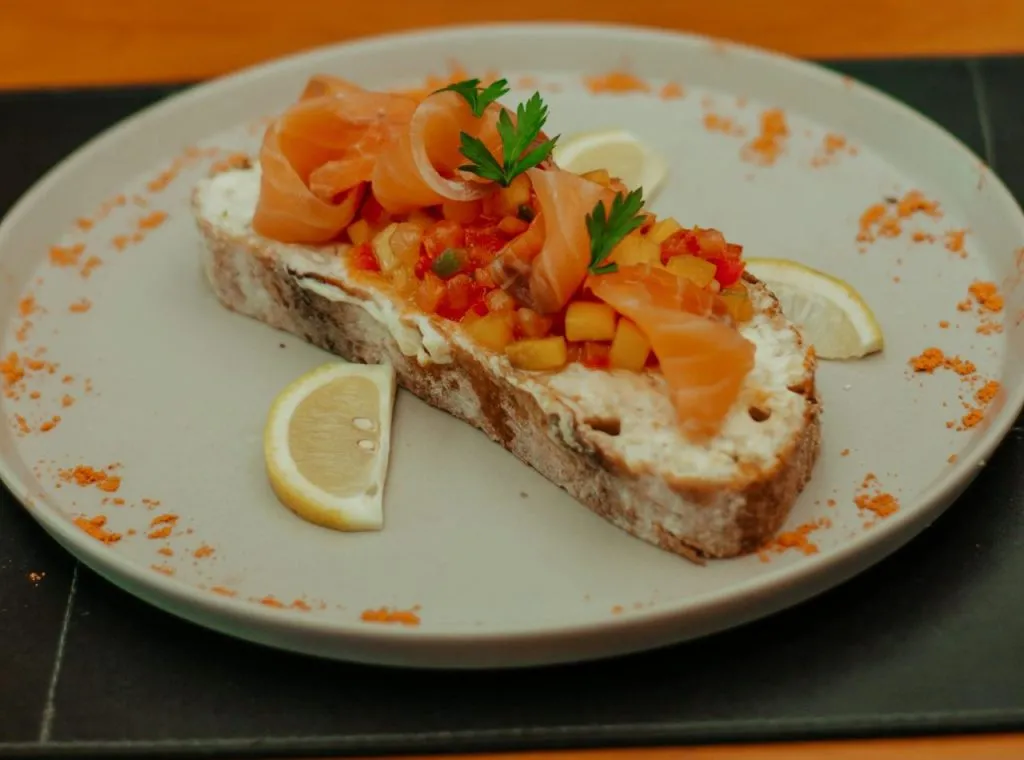
Breakfast aboard the Titanic was a significant affair, reflecting the luxurious standards of early 20th-century ocean travel. First-class passengers could expect a lavish spread, featuring dishes like smoked salmon, deviled eggs, and a variety of breads and pastries. Cooking techniques such as poaching eggs and creating perfectly crisp bacon were crucial to achieving balanced flavors and textures. To replicate a Titanic breakfast, focus on high-quality ingredients like farm-fresh eggs and artisanal bread. Serving the meal with freshly squeezed juice and rich coffee enhances the experience, providing a taste of opulence to start the day.
Chefs Behind the Scenes of Luxury

The culinary experience on the Titanic was orchestrated by a dedicated team of chefs, led by the renowned Auguste Escoffier. This brigade operated under strict conditions, ensuring each dish met high standards. Techniques included meticulous knife skills for garnishes and precise temperature control for cooking. The presentation mattered as much as taste, with plates artistically arranged. To emulate their expertise at home, pay attention to details like proper seasoning and plating. Using fresh herbs for garnish not only enhances visual appeal but also adds vibrant flavor, elevating even the simplest meals to a new level.
Key Ingredients of Titanic’s Menus
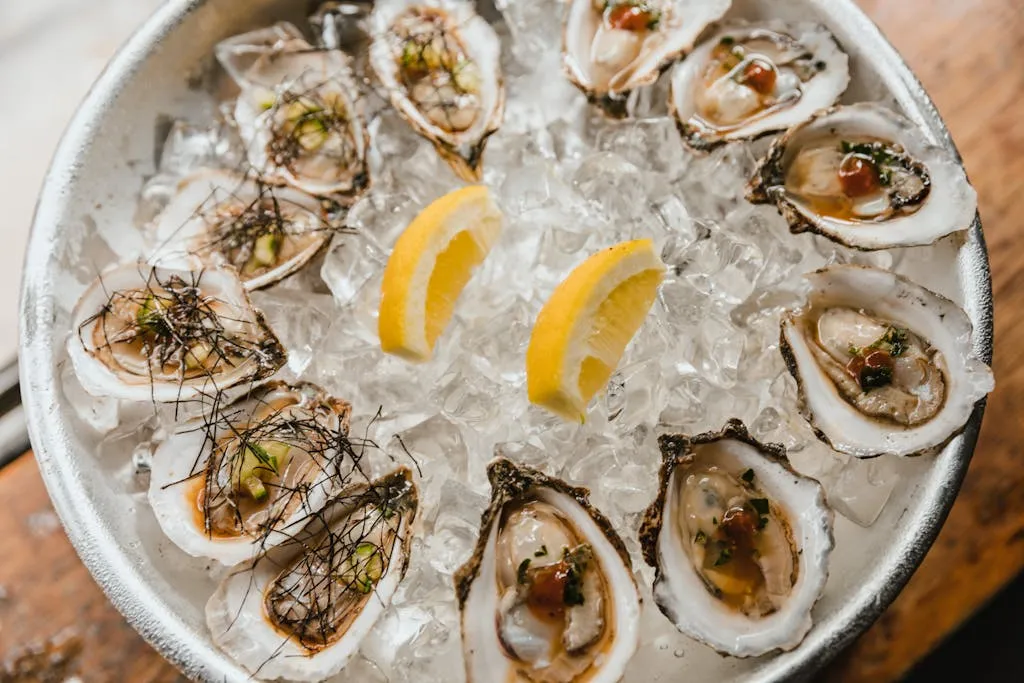
Titanic’s menus showcased a selection of high-quality ingredients, emblematic of luxury. Fresh seafood, such as oysters and lobster, was sourced from the North Atlantic, while imported delicacies included foie gras and truffles. Seasonal vegetables were carefully selected for their flavor and color, making dishes visually appealing. To mimic this culinary ethos in your cooking, prioritize sourcing locally-grown produce and high-grade proteins. Utilizing herbs and spices authentically, such as fresh dill for seafood, can elevate your dishes, bringing a touch of the Titanic’s sophistication into everyday meals.
Dining Etiquette on the Titanic

Dining aboard Titanic required a strict adherence to etiquette, reflecting both social status and decorum. Men wore formal attire, while women donned elegant dresses, setting the tone for the meal. Table settings featured fine china, crystal glassware, and polished silverware, signaling the importance of presentation. Essential dining practices included the use of the correct utensils for each course and waiting for the hostess to begin the meal. Incorporating elements of this formality into your own dining experiences, such as setting a well-arranged table and practicing good manners, can enhance the ambiance of meals and elevate everyday dining.
Beverages Fit for Every Class
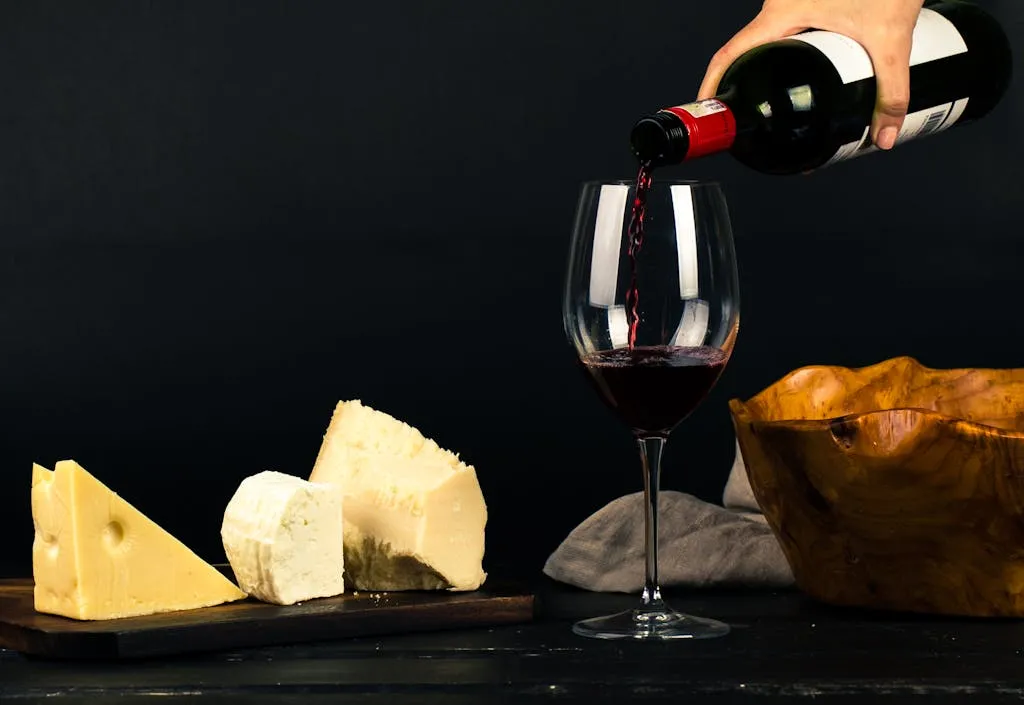
The beverage selection on the Titanic catered to all classes, with first-class passengers enjoying fine wines, champagne, and port. The careful pairing of these drinks with meals showcased classic culinary techniques. For example, serving a robust red wine alongside a rich beef dish emphasizes the flavors of both. Second-class passengers enjoyed milder options, including beer and simpler wines. To recreate a Titanic-worthy drink menu, consider thoughtfully pairing beverages with your meals. Choose quality wines that complement the dish, and don’t overlook the importance of serving temperature to fully enhance the flavors.
Artifacts That Tell the Food Story
Various artifacts from the Titanic provide rich insights into the culinary experiences of its passengers. Notable items include menus, which reveal the luxurious multi-course meals that were served. These hand-written documents often include exquisite offerings such as poached salmon, lamb with mint sauce, and an array of delicate desserts. Additionally, cookbooks and kitchen utensils recovered from the wreck highlight the techniques and tools used by chefs to create these lavish meals. The menus reflect a commitment to seasonal ingredients, emphasizing freshness and quality—critical aspects for recreating such dishes today.
