
What Restaurant Owners Know About Pricing That Regular Diners Never Figure Out
Behind every laminated menu or digital QR code is a “profit plan” that most diners never see. In 2026, with food and labor costs reaching a structural reset, restaurant owners have moved beyond simple cost-plus pricing. They now treat the menu as a strategic asset, using data-driven “anchoring” and “decoy” tactics to protect their 2–8% net margins.
By understanding the “pain of paying” and the “golden triangle” of eye movement, operators can increase the average check by over 10% without ever raising their base prices. Here is the insider logic that shapes your dining bill.
The “Golden Triangle” and Eye Patterns
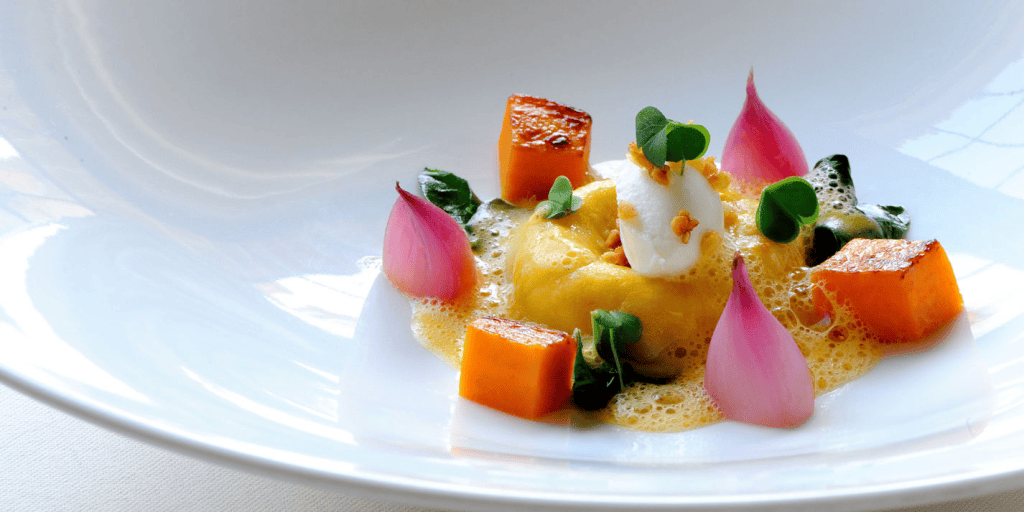
Restaurant owners know that your eyes follow a predictable path: they typically start in the center, move to the top right, and then to the top left. This “Golden Triangle” is prime real estate where owners place their “Stars” dishes that are both highly popular and highly profitable.
By surrounding these items with whitespace or elegant borders, they ensure these high-margin plates are the first things you consider. If a dish is hidden in the bottom left, it’s usually a “Plowhorse” something you love, but that barely makes them any money.
The Psychology of “Anchor” and “Decoy” Pricing

Ever wonder why there’s a $120 seafood tower or a $75 dry-aged ribeye on a mid-range menu? Owners often don’t expect to sell many of them. These are “anchors” designed to make the $38 salmon look like a bargain by comparison.
By setting a high mental price ceiling, the mid-tier items, which carry the best profit margins for the house, suddenly feel like “smart” choices. This “Decoy Effect” steers you away from the cheapest items without making you feel like you’ve splurged.
Removing the “Pain of Paying”

In 2026, the $ symbol is vanishing from modern menus. Research shows that seeing a currency sign triggers the “pain center” in the brain, reminding guests they are losing money. By listing a price as a simple numeral like “24” or even writing it out as “twenty-four,” owners reduce price sensitivity.
This subtle shift encourages diners to focus on the sensory descriptions of the food, like “velvety,” “aromatic,” or “locally sourced,” which increases the perceived value and makes a higher price point feel justified.
Dynamic Pricing and Peak Demand
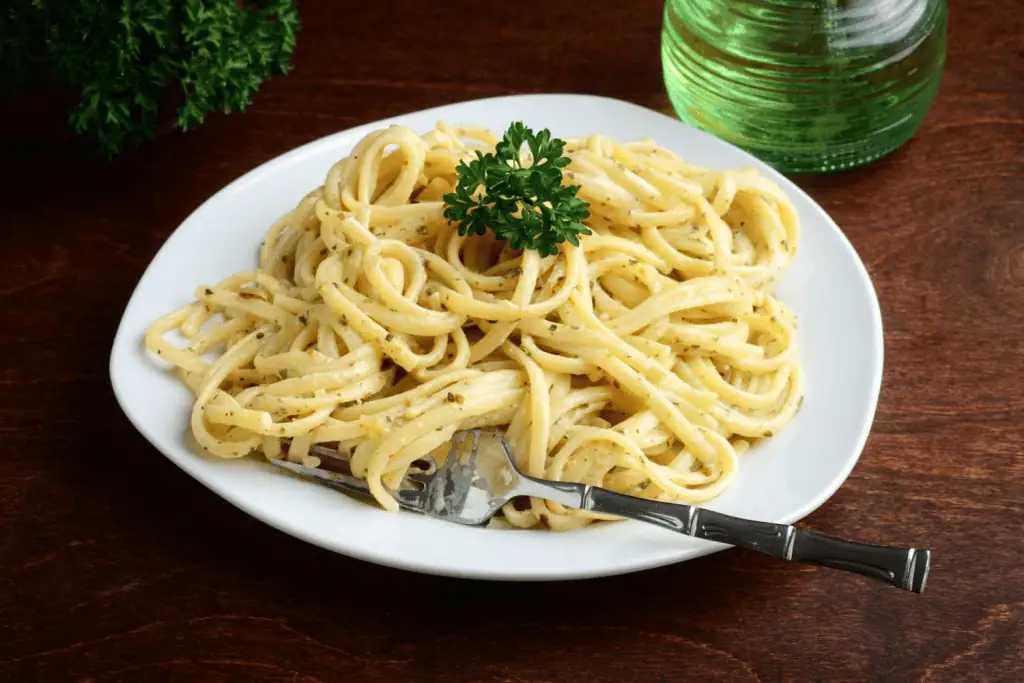
The newest secret in 2026 is “Dynamic Pricing,” similar to how airlines and Uber operate. Using real-time data, some restaurants now adjust prices based on demand, time of day, or even the weather. You might pay $2 more for that signature pasta on a busy Saturday night than you would on a rainy Tuesday afternoon.
Owners use this to maximize revenue when the house is full and offer “value-added” bundles during slow blocks to keep the kitchen moving. It’s a high-tech way to ensure the restaurant stays profitable despite volatile ingredient costs.
