
Think You’re Storing Food Right? These 9 Myths Say Otherwise
We’ve all been guilty of it. You find a can of beans in the back of the pantry, check the date, and throw it away just because it’s past the number. Or you stash your bread in the fridge thinking it’ll last longer, only to find it stale and sad a few days later. And tomatoes? You’ve been chilling them, but they taste like cardboard. Turns out, a lot of what we think we know about food storage is just wrong. Expiration dates aren’t safety deadlines. Not all produce belongs in the fridge. Bread actually goes stale faster when it’s cold. And oils can go rancid if you store them in the wrong place. The good news is that fixing these habits is easy—and it’ll save you money, reduce waste, and keep your food tasting better.
So if you’re ready to stop guessing and start storing smarter, you’re in the right place. In this article, we’re busting 9 common food storage myths—from refrigeration rules and egg storage to freezer use, can and jar longevity, and spice shelf life. You’ll learn simple tips like why tomatoes belong on the counter, how to freeze bread the right way, and why you should never store milk in the fridge door. No complicated systems. Just practical, science-backed advice that makes a real difference. Let’s store food better—and stop throwing away good stuff.
The Truth About Expiration Dates

Expiration dates often cause unnecessary anxiety, as they don’t always indicate safety. Typically, they reflect the manufacturer’s suggestion for peak quality rather than a hard deadline for spoilage. Use your senses—sight, smell, taste—to assess food condition. For instance, dairy might sour beyond the date but often remains safe for cooking. Understanding this distinction helps reduce waste without sacrificing safety.
Refrigerate All Produce—Fact or Fiction?

Refrigeration isn’t suitable for all produce. Tomatoes, for instance, lose flavor and texture when chilled. Store them at room temperature for a more robust taste. Bananas also brown faster in the cold. However, leafy greens benefit from refrigeration, retaining crispness longer. Understanding individual produce needs helps preserve quality effectively, ensuring your ingredients remain at their best.
Do Eggs Need Chilling?

Egg storage varies globally, with refrigeration being a necessity in the U.S. due to egg-washing processes that remove protective coatings. This makes them more vulnerable to bacteria. In countries where eggs aren’t washed, room temperature storage is viable. Consistent chilling in the States maintains freshness and minimizes bacterial risks. Keep eggs in their cartons to reduce moisture and odor absorption.
Bread in the Fridge: Help or Harm?

Storing bread in the fridge hastens staling due to starch retrogradation. Room temperature, or freezing for extended storage, are better options. If freezing, slice beforehand for easy thawing. Use airtight wrapping to avoid freezer burn and moisture loss. This approach keeps your bread tasting fresh longer, allowing for enjoyable sandwiches and toast without compromise.
Is the Freezer a Safe Haven for All?

While the freezer is prized for extending the life of many foods, not all items emerge unscathed. Certain vegetables, like cucumbers or lettuces, lose their crisp texture, becoming icy mush upon thawing. Additionally, delicate dairy products such as cream and soft cheeses may split, altering their intended texture. It’s essential to wrap foods tightly to prevent freezer burn, which affects flavor and texture. Label items with dates; though safe indefinitely, foods are best consumed within a reasonable time to ensure quality.
Cans and Jars: Sealed for Eternity?

The sealed nature of cans and jars often leads to the misconception of indefinite longevity. While they do boast impressive shelf lives, most are best consumed within one to five years for optimum flavor and nutritional value. Watch for rust, dents, or bulging lids, as these can indicate spoilage. Store in a cool, dark place to avoid heat exposure which can degrade the contents more quickly. Once opened, transfer to airtight containers and refrigerate, using promptly to maintain quality.
The Real Shelf Life of Oils
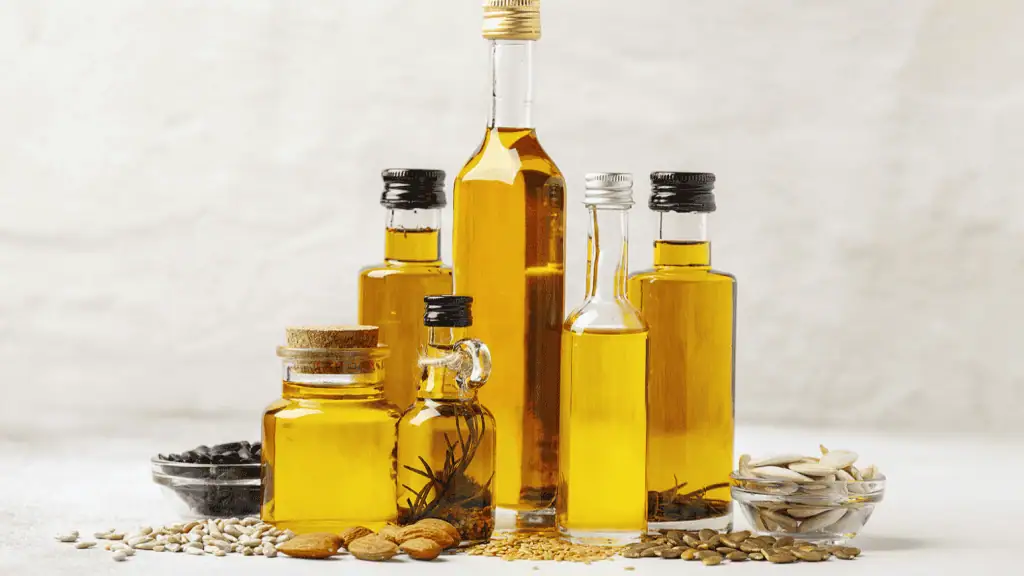
Oils vary in shelf life and storage needs; while some, like olive oil, are stable for 18 months if stored in a cool, dark place, flaxseed oil is more delicate and needs refrigeration. Rancidity is the main risk, and a sharp, unpleasant odor indicates it’s time to dispose of the oil. Keep oils tightly sealed to minimize oxidation and spoilage. Use colored bottles to protect from light, which accelerates breakdown, ensuring your oils perform their best in your culinary creations.
Milk Myths: Where It Belongs

Milk should be stored on the refrigerator shelves rather than in the door, where temperatures fluctuate. The cooler, consistent environment of the shelves prolongs freshness. Consider the “use-by” dates as guidelines; spoilage indicators include sour smell and curdling. Don’t return used milk directly to the original container to prevent contamination. For non-dairy alternatives, the storage rules vary, so check packaging for specific instructions to maintain their quality and taste.
Do Spices Really Expire?
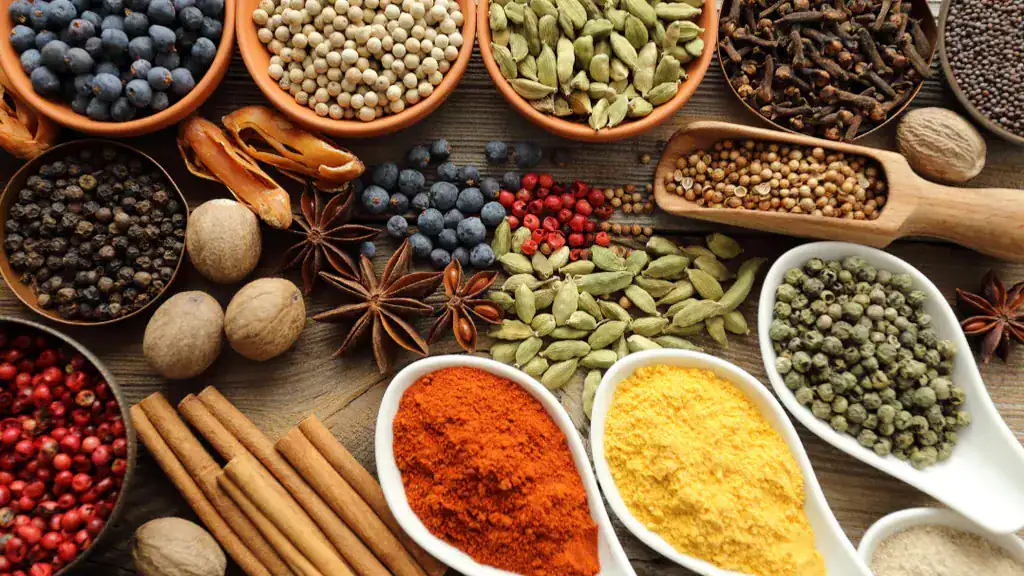
Spices do not spoil like perishable foods but lose potency over time, usually after one to three years. Whole spices retain flavor longer than ground ones. To test, rub a pinch between your fingers; if the aroma is faint, it’s time for a refresh. Store in a cool, dry, and dark place, away from the stove and sunlight, which quicken degradation. For maximum flavor, buy in small quantities and grind whole spices just before use to enhance your dishes with robust, fresh notes.
