
We Asked 5 Servers Which Dishes They’d Never Order at a Restaurant: Their Answers Will Surprise You
Servers see the reality of the kitchen every shift, from how ingredients are handled to which items are secretly repurposed. While a dish might look beautiful under the dining room lights, the staff knows which ones are inconsistent or overpriced. As restaurants work to minimize waste, some common practices can compromise the freshness or safety of your meal. By following the advice of those on the front lines, you can make smarter choices and ensure a better dining experience. Here are the top dishes that industry veterans suggests you should avoid ordering on your next night out.
The Daily Soup Trap
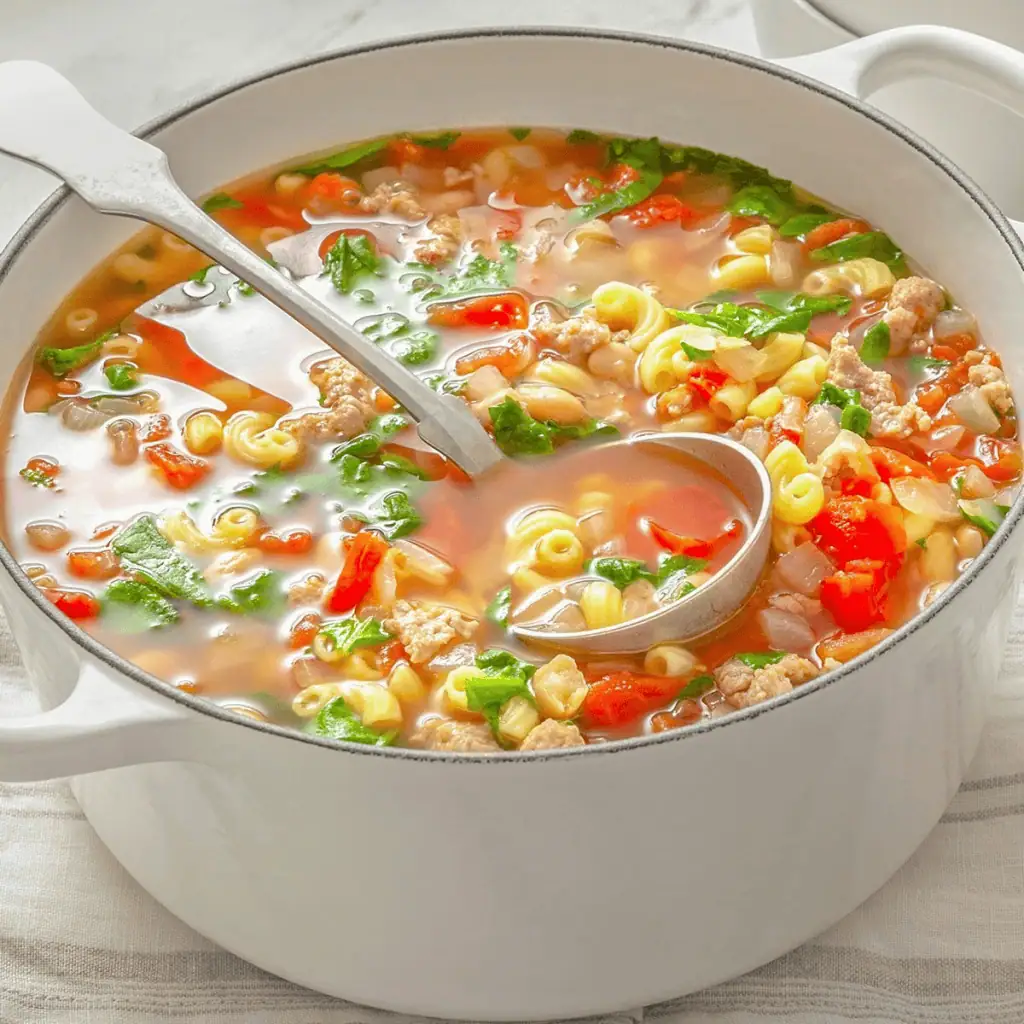
The “Soup of the Day” is frequently used as a tool for kitchens to salvage ingredients that are nearing their expiration date. Servers warn that these specials are often a way to clear out leftovers from previous shifts. If the house special was prime rib yesterday and today’s soup is beef barley, you are likely eating repurposed meat. These soups are also held in steam wells for long periods, which can lead to texture issues and temperature fluctuations. Unless the restaurant is known for its scratch-made stocks, the soup is often a gamble on freshness. It is usually a better choice to order an item from the main, consistent menu.
The Risky Brunch Sauce

Hollandaise sauce is a notorious red flag for servers because it is a “bacteria playground” that is difficult to maintain safely. Made from raw egg yolks and butter, it must be kept at a very specific warm temperature to prevent breaking or spoiling. During a busy brunch rush, these sauces often sit out for hours, far exceeding the recommended time for food safety. If you notice the sauce has a “skin” on top or looks separated, it has likely been sitting too long. Because of the high risk of foodborne illness, many servers will never order Eggs Benedict themselves. Sticking to poached or scrambled eggs is a much safer alternative.
The Hidden Cost of Seafood

Swordfish and other large, expensive steaks are often avoided by staff because they frequently have a slow turnover rate in the kitchen. When a high-priced item doesn’t sell quickly, it may be frozen and thawed multiple times, which destroys the texture and flavor. Servers also know that seafood is prone to parasites, and lower-quality cuts are often masked with heavy sauces to hide a lack of freshness. If the restaurant isn’t a dedicated seafood house with daily deliveries, the fish may have been sitting in the cooler for days. It is much wiser to ask your server which fish arrived that morning rather than choosing the most expensive steak.
The Uninspired House Salad
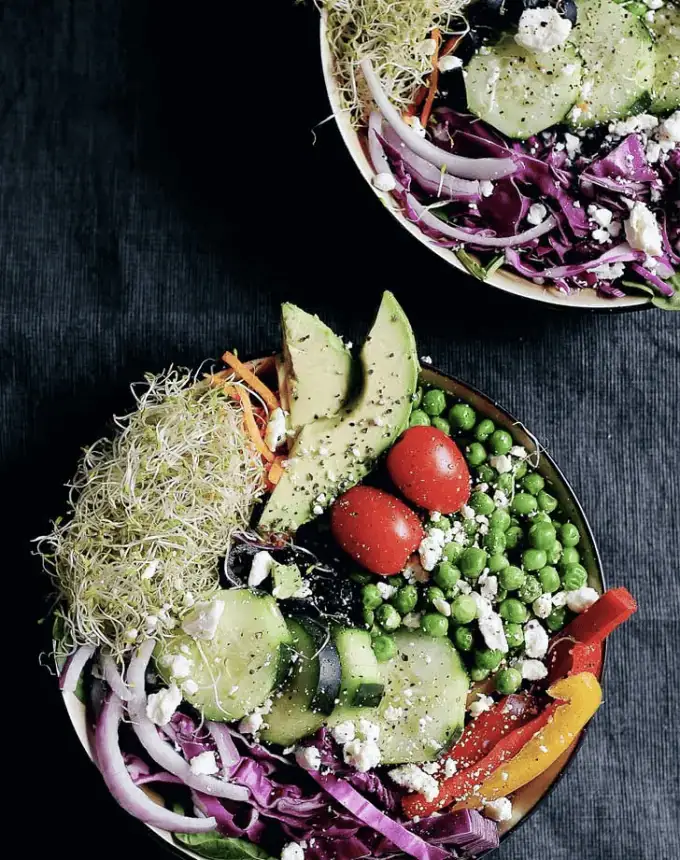
The House Salad is commonly used as a “dumping ground” for the kitchen’s oldest produce, including limp greens and pale tomatoes. Servers reveal that these salads are often pre-prepped in large batches, leading to wilted leaves and a lack of crispness by the time they serve you. The heavy, creamy dressings usually offered are designed to mask the flavor of aging vegetables rather than enhance them. In many kitchens, the salad station is the least supervised, leading to more frequent hygiene lapses during assembly. Ordering a specialized salad or a cooked side dish ensures you are getting better quality and much better nutritional value for your money.
The Overpriced Pasta Special

Servers often advise against the seafood pasta or “chef’s special” pasta because they are usually the highest-margin items on the menu. These dishes often use smaller, broken pieces of seafood or trimmings that aren’t pretty enough for a standalone entrée. While the description might sound gourmet, the actual cost of ingredients is quite low compared to the price you pay at the table. Furthermore, pasta is incredibly filling and cheap, so kitchens use it to bulk up the plate while skimping on the expensive proteins. You are almost always better off ordering a protein-focused main dish if you are looking for true value and high-quality ingredients.
