
7 Royal Tea Rules You’re Probably Breaking Without Even Knowing
Tea within the British royal family is far more than a beverage, it’s a controlled ritual shaped by etiquette, symbolism, and centuries of tradition. Even informal tea moments follow unspoken rules that reinforce hierarchy and composure. These customs aren’t about indulgence or luxury, but about consistency and public image. Every gesture, from how a cup is held to when milk is poured, reflects restraint and continuity. According to reporting on royal dining protocols, tea becomes a subtle performance of discipline, designed to look natural while remaining highly regulated.
Milk Is Added After the Tea

One of the most enduring royal tea rules is that milk must be added after the tea, never before. Historically, adding milk first was a practical habit meant to protect cheaper porcelain from cracking. Royal households used fine china that didn’t require such caution, establishing milk last as the norm. Over time, the rule evolved into a marker of refinement rather than necessity. Today, it signals adherence to tradition and social distinction. The order may seem trivial, but in royal settings, it reflects continuity, status, and respect for long-established customs.
Cups Are Held by the Handle, No Cradling
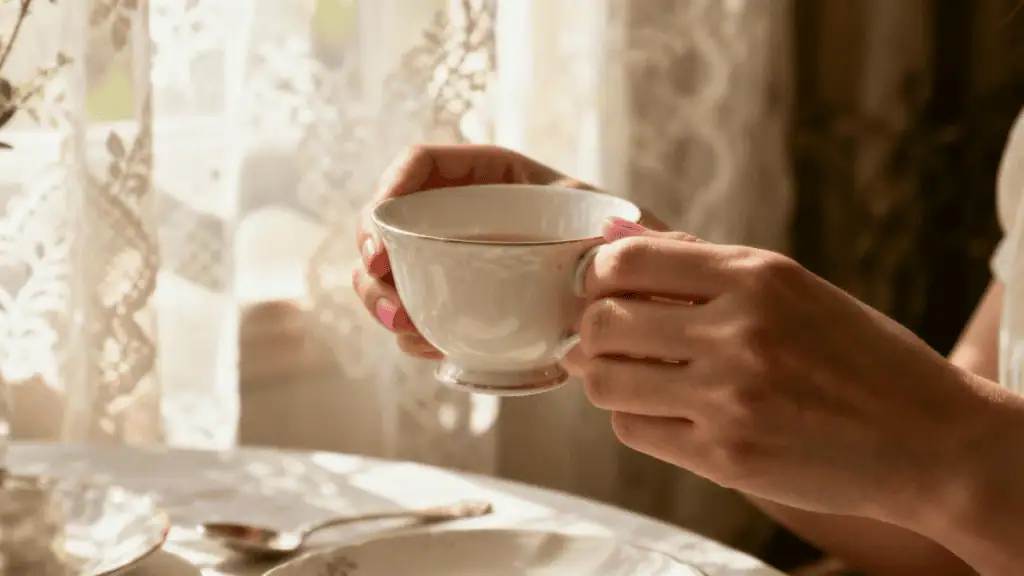
Royals are expected to hold teacups delicately by the handle, using the thumb and index finger, with the middle finger supporting underneath. Cradling the cup with both hands is discouraged, as it suggests comfort-seeking rather than control. The emphasis is on poise and restraint; tea should appear effortless, not emotionally soothing. This rule reinforces the broader expectation that royals maintain composure at all times. Even small gestures communicate discipline. In royal etiquette, how tea is held matters as much as what is served, reinforcing the image of calm authority.
No Pinky Finger Raised

Despite popular belief, raising the pinky finger while drinking tea is discouraged in royal etiquette. It’s seen as affected and performative rather than refined. Royal standards favor natural posture, minimal movement, and quiet control. An extended pinky draws unnecessary attention and signals self-consciousness instead of ease. Keeping all fingers relaxed on the handle reflects confidence and restraint. In royal settings, elegance comes from understatement, not exaggerated gestures meant to display sophistication. The goal is to appear composed and unforced, allowing the ritual to feel seamless rather than theatrical or overly studied.
Stir Quietly and Briefly

Tea is stirred gently and discreetly, never with loud clinking or dramatic motion. The correct technique uses a soft back-and-forth movement rather than a full circular stir, minimizing noise and visual distraction. Once finished, the spoon is placed neatly on the saucer never left in the cup. Lingering with the spoon is considered careless. Silence matters as much as precision. In royal etiquette, even small sounds draw focus, so stirring is meant to disappear into the moment, reinforcing the expectation that actions remain subtle, efficient, and barely noticeable.
No Slurping or Blowing on Tea
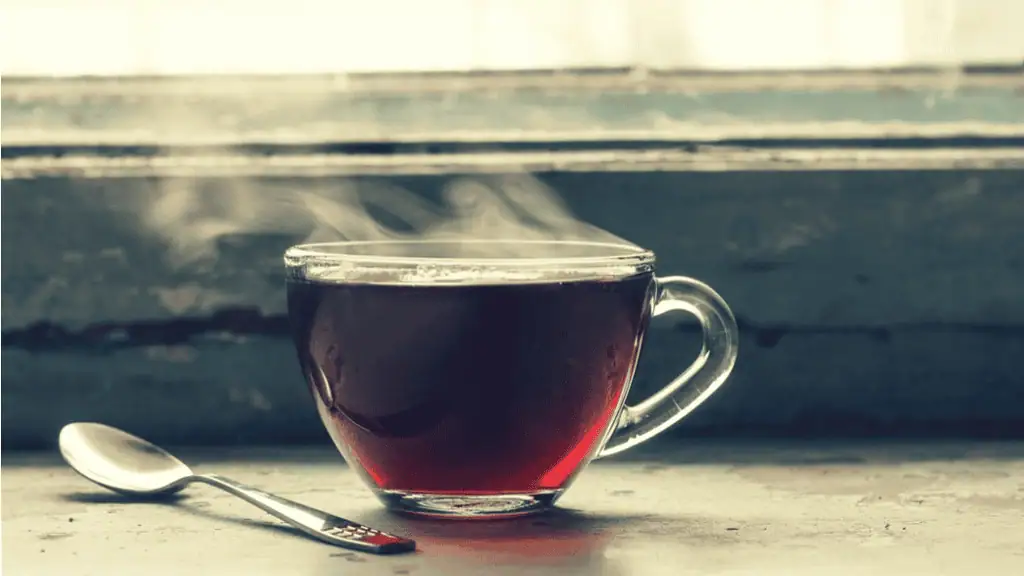
If the tea is too hot, royals are expected to wait patiently rather than blowing on it or slurping to cool it down. Both actions are seen as inelegant and overly casual. Waiting allows the tea to cool naturally without drawing attention to discomfort. Patience signals composure, especially in public settings where every movement may be observed. This rule reinforces a broader principle of royal behavior: physical urges should never interrupt presentation. Discomfort is managed quietly, preserving decorum and maintaining the calm, controlled image expected during formal rituals like tea.
Food Is Eaten in Small, Controlled Bites

During tea, food is eaten deliberately and in small, controlled bites. Finger sandwiches, pastries, and cakes are never consumed whole, no matter how small they appear. Scones are broken gently by hand rather than cut with a knife, reinforcing restraint and tradition. Jam and cream are applied sparingly, not piled on. The emphasis is moderation, not indulgence. Every action is measured to avoid mess or excess. In royal etiquette, how food is eaten communicates discipline and self-control, ensuring the act of eating never distracts from conversation, posture, or overall composure.
Tea Is as Much About Behavior as a Beverage

Perhaps the most important tea rule has little to do with the tea itself. Tea is a behavioral ritual designed to encourage calm, structured interaction. Posture remains upright, movements are minimal, and conversation stays measured and polite. Phones and distractions are absent, keeping attention focused on those present. Tea becomes a social stage where manners, pacing, and awareness matter as much as what’s served. In royal settings, tea reinforces hierarchy, restraint, and attentiveness, turning a simple break into a controlled moment of public and private conduct rather than casual relaxation.
