
Vegetables You Should Include For a Healthy Diet
Incorporating a variety of vegetables into your diet can significantly enhance your health, providing essential nutrients and supporting overall well-being. Focusing on specific vegetables like spinach, kale, broccoli, and peas ensures a balanced intake of vitamins, minerals, and antioxidants. Each of these vegetables offers unique benefits and can be easily integrated into daily meals with simple preparation techniques. This guide will highlight their nutritional advantages and offer practical tips for cooking.
Spinach: The Leafy Powerhouse

Spinach is a versatile leafy green rich in iron, calcium, and vitamins A, C, and K. Its mild flavor makes it adaptable, from salads to smoothies. For sautéing, use a splash of olive oil and garlic for aromatic depth, ensuring to cook just until wilted to preserve nutrients. Spinach is also excellent in pasta dishes, adding color and nutrients without overpowering other flavors. Always rinse thoroughly to remove any dirt or sand, and store unwashed in a dry, airtight container to prolong freshness.
Kale: Nutrient-Packed and Trendy
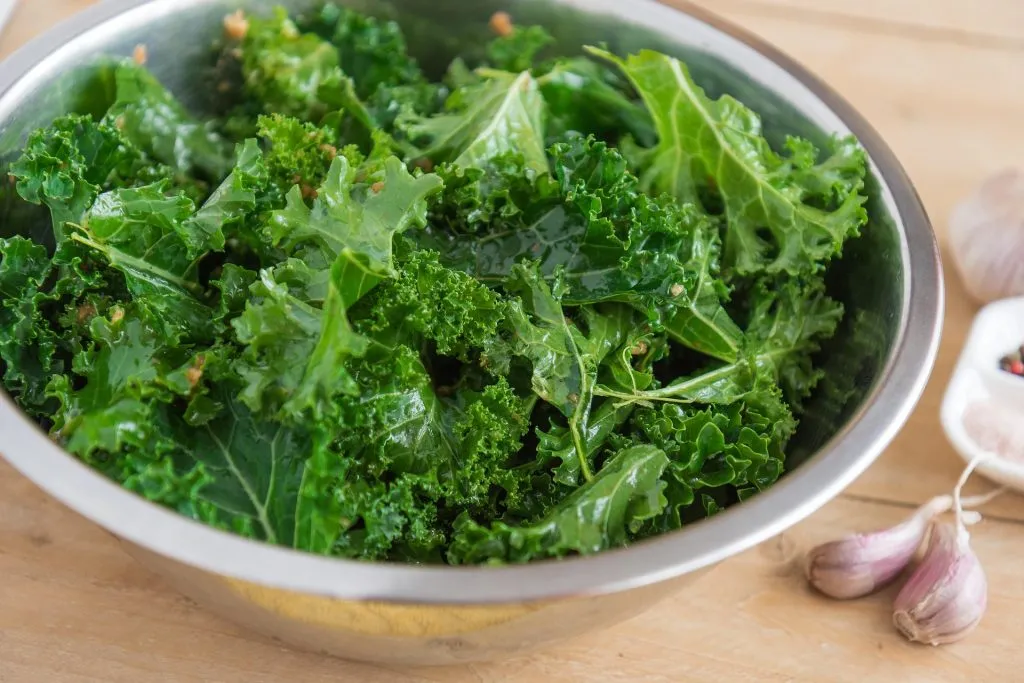
Kale stands out for its hefty dose of antioxidants, fiber, and vitamins C, A, and K. Its robust leaves hold up well in hearty salads or can be roasted into crispy chips. For a salad, massage the leaves with a bit of olive oil and a pinch of salt to soften them. Alternatively, kale can be added to soups and stews, where its sturdy texture withstands simmering. To reduce bitterness, remove the fibrous stems and pair with tangy dressings or a squeeze of lemon.
Broccoli: The Green Giant
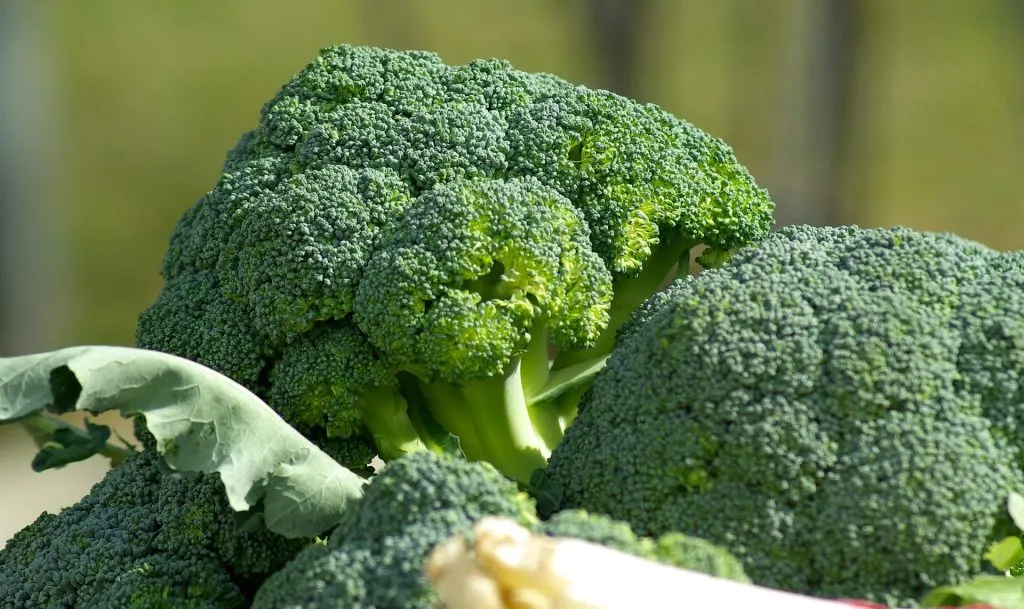
Broccoli is a staple in healthful diets due to its high fiber content, vitamin K, and cancer-fighting compounds. Steaming is an ideal method to cook broccoli while preserving its nutrients and bright green color. Ensure even cooking by cutting the florets into uniform pieces. Roasting is another flavorful option, adding a drizzle of olive oil and a sprinkle of salt for caramelized edges. Don’t discard the stems; they can be peeled, sliced, and cooked alongside the florets for additional nutrition.
Peas: Tiny Yet Mighty
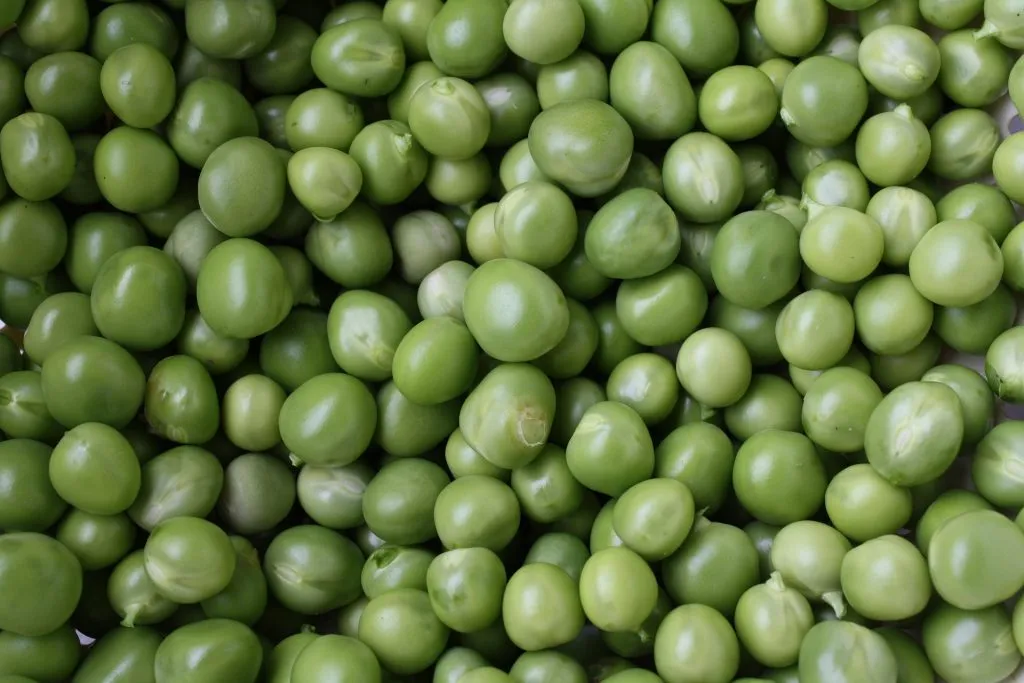
Peas, though small, are packed with vitamin C, fiber, and protein. Their natural sweetness complements savory dishes, making them a versatile ingredient from sides to main courses. Fresh peas are a delight when briefly blanched, retaining their vibrant color and crisp texture. Frozen peas are convenient and equally nutritious, easily tossed into stir-fries or rice dishes. Enhance their flavor with mint or a touch of butter. Aim to avoid overcooking to maintain their bright flavor and texture.
Sweet Potatoes: Sweet but Savory

Sweet potatoes bring a delightful balance of natural sweetness and hearty texture to any meal. Rich in vitamins A and C, they’re a nutritional powerhouse. Roasting at 400°F enhances their caramelization, offering a pleasing contrast of crispy edges with a soft interior. Cut them uniformly to ensure even cooking. Try a sprinkle of paprika or cumin for an aromatic twist, heightening their natural flavors and adding depth to your dish. These tubers pair beautifully with roasted chicken or a fresh, green salad.
Beets: Earthy Nutrient Boosters

Beets, with their deep, earthy flavor and vibrant hue, are a fantastic source of folate and manganese. Roasting them intensifies their sweetness, while steaming preserves their nutrients. To prevent bleeding, peel after cooking. Thinly slicing beets for a colorful salad elevates their visual appeal and adds a satisfying crunch. Pair with goat cheese and walnuts for a textured, nutrient-rich salad. A dash of balsamic vinegar enhances their natural flavor profile, perfect for a refreshing yet hearty side.
Carrots: Crunchy and Colorful
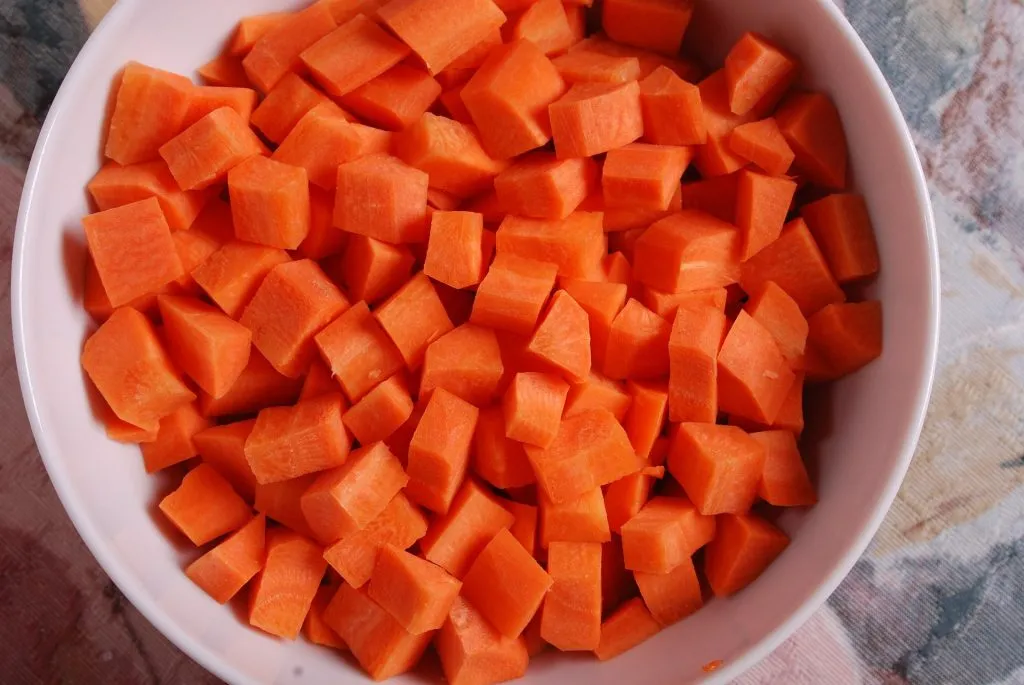
Carrots are not only visually appealing but are also rich in beta-carotene and fiber. The key to maximizing their natural sweetness is by roasting at a high heat, around 425°F, which encourages caramelization. Season with thyme and a touch of olive oil, bringing out their umami notes. For a change of pace, consider grating them fresh over salads for an added crunch, or blending into a nourishing carrot-ginger soup. This versatility makes them an irreplaceable staple in a balanced diet.
Fermented Vegetables: Gut Health Heroes

Fermented vegetables, such as kimchi and sauerkraut, are excellent for promoting gut health due to their probiotic content. The fermentation process not only brings a tangy depth of flavor but also enhances nutrient absorption. Start by introducing small amounts into dishes like rice bowls or use them as toppings for tacos. Balance their strong flavors with fresh herbs or a drizzle of sesame oil. Incorporating a variety of fermented foods into your diet supports digestive health and provides a unique culinary experience.
Tomatoes: Juicy Antioxidant Sources

Tomatoes, bursting with juicy goodness, are a formidable source of antioxidants, notably lycopene. For maximum flavor, choose sun-ripened varieties, and consider roasting them with olive oil and garlic at 375°F to concentrate their sweetness. Use them in fresh salads, where their acidity balances creamy elements like mozzarella or avocado. Tomatoes are equally remarkable in sauces and soups, providing depth with their natural umami. Their versatility and nutritional benefits make them essential in a well-rounded diet.
Garlic: Flavorful and Heart Healthy

Garlic is an indispensable ingredient that adds depth and warmth to dishes. Known for its cardiovascular benefits, garlic is rich in allicin, a compound with anti-inflammatory and antioxidant effects. To maximize potency, crush or chop fresh garlic and allow it to sit for a few minutes before cooking. This process enhances the formation of beneficial compounds. Whether sautéed with vegetables or roasted for a mellow sweetness, garlic’s robust flavor elevates any meal, making it both a kitchen staple and a health-enhancing food.
Onions: The Allium Powerhouse

Onions bring a balance of sweetness and tanginess that enhances countless dishes. Rich in quercetin, a powerful antioxidant, onions are known for their heart and immune health benefits. To draw out their natural sweetness, sauté onions slowly on a low heat until caramelized. From raw slices in salads to the savory foundation of soups, onions contribute a depth of flavor while offering vital nutrients. Utilize onions in diverse preparations to enjoy their health and taste benefits to the fullest.
Alfalfa Sprouts: Tiny but Mighty
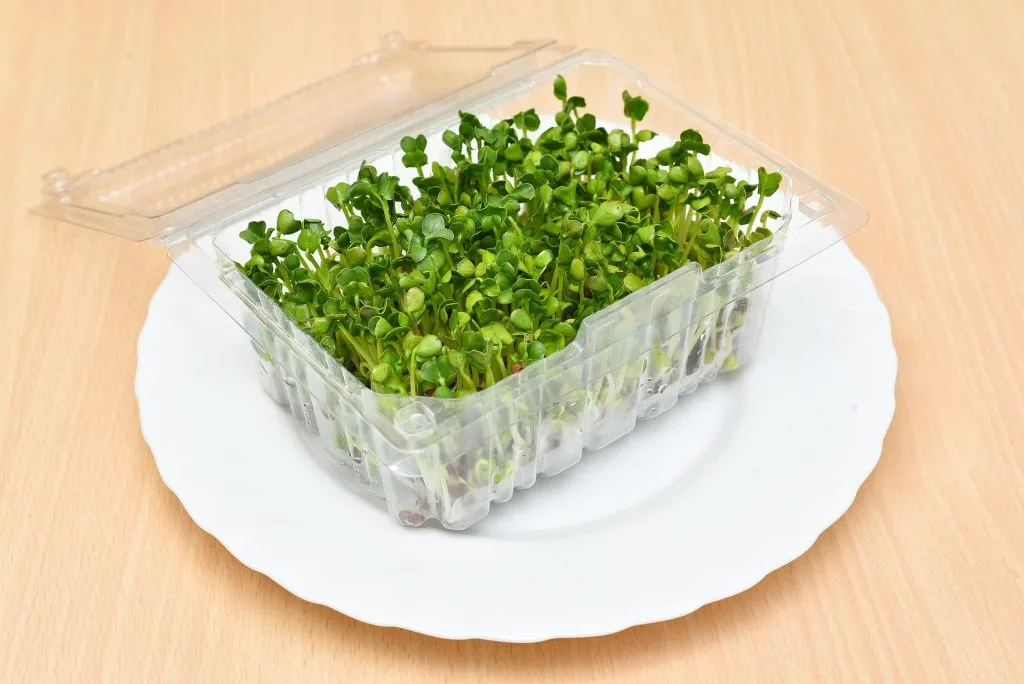
Alfalfa sprouts, though small, pack a nutritional punch. These sprouts are low in calories yet high in essential nutrients like vitamin K and C. Their crisp texture and mild, nutty flavor make them a fantastic addition to salads, sandwiches, or wraps. To keep alfalfa sprouts fresh, rinse them thoroughly and store them in a breathable container in the refrigerator. Incorporating alfalfa sprouts into meals is a simple way to boost dietary fiber and introduce a refreshing crunch.
Bell Peppers: Colorful Vitamin Boosts

Bell peppers are vibrant and loaded with vitamins A and C, offering a sweet, crunchy addition to any meal. When preparing bell peppers, remove the stem and seeds, and consider slicing them thinly for even cooking. Grilling enhances their natural sweetness, while roasting deepens their flavor. Enjoy bell peppers in a raw state to maintain their crispness or mix them into stews for softened textures. Their myriad colors add visual appeal and nutrients to dishes, enhancing both health and style.
Seaweed: The Ocean’s Green Treasure

Seaweed offers a unique blend of flavors ranging from salty to umami, adding depth to any dish. Rich in iodine, vitamins, and minerals, it’s a powerhouse for thyroid health and metabolism. Incorporate it as a flavor enhancer by finely slicing nori over salads or stirring wakame into soups. For a more intriguing texture, mix arame into rice or sauté it with garlic and sesame oil. Ensure quality by choosing dried or fresh varieties, and remember to rinse thoroughly to remove excess salt. This sea vegetable not only nourishes but transforms dishes with its subtle brininess.
