
Ultra-Processed Foods: Where They’re Banned and Where They Thrive
Ultra-processed foods, characterized by ingredients rarely found in home kitchens, dominate many dietary landscapes. These products, often high in sugars, fats, and additives, are designed for convenience, yet pose nutritional challenges. Understanding where they’re restricted and where they flourish highlights global approaches to public health and dietary habits. Examining their impact provides insights into the evolving dialogue around nourishment and health across the world.
Mexico: A Fight Against Junk Food

Mexico stands at the forefront in combating ultra-processed foods, driven by the country’s high obesity rates. Legislation targets excessive sugar consumption, with taxes imposed on sugary beverages and snacks to incentivize healthier choices. Front-of-package labeling warns consumers about high sugar, salt, and fat content. This approach aims to educate the public, steering them towards more nutritional, fresh produce found in local markets, emphasizing traditional culinary values over convenience foods.
Colombia’s Nutritional Policies
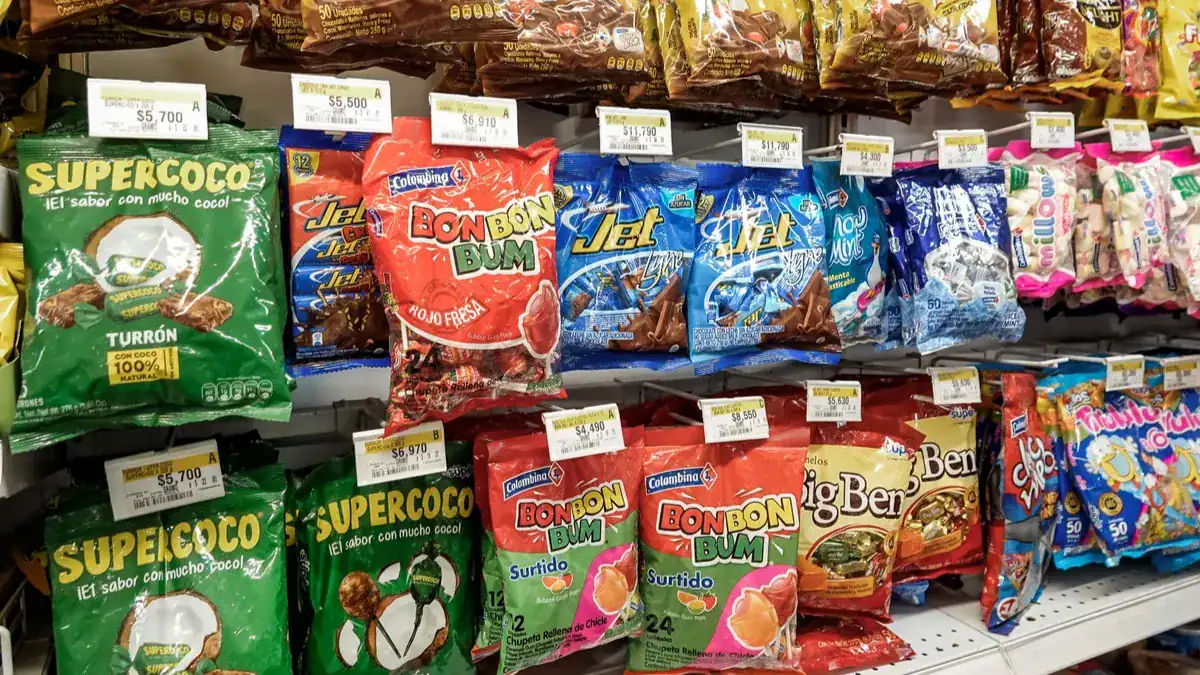
In Colombia, efforts to curb ultra-processed food consumption reflect growing health awareness. The government mandates clear food labeling to inform consumers about nutritional content. Collaborative campaigns encourage reduced intake of these products, favoring whole foods abundant in local cuisine, like fresh fruits, vegetables, and legumes. This focus aligns traditional dining habits with modern health objectives, aiming to balance dietary patterns with the country’s rich culinary heritage.
California: A State of Health Awareness

California, with its reputation for health consciousness, leads efforts to reduce the prevalence of ultra-processed foods. State policies promote organic, locally sourced ingredients, and initiatives encourage schools and communities to prioritize fresh, wholesome meals. Public campaigns focus on reducing artificial additives, supporting farmers markets, and advocating for transparent labeling. This approach highlights a commitment to balancing convenience with nutrition, making fresh, ethical choices accessible to all.
The US: A Market for Convenience

Contrasting health initiatives, the US remains a stronghold for ultra-processed foods, driven by convenience and cost-effectiveness. Supermarkets brim with ready-made options, catering to fast-paced lifestyles. While awareness grows, offering organic and healthier alternatives, the market thrives on diverse needs, balancing accessibility with health concerns. This environment presents opportunities for innovation in food production, nudging consumers towards more informed, conscious decisions.
UK’s Approach to Food Regulations

The United Kingdom has implemented strong food regulations aiming to reduce the consumption of ultra-processed foods. Efforts include strict labeling standards, focusing on transparency about sugars and additives. The UK’s Traffic Light System aids consumers in making healthier choices by clearly showing nutritional values on packaging. Additionally, taxes like the Soft Drinks Industry Levy encourage producers to reformulate products, promoting public health without overtly banning specific items.
Canada’s Health Initiatives

Canada has taken proactive steps to address ultra-processed foods, particularly through improvements in food labeling and public health campaigns. The Food Guide has been revamped to encourage whole foods, emphasizing fruits, vegetables, and proteins while discouraging processed products. Canadian regulations also focus on restricting marketing to children, aiming to reduce early exposure and preference for high-sugar and high-sodium foods. These initiatives work collectively to steer consumer habits towards healthier, less processed food options.
Australia’s Attitude Towards Processed Foods

Australia’s approach to ultra-processed foods involves promoting awareness rather than outright bans. By educating the public on reading labels and understanding ingredient lists, consumers are empowered to make informed choices. Campaigns like “Better Health Channel” highlight the benefits of whole foods over processed alternatives. While processed foods are prevalent, there’s substantial encouragement to integrate natural, minimally processed ingredients into daily diets, supported by government guidelines and advocacy groups working to reduce dependence on convenience foods.
Japan: Tradition Over Convenience
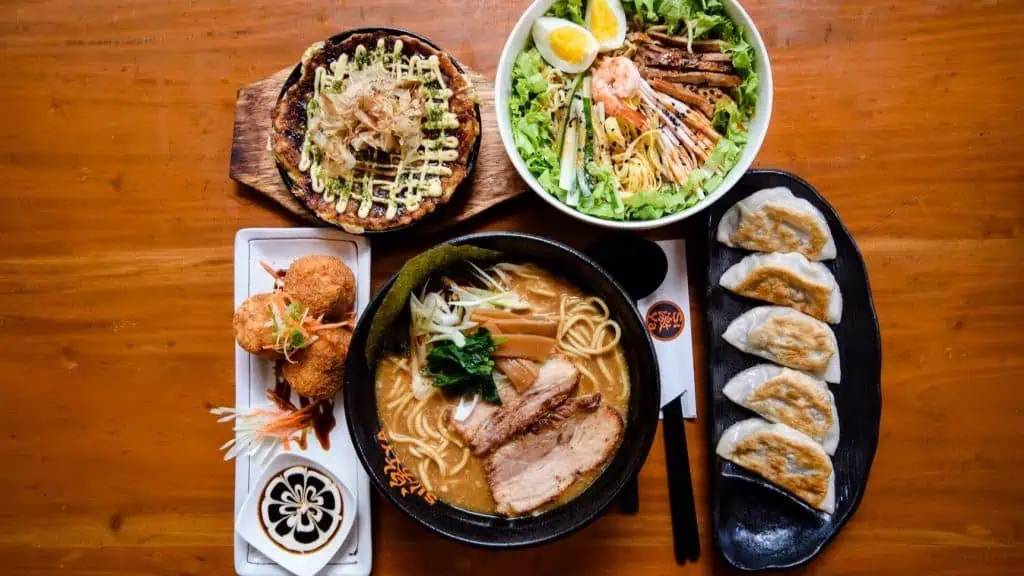
Japan prioritizes traditional dietary habits over ultra-processed food consumption. The emphasis on fresh, seasonal ingredients like vegetables, fish, and rice reflects cultural values. Processed foods exist but are often less prevalent in daily diets compared to home-cooked meals. Nutritional education from a young age fosters awareness of the benefits of balanced eating. Japanese cuisine highlights natural flavors, with minimal reliance on additives, supporting a healthy lifestyle that naturally curbs the proliferation of ultra-processed foods.
