
6 Unsual Meal Prep Tricks of the 60’s that Would Raise Eyebrows Today
Throughout the 1960s, home cooks embraced a variety of meal prep techniques that prioritized convenience and innovation. Some of these methods, while eyebrow-raising today, revealed a resourceful approach to kitchen efficiency and preservation. From cleverly freezing meals in aluminum trays to the intriguing use of gelatin as a savory preserver, these strategies showcase a bygone era’s unique flair for food preparation. Understanding these techniques offers both a nostalgic glimpse into culinary history and practical insights for the modern kitchen.
Freezing Meals in Aluminum Trays
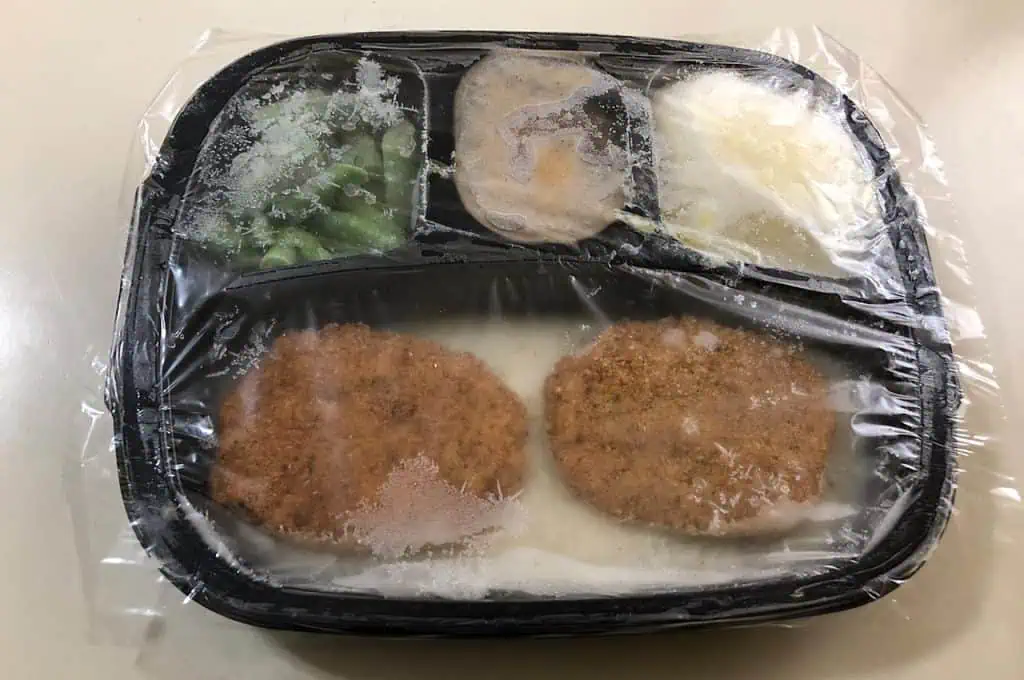
Aluminum trays were a staple of 1960s meal prep, offering an efficient way to store and reheat meals. By assembling complete dinners, often with meat, vegetables, and starches, home cooks could freeze portions in these durable trays. This method allowed for effective storage without compromising flavor or texture. When reheated, the tray ensured even heat distribution, maintaining the meal’s integrity. For today’s home cook, using aluminum containers for freezer-to-oven convenience can still be a practical choice, albeit less common than contemporary alternatives.
Gelatin: The Savory Preserver

Using gelatin in savory dishes was a popular way to preserve and set meals. Molded salads and appetizers showcased a fusion of textures, often encasing meats and vegetables in a firm, translucent layer. This method extended shelf life and created visually appealing presentations. While unconventional today, gelatin still offers a unique way to bind ingredients together, adding an element of surprise and textural interest. For adventurous cooks, revisiting this technique can inspire creative takes on traditional dishes, enhancing both flavor and visual appeal.
Pre-Buttering for Time-Saving Sandwiches

Pre-buttering bread emerged as a time-efficient trick, particularly for sandwiches destined for lunchboxes. By applying butter in advance, sandwiches benefitted from moisture protection, preventing sogginess from fillings. This simple step ensured bread maintained its texture and flavor by acting as a barrier. Modern home cooks can adopt this technique by using spreads to seal bread, extending the life of make-ahead sandwiches and enhancing their enjoyment. Pre-buttering remains an effective strategy for those seeking a quick lunchtime solution without sacrificing quality.
Cooking Meat Once for the Week

In the 60s, preparing a large cut of meat at the beginning of the week allowed home cooks to streamline meal prep efficiently. Cooking a roast or multiple cuts in one session provided protein for several days. Cooled meat was sliced or shredded to create varied meals, from sandwiches to casseroles. This batch cooking approach is valuable today, promoting versatility and reducing daily cooking time. By selecting a high-quality cut and employing thoughtful seasoning, cooks can ensure flavorful, adaptable meals all week long.
Canned Soup: The One-Step Meal
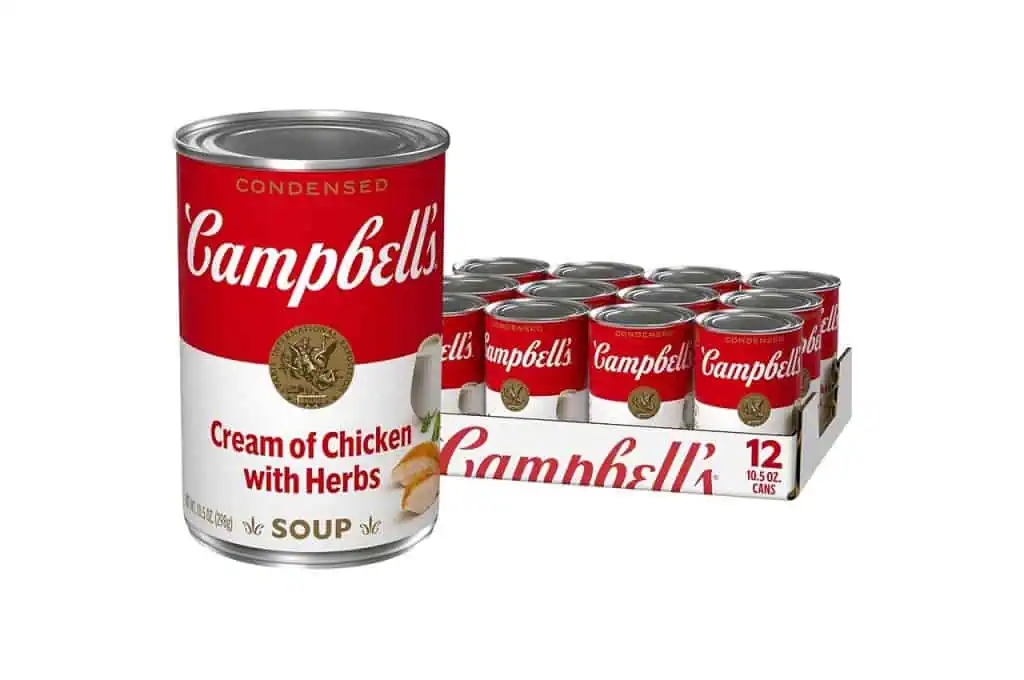
In the 1960s, canned soup was a culinary shortcut embraced for its convenience and versatility. To enhance canned soup, consider simmering it with fresh herbs like thyme or parsley to deepen the flavor. Adding a splash of cream can enrich the texture, transforming an ordinary base into a velvety delight. Furthermore, incorporating leftover proteins such as chicken or ham, finely chopped, adds depth and substance. Be mindful of the sodium content, though, balancing it with unsalted broth or water. This approach not only preserves the nostalgic ease but elevates the meal with minimal effort.
Prepping Salads with Heavy Dressings

Decades ago, salads were prepped with robust, creamy dressings to counteract the notion of bland greens. To master this technique today, start by choosing hearty greens like kale or spinach that can hold up under heavier toppings. Whisk your dressing separately, incorporating bold flavors like Dijon mustard or anchovy paste for depth. Toss the greens gently yet thoroughly, ensuring each leaf is well-coated. Top with hard-boiled eggs, crumbled cheese, or toasted nuts for added texture. This method transforms simple vegetables into a complex, satisfying dish that defies the ordinary salad stereotype.
