
Ultimate Gut Guide: 10 Foods to Nourish Your Good Bacteria
Understanding how to support your gut health is crucial, with beneficial foods playing a key role. This guide highlights ten foods that can help enrich your gut microbiome. By incorporating these options into your diet, you're setting a foundation for better digestion and overall health. Each chosen ingredient offers distinctive probiotics or prebiotics, making them excellent for nourishing your system. Your journey to a healthier gut starts with adding these accessible and potent foods to your daily meals.
Power-Packed Yogurt

Yogurt is a versatile food brimming with live cultures that aid digestion and enhance gut flora. Choose yogurts labeled with “live” or “active” cultures for maximum benefit. The creamy texture not only satisfies but also provides a healthy basis for breakfast or snacks. Pair it with fruits like berries for added fiber, or mix with oats for a balanced meal. Look for plain, unsweetened versions to avoid excess sugars which can counteract the benefits. Yogurt’s adaptability means it can be used in smoothies, salads, or even savory sauces.
Fermented Magic: Sauerkraut

Sauerkraut, made through the natural fermentation of cabbage, is rich in probiotics fundamental for gut health. The fermentation process enhances the bioavailability of nutrients, making it a potent addition to meals. When selecting sauerkraut, seek out unpasteurized versions to ensure live cultures are present. Its tangy, crunchy nature adds a refreshing contrast to sandwiches, salads, or as a side dish. Regular consumption can help stabilize gut flora and aid in efficient digestion. Store it in the fridge to maintain its probiotic properties.
Kefir: Probiotic Elixir

Kefir, a fermented milk drink, offers a more diverse probiotic profile than yogurt. With a tangy flavor and slightly effervescent texture, it's a refreshing way to support gut health. Choose plain, unsweetened kefir to maximize its natural benefits. It's ideal for those with lactose intolerance due to how the fermentation process breaks down lactose. Enjoy kefir as a beverage or blend it into smoothies. Incorporating it into salad dressings or using it as a marinade can add a probiotic punch to your meals.
Kimchi: Spice Up Your Gut

Kimchi, a staple in Korean cuisine, is a spicy, fermented vegetable dish packed with probiotics. Its vibrant flavors come from garlic, ginger, and chili, enhancing not just taste but digestive health as well. Look for varieties with a lively, fresh aroma indicating active fermentation. It pairs deliciously with rice, stir-fries, or as a standalone side. Kimchi is also rich in fiber, contributing to a healthy gut environment. Its versatility invites creativity in the kitchen, allowing you to enjoy its benefits in numerous recipes.
Tempeh: Plant-Based Protein

Tempeh is an effective way to incorporate plant-based protein into your diet while supporting gut health with natural probiotics. This fermented soybean product has a firm texture and a nutty flavor. To prepare, slice tempeh into thin strips and marinate in soy sauce, ginger, and garlic for enhanced flavor. Use a hot skillet with a splash of oil to crisp the edges, which adds a delightful contrast to its tender interior. Pair with leafy greens or grain bowls to create a balanced meal teeming with nutrients.
Kombucha: Fizzy Digestive Aid

Kombucha, a fermented tea celebrated for its probiotic content, helps maintain a balanced gut. This tangy and effervescent drink can be brewed at home by fermenting sweetened tea with a SCOBY. When brewing, ensure clean equipment to prevent contamination and a balanced sugar concentration to promote healthy fermentation. Store brewed kombucha in glass bottles for safe carbonation. Enjoy it chilled as a revitalizing beverage that supports digestion, ideally without overconsumption due to its acidity.
Misoladen Probiotics
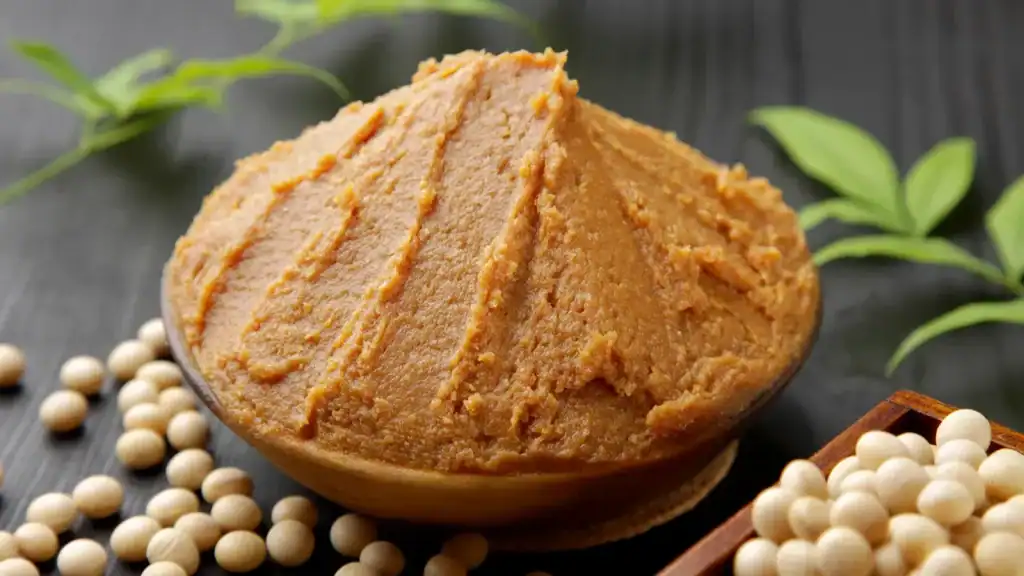
Miso, a fermented soybean paste rich in probiotics, adds umami depth to a range of dishes. Incorporate miso into soups, dressings, or marinades to boost gut health. Use mild white miso for a sweeter note or deeper varieties like red miso for robust flavor. To preserve its probiotic qualities, add miso towards the end of cooking and avoid boiling. Blend with warm dashi or a simple stock to create a rejuvenating, savory broth that enriches your meals with both flavor and health benefits.
Pickles: Crunchy Prebiotics

Pickles provide more than just a satisfying crunch; they’re rich in prebiotics, essential for nourishing gut bacteria. Opt for naturally fermented pickles rather than vinegared versions to harness their full probiotic potential. Make quick pickles by submerging cucumbers in brine spiced with dill, garlic, and mustard seeds. Store in the refrigerator and enjoy them as an appetizing snack or side dish. Their tangy acidity complements sandwiches and enhances salads, while supporting digestive wellness.
Fiber-Rich Bananas

Bananas are a convenient source of dietary fiber, supporting digestive health and acting as prebiotics for beneficial gut bacteria. Choose bananas at varying ripeness to suit your taste and nutritional needs; yellow for sweetness, or slightly green for resistant starch and enhanced prebiotic effects. Incorporate bananas into smoothies, oatmeal, or bake them for a natural sweetness. Their creamy texture and subtle sweetness make them versatile, aiding digestion while adding wholesome nutrition to your day.
Whole Grains: Gut’s Best Friend
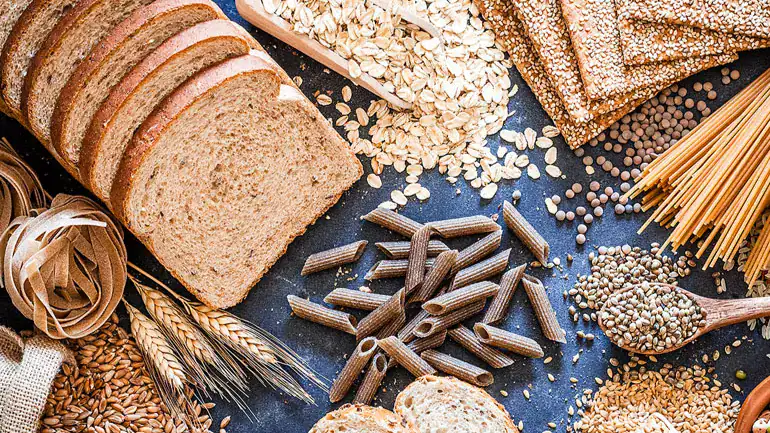
Whole grains are an essential ally in maintaining a healthy gut, as they are rich in dietary fiber and prebiotics. Incorporating grains such as quinoa, brown rice, and oats into your meals supports digestive health by promoting the growth of beneficial bacteria. When cooking, ensure grains are adequately rinsed to remove excess starch and enhance texture. Toasting them gently before boiling can unlock deeper flavors, resulting in nutty undertones that complement a variety of dishes. Cooking times vary, so pay close attention to each grain's specific needs to achieve optimal tenderness without losing nutritional integrity.
