
This Forgotten 1800s Superfood Might Change How You Eat Today
In the mid-1800s, purslane was a common sight on American dinner tables and a favorite of figures like Henry David Thoreau. Somewhere along the way, this succulent green was demoted from a kitchen staple to a “pesky garden weed.” However, in 2026, purslane is staging a massive comeback as the ultimate “heritage superfood.”
As climate change makes traditional crops harder to grow, this incredibly resilient plant is being rediscovered by top chefs and health enthusiasts alike. It is one of the few plants that can thrive in sidewalk cracks while packing more nutrition than most expensive kale. If you haven’t seen it in your local produce aisle yet, you likely will before the summer ends. This “forgotten” green is officially reclaiming its status as a nutrient powerhouse for the modern era.
Why It Was Forgotten
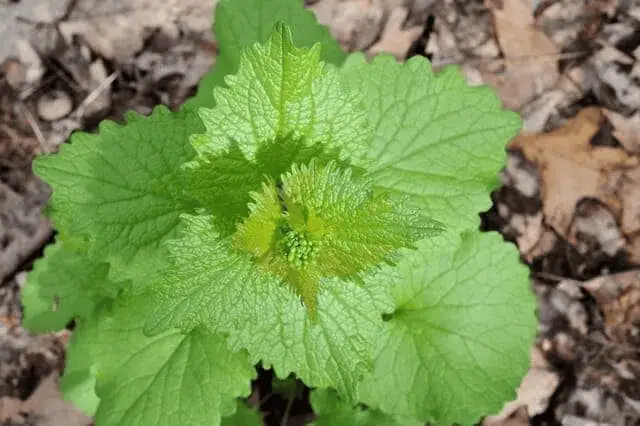
During the 20th century, the industrialization of agriculture prioritized crops that were easy to harvest in massive, uniform quantities. Purslane’s sprawling growth habit and high water content made it difficult for large-scale machines to process and ship across the country. As we moved toward “perfect-looking” supermarket produce, anything that looked like a common weed was quickly cast aside.
It became a victim of the “lawn culture” movement, where diverse edible greens were replaced by uniform, non-edible grass. Generations grew up pulling purslane out of their flower beds without ever realizing they were discarding a gourmet ingredient. It took a global shift toward sustainable, drought-resistant farming in 2026 to finally bring this plant back into the spotlight.
The “Vegetable Fish”: Nutritional Power
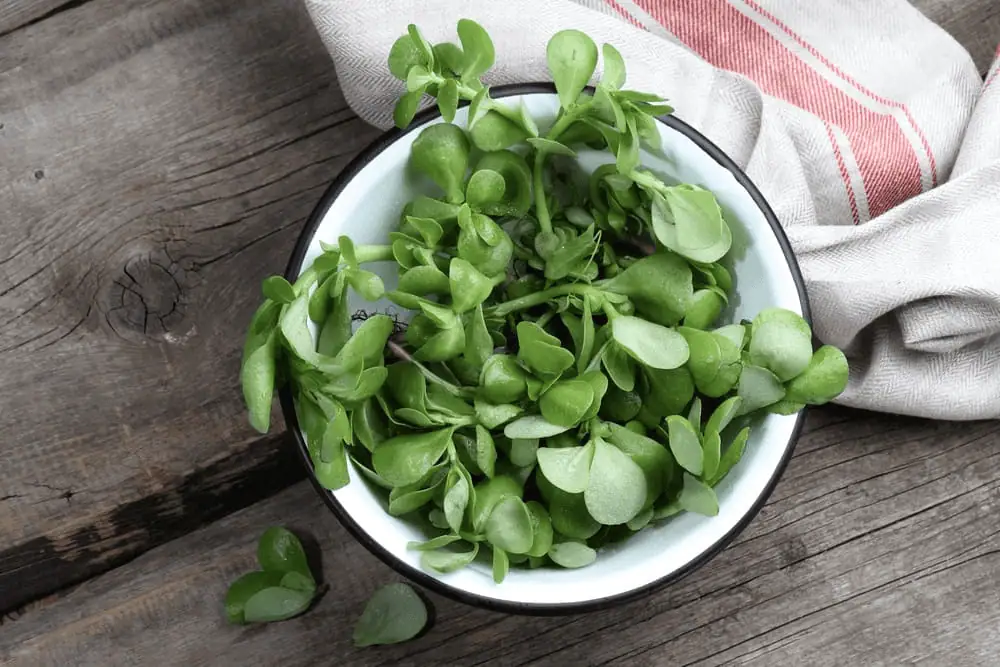
What makes purslane truly unique in 2026 is its status as the highest terrestrial source of Omega-3 fatty acids. It contains more alpha-linolenic acid than any other leafy green, including spinach, earning it the nickname “vegetable fish.” This makes it a vital resource for the growing number of plant-based eaters looking for heart-healthy fats without relying on supplements.
It is also an antioxidant champion, loaded with vitamins A, C, and E, which are essential for skin health and immune support. Because it is a succulent, it carries a high concentration of magnesium and potassium that helps with hydration and muscle recovery. For its tiny size, it offers a dense nutritional profile that puts many “modern” superfoods to shame.
How to Eat It Today

Purslane has a refreshing, slightly lemony and salty flavor with a crisp, succulent texture that works in almost any dish. In 2026, you can find it appearing in high-end “heritage salads” alongside heirloom tomatoes and feta cheese. It is also excellent when lightly sautéed with garlic, as the stems retain a satisfying crunch even after being cooked.
Many Mediterranean and Middle Eastern cultures have never stopped using it, often folding it into flatbreads or blending it into cold yogurt soups. You can even use the thicker stems as a sustainable, crunchy alternative to pickles by preserving them in a light brine. Its versatility makes it the perfect “bridge” ingredient for those looking to add more wild, nutrient-dense foods to their diet.
The Sustainability Factor

Beyond nutrition, purslane is a hero of the climate-resilient agriculture movement currently dominating the 2026 food industry. It is a “C4 plant,” meaning it is exceptionally efficient at photosynthesizing in high temperatures and low-water conditions. While traditional lettuce crops are failing due to heatwaves, purslane continues to grow vigorously without the need for expensive irrigation or fertilizers.
Farmers are now using it as a “cover crop” to protect soil health while simultaneously producing a high-value food source. It represents a shift toward a “zero-waste” mindset where we find value in the hardy plants that nature provides for free. By eating purslane, you are supporting a food system that works with the environment rather than against it.
