
Why Texture Is the New Flavor Obsession in 2025
Texture has become a central focus in contemporary cooking, reshaping how we experience food. Beyond mere taste, the interaction of crisp, chewy, and smooth tantalizes the palate, offering multi-dimensional enjoyment. In 2025, chefs and home cooks alike explore these textures to enhance their culinary creations, crafting dishes that celebrate the feel as much as the flavor.
The Rise of Crunch: Crispy Foods Lead
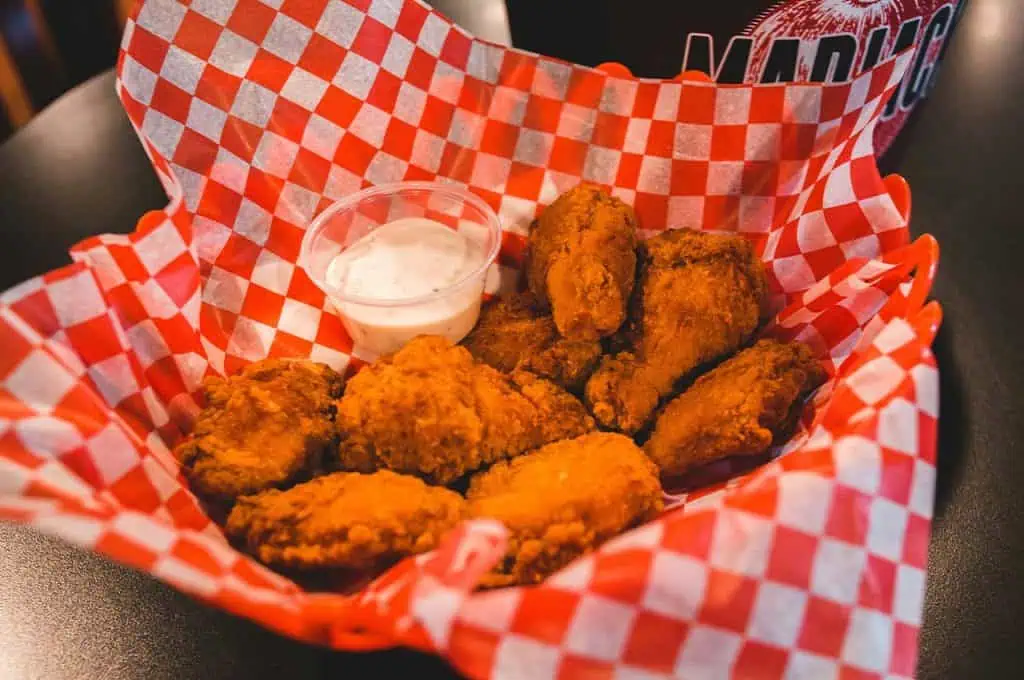
Crispy elements invigorate the dining experience, providing a satisfying contrast to softer ingredients. Techniques like double frying and tempura battering ensure a perfect crunch, while panko breadcrumbs add an airy crispness. Emphasizing crunch not only complements flavors but invites an engaging sensory experience. Experiment with variations of texture by incorporating seeds, nuts, and fried shallots into salads and main dishes for added depth.
Chewy Delights: Mochi Boba and More
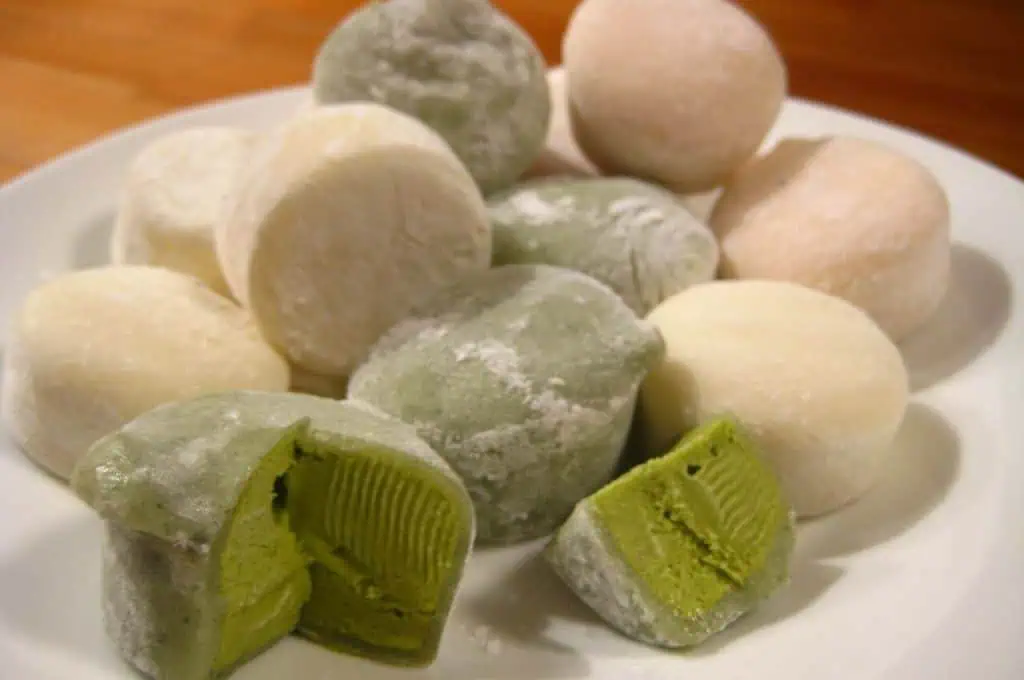
Chewiness introduces a delightful resistance and satisfaction with each bite. Mochi and boba have captured attention for their unique texture, achieved through the use of glutinous rice flour and tapioca. These ingredients transform desserts and beverages into playful, interactive treats. Perfecting chewiness involves balancing moisture and time, inviting culinary enthusiasts to explore novel recipes like chewy chocolate chip cookies or savory mochi dumplings.
Silky Smooth: Creaminess Redefines Comfort
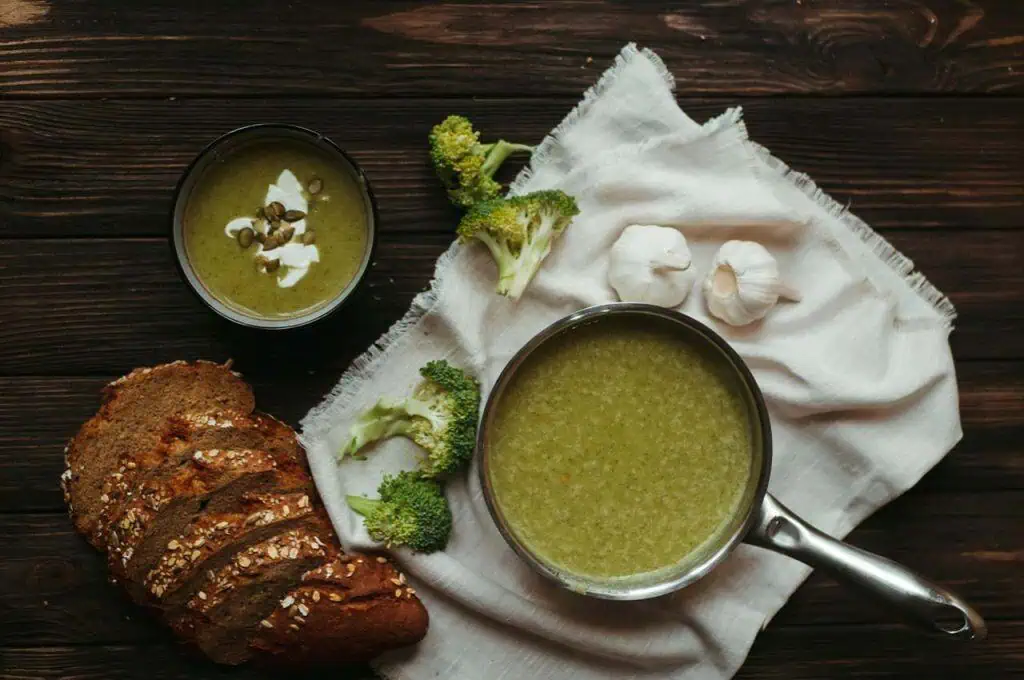
Smooth, creamy textures offer a comforting indulgence, whether in velvety soups or luscious custards. Achieving this silkiness requires precise emulsification and the careful blending of ingredients like creams and butters. Achieve a balanced smoothness by incorporating avocado into smoothies or using whipped ganache as a cake filling. Smooth textures soothe the palate, inviting diners to savor each spoonful with drawn-out enjoyment.
Layered Bites: A New Texture Experience

Layering different textures elevates a dish, creating complexity and surprise. Consider a trifle where spongy cake meets creamy custard and crunchy nuts, each layer contributing its own dynamic feel. Culinary success lies in the thoughtful assembly of these components, balancing elements so one doesn’t overshadow the rest. Think salads with crispy vegetables, tender proteins, and creamy dressings, each bite offering a symphony of textures.
Craving Crunch: The Science Explained

Texture’s renewed spotlight in 2025 shows how our sensory experiences define flavor perception. The physical feel of each bite influences how we taste, a crispy exterior contrasting with a tender interior maximizes satisfaction. The sound of crunch signals freshness and stimulates cravings, while smoother textures provide comfort. Understanding these elements helps home cooks create dishes that feel multidimensional, ensuring every meal is a complete sensory experience.
Texture-Forward: Chefs Reinvent Classics
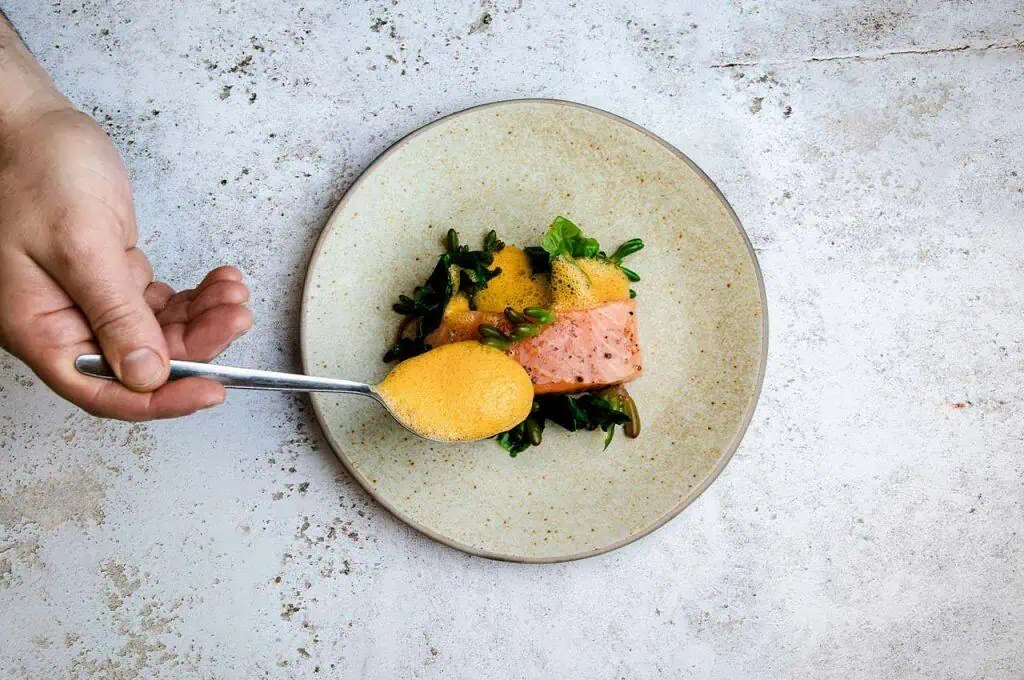
Chefs are reinventing traditional dishes by focusing on contrasting textures to elevate the dining experience. Imagine a classic tomato soup, now paired with robust, crunchy basil chips and creamy burrata. Integrating texture introduces complexity without altering beloved flavors. By paying attention to layers of texture, such as combining silky purées with crusty bread or serving tender proteins with crispy toppings, chefs transform familiar recipes into modern masterpieces.
Snacks to Fine Dining: Texture Rules
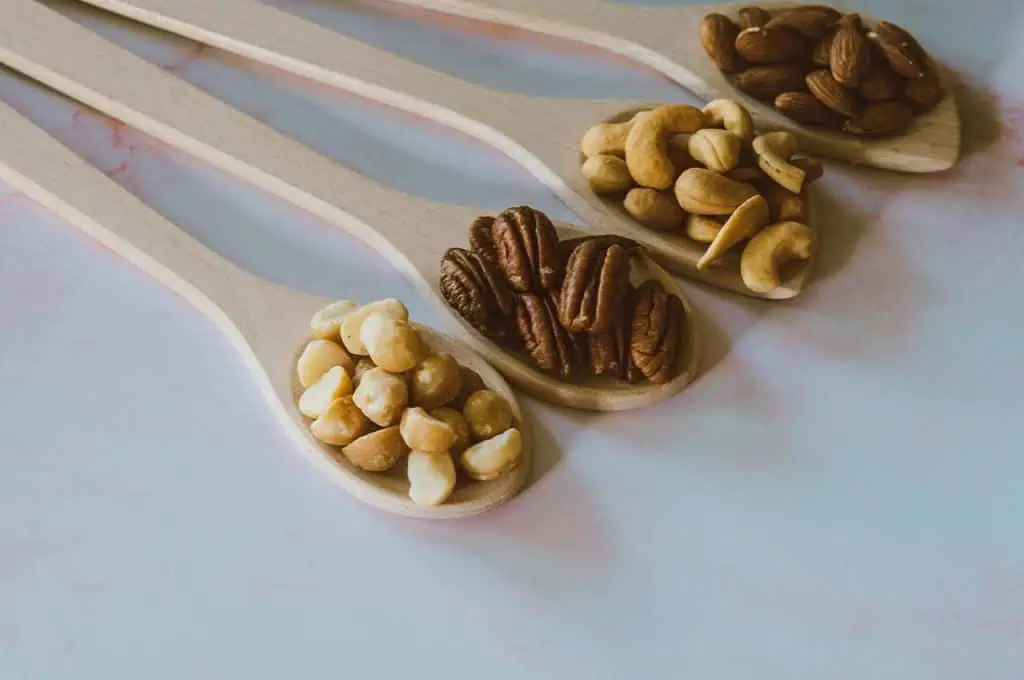
From casual bites to elegant courses, texture guides culinary innovation across menus. Snack foods, like mixed nuts and crispy chickpeas, showcase the power of crunch. Fine dining venues amplify this by incorporating unexpected elements, such as adding a pop of caviar pearls to creamy dishes. Home cooks can experiment with panko crumbs for breading or adding raw vegetable garnishes for freshness, understanding that texture transforms any dish from simple to sophisticated effortlessly.
