
The surprising story of how diners reinvented U.S. eating
From chrome-trimmed counters to 24-hour menus, diners have long been an iconic part of American life. But beyond their nostalgic charm, they quietly transformed how the country eats, shaping everything from breakfast culture to casual dining norms. Born from mobility and innovation, diners evolved into community hubs where affordability, convenience, and comfort came together. Their influence still flavors the way Americans think about meals today.
They Popularized All-Day Breakfast Culture

Diners were among the first places to serve breakfast at any hour, breaking the idea that morning meals belonged only in the morning. Customers loved the freedom to order pancakes at night or eggs after work, and the trend spread nationwide. Today, the concept of all-day breakfast is so common that many chains follow the model diners established decades ago. This flexible approach helped change how Americans think about mealtimes.
Diners Made Eating Out Affordable and Accessible

Before diners, restaurant meals were often pricey and formal. Diners changed that by offering hearty plates at low prices, opening the door for working-class Americans to eat out regularly. Their counter service, simple menus, and quick cooking made dining out more democratic. This shift paved the way for the modern casual-dining and fast-casual industries that dominate today’s restaurant landscape.
The Classic Diner Menu Shaped American Comfort Food

Diners brought together regional dishes, burgers, meatloaf, fries, and milkshakes into one accessible menu. This combination helped standardize what many now recognize as American comfort food. Their generous portions and familiar flavors created reliable favorites that spread far beyond their local communities. The result was a shared culinary identity that continues to influence restaurants, cookbooks, and home kitchens.
Diners Became Social Hubs That Redefined Eating Out

Beyond food, diners functioned as community gathering spots where anyone could sit down, chat, and linger. Their open layout and welcoming atmosphere encouraged conversation between strangers and regulars alike. This social openness helped normalize the idea of restaurants as everyday hangouts instead of occasional luxuries. That casual, communal style is now a foundation of modern cafés and eateries.
They Perfected Quick, Efficient Cooking

Diners pioneered the art of cooking fast without sacrificing flavor. Open griddles, short-order chefs, and streamlined prep systems allowed meals to appear in minutes. This efficiency influenced later innovations, including fast-food assembly lines and modern short-order kitchens. Diners showed that speed and quality could coexist, reshaping national expectations around quick service.
6. Diners Supported 24/7 Eating Long Before It Was Trendy

Long hours and, in many cases, round-the-clock service made diners essential to night-shift workers, travelers, and late-night crowds. This around-the-clock availability gave Americans more flexible eating habits that didn’t rely on traditional meal schedules. Today’s convenience stores, fast-food chains, and delivery apps all echo a model that diners successfully established generations ago.
Their Design Helped Inspire the Modern Restaurant Aesthetic
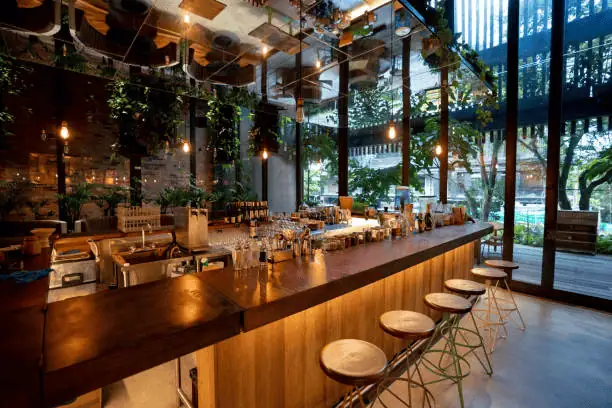
Stainless steel exteriors, neon signs, curved counters, and booth seating became hallmarks of diner design. These features created a relaxed space that balanced efficiency with comfort. Many modern restaurants borrow from this aesthetic, using open kitchens, counter seating, and retro-inspired layouts to evoke that same welcoming charm. Diners helped define what casual American dining looks like.
