
The Restaurant Industry Doesn’t Want You to Know What’s Really in Your Food
The world of professional kitchens is facing a significant transparency crisis as of April 2026. For decades, restaurants have been exempt from the strict ingredient labeling laws that govern packaged foods, allowing them to use additives that consumers might otherwise avoid.
However, a new wave of “clean label” advocacy is finally pulling back the curtain on these hidden components. From “stealth” seed oils to unreviewed chemical extracts, the industry is under pressure to reveal exactly what goes into the meals Americans eat away from home.
The “Secret” GRAS Loophole
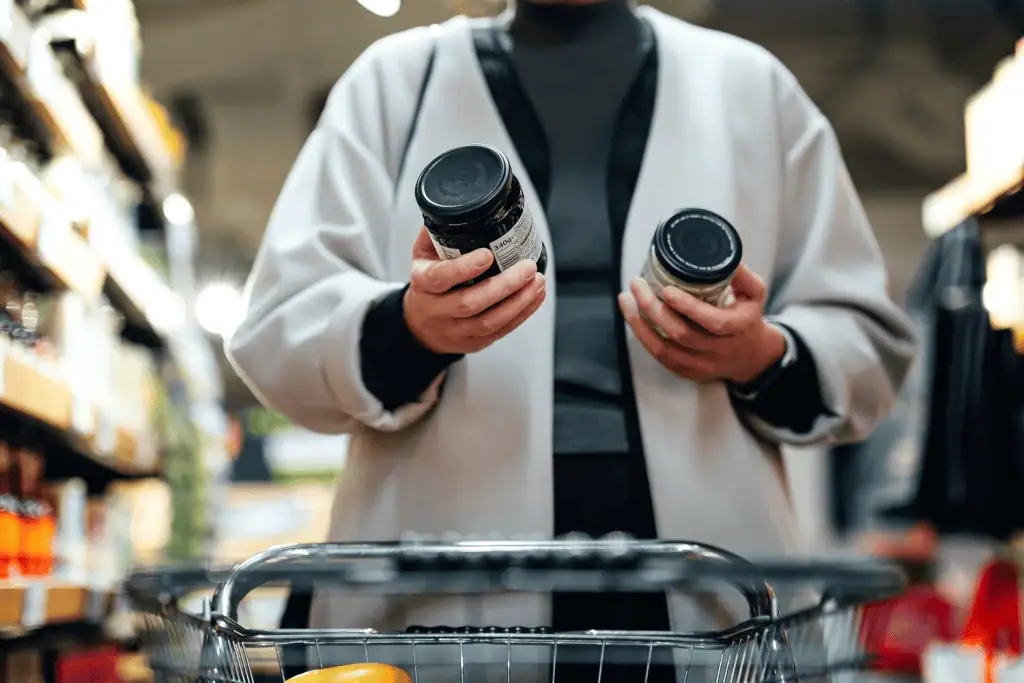
One of the biggest concerns in 2026 is the use of ingredients classified as “Generally Recognized as Safe” (GRAS). This federal loophole allows companies to add new substances to food without notifying the FDA or the public of their safety data.
A recent 2026 analysis by the Environmental Working Group identified over 100 unreviewed chemicals hiding in common food products, including mushroom and green tea extracts. While these may sound “natural,” they often enter the supply chain through secret determinations that bypass rigorous government oversight.
Stealth Seed Oils in the Kitchen
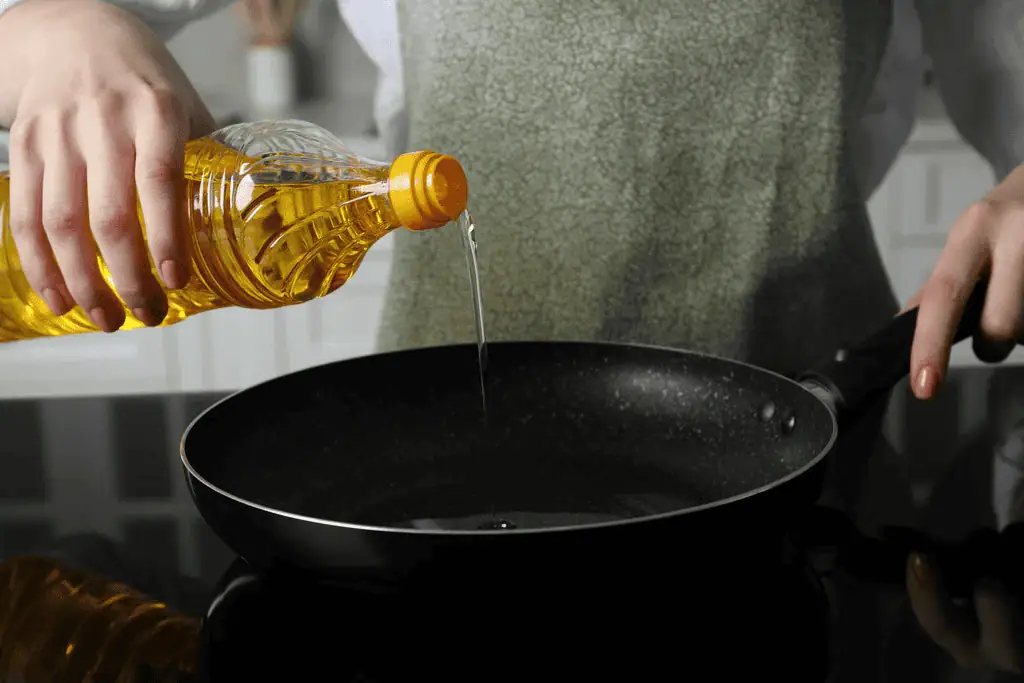
Most restaurants rely heavily on highly refined seed oils, such as soybean, canola, and sunflower oil, due to their high smoke points and low costs. These oils are ubiquitous in deep fryers and “house-made” dressings, yet they are rarely highlighted on the menu.
In 2026, health-conscious diners are increasingly pushing for a return to traditional fats like olive oil, butter, and grass-fed tallow. The lack of transparency regarding these “hidden” Omega-6-heavy oils remains a primary point of contention for those trying to manage chronic inflammation.
The Dye-Free Transition
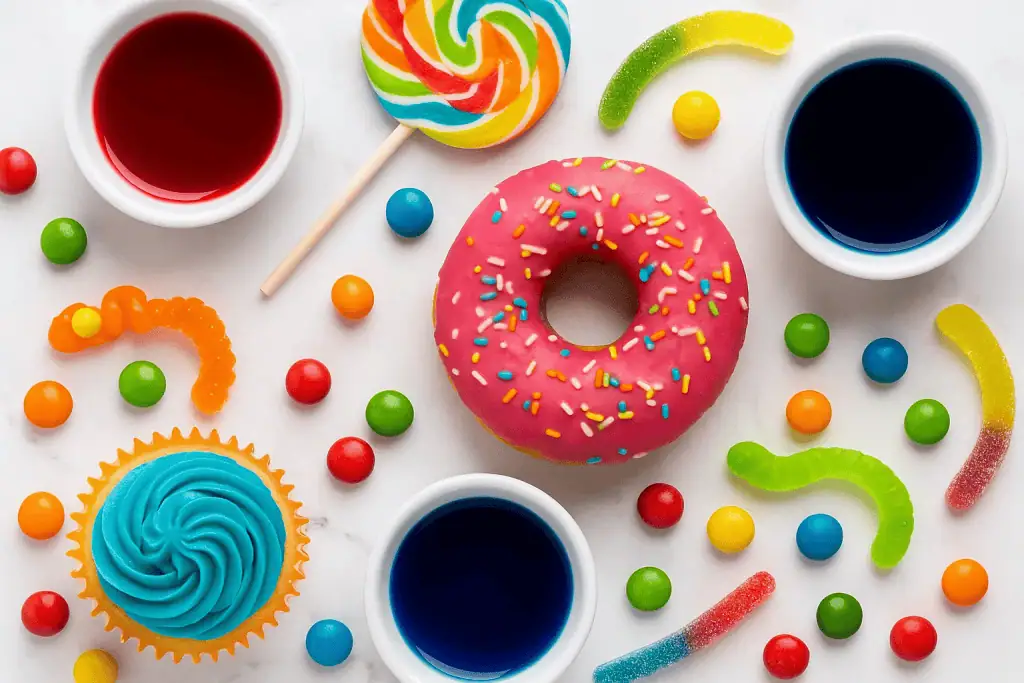
The restaurant industry has long used synthetic dyes like Red 40 and Yellow 5 to make sauces and desserts appear more vibrant. However, a major 2026 shift is seeing federal health agencies push for a phased ban on these petroleum-based additives by the end of the year.
Many national chains are currently reformulating their recipes in secret to avoid “muted” colors that might deter customers. This transition is being driven by growing evidence linking these specific dyes to childhood behavioral issues and other long-term health concerns.
The Rise of “Quiet Luxury” and Integrity
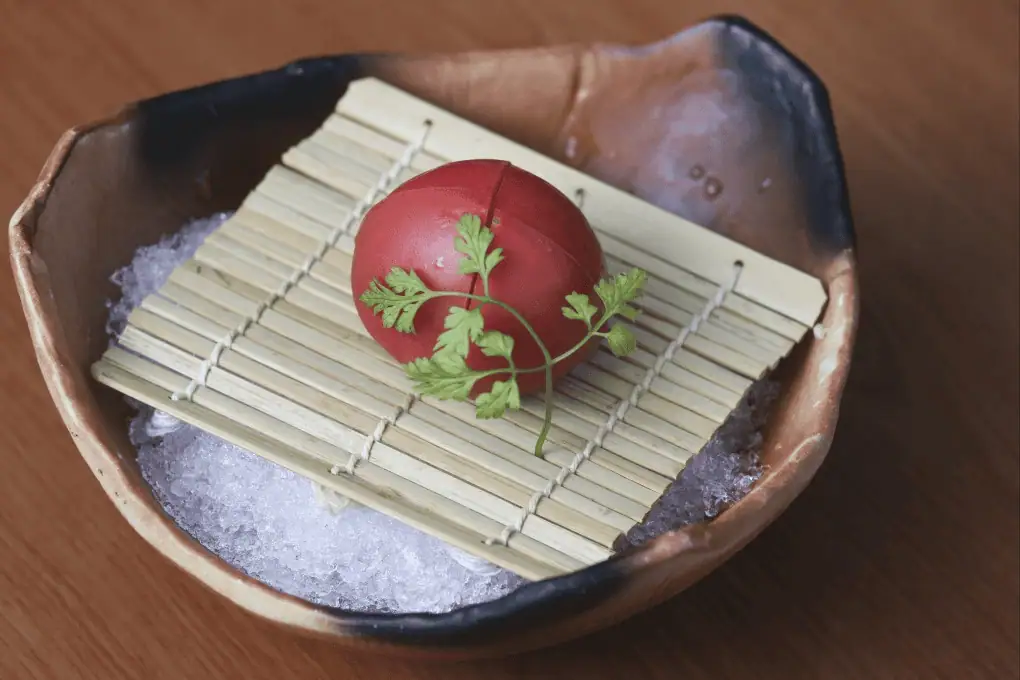
As of April 2026, a trend known as “Quiet Luxury” is taking hold in the dining world, where the focus is on premium, authentic ingredients rather than marketing hype. Diners are moving away from “sinful excess” and looking for restaurants that offer smaller, nutrient-dense portions.
This movement is forcing operators to ditch the fillers and artificial flavor enhancers that have traditionally been used to mask low-quality ingredients. For the first time, “cleaner” and less-processed menu items are becoming a competitive advantage rather than just a niche dietary request.
