
10 Food Textures America Can’t Get Enough Of
In the culinary world, texture plays a pivotal role in shaping our dining experiences. American cuisine is rich with a variety of textures that elevate dishes from ordinary to extraordinary. Whether it’s the irresistible crunch of a perfectly fried piece of chicken or the decadent creaminess of a well-executed custard, engaging multiple senses transforms a meal into something memorable. This exploration highlights the textures that have captured America’s palate, offering insights into achieving these coveted characteristics.
Crispy & Crunchy: The Ultimate Bite

Achieving the perfect crispy or crunchy texture involves mastering the art of batter or breading. The key is a balance of moisture and heat. Begin with fresh ingredients, patting them dry to ensure the coating adheres evenly. Flour, egg wash, and crumbs form a trifecta that seals in flavor and moisture. Cook items at the right temperature, often between 350-375°F, to avoid oil absorption and sogginess. The result is a golden-brown exterior with a satisfying crackle, enhancing everything from chicken tenders to tempura vegetables.
Creamy & Velvety: Smooth Sensations
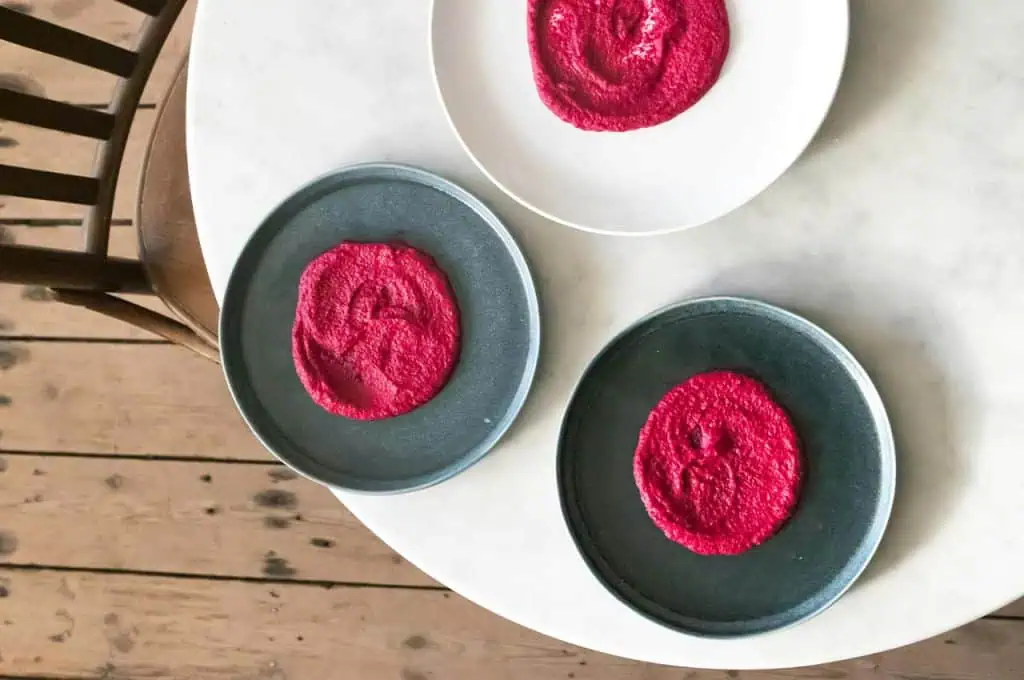
Creaminess is achieved through the mindful combination of fats and liquids. Using items like butter, cream, or pureed vegetables can impart a luxurious velvety texture. The secret is in the emulsification process, where ingredients are blended thoroughly to create a homogeneous consistency. Constant stirring and gentle heat prevent curdling or separation. Finish with seasonings that enhance but don’t overpower. Whether crafting a silky mashed potato or a sumptuous Alfredo sauce, the goal is a texture that glides effortlessly across the palate.
Chewy: A Satisfying Chew
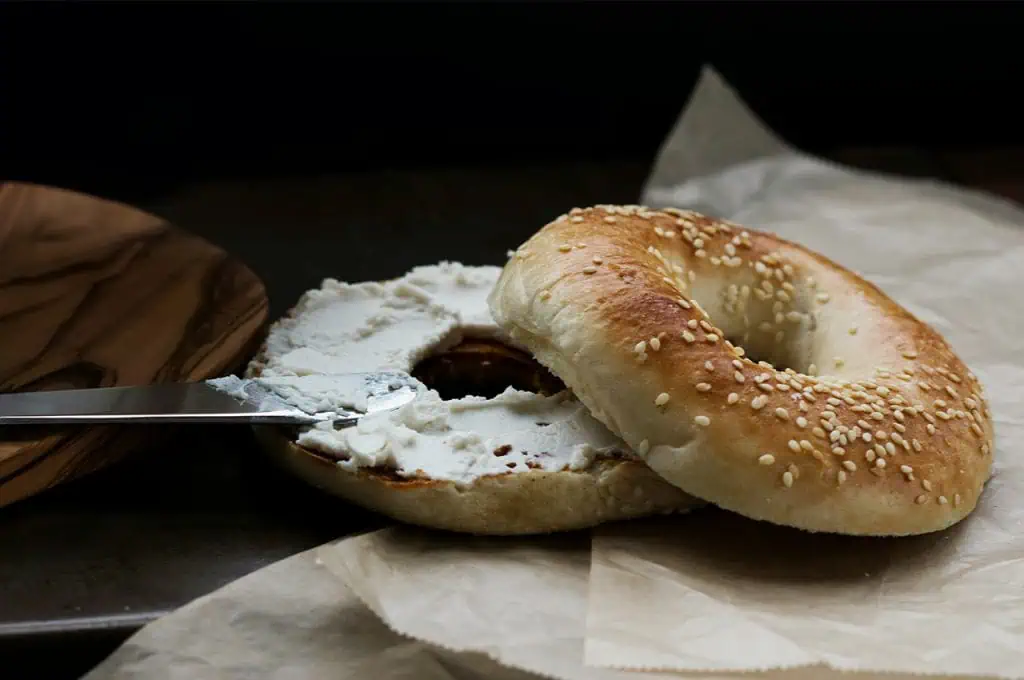
The appeal of a chewy texture lies in its resilience and the pleasurable resistance experienced with each bite. Techniques for achieving this include using ingredients like bread flour or gluten-rich grains, which offer elasticity. Proper kneading and resting times allow for gluten development, crucial for items such as artisan breads or bagels. Cooking methods can range from boiling to baking, dictating the final texture. Successful execution ensures a chew that is neither tough nor relentless, providing satisfaction with each morsel.
Flaky: Layers of Delight

Flakiness is the result of layers that delicately separate, often achieved with doughs high in fat content. The lamination process, alternating dough and butter layers, is fundamental. Key is maintaining a cool working environment; warmth causes the fat to melt prematurely. Precise rolling and folding techniques support even layer distribution, essential for pastries like croissants and puff pastry. The bake must start at a high temperature to encourage steam development, creating airy layers that crumble gently but hold structure.
Gooey: Irresistible and Sticky
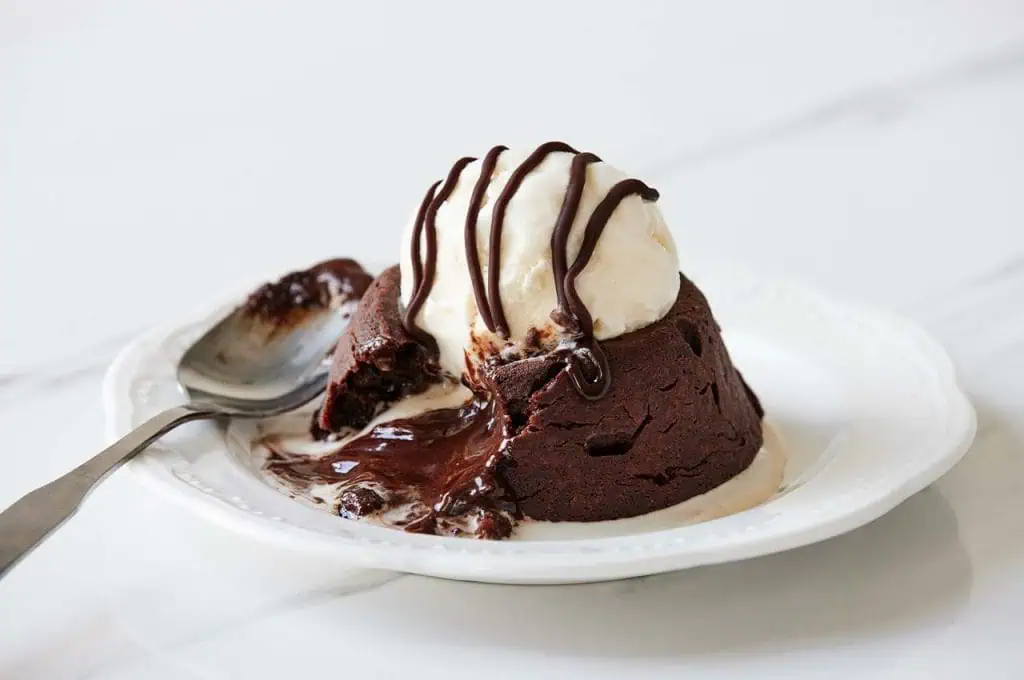
Gooey textures often conjure the mouthwatering allure of melted cheese on a pizza or the flowing richness of a chocolate lava cake. The key to achieving this enticing texture lies in temperature control and ingredient balance. For cheese, select high-moisture varieties like mozzarella, and cook just until they melt. For desserts, use ingredients rich in fat and sugar to create indulgent centers. Melt components gently, allowing them to blend and ooze smoothly, ensuring they retain their gooey, satisfying pull without turning greasy or hardening.
Airy & Light: Feathery Delights

Creating airy, light textures requires attention to ingredient integration and leavening. In recipes like soufflés or meringues, whip egg whites to stiff peaks, achieving volume through gentle folding without deflating. Incorporate air by sifting dry ingredients and using baking powder or soda to provide lift. Focus on gentle cooking methods, like baking or steaming, to solidify the airy structure without collapsing it, resulting in a delightful, cloud-like experience that melts in your mouth.
Sticky: The Tactile Treat
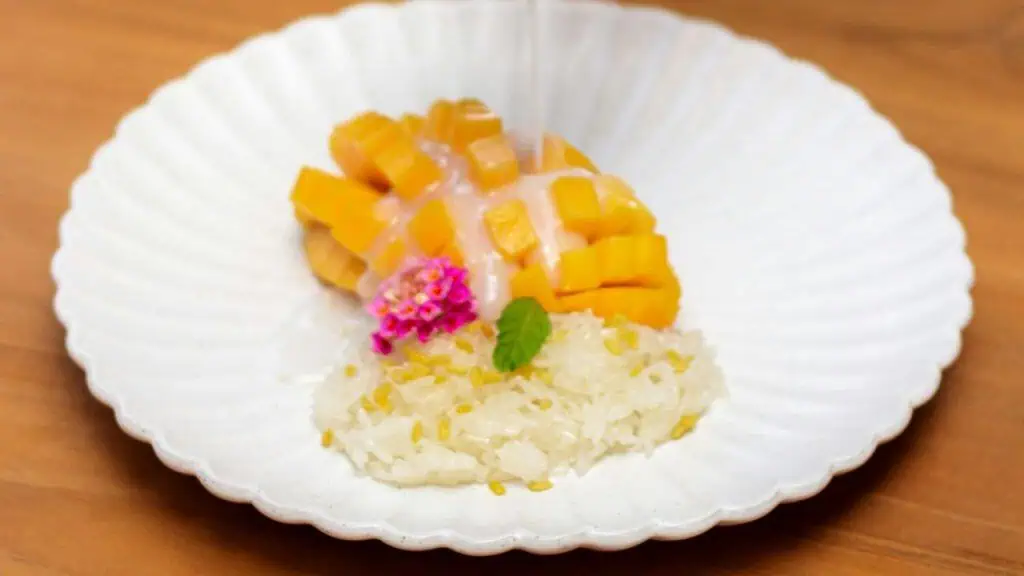
Sticky textures, whether in candies or baked goods, demand precision in sugar crystallization and moisture content. In caramel or toffees, melt sugar slowly and uniformly, avoiding rapid heat that can crystalize too quickly. For baked items like sticky buns, incorporate liquids like syrups that thicken but don’t dry out. As you cook, continuous stirring helps maintain the desired consistency, ensuring that your dish is sticky yet soft, clinging without an overly chewy finish.
Crumbly: A Delightful Disintegration

Crumbly textures provide a satisfying, gentle disintegration that’s beloved in cookies and crusts. Achieve this by balancing fat and flour—higher butter content results in a softer crumble. Use cold butter, cut into flour, to create pea-sized pieces. This method, known as “cutting in,” forms pockets of fat that give pastries their signature flakiness. Avoid overmixing, which can develop gluten and toughen the dough, ensuring a delightful crumble with every bite.
Juicy: Bursting with Flavor

Juiciness is a desirable quality in many foods, where moisture carries intense flavor. For fruits, ensure ripeness for maximum juiciness, concentrating sugars naturally. In meats, opt for techniques like brining or marinating to infuse moisture and flavor. Cook with care at precise temperatures to avoid losing juices. Rest meats post-cooking, which allows juices to redistribute. Implement these techniques to ensure each bite is satisfyingly juicy, enhancing the eating experience with vibrant flavors.
Crunch-on-Cream: The Dual Sensation
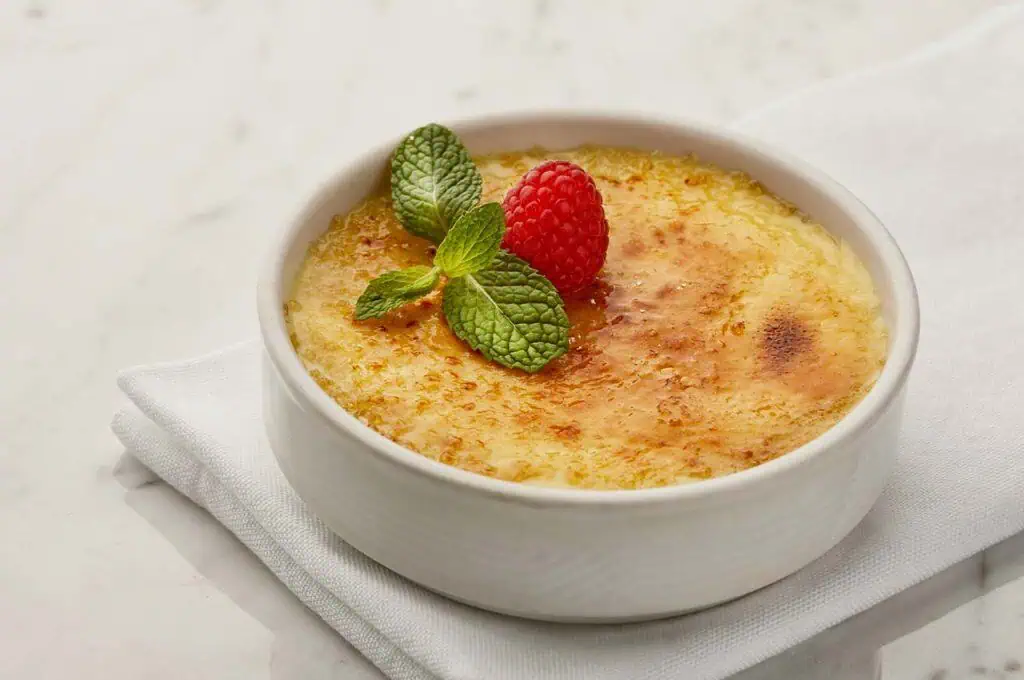
This texture combines the crispness of a shell or topping with a creamy interior, offering a contrasting bite that is both satisfying and decadent. Think of a well-executed crème brûlée: the caramelized sugar provides an audible crack under the spoon, giving way to a smooth custard beneath. Achieving this requires mastering two techniques: caramelizing sugar evenly for a consistent crunch, and slow cooking the custard at a controlled temperature to prevent curdling, ensuring a silky texture. The interplay between these textures not only enhances flavor but also elevates the overall eating experience, making each bite dynamic and memorable.
