
10 Small Kitchen Habits That Separate Good Cooks From Great Ones
While a good cook can follow a recipe, a great cook understands the “why” behind every movement in the kitchen. In 2026, as the “Make America Healthy Again” movement brings more people back to home cooking, the focus has shifted toward efficiency and sensory awareness.
These ten habits aren’t about expensive gadgets; they are about mastering the environment. By refining these small, repetitive actions, you can eliminate stress and ensure that every dish you serve reaches its full potential.
The 100% Rule: Total Mise en Place
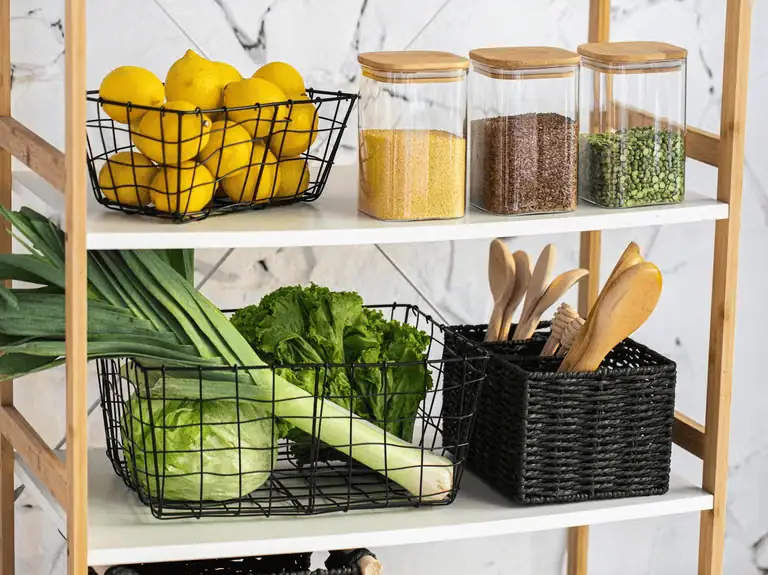
Great cooks never start the flame until their station is 100% set. This means all vegetables are chopped, proteins are patted dry, and spices are measured into small bowls.
In 2026, professionals call this “clearing the mind” before the heat begins. When your ingredients are arranged in a logical arc, you eliminate the frantic search for a lost clove of garlic. This ritual ensures that every component hits the pan at the precise moment required for optimal texture.
Listening to the Pan’s “Language”
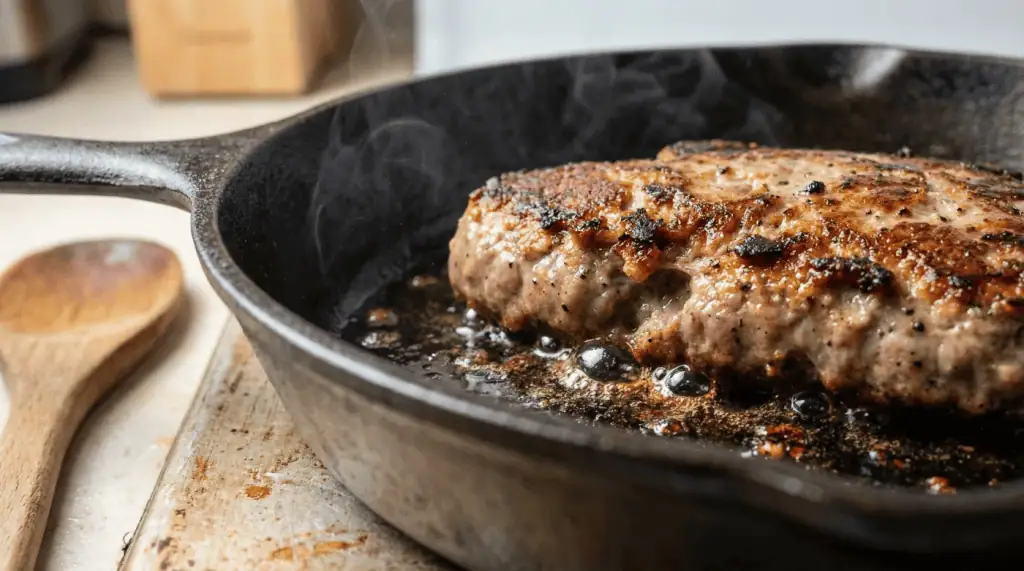
A good cook watches a timer; a great cook listens to the sizzle. You can actually hear the moment moisture leaves a steak as the sound shifts from a heavy hiss to a sharp, rhythmic crackle.
This sensory cue signals that the Maillard reaction is peaking at roughly 310°F. In 2026, there is a major trend toward “sensory cooking,” where chefs trust their ears and nose over digital screens. Learning these acoustic signals allows you to adjust the heat before your ingredients cross the line into carbon.
The 24-Hour Dry-Brine Habit
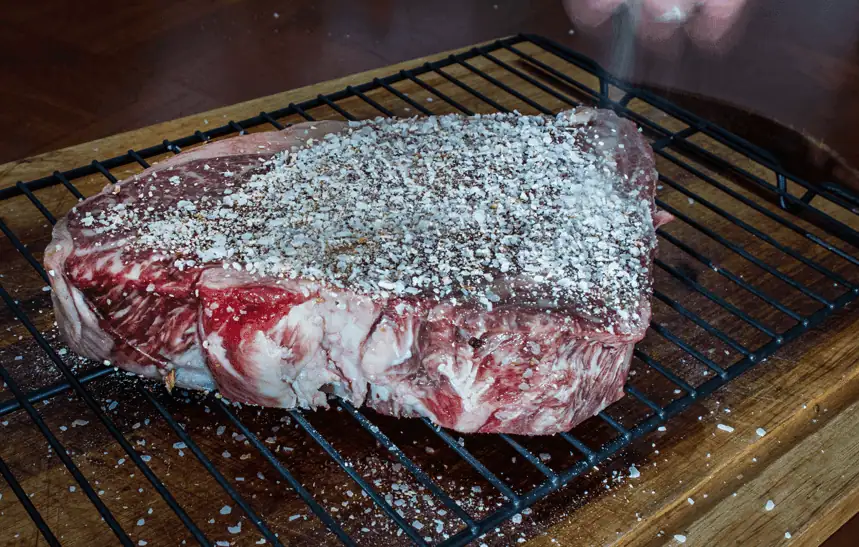
One of the simplest habits that elevates a cook to “great” status is salt discipline. Professional-grade results depend on applying roughly 1.5% of a meat’s weight in kosher salt 24 hours before cooking.
This dry-brining process allows the salt to penetrate the core, seasoning the meat deeply and helping the surface crisp up beautifully. While a good cook salts right before searing, a great cook understands that time is an ingredient. This small act of foresight ensures that every bite is juicy and perfectly seasoned.
Cleaning as You Go (The “Towel” Rule)
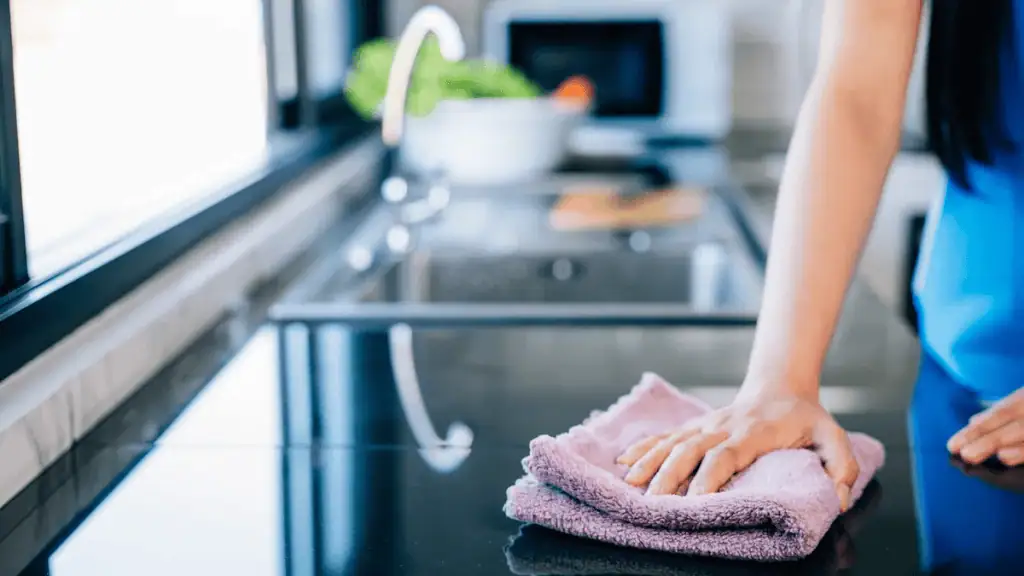
In a professional 2026 kitchen, a clean line is a calm mind. Great home cooks always have a damp, absorbent towel tucked into their apron to wipe spills instantly. They utilize a “scrap bowl” for onion skins and eggshells, preventing multiple trips to the trash can that break the rhythm of the meal.
By the time the food is plated, a great cook’s workspace is nearly spotless. This habit reduces post-meal fatigue and keeps the focus entirely on the artistry of the final dish.
Constant Tasting and “Adjusting for Acid”
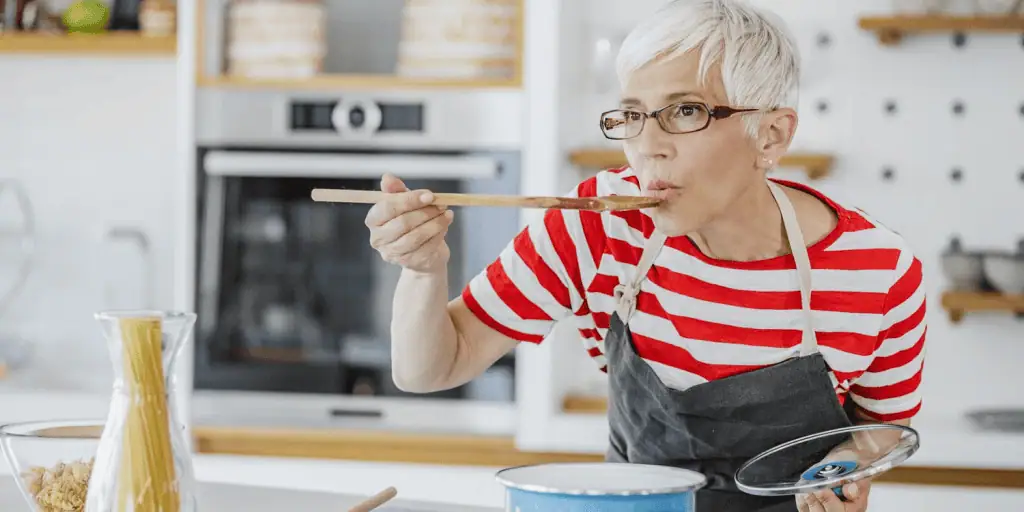
A good cook trusts the recipe’s salt measurements; a great cook tastes at every stage of the process. They understand that flavors evolve as liquids reduce and fats render. More importantly, great cooks know that when a dish tastes “flat,” it usually needs acid, not more salt.
Keeping a lemon or a bottle of high-quality vinegar nearby is a 2026 kitchen staple. A tiny splash of acidity can brighten a heavy stew or balance a rich sauce, providing the “high notes” that separate home cooking from restaurant quality.
Mastering “Carry-Over” Cooking
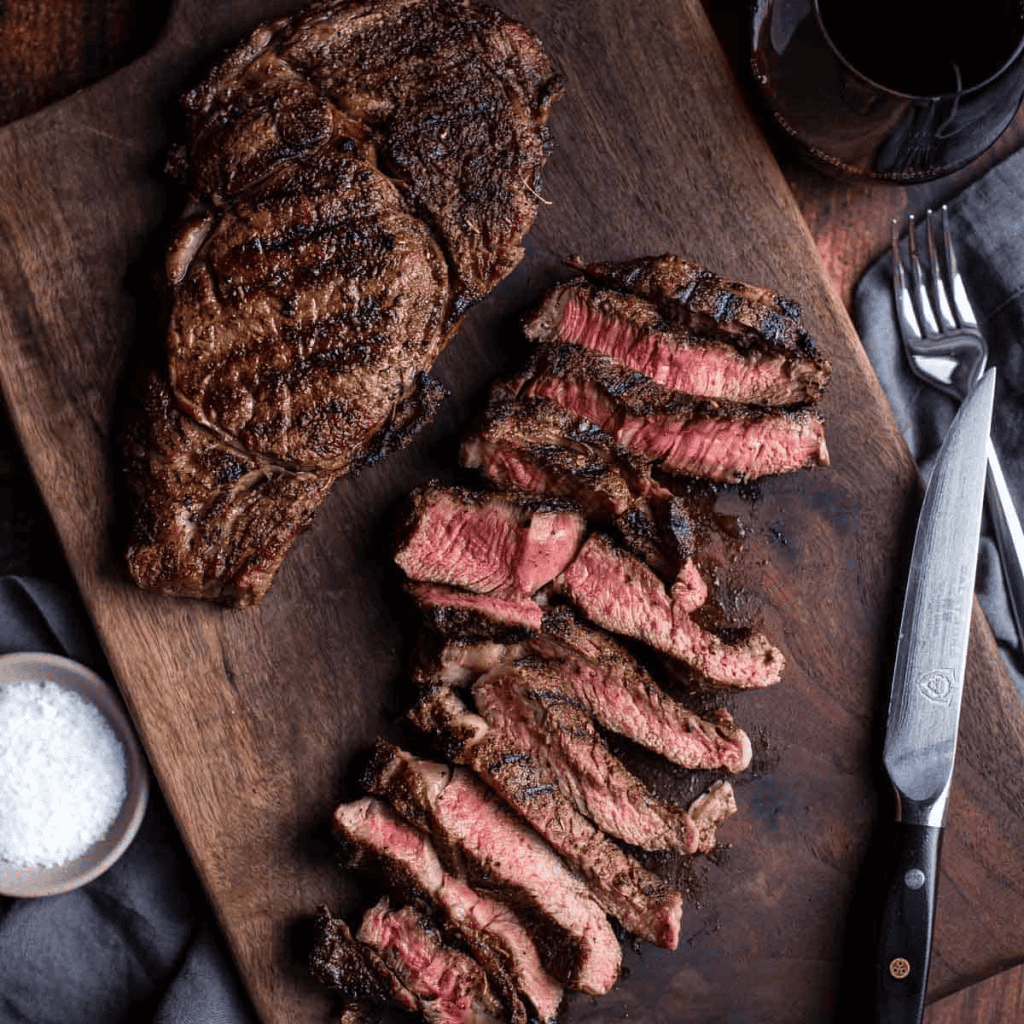
One of the most common mistakes good cooks make is leaving protein on the heat until it reaches the final target temperature. Great cooks pull meat roughly 5 to 10 degrees early, allowing “carry-over” cooking to finish the job during the resting phase.
In 2026, using a leave-in digital probe is common, but knowing when to cut the heat is an instinctual habit. Resting meat for at least ten minutes allows juices to redistribute, ensuring a tender result rather than a dry one.
The “Hot Pan, Cold Oil” Sequence
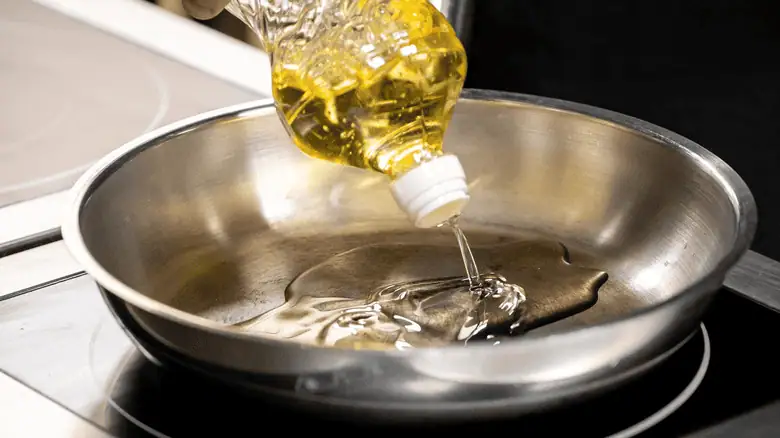
To prevent sticking and ensure a perfect sear, great cooks follow the “Hot Pan, Cold Oil” rule religiously. They heat the stainless steel or cast iron until a drop of water dances across the surface (the Leidenfrost effect). Only then do they add the oil and, immediately after, the food.
This creates a natural non-stick barrier and prevents the oil from breaking down or smoking before the food arrives. It is a fundamental 2026 technique that ensures beautiful browning without the mess of scorched fats.
Sharpening as a Ritual, Not a Chore
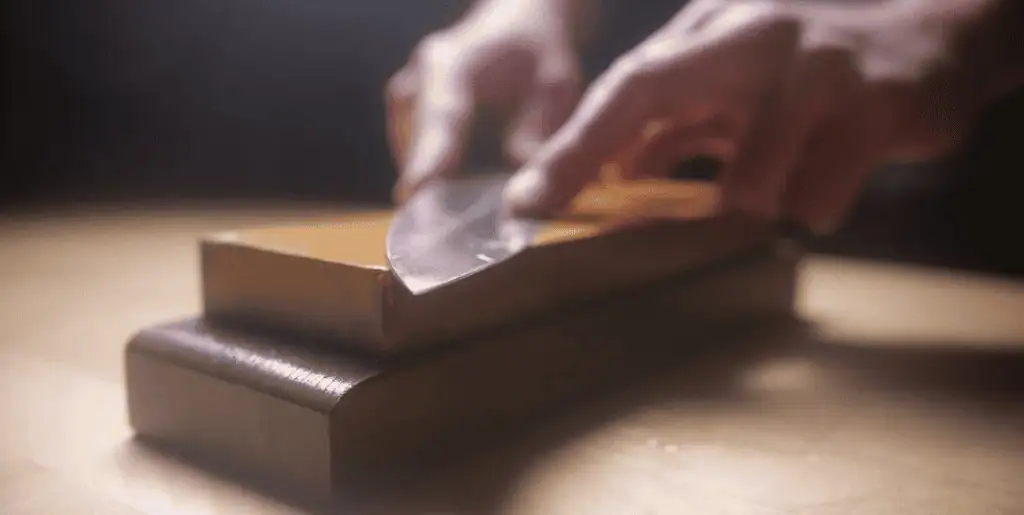
A great cook never works with a dull blade, as it is both dangerous and inefficient. They maintain their knives using a honing rod before every session and a whetstone once a month. In 2026, “knife hygiene” is seen as a sign of respect for the ingredients.
A sharp knife allows for precise, clean cuts that cook evenly and look professional on the plate. This habit saves time during prep and reduces the physical effort required to slice through tough root vegetables or delicate herbs.
Utilizing “Pasta Water” Gold
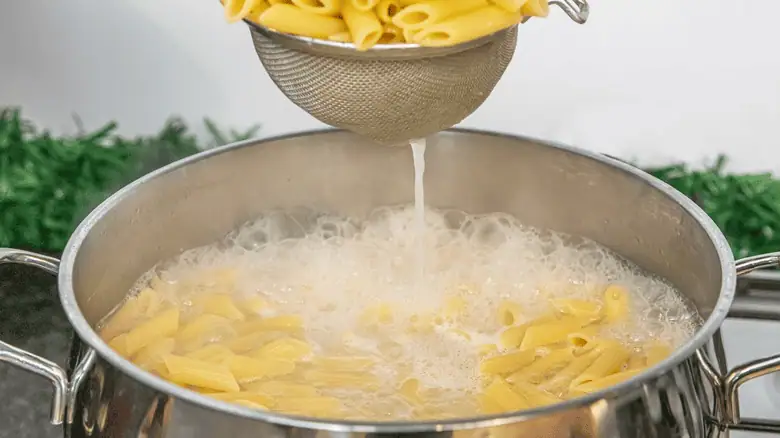
Good cooks drain their pasta into the sink; great cooks save a cup of the starchy, salty “liquid gold” before straining. This water is the secret to emulsifying sauces, allowing fats and liquids to bind into a glossy, restaurant-style coating.
In 2026, the “one-pot” or “starchy-bind” method is the standard for Italian-inspired home cooking. Adding just a splash of this water to your pan-sauce creates a silkiness that plain water or extra oil simply cannot replicate, turning a simple meal into an elegant one.
Thermal Instinct and “Venting”
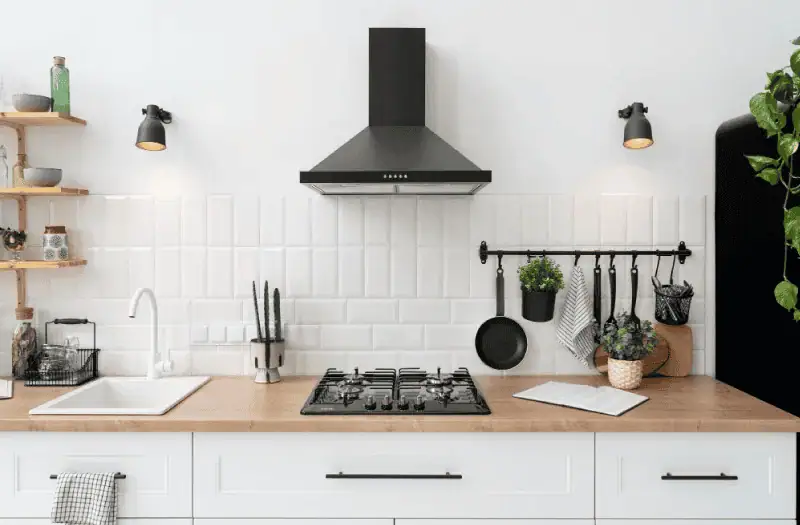
The final habit of a great cook is managing steam. They know that covering a pan traps moisture, which is great for braising but terrible for browning. Great cooks are masters of “venting,” cracking a lid or using a splatter screen to let steam escape while retaining heat.
In 2026, this “thermal instinct” helps home cooks achieve crispy skins on poultry and perfectly caramelized roasted vegetables. Understanding how to control the atmosphere inside the pot is the ultimate secret to achieving the exact texture you desire.
