
The Real Reason Fast Food Chains Are Getting Rid of Their Seating
By early 2026, the architectural landscape of American fast food has shifted from “community hubs” to streamlined “pickup ports.” Major players like McDonald’s, Taco Bell, and Starbucks are increasingly opting for smaller footprints that eliminate indoor seating. This isn’t just a lingering effect of the pandemic; it is a calculated move to maximize profitability in an era of skyrocketing real estate costs.
In the 2026 market, the “dine-in” experience accounts for less than 10% of total transactions for many national chains. Maintaining large, air-conditioned dining rooms that require constant cleaning and security has become an “operational drag” that many brands are no longer willing to carry. Instead, they are reinvesting those saved square feet into high-speed drive-thru lanes and specialized AI-integrated kitchens. The goal is no longer to get you to stay it is to get you in, out, and back on the road in under three minutes.
The “Digital Nudge” and Kiosk Efficiency

In 2026, those sleek ordering kiosks aren’t just for convenience; they are finely tuned psychological tools. Research shows that customers spend an average of 20% more when ordering from a screen compared to a human cashier. This is due to “digital nudging,” where AI algorithms suggest high-margin add-ons based on the time of day and your previous order history.
Without the social pressure of a line behind you, you are more likely to browse and succumb to tempting imagery of desserts and sides. These systems are designed to reduce “decision fatigue” while subtly maximizing the value of your final basket. By removing seating, chains force more customers into these digital channels, whether through the app or the outdoor kiosk. This transition allows stores to handle a higher volume of orders with a smaller, more focused staff, directly boosting the bottom line.
Rising Real Estate and Labor Costs

As we move through 2026, the cost of commercial real estate in high-traffic urban areas has reached an all-time high. Building a traditional 2,500-square-foot restaurant is no longer financially viable for many franchisees when 90% of customers are using the drive-thru. By cutting out the dining room, chains can fit into “micro-parcels” of land that were previously too small for a standard restaurant.
This “downsizing” also directly impacts labor expenses, which have surged in 2026 due to updated minimum wage laws and a competitive hiring market. A seatless restaurant requires no one to mop floors, empty dining room trash, or manage the “unpredictability” of indoor guests. This allows the remaining staff to focus purely on food production, significantly increasing the “orders-per-hour” metric. For operators, the move is a defensive strategy against the rising tide of operational overhead.
The Multi-Lane Drive-Thru Future
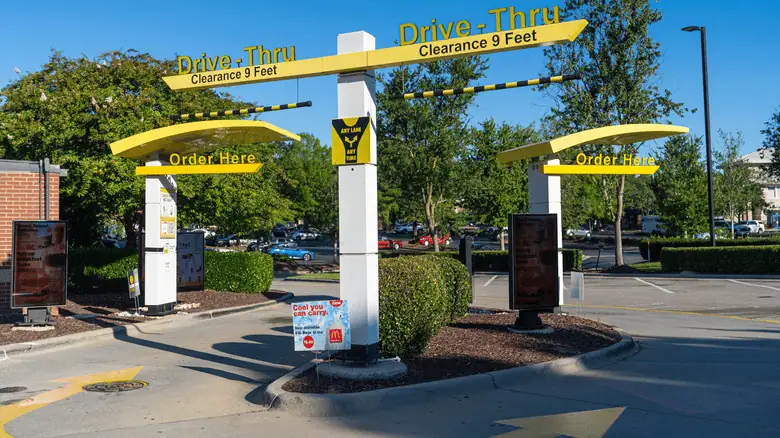
The true replacement for the dining room in 2026 is the “Multi-Lane Mega Drive-Thru,” exemplified by prototypes like Taco Bell’s “Defy.” These structures feature up to four lanes: one for traditional orders, two for mobile app pickups, and a dedicated lane for third-party delivery drivers like DoorDash and UberEats. Food is often lowered from a second-story kitchen via a proprietary lift system, bypassing the need for a front counter entirely.
This design acknowledges that the car has become the new “dining room” for the modern consumer. In 2026, convenience is the ultimate currency, and the ability to skip a 20-minute line by using a pre-ordered mobile lane is a massive draw. By prioritizing the vehicle over the pedestrian, chains are aligning themselves with the “on-the-go” lifestyle that defines the current decade. The physical building is now essentially a high-tech vending machine designed for maximum throughput.
The Strategic Shift to Pick-Up Culture
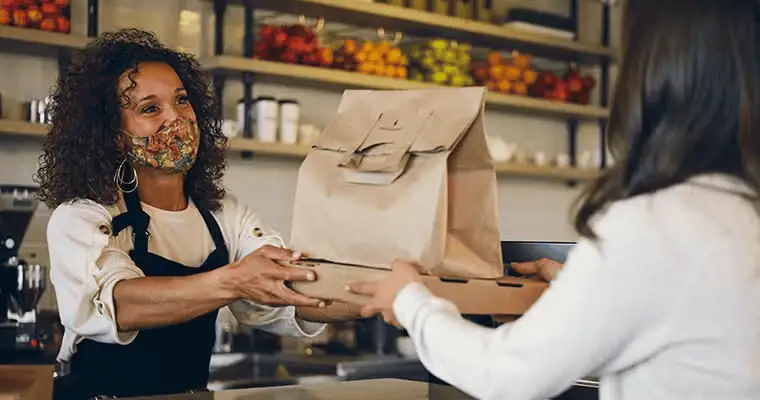
Ultimately, the removal of seating in 2026 represents a fundamental shift in how fast food views its relationship with the consumer. The industry is moving away from being a “place” you go and toward being a “service” you utilize. While some nostalgics may miss the plastic booths and soda fountains, the data shows that most diners prefer the speed and safety of their own cars or homes.
This evolution toward “ghost-adjacent” kitchens allows brands to stay agile and profitable in a volatile economy. By focusing on pick-up culture, chains can maintain lower price points despite inflation, as they aren’t subsidizing the cost of a large, underused physical space. As we look toward the end of the decade, the seatless restaurant will likely become the global standard, turning the “quick service” dream into a fully automated, frictionless reality. The dining room isn’t just closing—it’s being optimized out of existence.
