
From Low to High: 20 Fruits Sorted by Glycemic Load
Understanding glycemic load (GL) can significantly impact your dietary choices, especially for those monitoring blood sugar levels. This guide explores 20 fruits, ranked from low to high GL, emphasizing delicious options that won’t spike your sugar levels. Whether you’re managing diabetes or seeking balanced nutrition, selecting fruits with a lower glycemic load aids in maintaining steady energy throughout the day. Explore these fruits to incorporate variety and nutrition into your meals mindfully.
1. Cherries: A Sweet Low

Cherries are not only deeply flavorful but also rank low on the glycemic load scale, making them an excellent choice for those seeking a sweet yet balanced fruit. With their vibrant color and firm texture, they can be enjoyed fresh, as a topping for yogurt, or in salads. Ensure you select cherries that are plump and free of blemishes, storing them in the refrigerator to maintain freshness. By enhancing desserts and savory dishes alike, cherries offer a naturally sweet flavor without overwhelming your glycemic levels.
2. Grapefruits: Citrus with Balance

Grapefruits provide a refreshing, tart bite while maintaining a modest glycemic load. Their juicy segments are rich in vitamin C and can be enjoyed alone or added to salads and salsas for a zesty twist. Choose grapefruits that have a slightly springy texture when gently squeezed, indicating ripeness and juice content. Slice them carefully to avoid bitterness from the pith, and pair them with a drizzle of honey for a delightful balance. Their tangy profile complements a healthy diet without elevating blood sugar.
3. Peaches: Summer’s Mild Delight

Peaches, with their soft, fragrant flesh, offer a mildly sweet experience that aligns well with a low glycemic load approach. Opt for peaches that yield slightly to pressure and emit a sweet aroma, ensuring optimal ripeness. Whether grilled to enhance their natural sugars or sliced fresh over cereals, they provide versatility and sweetness without causing significant glucose spikes. Incorporating peaches into your diet adds a touch of summer’s essence while supporting a balanced dietary intake.
4. Plums: Juicy with a Twist

Plums are a juicy option with a unique tartness that satisfies without excessive sugar. Their glycemic load is moderate, allowing for indulgence in moderation. Look for plums that are slightly soft to the touch and rich in color, as these are indicators of good taste and texture. They can be consumed fresh or used in compotes and tarts to add depth and moisture. When kept at room temperature, plums ripen beautifully, offering a satisfying bite that pairs well with both sweet and savory dishes.
5. Apples: Crisp and Controlled

Apples boast a low glycemic load, making them an excellent choice for maintaining steady energy levels. When selecting apples, focus on firm varieties like Granny Smith or Fuji for their tartness and structure in both raw and cooked preparations. Slice them thinly for a refreshing salad or sauté with a touch of cinnamon to enhance their natural sweetness. Pay attention to their skin, as it contains dietary fiber that aids digestion while balancing the fruit’s sugar content. Versatile and enduring, apples fit seamlessly into a diverse array of recipes.
6. Pears: Subtle Sweetness

Pears offer a gentle, sweet flavor with a low glycemic profile, perfect for those conscious of sugar intake. Choose pears that are slightly firm yet yielding to gentle pressure near the stem. Their texture and sweetness make them suitable for poaching with spices like star anise and cloves. When preparing, leave the skin intact for added nutritional benefits. Whether served cooked or raw, pears bring a nuanced sweetness that complements savory dishes and desserts alike, adding elegance and depth without overwhelming the palate.
7. Oranges: Classic and Citrusy

Oranges provide a classic citrus taste with a moderate glycemic load, ideal for brightening dishes. Choose oranges with a firm, smooth skin, indicating juiciness. Their zesty profile is perfect for squeezing fresh juice over roasted vegetables or incorporating segments into salads. Save the zest, packed with essential oils, to infuse dishes with aromatic intensity. Oranges’ balanced acidity and sweetness make them a versatile ingredient, enhancing both sweet and savory recipes with their vibrant flair.
8. Strawberries: Bright and Balanced

Strawberries, with their low glycemic load, offer a delicate balance of sweetness and acidity. Select berries with vibrant red color and firm texture for optimal freshness. Their natural sugars are intensified when macerated with a bit of lemon juice and a sprinkle of sugar. Strawberries’ bright flavor complements dairy products beautifully, from yogurt to cream-based desserts. Use them to add a pop of color and flavor to breakfast bowls or as a fresh garnish, bringing a bright and lively element to any dish.
9. Kiwi: Exotic Yet Mild

Kiwis, with their moderately low glycemic load, provide a gateway to unique yet mild flavors. Opt for firm yet slightly yielding fruits for the best texture. Known for their vibrant green flesh and tiny seeds, they offer a unique textural contrast in both sweet and savory contexts. Consider using them in fruit salads to add a tropical flair, or in salsas to accompany grilled fish, balancing heat with their cooling sweetness. Kiwi can be a refreshing palate cleanser or a vibrant complement to desserts like pavlova.
10. Pomegranate: Ancient Treat
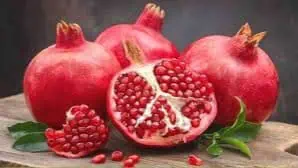
To harness the vibrant tang of pomegranate, start by lightly rolling the fruit on a counter to loosen the seeds. Slice it open and gently tap the outer skin with a wooden spoon to release the arils into a bowl. Pomegranate seeds offer a burst of juiciness and a tinge of tartness, elevating salads, yogurt, or even roasted meats. Combine them with a touch of olive oil and lemon juice for a dressing that adds depth and brightness. This ancient fruit not only enhances flavors but also brings a low glycemic load to your dishes.
11. Blueberries: Tiny Powerhouses

Blueberries pack a punch of flavor and nutrition. Use them fresh or frozen in smoothies, where a quick pulse will blend them into a luscious, antioxidant-rich mixture. Try tossing them with a bit of honey and lemon zest for a vibrant dessert topping, or fold them into pancake batter for a burst of sweetness in every bite. These berries maintain a low glycemic load, making them an excellent choice for maintaining balanced energy throughout the day while adding a pop of color to your meals.
12. Mango: Tropical Temptation

To enjoy mango at its peak, select one that yields slightly to gentle pressure. Peel it by slicing along the sides of the pit, then cube the flesh for easy use in salsas or salads. The rich sweetness pairs beautifully with spices like chili powder or lime juice, enhancing its natural tropical allure. Add mango to smoothies or parfaits for a burst of sunshine in a bowl. Despite its sweetness, this fruit has a moderate glycemic load, allowing you to indulge in its juicy delight without a sugar spike.
13. Grapes: Nature’s Candies

Grapes offer a crisp bite and juicy sweetness, perfect for snacking or as an elegant addition to a cheese board. Rinse them thoroughly and serve chilled to highlight their refreshing taste. For an exquisite twist, freeze them and serve as a frosty treat that naturally satisfies sweet cravings. They can also bring balance to savory dishes, such as roasted chicken with thyme and grapes. With a moderate glycemic load, they provide natural sweetness in a health-conscious manner.
14. Banana: Energy on the Go

Bananas provide quick and convenient energy, making them a staple for breakfast or post-workout snacks. Opt for slightly ripe bananas for a balance of starch and sugars. Mash them to add moistness and sweetness to baked goods like muffins or bread. Sliced, they enhance cereal or oatmeal with texture and flavor. The creamy consistency blends well into smoothies, adding thickness and natural sweetness. Though higher on the glycemic index, their nutritional benefits make them a valuable addition in moderation.
15. Papaya: Tropical and Tangy

Papayas bring a sweet, musky flavor complemented by vibrant orange flesh. When selecting, look for fruit that yields slightly to gentle pressure, indicating ripeness. To prepare, halve and remove the seeds with a spoon; they add a peppery note when blanched and dried. Dice the flesh and enjoy it simply with a squeeze of lime to enhance its tangy profile. This fruit is versatile, suitable for salads or smoothies, and provides digestive benefits due to its enzyme, papain. Always store papayas at room temperature to ripen, then refrigerate.
16. Apricots: Delicate Bite

Apricots offer a subtly sweet flavor with a hint of tartness. Choose those that are firm yet slightly supple, with a richly colored skin. Pit them effortlessly by slicing along the natural seam. Their delicate nature makes them ideal for light salads or poaching in a gentle sugar syrup to enhance their sweetness. Apricots pair beautifully with almond flavors, offering a pleasing contrast. For drying, halved apricots can be placed in the sun or a low oven, concentrating their sugars and deepening their flavor.
17. Pineapple: Bold and Juicy
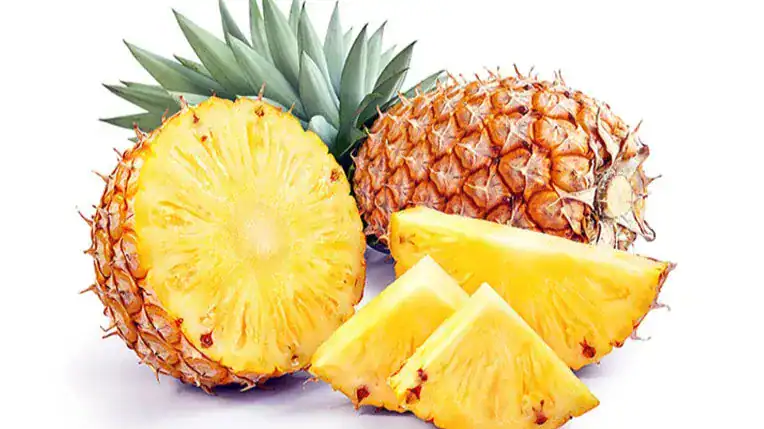
Pineapples are renowned for their robust, juicy taste and vibrant texture. To choose the best, look for a pleasant aroma at the stem end and leaves that are easily plucked. Trim off the spiky crown and base, then slice away the tough skin, removing the eyes. Core the fruit and cut it into wedges or rings. High in bromelain, pineapples tenderize meats, making them excellent for marinades. Serve fresh in salsas or grill slices to caramelize their natural sugars, adding depth to the dish.
18. Watermelon: Summer Refreshment

Watermelon provides a refreshingly hydrating experience, with its crisp, sweet flesh and high-water content. Select a melon with a uniform shape, a creamy yellow spot where it ripened, and a deep sound when tapped. Remove the rind and dice into cubes or ball it for a playful presentation. A sprinkle of salt or lime juice elevates its sweetness, while the seeds can be roasted for a crunchy snack. Its versatility extends to chilled soups or icy granitas, perfectly capturing summer’s essence.
19. Lychee: Asian Delight

Lychees offer their unique perfume and juicy sweetness encased in a rough, reddish shell. Select firm fruits, and peel to reveal the translucent, pearl-like flesh. It’s best eaten fresh, but can also enhance cocktails or desserts with its floral notes. Lychees complement citrus and ginger in salads or salsas, providing a textural contrast. Their natural sweetness can be amplified through poaching in a light syrup. Store them in the refrigerator to prolong their shelf life, ensuring they remain a treat to savor.
20. Dates: Natural Indulgence

Dates, with their rich, caramel-like sweetness, are more than just a treat. Their high glycemic load makes them a quick energy source, ideal for athletes needing rapid fuel. When selecting, look for plump, shiny skins without crystallized sugar on the surface. To soften and enhance their flavor, soak dates in warm water for about 10 minutes. Incorporate them into energy bars by blending with nuts and oats or chop finely as a natural sweetener in baking. Their stickiness helps bind ingredients naturally. Use sparingly in smoothies for a touch of sweetness without overpowering other flavors.
