
The One Grocery Store Hack That Saves Americans Hundreds Every Month (And Nobody Talks About It)
While most shoppers focus on the large, bold price tags on the shelf, the real savings are hidden in the tiny text: the Unit Price. In 2026, inflation has made “sticker prices” deceptive due to varying package sizes. The hack that is saving families hundreds is ignoring the “total price” and shopping exclusively by the price per ounce, gram, or sheet. By training your eyes to look at the bottom corner of the shelf tag, you expose the true value of a product. This simple mental shift prevents you from falling for “sale” prices that are actually more expensive than the standard bulk options.
The Bulk Meat “Breakdown” Hack
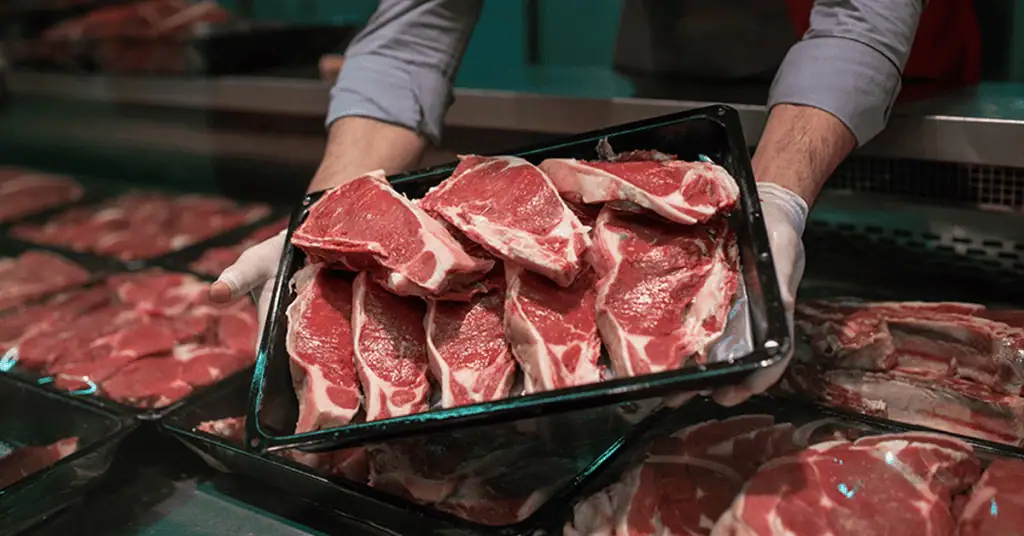
In 2026, meat prices are highly volatile, but the “Family Pack” isn’t always the best deal. The secret is to compare the price per pound of a large tray against the individual smaller packs. Often, stores will put a “Manager’s Special” on smaller portions nearing their sell-by date that actually beats the bulk price. By buying several smaller “Special” packs and freezing them immediately, you can save upwards of $40 per month on protein alone. Savvy 2026 shoppers never assume “bigger is cheaper” and always let the decimal point on the unit price guide their cart.
Frozen vs. Fresh Weight Logic
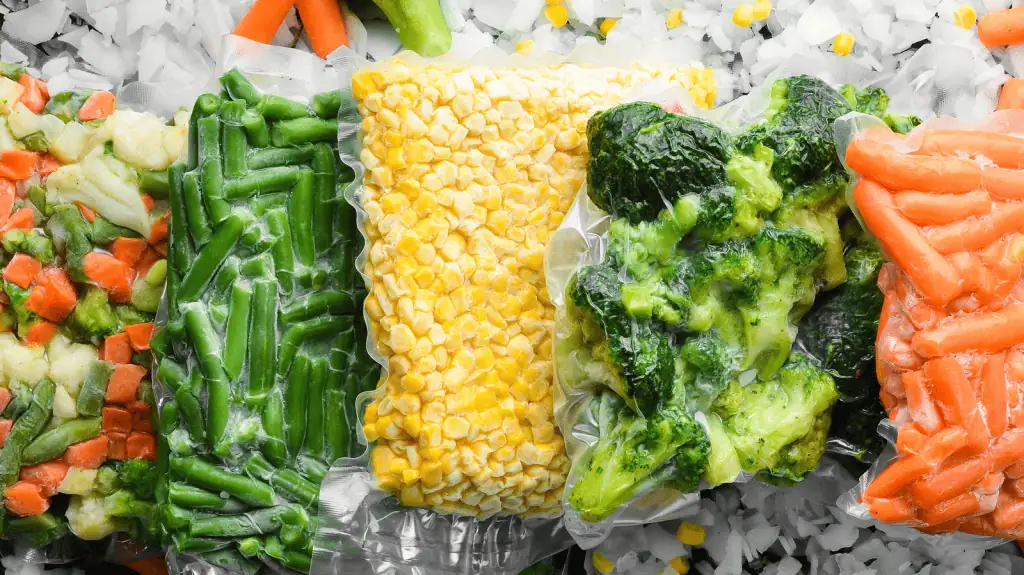
Produce prices in March 2026 are tricky because “fresh” items often include weight you can’t eat, like stems and pits. The unit price hack here is switching to frozen produce, where the price per ounce covers 100% edible food. For example, a bag of frozen broccoli florets often has a lower unit price than a head of fresh broccoli once you account for the heavy, discarded stalk. This hack ensures that every cent of your 2026 grocery budget goes toward actual nutrition rather than compost, potentially saving a household $25 a month on vegetable waste.
The “Store Brand” Quality Match

Many 2026 shoppers still buy name brands out of habit, but the unit price hack reveals that “An ALDI Original” or “Great Value” items are often 50% cheaper per ounce. In 2026, private-label quality has reached parity with national brands, often coming from the exact same processing plants. By looking at the unit price, you can see that you are often paying a “brand tax” of $2.00 or more per item just for the label. Switching your top 10 most-purchased pantry staples to store brands based on unit price can easily save $60 to $80 a month.
Avoiding the “Convenience” Trap
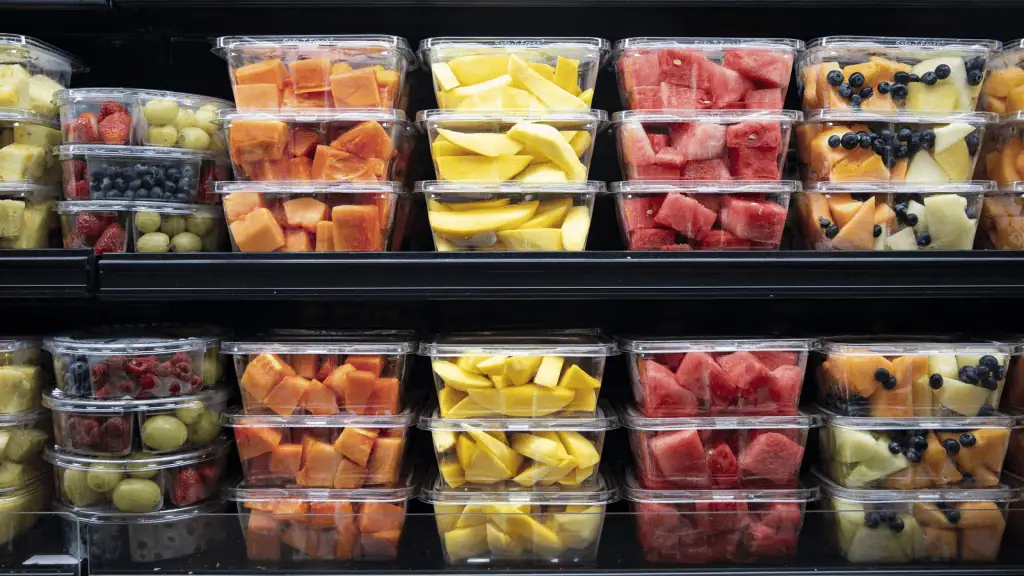
The final piece of this 2026 hack is identifying “hidden labor costs” in the unit price. Pre-cut fruit, individual snack packs, and “shredded” cheese often have unit prices that are double or triple the base product. For instance, a block of cheddar might be $0.25 per ounce, while the shredded version is $0.55 per ounce. By spending ten minutes a week doing your own slicing and portioning, you are effectively “paying yourself” a high hourly rate in savings. In the current 2026 economy, reclaiming this “convenience fee” is the fastest way to stabilize your monthly food spend.
