
The ‘Fresh’ Label on Your Supermarket Food Means Almost Nothing: Here’s What to Look for Instead
In 2026, the word “fresh” on a supermarket label is often more about marketing than a calendar. Many shoppers assume it means the food was harvested just days ago. However, the legal definition is much broader than the public’s perception. In many regions, “fresh” simply means the food has not been frozen or thermally processed.
This allows for a massive gap between the harvest date and the shelf date. Advanced storage technologies can now keep produce looking vibrant for months on end. Apples, for example, are often stored in controlled atmospheres for up to a year. You are buying the appearance of freshness, not necessarily the reality of it. Understanding this gap is the first step to becoming a smarter grocery shopper.
The Shelf-Life Science of 2026

Modern technology has fundamentally changed how we define a “fresh” product today. In 2026, supermarkets rely on high-pressure processing and modified atmosphere packaging to extend life. These methods can keep a steak or a salad looking perfect for several weeks. However, the visual appeal often masks a slow decline in the food’s natural nutrients.
Consumers often mistake a lack of wilting for high-quality, recently harvested produce. In reality, that “fresh” spinach might have been sitting in a cold-chain warehouse for ten days. While these technologies prevent spoilage, they do not stop the internal clock of the plant. You are buying a product that is biologically older than its vibrant green color suggests. This gap between appearance and age is a hallmark of the modern grocery experience.
Regulatory Loopholes and Vague Labels

The legal requirements for using the “fresh” label are surprisingly thin and quite flexible. For many items, the term simply means the food was never frozen or chemically processed. It does not provide a specific timeline for when the item was actually picked or packed. This allows retailers to market older stock as if it were a brand-new delivery.
In 2026, new front-of-package labeling laws are targeting sugar and salt, but not “freshness.” Agencies like the FDA and USDA still allow a wide range of interpretations for this word. Unless you see a “harvested on” date, the label is mostly a marketing suggestion. It is designed to trigger an emotional response of health and vitality in the buyer. Always look for more specific data points, such as the actual packaging location and date.
The Sensory Illusion of the Produce Aisle

Supermarkets use clever design and sensory tricks to reinforce the idea of freshness. You may notice that produce is often the first thing you see upon entering. This “theatre of fresh” sets a healthy tone for the rest of your shopping trip. Bright lights and frequent misting make vegetables glisten as if they were covered in dew.
This misting actually does very little to keep the produce healthy for the consumer. It is primarily used to prevent weight loss from evaporation and to look appealing. In 2026, some stores even use “freshly picked” scents piped through the ventilation system. These tactics bypass your logic and appeal directly to your primal instincts for food. Seeing through these atmospheric tricks will help you judge the food more objectively.
How to Find Authentic Freshness Now
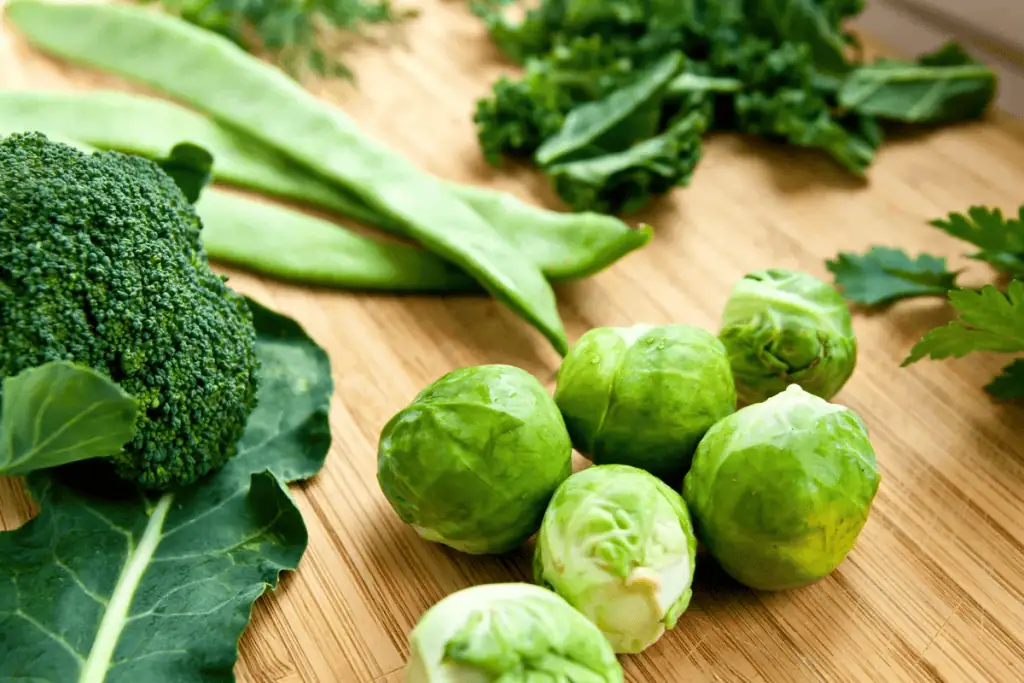
To get the best quality in 2026, you must learn to ignore the boldest green labels. Instead, look at the physical stems of your vegetables for signs of browning or dryness. Truly fresh fruit should have a heavy feel for its size, indicating it is still full of water. Check the back of the shelf for the newest stock, as clerks often rotate older items to the front.
Sourcing food from local “vertical farms” inside the city is becoming a top 2026 trend. These products often reach the shelf within hours of being cut, rather than several days. If you want a guarantee, look for brands that offer full digital traceability via QR codes. This allows you to see the exact farm and harvest time on your own smartphone. Real freshness is found in data and physical cues, not in the store’s signage.
