
Why Your Favourite Restaurant Chain Is Quietly Disappearing From Your City
If you have noticed a sudden “for lease” sign on your favorite local chain, you are not alone. In the first half of 2026, many of America’s most recognizable brands are aggressively shrinking their footprints. Wendy’s is set to close over 350 locations, while Jack in the Box and Papa Johns are following a similar path. These aren’t just random closures; they are part of a massive “portfolio optimization” strategy.
Companies are no longer chasing growth at any cost. Instead, they are cutting ties with underperforming stores to save their bottom lines. High inflation and rising labor costs have made it impossible to keep every unit open. The result is a quieter, more selective dining landscape in our major cities. Your neighborhood spot might just be the next one on the chopping block. Let’s look at why these household names are retreating so quickly.
The Death of the Middle-Class Diner
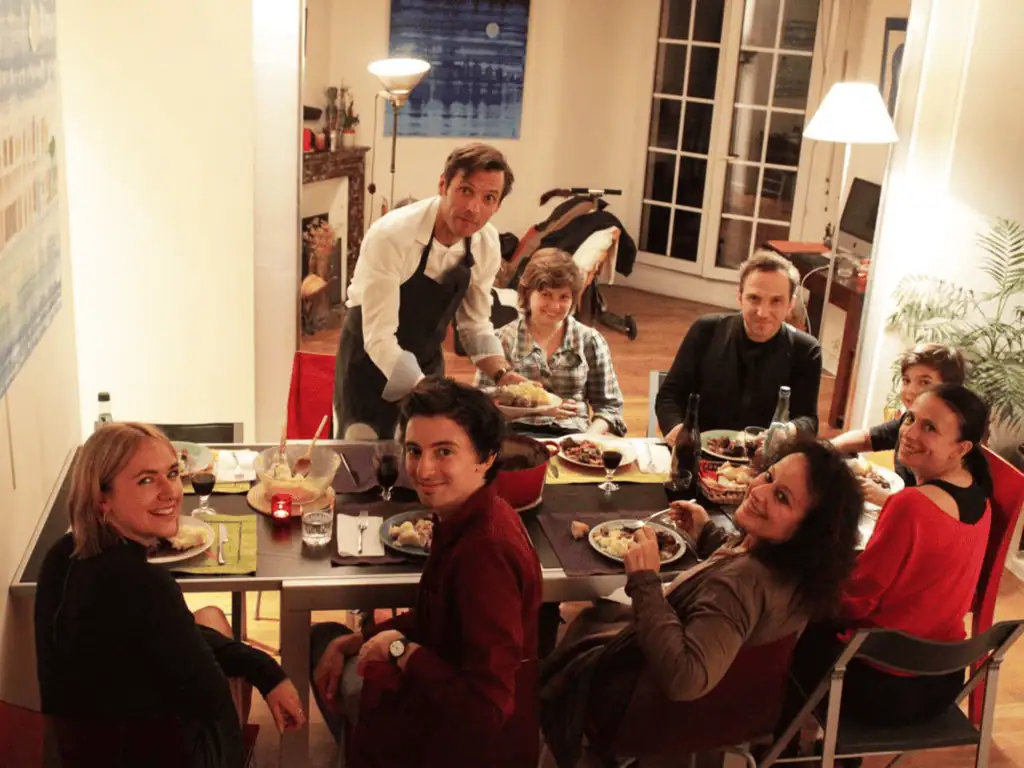
Middle-income families are the traditional engine of the restaurant industry. However, by early 2026, this group had significantly shifted their spending habits. With dining-out costs rising twice as fast as grocery prices, the “value” of a chain meal has vanished. Many people now view a fast-casual lunch as an expensive luxury rather than a daily convenience.
This has led to a “trading down” effect where people stay home or choose cheaper staples. High-density urban areas with high rents are seeing the biggest drops in traffic. If a store’s sales drop below 70% of its peak, it is now considered “at-risk” for closure. Chains are moving away from these saturated markets to survive the profit squeeze. The middle class is simply being priced out of their favorite casual dining spots. This exit is leaving many city blocks feeling emptier than before.
The Rise of “Digital Only” Operations
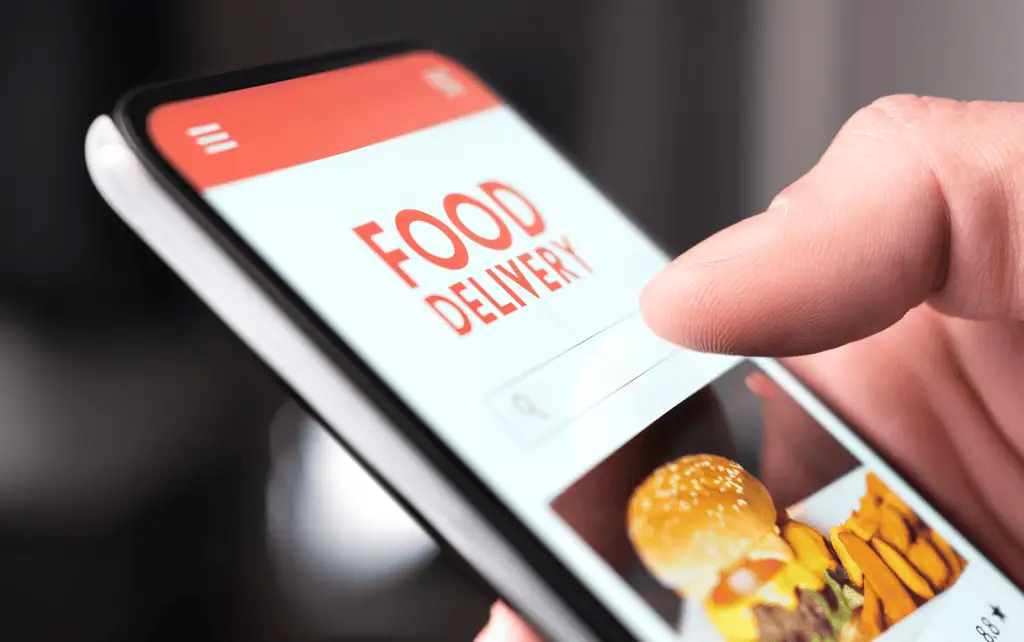
The way we order food has fundamentally changed the physical layout of our cities. Many chains are quietly closing their traditional sit-down locations in favor of “ghost kitchens.” These units focus entirely on delivery and digital orders through apps. They require much less square footage and far fewer front-of-house staff members.
By closing visible storefronts, brands save a fortune on prime real estate and decor. You might still be able to order the food, but you can no longer visit the restaurant. This shift is turning bustling dining strips into dark, delivery-focused hubs. It removes the social “third space” that these chains once provided for communities. If your favorite spot is gone, check your delivery app; it might still exist in a warehouse. This digital-first strategy is a primary driver of the physical disappearance we see.
The “Brian Niccol” Efficiency Effect

Following the success of leaders like Brian Niccol at Starbucks, “efficiency overhauls” have become a major trend in 2026. Corporations are focusing on lean operations and speed, often closing locations that are slightly slow or have complex layouts.
The strategy has shifted from being everywhere to operating perfectly in a few key locations. Even popular stores may shut down if they don’t fit the new digital model. Workforce reductions and simplified menus are also part of this shift. Companies are essentially “pruning the tree” to keep the core business profitable and efficient.
The Abandoned Lunch Hour
The final blow for many urban restaurant chains in 2026 is the permanent shift to hybrid work. Mid-week lunch traffic in downtown areas has never returned to pre-2019 levels, leaving many city locations struggling to justify high rents.
Chains like Subway and Starbucks are closing urban stores and moving investment to suburban, drive-thru focused locations where people now live and work. As office districts grow quieter, brands are following customers to the suburbs. The bustling city lunch spot is fading, and a stay-at-home world is reshaping the map of American dining.
